Kassianos George, Barasheed Osamah, Abbing-Karahagopian Victoria, Khalaf Mansour, Ozturk Serdar, Banzhoff Angelika, Badur Selim
Royal College of General Practitioners, London, UK.
The British Global and Travel Health Association, London, UK.
Infect Dis Ther. 2023 Sep;12(9):2193-2219. doi: 10.1007/s40121-023-00836-8. Epub 2023 Jul 6.
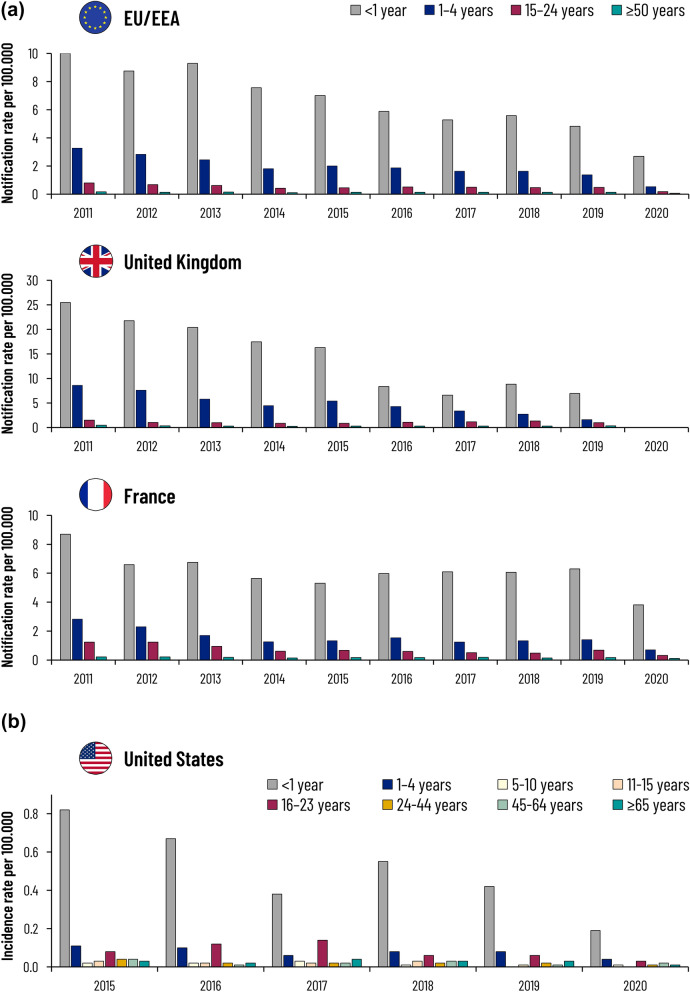
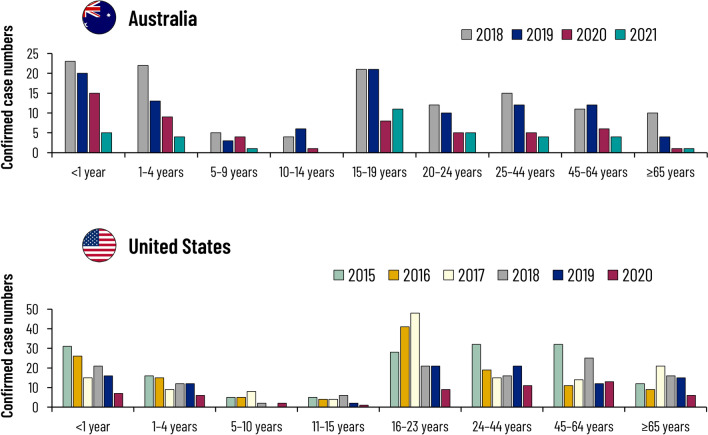
Recombinant vaccines against invasive meningococcal disease due to Neisseria meningitidis serogroup B (MenB) have shown substantial impact in reducing MenB disease in targeted populations. 4CMenB targets four key N. meningitidis protein antigens; human factor H binding protein (fHbp), Neisserial heparin binding antigen (NHBA), Neisseria adhesin A (NadA) and the porin A protein (PorA P1.4), with one or more of these expressed by most pathogenic MenB strains, while MenB-FHbp targets two distinct fHbp variants. While many countries recommend MenB immunisation in adults considered at high risk due to underlying medical conditions or immunosuppression, there are no recommendations for routine use in the general adult population. We reviewed the burden of MenB in adults, where, while incidence rates remain low (and far lower than in young children < 5 years of age at greatest risk), a substantial proportion of MenB cases (20% or more) is now observed in the adult population; evident in Europe, Australia, and in the United States. We also reviewed immunogenicity data in adults from clinical studies conducted during MenB vaccine development and subsequent post-licensure studies. A 2-dose schedule of 4CMenB generates hSBA titres ≥ 1:4 towards all four key vaccine target antigens in up to 98-100% of subjects. For MenB-FHbp, a ≥ fourfold rise in hSBA titres against the four primary representative test strains was observed in 70-95% of recipients following a 3-dose schedule. While this suggests potential benefits for MenB immunisation if used in adult populations, data are limited (especially for adults > 50 years) and key aspects relating to duration of protection remain unclear. Although a broader adult MenB immunisation policy could provide greater protection of the adult population, additional data are required to support policy decision-making.
针对由B群脑膜炎奈瑟菌(MenB)引起的侵袭性脑膜炎球菌病的重组疫苗已在降低目标人群的MenB疾病方面显示出重大影响。4CMenB针对四种关键的脑膜炎奈瑟菌蛋白抗原;人因子H结合蛋白(fHbp)、奈瑟菌肝素结合抗原(NHBA)、奈瑟菌黏附素A(NadA)和孔蛋白A蛋白(PorA P1.4),大多数致病性MenB菌株表达其中一种或多种,而MenB-FHbp针对两种不同的fHbp变体。虽然许多国家建议对因基础疾病或免疫抑制而被视为高危的成年人进行MenB免疫接种,但对于一般成年人群体的常规使用尚无建议。我们回顾了成年人中MenB的疾病负担,虽然发病率仍然较低(且远低于5岁以下风险最高的幼儿),但现在在成年人群体中观察到相当比例(20%或更多)的MenB病例;在欧洲、澳大利亚和美国都很明显。我们还回顾了MenB疫苗研发期间及后续上市后研究中针对成年人的免疫原性数据。4CMenB的两剂接种方案在高达98-100%的受试者中针对所有四种关键疫苗靶抗原产生的hSBA效价≥1:4。对于MenB-FHbp,在三剂接种方案后,70-95%的接受者中观察到针对四种主要代表性测试菌株的hSBA效价有≥四倍的升高。虽然这表明MenB免疫接种用于成年人群体可能有潜在益处,但数据有限(尤其是对于50岁以上的成年人),与保护持续时间相关的关键方面仍不清楚。尽管更广泛的成年MenB免疫接种政策可以为成年人群体提供更大的保护,但需要更多数据来支持政策决策。