Department of General Practice, Monash University, 553 St Kilda Road, Melbourne, VIC, 3004, Australia.
BMC Prim Care. 2023 Jul 10;24(1):143. doi: 10.1186/s12875-023-02093-7.
Parents' Evaluation of Developmental Status, (PEDS), is a validated screening tool designed for primary health care clinicians to assess child development. Despite widespread use by local government child-nurse services, PEDS has not been tested in Australian general practice. We examined the effect of an intervention that aimed to use PEDS to improve documented assessment of child developmental status during routine general practice consultations.
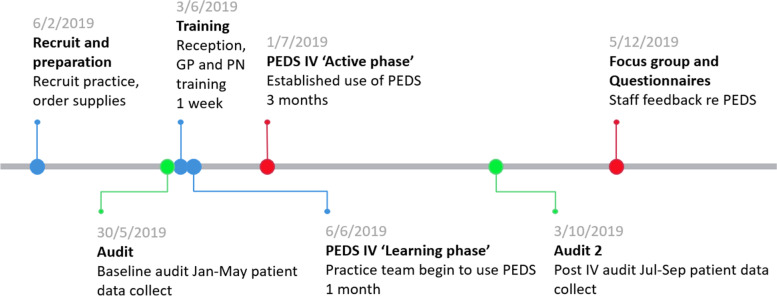
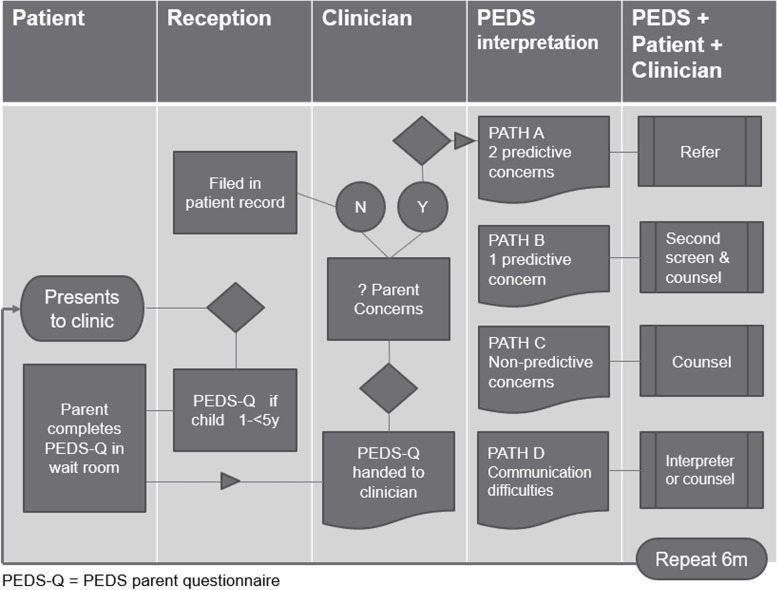
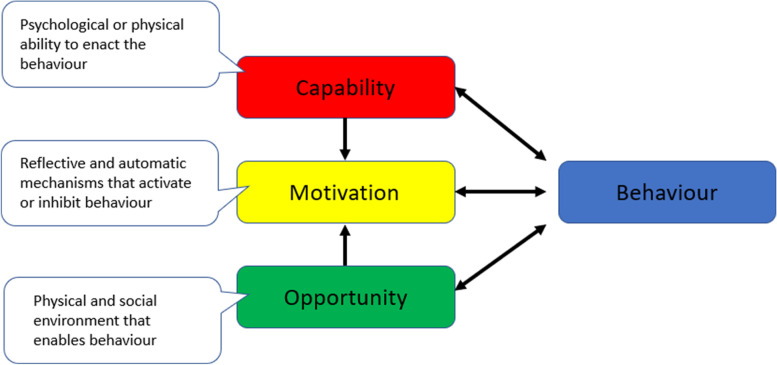
The study took place in a single general practice in Melbourne, Australia. The intervention included training of all general practice staff regarding PEDS processes and provision of PEDS questionnaires, scoring and interpretation forms. Mixed methods incorporated audits of clinical records of young children (1 to ≤ 5 years) before and after the intervention, and written questionnaires and a focus group (informed by the Theoretical Domains Framework and COM-B model) with receptionists, practice nurses and general practitioners.
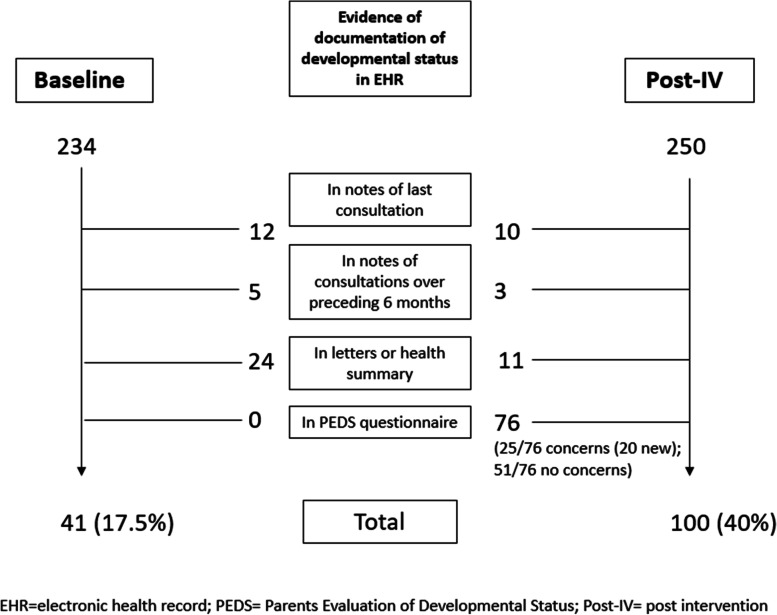
Documented developmental status more than doubled after the intervention with almost one in three (30.4%) records documenting the PEDS tool. Overall, staff responses to questionnaires indicated that PEDS processes had been successfully implemented, half of the staff felt PEDS had developed their professional skills and clinicians expressed confidence using the tool (71%). Thematic analysis of the focus group transcript revealed divided reactions to PEDS screening with most barriers arising from general practitioners' motivation to use PEDS tools and perceptions of environmental constraints.
A team-practice intervention that applied PEDS training and implementation, more than doubled documented rates of child developmental status during routine visits. Solutions to underlying barriers could be incorporated into a revised training module. Future studies need to test the tool in more methodologically robust studies that include analysis of the outcomes of developmental surveillance and long-term sustainability of PEDS use in practices.
家长发育评估(PEDS)是一种经验证的筛查工具,专为初级保健临床医生设计,用于评估儿童发育情况。尽管当地政府儿童护士服务广泛使用,但 PEDS 在澳大利亚全科医学实践中尚未经过测试。我们研究了一项干预措施的效果,该措施旨在使用 PEDS 改进常规全科医学咨询中儿童发育状况的记录评估。
该研究在澳大利亚墨尔本的一家全科诊所进行。该干预措施包括对所有全科医学工作人员进行 PEDS 流程培训,并提供 PEDS 问卷、评分和解释表。混合方法包括在干预前后对幼儿(1 至 ≤5 岁)的临床记录进行审核,以及对接待员、执业护士和全科医生进行书面问卷调查和焦点小组(以理论领域框架和 COM-B 模型为依据)。
干预后,记录的发育状况增加了一倍多,几乎有三分之一(30.4%)的记录记录了 PEDS 工具。总体而言,工作人员对问卷调查的回应表明,PEDS 流程已成功实施,一半的工作人员认为 PEDS 提高了他们的专业技能,临床医生表示有信心使用该工具(71%)。焦点小组记录的专题分析显示,对 PEDS 筛查的反应存在分歧,大多数障碍源于全科医生使用 PEDS 工具的动机和对环境限制的看法。
一项团队实践干预措施应用了 PEDS 培训和实施,使常规就诊期间记录的儿童发育状况增加了一倍多。可以将解决潜在障碍的方法纳入修订后的培训模块中。未来的研究需要在更具方法学稳健性的研究中测试该工具,包括对发育监测结果和 PEDS 在实践中的长期可持续性进行分析。