Department of Psychology, Box 1125, Washington University in St. Louis, 1 Brookings Dr., St. Louis, MO, 63130, USA.
Department of Psychology, Box 1125, Washington University in St. Louis, 1 Brookings Dr., St. Louis, MO, 63130, USA.
Neuropsychologia. 2023 Sep 9;188:108636. doi: 10.1016/j.neuropsychologia.2023.108636. Epub 2023 Jul 16.
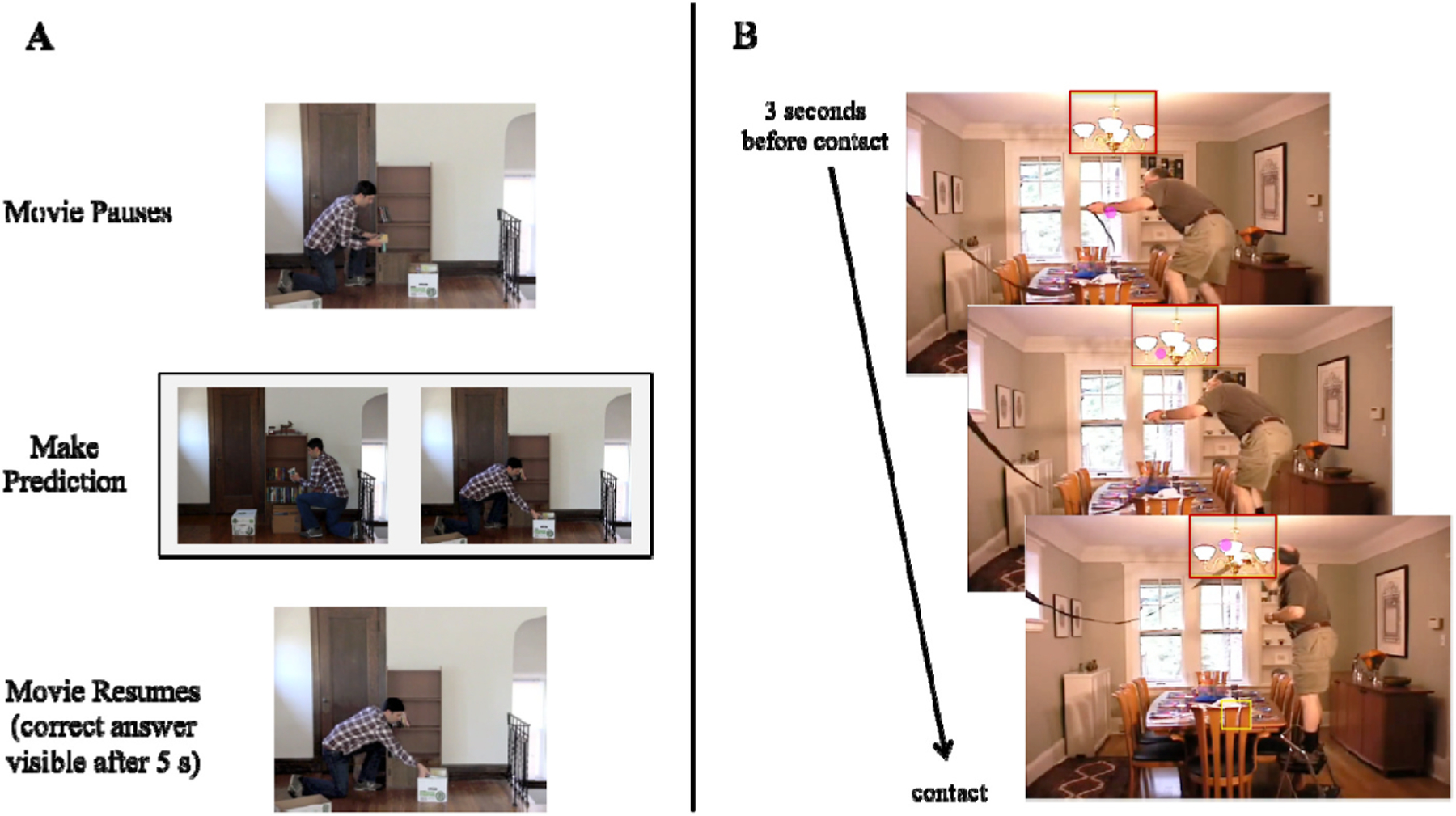
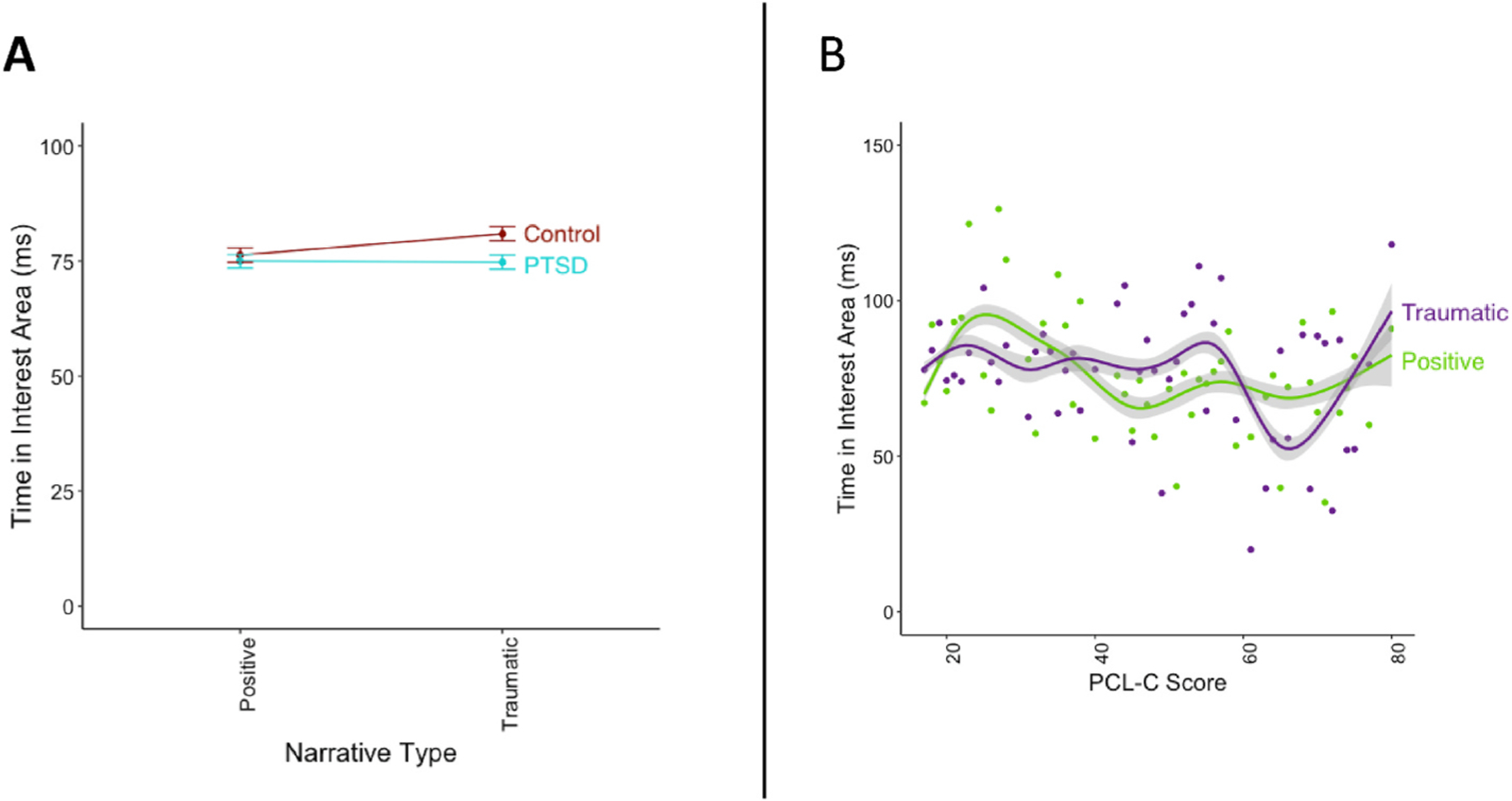
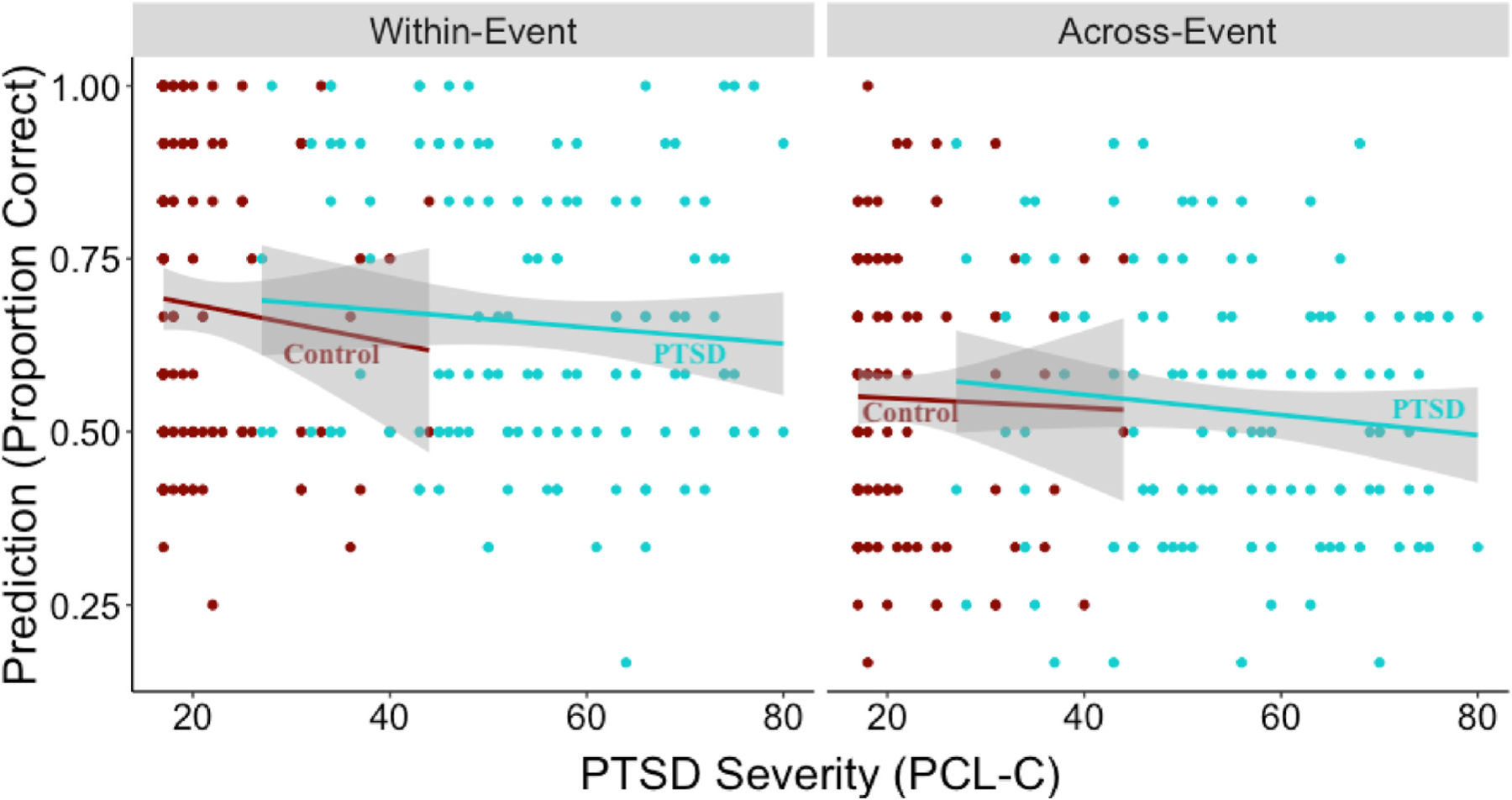
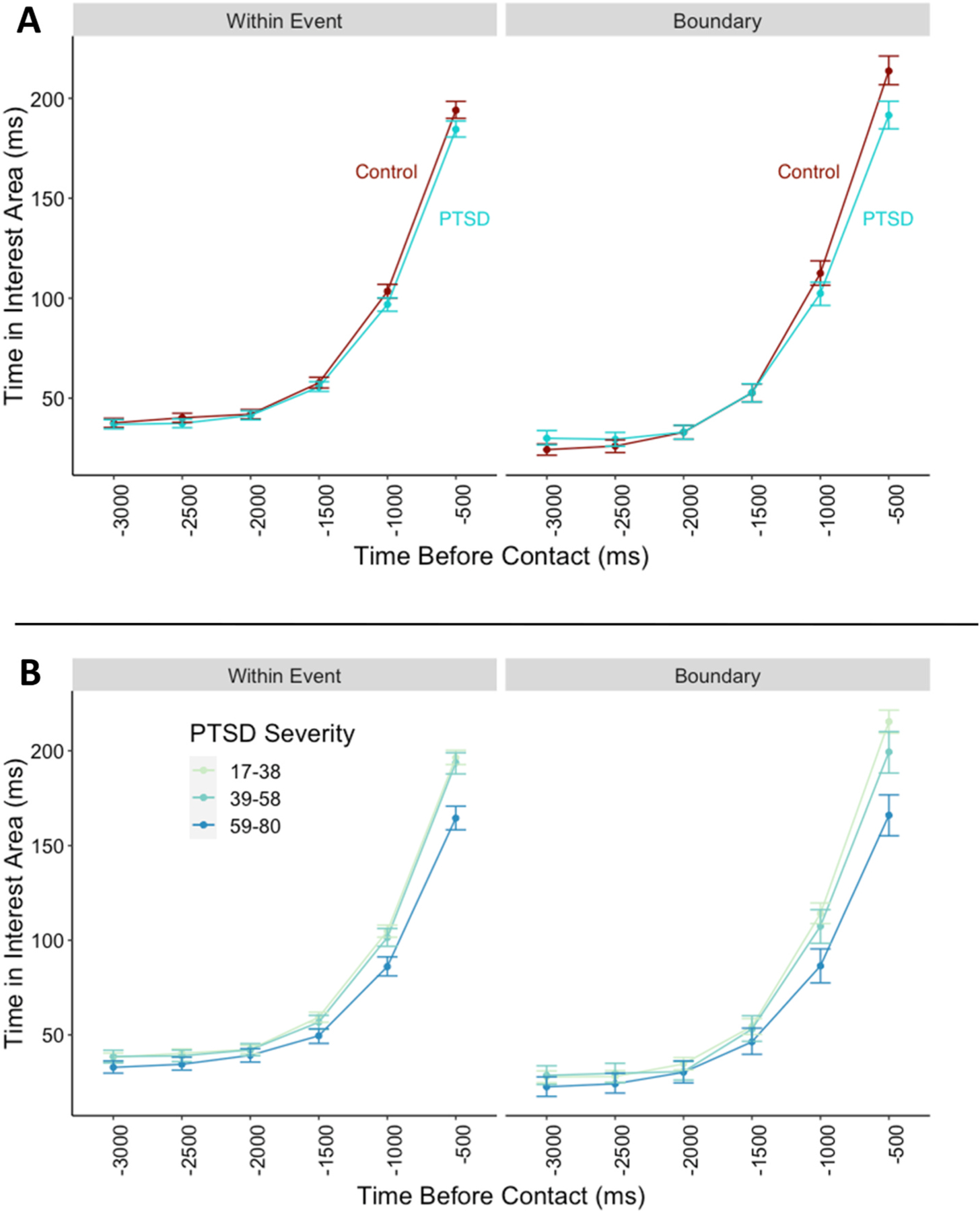
The ability to make accurate predictions about what is going to happen in the near future is critical for comprehension of everyday activity. However, predictive processing may be disrupted in Posttraumatic Stress Disorder (PTSD). Hypervigilance may lead people with PTSD to make inaccurate predictions about the likelihood of future danger. This disruption in predictive processing may occur not only in response to threatening stimuli, but also during processing of neutral stimuli. Therefore, the current study investigated whether PTSD was associated with difficulty making predictions about near-future neutral activity. Sixty-three participants with PTSD and 63 trauma controls completed two tasks, one testing explicit prediction and the other testing implicit prediction. Higher PTSD severity was associated with greater difficulty with predictive processing on both of these tasks. These results suggest that effective treatments to improve functional outcomes for people with PTSD may work, in part, by improving predictive processing.
对即将发生的事情做出准确预测的能力对于理解日常生活活动至关重要。然而,预测处理在创伤后应激障碍 (PTSD) 中可能会受到干扰。过度警惕可能会导致 PTSD 患者对未来危险的可能性做出不准确的预测。这种预测处理的中断不仅可能发生在对威胁性刺激的反应中,也可能发生在对中性刺激的处理中。因此,本研究调查了 PTSD 是否与对近期中性活动做出预测的困难有关。63 名 PTSD 患者和 63 名创伤对照者完成了两项任务,一项测试显式预测,另一项测试隐式预测。较高的 PTSD 严重程度与这两项任务中的预测处理困难都有关。这些结果表明,改善 PTSD 患者功能预后的有效治疗方法可能部分通过改善预测处理起作用。