Karius, Redwood City, California, USA.
Medical College of Wisconsin, Milwaukee, Wisconsin, USA.
J Clin Microbiol. 2023 Aug 23;61(8):e0185522. doi: 10.1128/jcm.01855-22. Epub 2023 Jul 13.
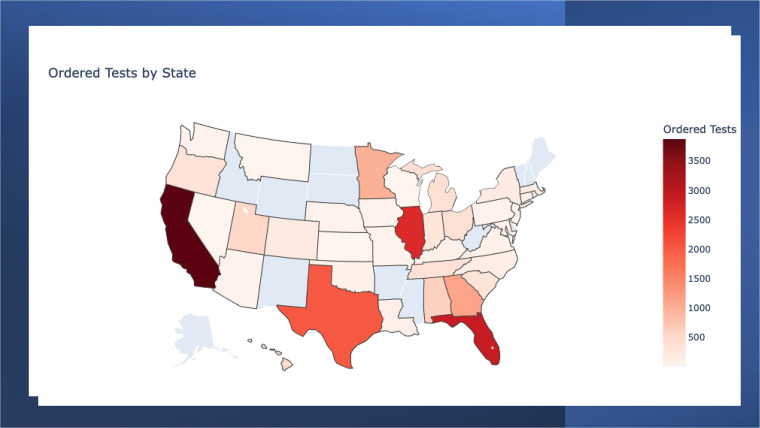
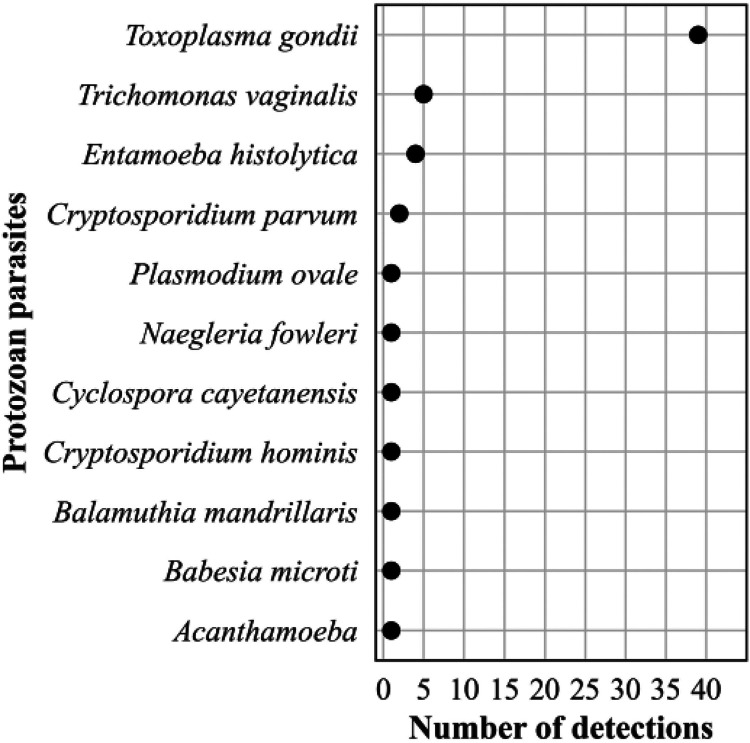
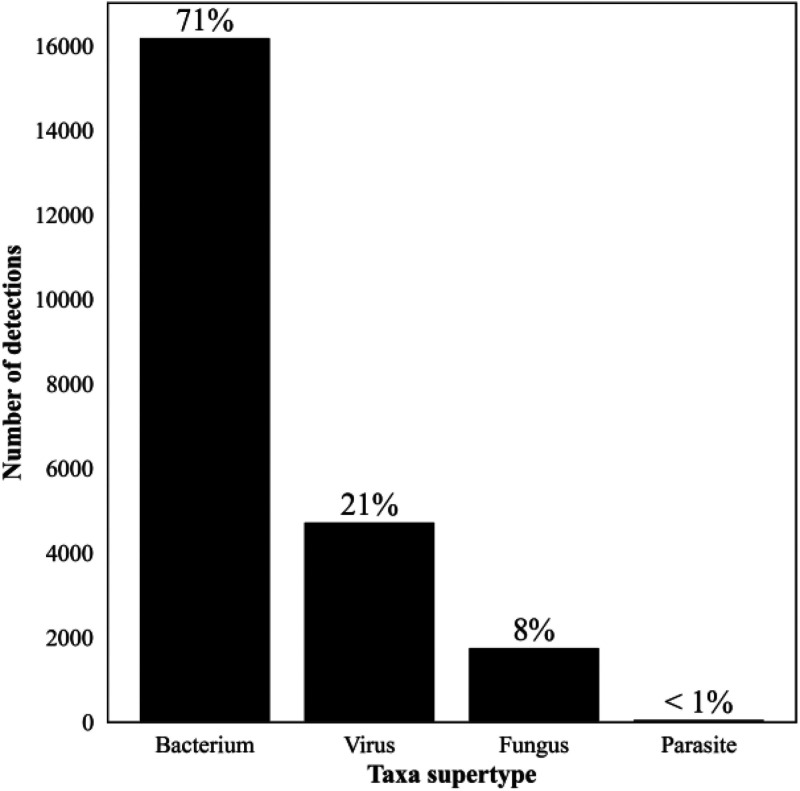
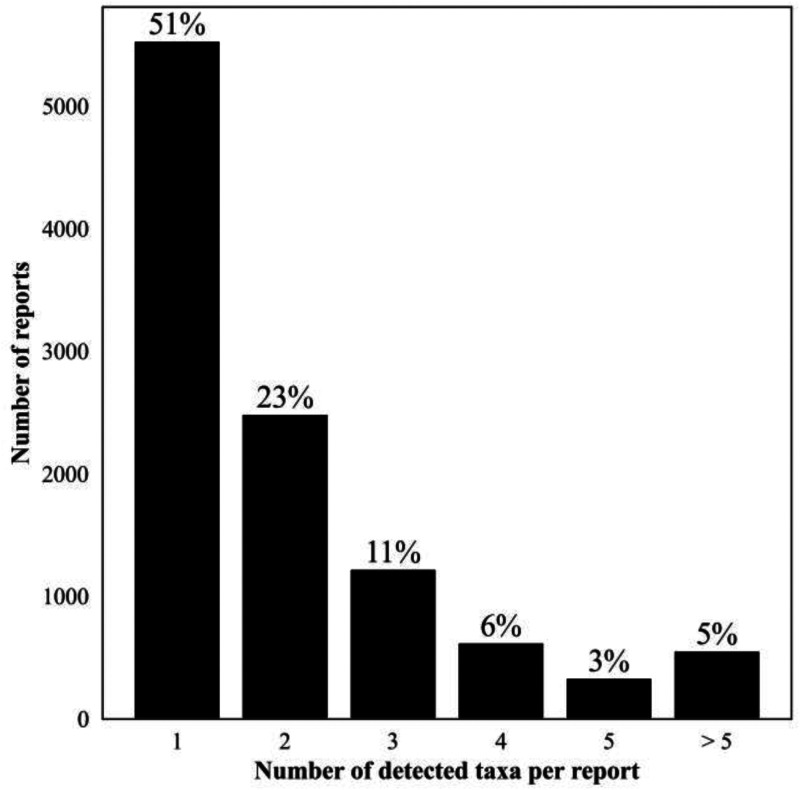
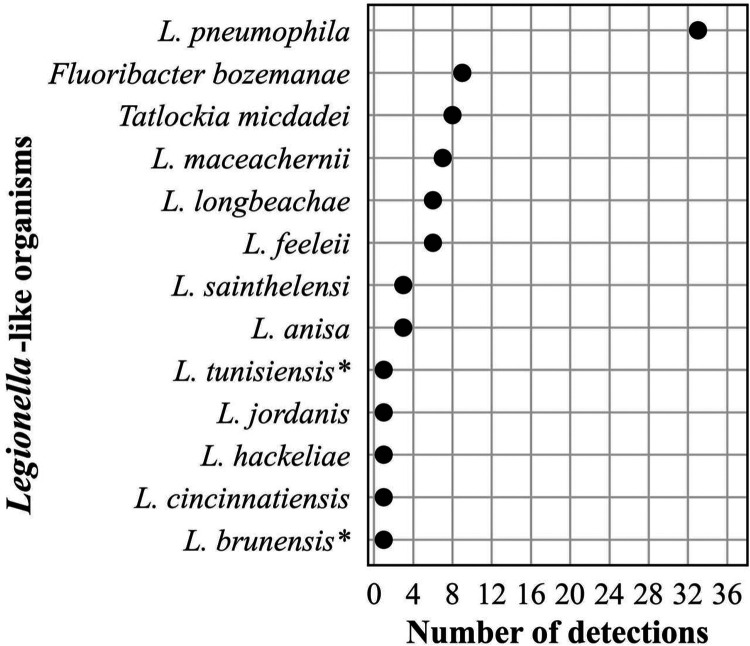
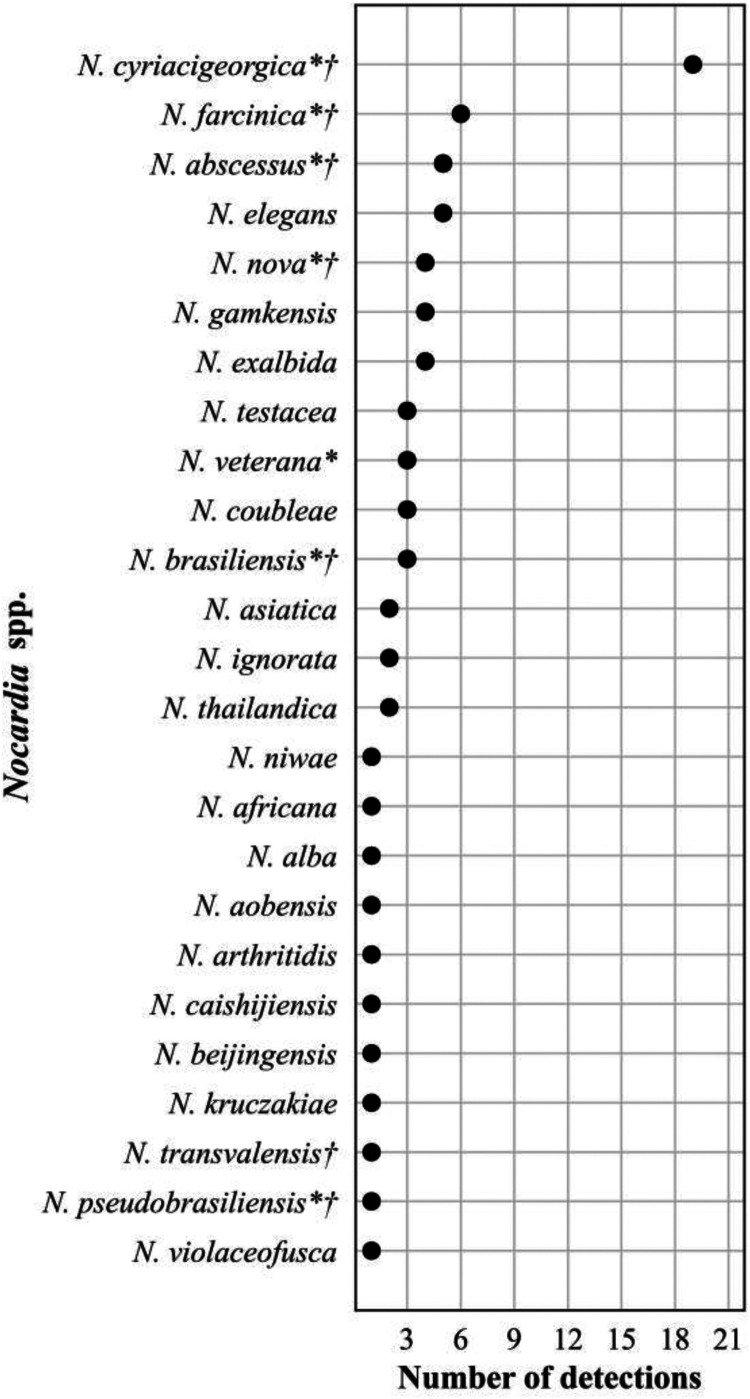
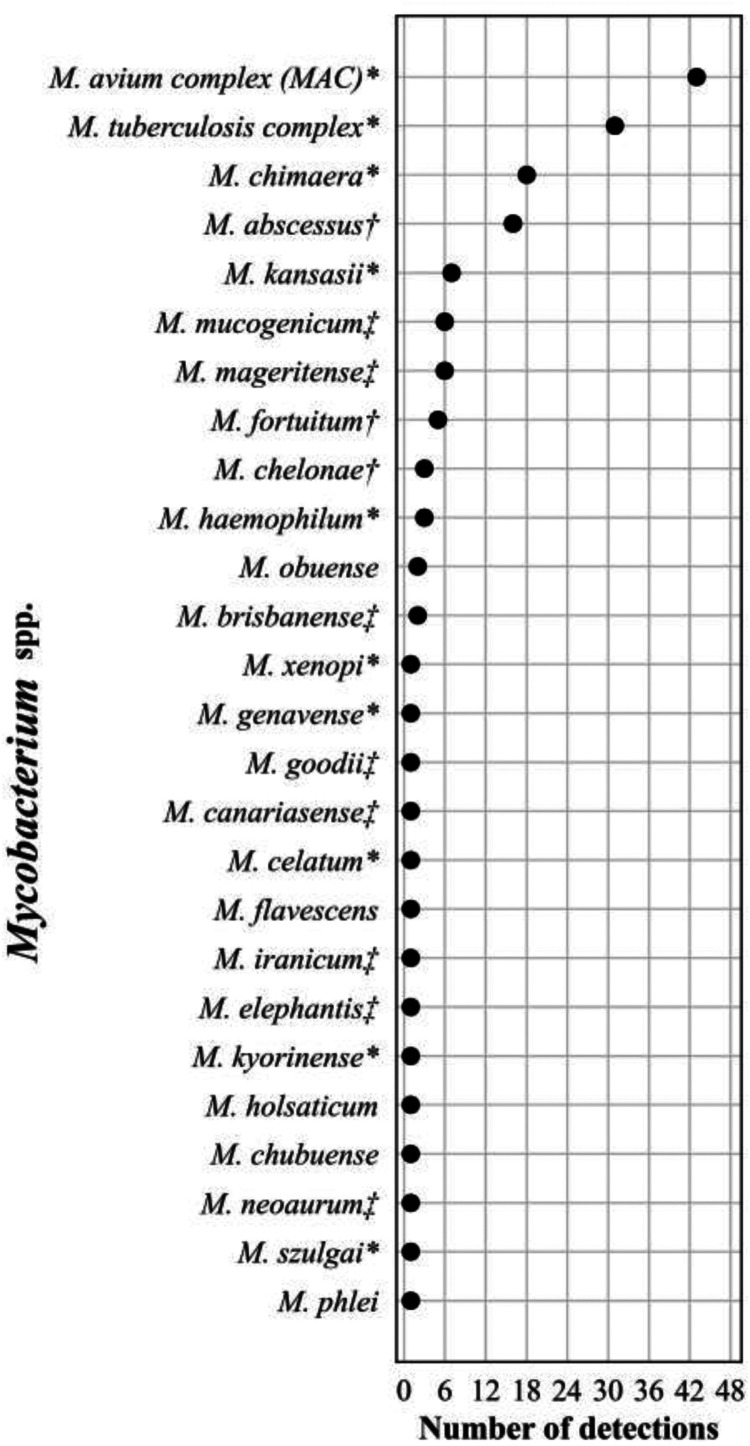
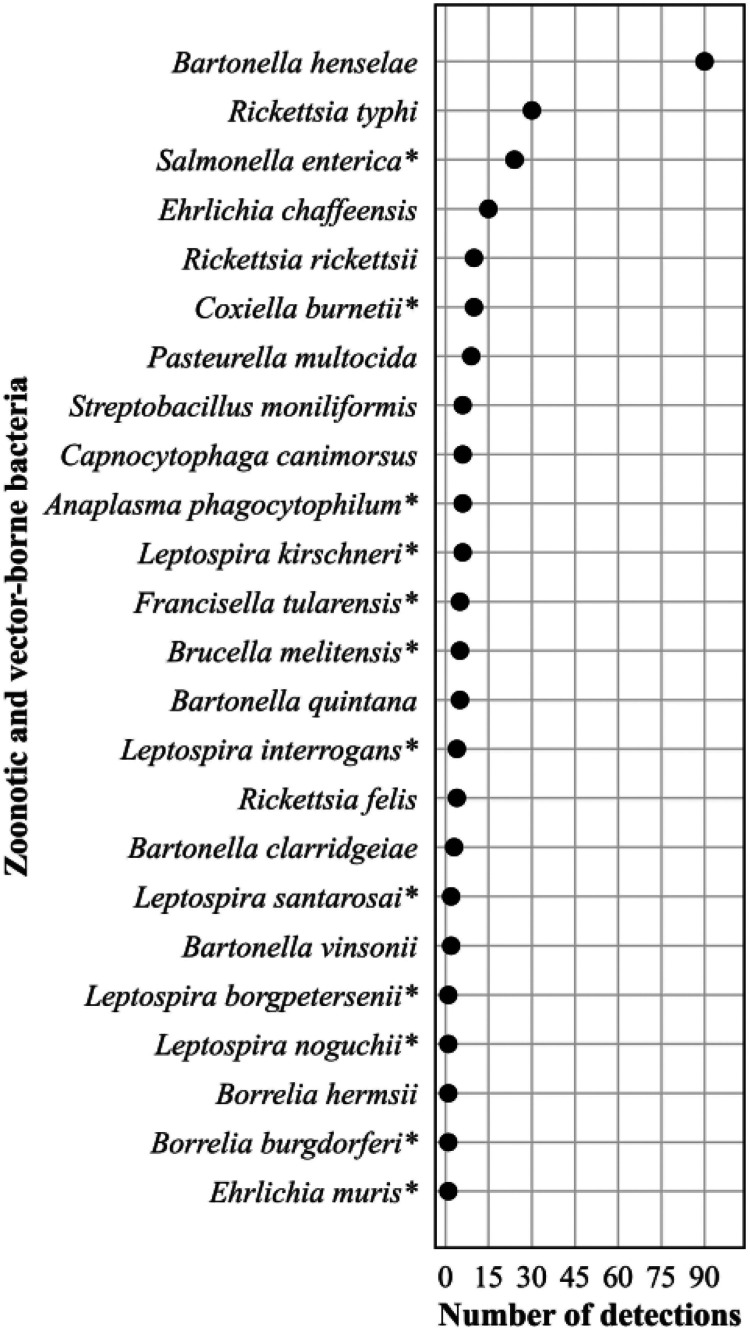
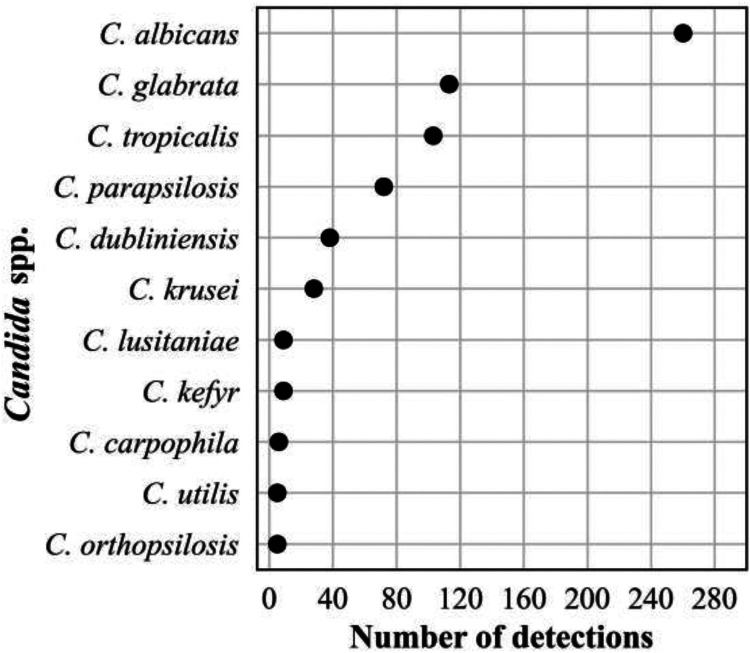
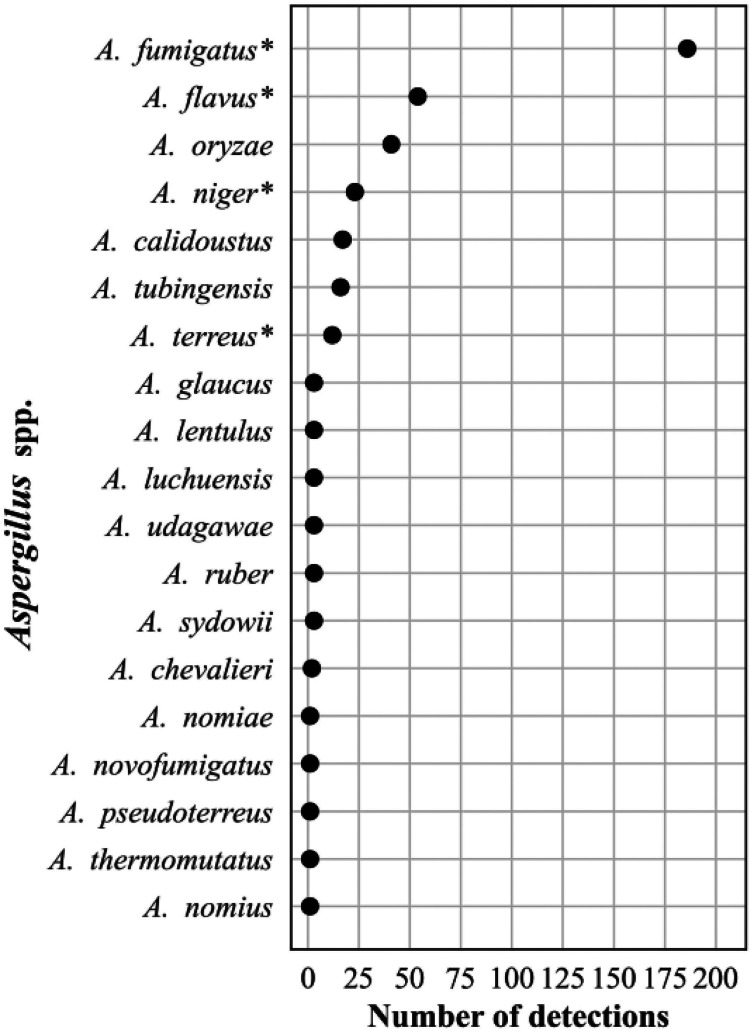
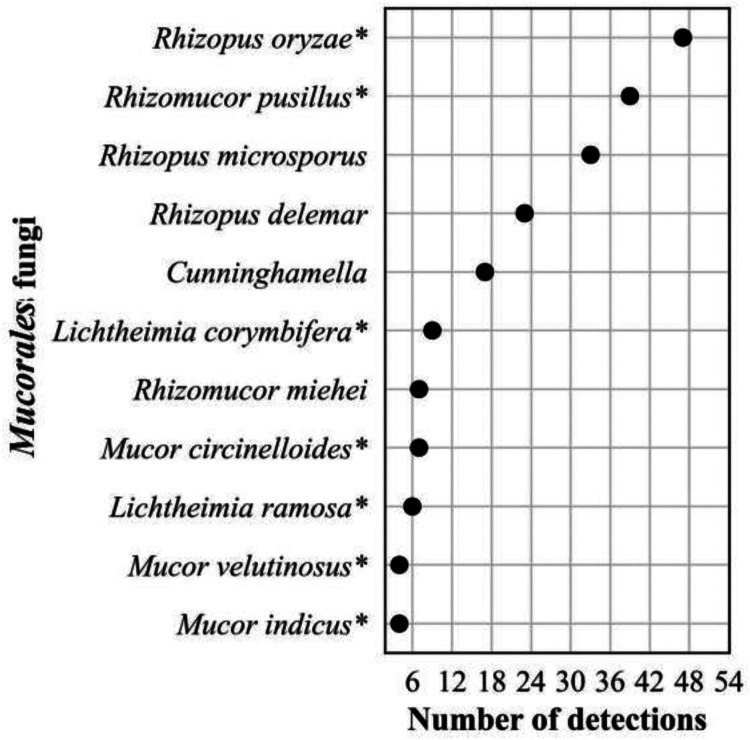
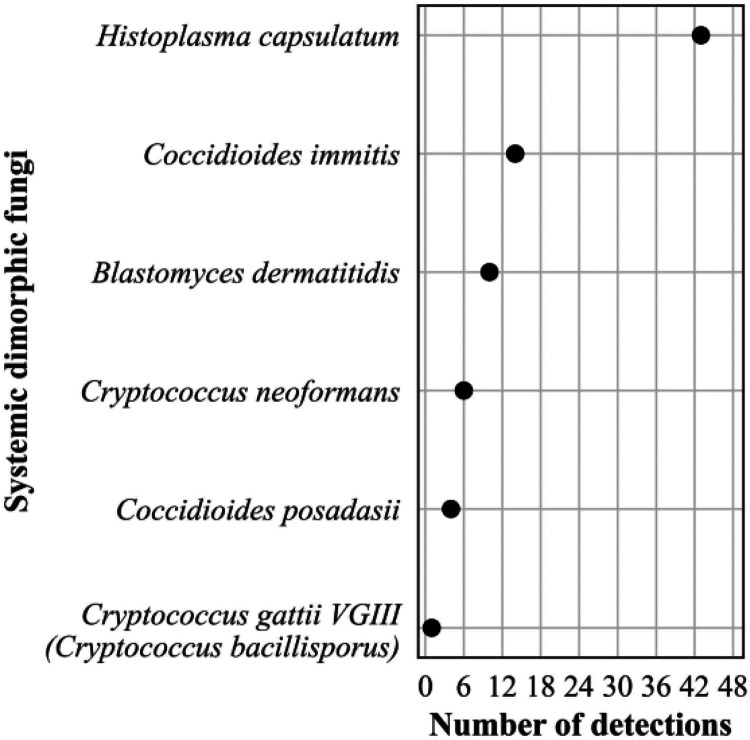
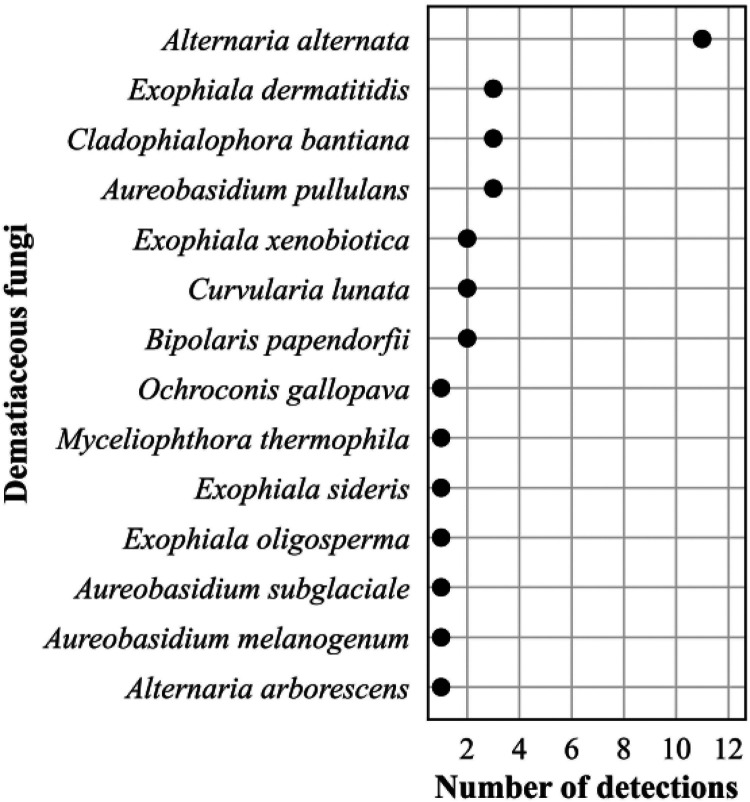
Microbial cell-free DNA (mcfDNA) sequencing is an emerging infectious disease diagnostic tool which enables unbiased pathogen detection and quantification from plasma. The Karius Test, a commercial mcfDNA sequencing assay developed by and available since 2017 from Karius, Inc. (Redwood City, CA), detects and quantifies mcfDNA as molecules/μL in plasma. The commercial sample data and results for all tests conducted from April 2018 through mid-September 2021 were evaluated for laboratory quality metrics, reported pathogens, and data from test requisition forms. A total of 18,690 reports were generated from 15,165 patients in a hospital setting among 39 states and the District of Columbia. The median time from sample receipt to reported result was 26 h (interquartile range [IQR] 25 to 28), and 96% of samples had valid test results. Almost two-thirds (65%) of patients were adults, and 29% at the time of diagnostic testing had ICD-10 codes representing a diverse array of clinical scenarios. There were 10,752 (58%) reports that yielded at least one taxon for a total of 22,792 detections spanning 701 unique microbial taxa. The 50 most common taxa detected included 36 bacteria, 9 viruses, and 5 fungi. Opportunistic fungi (374 Aspergillus spp., 258 Pneumocystis jirovecii, 196 , and 33 dematiaceous fungi) comprised 861 (4%) of all detections. Additional diagnostically challenging pathogens (247 zoonotic and vector-borne pathogens, 144 Mycobacterium spp., 80 spp., 78 systemic dimorphic fungi, 69 spp., and 57 protozoan parasites) comprised 675 (3%) of all detections. This is the largest reported cohort of patients tested using plasma mcfDNA sequencing and represents the first report of a clinical grade metagenomic test performed at scale. Data reveal new insights into the breadth and complexity of potential pathogens identified.
微生物无细胞 DNA (mcfDNA) 测序是一种新兴的传染病诊断工具,可实现从血浆中进行无偏倚的病原体检测和定量。Karius 测试是由 Karius 公司开发并自 2017 年以来提供的商业 mcfDNA 测序检测,以分子/μL 的形式检测和定量血浆中的 mcfDNA。评估了 2018 年 4 月至 2021 年 9 月中旬期间所有测试的商业样本数据和结果,以评估实验室质量指标、报告的病原体以及测试申请表的数据。在 39 个州和哥伦比亚特区的一家医院环境中,共对 15165 名患者进行了 18690 次检测。从样本接收至报告结果的中位时间为 26 小时(四分位距 [IQR] 25 至 28),96%的样本有有效检测结果。近三分之二(65%)的患者为成年人,29%的患者在诊断检测时的 ICD-10 代码代表了多种临床情况。有 10752 份(58%)报告至少检出一个分类单元,共检出 22792 个检测,涵盖 701 个独特的微生物分类单元。检测到的 50 个最常见分类单元包括 36 种细菌、9 种病毒和 5 种真菌。机会性真菌(374 种曲霉属、258 种卡氏肺孢子菌、196 种新型隐球菌和 33 种暗色真菌)占所有检测的 861 个(4%)。其他具有诊断挑战性的病原体(247 种人畜共患病和媒介传播病原体、144 种分枝杆菌属、80 种、78 种系统二相性真菌、69 种和 57 种原生动物寄生虫)占所有检测的 675 个(3%)。这是报告的使用血浆 mcfDNA 测序进行测试的最大患者队列,代表了首次报告在大规模临床环境下进行的临床级宏基因组检测。数据揭示了对潜在病原体识别的广度和复杂性的新见解。