Division of Human Genetics, National Health Laboratory Service and School of Pathology, Faculty of Health Sciences, University of the Witwatersrand, Johannesburg, South Africa.
Invest Ophthalmol Vis Sci. 2023 Jul 3;64(10):14. doi: 10.1167/iovs.64.10.14.
The aim of this systematic review was to investigate the available data on the epidemiology of oculocutaneous albinism (OCA) around the world, and to determine whether a generalizable, worldwide prevalence figure could be proposed.
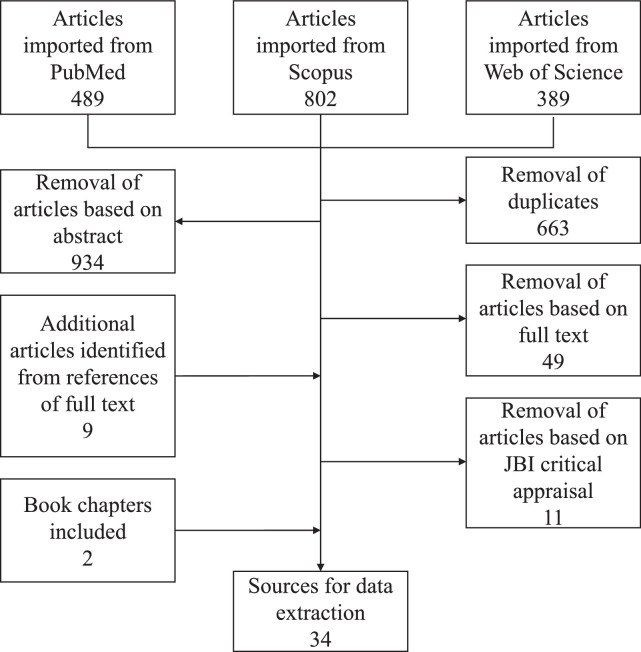
Extensive literature search strategies were conducted, interrogating PubMed, Scopus, and Web of Science, to locate relevant literature. Ultimately 34 studies reporting original data were included for analysis.
Findings showed that most data were outdated, and only 6 of 34 articles (18%) were published after 2010. There were few good studies with sound methodology and large, clearly defined population samples. Only a small proportion of countries worldwide (26/193 [13%]) have produced prevalence figures for OCA. By continent, African studies were disproportionately represented (15/34 [44%]). The highest prevalence rates (range, 1 in 22 to 1 in 1300; mean, 1 in 464) were reported in population isolates. The mean prevalence from four African countries was 1 in 4264 (range, 1 in 1755 to 1 in 7900). Prevalence for three countries in Europe (mean, 1 in 12,000; range, 1 in 10,000 to 1 in 15,000) may be underestimated, as the phenotype, in fair-skinned populations, may be missed or misdiagnosed as ocular albinism or isolated visual impairment. Population rates may vary depending on local cultural factors (e.g., consanguineous matings) and may change over time.
The prevalence of OCA varies widely between continents and population groups, and it is often influenced by local factors. It was not possible, therefore, to determine a single, generalizable worldwide prevalence rate for OCA, although continental rates for Africa and Europe are useful.
本系统评价旨在调查世界各地眼皮肤白化病(OCA)的流行病学可用数据,并确定是否可以提出一个可推广的全球患病率。
采用广泛的文献检索策略,检索 PubMed、Scopus 和 Web of Science,以查找相关文献。最终纳入 34 项报告原始数据的研究进行分析。
研究结果表明,大多数数据已经过时,只有 34 篇文章中的 6 篇(18%)是在 2010 年之后发表的。具有良好方法学和大型、明确界定人群样本的高质量研究很少。全世界只有少数国家(193 个国家中的 26 个[13%])为 OCA 制定了患病率数据。从各大洲来看,非洲的研究比例过高(34 篇文章中的 15 篇[44%])。在人群隔离区报告的患病率最高(范围为 1/22 至 1/1300;平均值为 1/464)。来自四个非洲国家的平均患病率为 1/4264(范围为 1/1755 至 1/7900)。欧洲三个国家的患病率(平均值为 1/12000;范围为 1/10000 至 1/15000)可能被低估了,因为在皮肤白皙的人群中,表型可能被忽视或误诊为眼部白化病或孤立性视力障碍。人口率可能因当地文化因素(例如,近亲交配)而有所不同,并且可能随时间而变化。
OCA 在各大洲和人群之间的患病率差异很大,并且通常受到当地因素的影响。因此,无法确定 OCA 的单一、可推广的全球患病率,尽管非洲和欧洲的大陆患病率很有用。