Dirpan Andi, Ainani Andi Fadiah, Djalal Muspirah
Department of Agricultural Technology, Faculty of Agriculture, Hasanuddin University, Makassar 90245, Indonesia.
Center of Excellence in Science and Technology on Food Product Diversification, Makassar 90245, Indonesia.
Polymers (Basel). 2023 Jun 22;15(13):2781. doi: 10.3390/polym15132781.
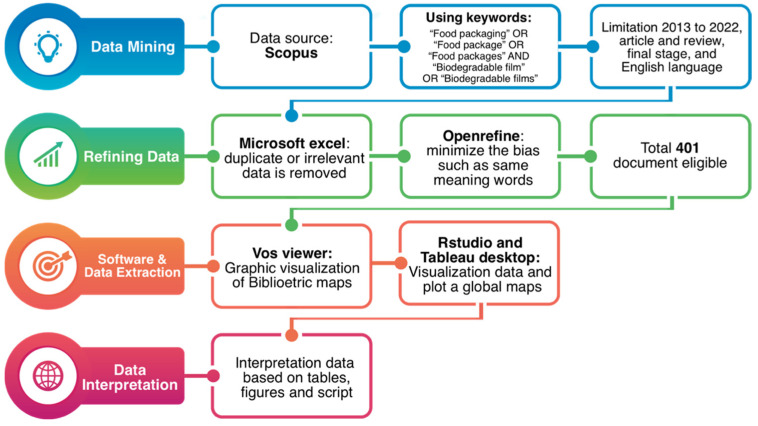
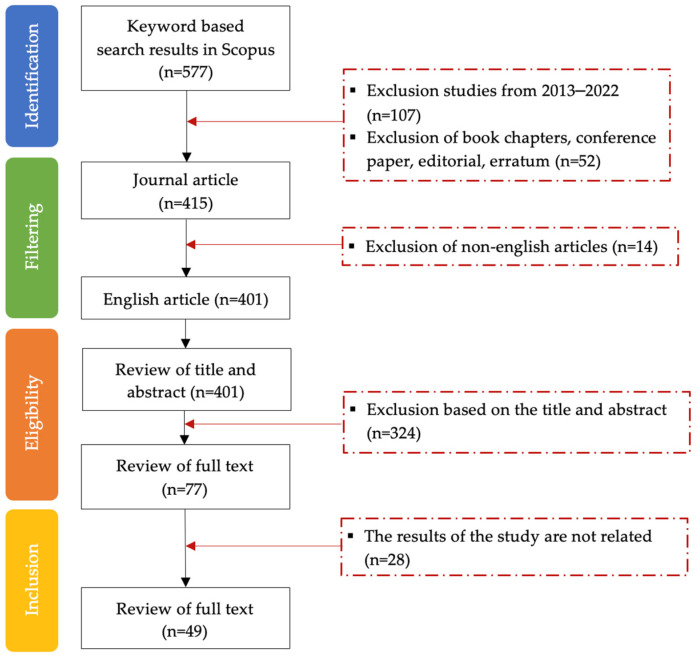
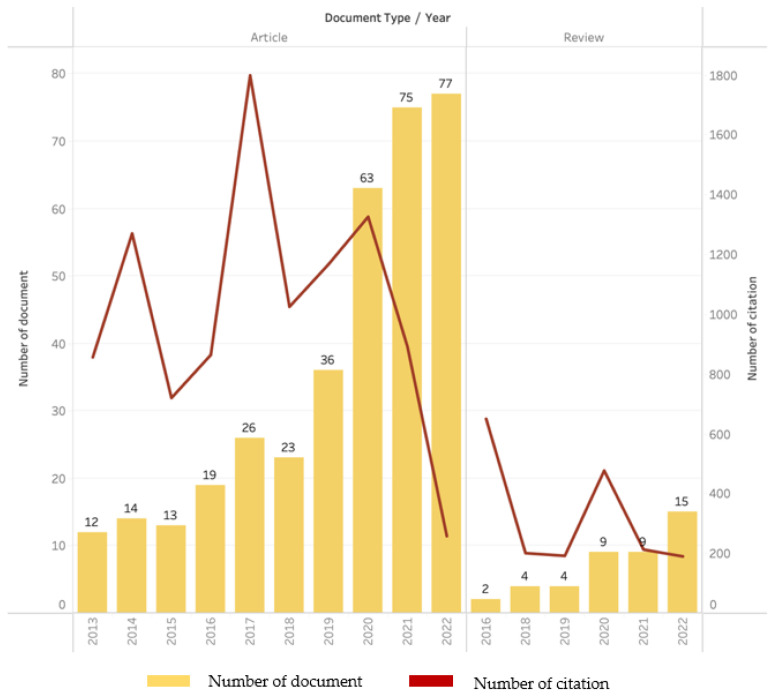
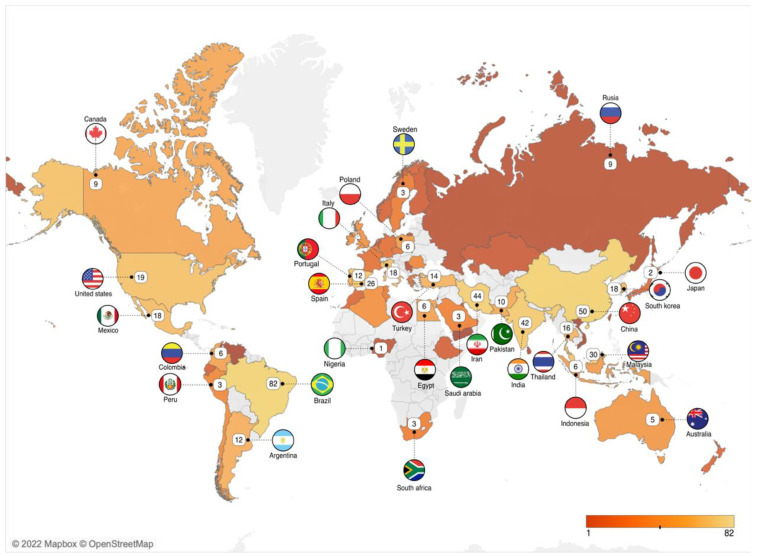
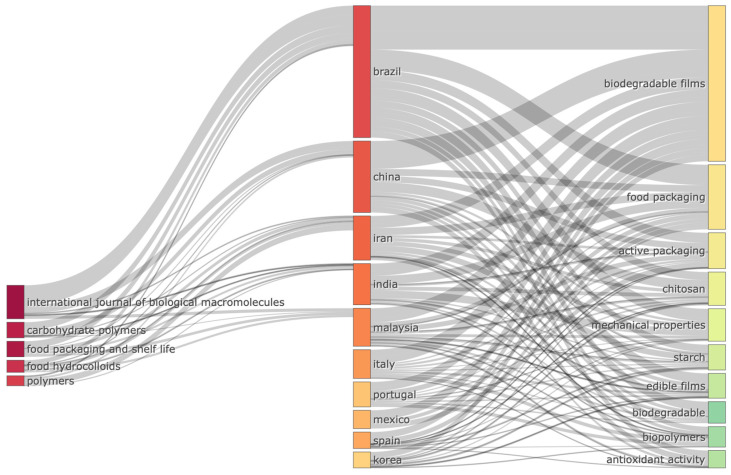
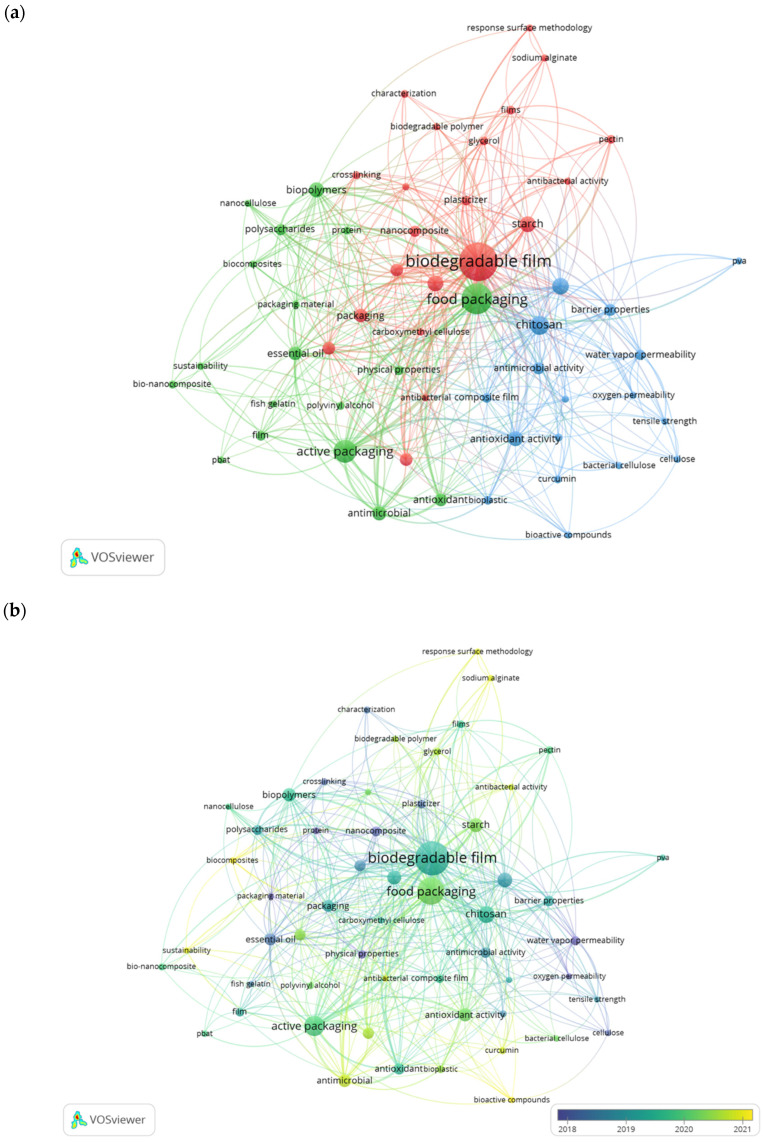
In recent years, much attention has been paid to the use of biopolymers as food packaging materials due to their important characteristics and properties. These include non-toxicity, ease of availability, biocompatibility, and biodegradability, indicating their potential as an alternative to conventional plastic packaging that has long been under environmental scrutiny. Given the current focus on sustainable development, it is imperative to develop studies on biopolymers as eco-friendly and sustainable food packaging materials. Therefore, the aim of this review is to explore trends and characteristics of biopolymer-based biodegradable films for food packaging, analyze the contribution of various journals and cooperation between countries, highlight the most influential authors and articles, and provide an overview of the social, environmental, and economic aspects of biodegradable films for food packaging. To achieve this goal, a bibliometric analysis and systematic review based on the PRISMA method were conducted. Relevant articles were carefully selected from the Scopus database. A bibliometric analysis was also conducted to discuss holistically, comprehensively, and objectively biodegradable films for food packaging. An increasing interest was found in this study, especially in the last 3 years with Brazil and China leading the number of papers on biodegradable films for food packaging, which were responsible for 20.4% and 12.5% of the published papers, respectively. The results of the keyword analysis based on the period revealed that the addition of bioactive compounds into packaging films is very promising because it can increase the quality and safety of packaged food. These results reveal that biodegradable films demonstrate a positive and promising trend as food packaging materials that are environmentally friendly and promote sustainability.
近年来,由于生物聚合物具有重要的特性和性能,其作为食品包装材料的应用受到了广泛关注。这些特性包括无毒、易于获取、生物相容性和可生物降解性,这表明它们有潜力替代长期受到环境审视的传统塑料包装。鉴于当前对可持续发展的关注,开展关于生物聚合物作为生态友好型和可持续食品包装材料的研究势在必行。因此,本综述的目的是探讨用于食品包装的生物聚合物基可生物降解薄膜的趋势和特性,分析各类期刊的贡献以及各国之间的合作情况,突出最具影响力的作者和文章,并概述食品包装用可生物降解薄膜的社会、环境和经济方面。为实现这一目标,基于PRISMA方法进行了文献计量分析和系统综述。从Scopus数据库中精心挑选了相关文章。还进行了文献计量分析,以全面、综合和客观地讨论食品包装用可生物降解薄膜。本研究发现人们对此的兴趣与日俱增,尤其是在过去三年中,巴西和中国在食品包装用可生物降解薄膜的论文数量方面领先,分别占已发表论文的20.4%和12.5%。基于该时期的关键词分析结果表明,在包装薄膜中添加生物活性化合物非常有前景,因为它可以提高包装食品的质量和安全性。这些结果表明,可生物降解薄膜作为环保且促进可持续性的食品包装材料呈现出积极且有前景的趋势。