• 文献检索
  • 文档翻译
  • 深度研究
  • 学术资讯
  • Suppr Zotero 插件Zotero 插件
  • 邀请有礼
  • 套餐&价格
  • 历史记录
应用&插件
Suppr Zotero 插件Zotero 插件浏览器插件Mac 客户端Windows 客户端微信小程序
定价
高级版会员购买积分包购买API积分包
服务
文献检索文档翻译深度研究API 文档MCP 服务
关于我们
关于 Suppr公司介绍联系我们用户协议隐私条款
关注我们

Suppr 超能文献

核心技术专利:CN118964589B侵权必究
粤ICP备2023148730 号-1Suppr @ 2026

文献检索

告别复杂PubMed语法,用中文像聊天一样搜索,搜遍4000万医学文献。AI智能推荐,让科研检索更轻松。

立即免费搜索

文件翻译

保留排版,准确专业,支持PDF/Word/PPT等文件格式,支持 12+语言互译。

免费翻译文档

深度研究

AI帮你快速写综述,25分钟生成高质量综述,智能提取关键信息,辅助科研写作。

立即免费体验

聚合物改性粘结层在老化混凝土路面上的评价:粘结性能的试验研究

Evaluation of the Polymer Modified Tack Coat on Aged Concrete Pavement: An Experimental Study on Adhesion Properties.

作者信息

Kim Kyungnam, Le Tri Ho Minh

机构信息

Department of Highway & Transportation Research, Korea Institute of Civil Engineering and Building Technology, 283 Goyangdae-Ro, Goyang-si 10223, Gyeonggi-Do, Republic of Korea.

Faculty of Civil Engineering, Nguyen Tat Thanh University, 300A Nguyen Tat Thanh Street, District 4, Ho Chi Minh City 70000, Vietnam.

出版信息

Polymers (Basel). 2023 Jun 27;15(13):2830. doi: 10.3390/polym15132830.

DOI:10.3390/polym15132830
PMID:37447475
原文链接:https://pmc.ncbi.nlm.nih.gov/articles/PMC10347202/
Abstract

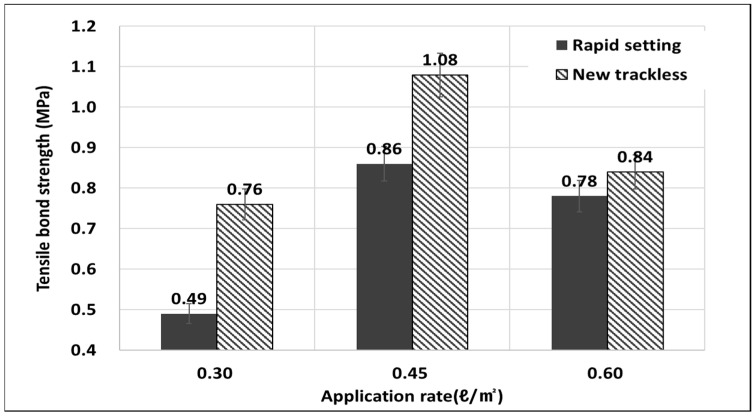
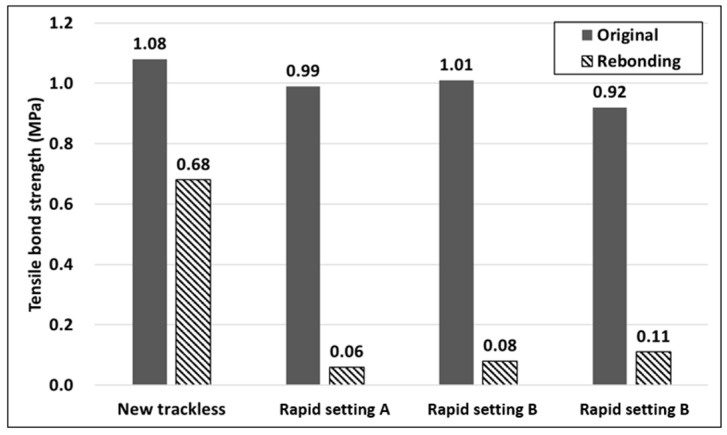
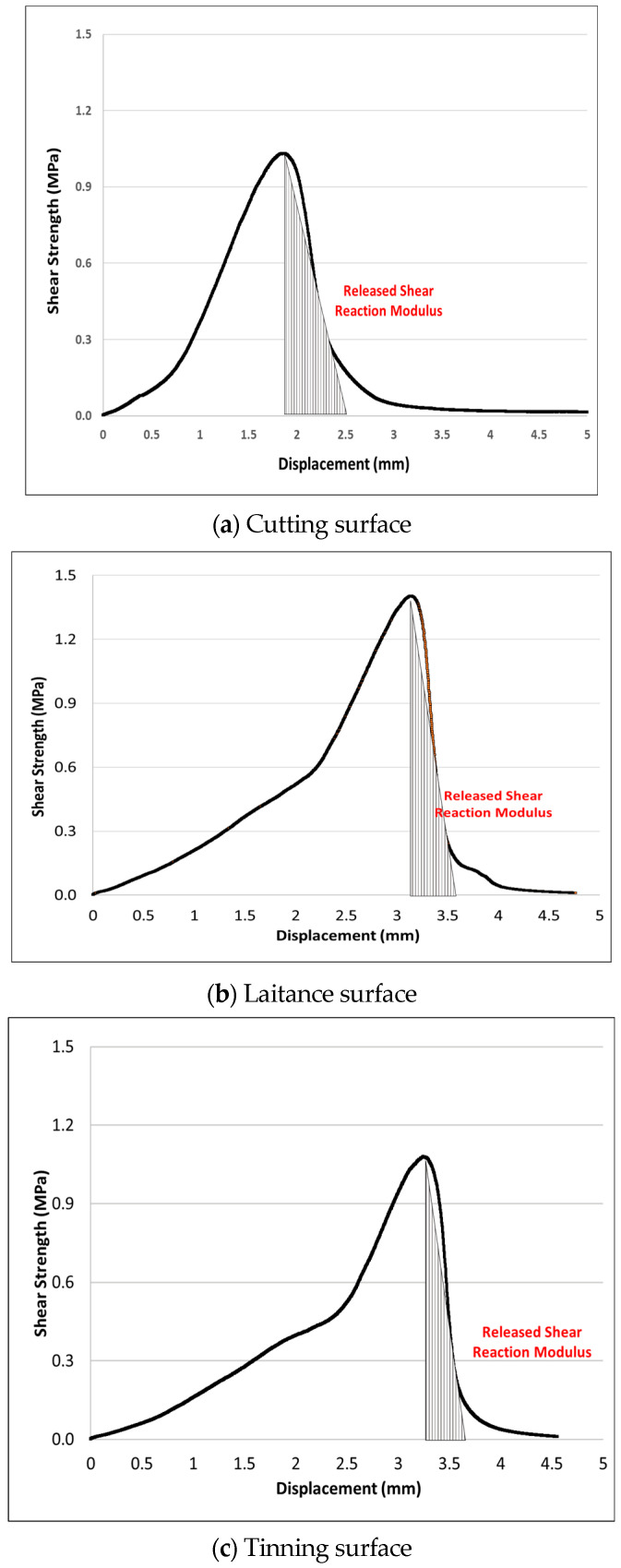
This study addresses the challenges of overlaying old concrete pavement with asphalt by introducing a new trackless tack coat material containing polymer. The aim is to enhance the durability of asphalt concrete overlay pavement on old cement concrete pavement. It contributes to the development of improved construction techniques for pavement rehabilitation and highlights the need for reliable adhesion performance evaluation based on different spray amounts and surface conditions. Additionally, to evaluate the effect of the adhesion performance based on the spraying amount, a tensile adhesion test was conducted by applying spray amounts of 0.30, 0.45, and 0.60 l/m on different surface conditions. The basic and adhesion performances of the polymer-modified tack coat material are evaluated through direct tensile and shear bond strength tests. The test outcomes demonstrated that the newly developed polymer-modified tack coat material had considerably greater adhesion strength compared to the traditional rapid-setting products. Its adhesive strength was 1.68 times higher on concrete and 1.78 times higher on asphalt. The new trackless tack coat material exhibited an adhesion performance of 1.05 MPa in direct tensile strength at 0.45 l/m, which was 1.21 times higher than the rapid-setting tack coat. Results also confirmed that the new tack coat material exhibits values 1.90 times greater than the conventional rapid-setting tack coat material in shear bond strength, respectively. By simulating the process of separation and re-adhesion of pavement layers caused, the new tack coat material shows a tensile adhesion strength of 63% of the original state, which is advantageous for securing the durability of the pavement. Overall, the newly developed polymer-modified trackless tack coat has been shown to effectively enhance the adhesion performance between pavement layers without process delay, highlighting the potential of the new tack coat material to enhance the durability of asphalt concrete overlay pavement on old cement concrete pavement.

摘要

本研究通过引入一种含聚合物的新型无轨粘结层材料,来应对旧水泥混凝土路面加铺沥青所面临的挑战。目的是提高旧水泥混凝土路面上沥青混凝土加铺层路面的耐久性。它有助于改进路面修复施工技术的发展,并突出了基于不同喷洒量和表面状况进行可靠粘结性能评估的必要性。此外,为了评估基于喷洒量的粘结性能效果,在不同表面状况下分别以0.30、0.45和0.60 l/m的喷洒量进行了拉伸粘结试验。通过直接拉伸和剪切粘结强度试验对聚合物改性粘结层材料的基本性能和粘结性能进行了评估。试验结果表明,新开发的聚合物改性粘结层材料相比传统速凝产品具有显著更高的粘结强度。其在混凝土上的粘结强度高1.68倍,在沥青上高1.78倍。新型无轨粘结层材料在0.45 l/m的喷洒量下直接拉伸强度的粘结性能为1.05 MPa,比速凝粘结层高1.21倍。结果还证实,新型粘结层材料的剪切粘结强度值分别比传统速凝粘结层材料高1.90倍。通过模拟路面层间分离和重新粘结的过程,新型粘结层材料的拉伸粘结强度为原始状态的63%,这有利于确保路面的耐久性。总体而言,新开发的聚合物改性无轨粘结层已被证明能有效提高路面层间的粘结性能且无工艺延迟,突出了新型粘结层材料提高旧水泥混凝土路面上沥青混凝土加铺层路面耐久性的潜力。

https://cdn.ncbi.nlm.nih.gov/pmc/blobs/a8c5/10347202/ae13c4a343ca/polymers-15-02830-g024.jpg
https://cdn.ncbi.nlm.nih.gov/pmc/blobs/a8c5/10347202/f748ae8edfd4/polymers-15-02830-g001.jpg
https://cdn.ncbi.nlm.nih.gov/pmc/blobs/a8c5/10347202/8e7b652a116d/polymers-15-02830-g002.jpg
https://cdn.ncbi.nlm.nih.gov/pmc/blobs/a8c5/10347202/bd82e1aa3bc2/polymers-15-02830-g003.jpg
https://cdn.ncbi.nlm.nih.gov/pmc/blobs/a8c5/10347202/50658d9a5353/polymers-15-02830-g004.jpg
https://cdn.ncbi.nlm.nih.gov/pmc/blobs/a8c5/10347202/d2cb42a64d70/polymers-15-02830-g005.jpg
https://cdn.ncbi.nlm.nih.gov/pmc/blobs/a8c5/10347202/311afa31d54e/polymers-15-02830-g006.jpg
https://cdn.ncbi.nlm.nih.gov/pmc/blobs/a8c5/10347202/1b81c812c543/polymers-15-02830-g007.jpg
https://cdn.ncbi.nlm.nih.gov/pmc/blobs/a8c5/10347202/b1ac85af6ebc/polymers-15-02830-g008a.jpg
https://cdn.ncbi.nlm.nih.gov/pmc/blobs/a8c5/10347202/879d673b71c4/polymers-15-02830-g009.jpg
https://cdn.ncbi.nlm.nih.gov/pmc/blobs/a8c5/10347202/8efd70e571e7/polymers-15-02830-g010.jpg
https://cdn.ncbi.nlm.nih.gov/pmc/blobs/a8c5/10347202/1d3e8a91ab1f/polymers-15-02830-g011.jpg
https://cdn.ncbi.nlm.nih.gov/pmc/blobs/a8c5/10347202/298eda1c140a/polymers-15-02830-g012.jpg
https://cdn.ncbi.nlm.nih.gov/pmc/blobs/a8c5/10347202/2a552ef7c5a9/polymers-15-02830-g013.jpg
https://cdn.ncbi.nlm.nih.gov/pmc/blobs/a8c5/10347202/b36ed3b2d253/polymers-15-02830-g014.jpg
https://cdn.ncbi.nlm.nih.gov/pmc/blobs/a8c5/10347202/e1e0cd3aea66/polymers-15-02830-g015.jpg
https://cdn.ncbi.nlm.nih.gov/pmc/blobs/a8c5/10347202/15d5167726aa/polymers-15-02830-g016.jpg
https://cdn.ncbi.nlm.nih.gov/pmc/blobs/a8c5/10347202/5ba9d092043c/polymers-15-02830-g017.jpg
https://cdn.ncbi.nlm.nih.gov/pmc/blobs/a8c5/10347202/b65fe4d26c30/polymers-15-02830-g018.jpg
https://cdn.ncbi.nlm.nih.gov/pmc/blobs/a8c5/10347202/cb586fc34a7d/polymers-15-02830-g019.jpg
https://cdn.ncbi.nlm.nih.gov/pmc/blobs/a8c5/10347202/9bcc3c0fce90/polymers-15-02830-g020.jpg
https://cdn.ncbi.nlm.nih.gov/pmc/blobs/a8c5/10347202/f99879a10e7a/polymers-15-02830-g021.jpg
https://cdn.ncbi.nlm.nih.gov/pmc/blobs/a8c5/10347202/685ee1ef8d47/polymers-15-02830-g022.jpg
https://cdn.ncbi.nlm.nih.gov/pmc/blobs/a8c5/10347202/f858e6230fca/polymers-15-02830-g023.jpg
https://cdn.ncbi.nlm.nih.gov/pmc/blobs/a8c5/10347202/ae13c4a343ca/polymers-15-02830-g024.jpg
https://cdn.ncbi.nlm.nih.gov/pmc/blobs/a8c5/10347202/f748ae8edfd4/polymers-15-02830-g001.jpg
https://cdn.ncbi.nlm.nih.gov/pmc/blobs/a8c5/10347202/8e7b652a116d/polymers-15-02830-g002.jpg
https://cdn.ncbi.nlm.nih.gov/pmc/blobs/a8c5/10347202/bd82e1aa3bc2/polymers-15-02830-g003.jpg
https://cdn.ncbi.nlm.nih.gov/pmc/blobs/a8c5/10347202/50658d9a5353/polymers-15-02830-g004.jpg
https://cdn.ncbi.nlm.nih.gov/pmc/blobs/a8c5/10347202/d2cb42a64d70/polymers-15-02830-g005.jpg
https://cdn.ncbi.nlm.nih.gov/pmc/blobs/a8c5/10347202/311afa31d54e/polymers-15-02830-g006.jpg
https://cdn.ncbi.nlm.nih.gov/pmc/blobs/a8c5/10347202/1b81c812c543/polymers-15-02830-g007.jpg
https://cdn.ncbi.nlm.nih.gov/pmc/blobs/a8c5/10347202/b1ac85af6ebc/polymers-15-02830-g008a.jpg
https://cdn.ncbi.nlm.nih.gov/pmc/blobs/a8c5/10347202/879d673b71c4/polymers-15-02830-g009.jpg
https://cdn.ncbi.nlm.nih.gov/pmc/blobs/a8c5/10347202/8efd70e571e7/polymers-15-02830-g010.jpg
https://cdn.ncbi.nlm.nih.gov/pmc/blobs/a8c5/10347202/1d3e8a91ab1f/polymers-15-02830-g011.jpg
https://cdn.ncbi.nlm.nih.gov/pmc/blobs/a8c5/10347202/298eda1c140a/polymers-15-02830-g012.jpg
https://cdn.ncbi.nlm.nih.gov/pmc/blobs/a8c5/10347202/2a552ef7c5a9/polymers-15-02830-g013.jpg
https://cdn.ncbi.nlm.nih.gov/pmc/blobs/a8c5/10347202/b36ed3b2d253/polymers-15-02830-g014.jpg
https://cdn.ncbi.nlm.nih.gov/pmc/blobs/a8c5/10347202/e1e0cd3aea66/polymers-15-02830-g015.jpg
https://cdn.ncbi.nlm.nih.gov/pmc/blobs/a8c5/10347202/15d5167726aa/polymers-15-02830-g016.jpg
https://cdn.ncbi.nlm.nih.gov/pmc/blobs/a8c5/10347202/5ba9d092043c/polymers-15-02830-g017.jpg
https://cdn.ncbi.nlm.nih.gov/pmc/blobs/a8c5/10347202/b65fe4d26c30/polymers-15-02830-g018.jpg
https://cdn.ncbi.nlm.nih.gov/pmc/blobs/a8c5/10347202/cb586fc34a7d/polymers-15-02830-g019.jpg
https://cdn.ncbi.nlm.nih.gov/pmc/blobs/a8c5/10347202/9bcc3c0fce90/polymers-15-02830-g020.jpg
https://cdn.ncbi.nlm.nih.gov/pmc/blobs/a8c5/10347202/f99879a10e7a/polymers-15-02830-g021.jpg
https://cdn.ncbi.nlm.nih.gov/pmc/blobs/a8c5/10347202/685ee1ef8d47/polymers-15-02830-g022.jpg
https://cdn.ncbi.nlm.nih.gov/pmc/blobs/a8c5/10347202/f858e6230fca/polymers-15-02830-g023.jpg
https://cdn.ncbi.nlm.nih.gov/pmc/blobs/a8c5/10347202/ae13c4a343ca/polymers-15-02830-g024.jpg

相似文献

1
Evaluation of the Polymer Modified Tack Coat on Aged Concrete Pavement: An Experimental Study on Adhesion Properties.聚合物改性粘结层在老化混凝土路面上的评价:粘结性能的试验研究
Polymers (Basel). 2023 Jun 27;15(13):2830. doi: 10.3390/polym15132830.
2
Thickness ranges calculation method of double asphalt overlay on concrete pavement.混凝土路面双层沥青罩面厚度范围计算方法
Sci Rep. 2024 Feb 28;14(1):4939. doi: 10.1038/s41598-024-54827-x.
3
Interlaminar Bonding Properties on Cement Concrete Deck and Phosphorous Slag Asphalt Pavement.水泥混凝土桥面与磷渣沥青路面的层间粘结性能
Materials (Basel). 2019 May 1;12(9):1427. doi: 10.3390/ma12091427.
4
Interface Behavior of Asphalt Pavements Constructed by Conventional and Double-Decked Paving Methods.采用传统和双层摊铺方法建造的沥青路面的界面行为
Materials (Basel). 2020 Mar 17;13(6):1351. doi: 10.3390/ma13061351.
5
Advancing Sustainability and Performance with Crushed Bottom Ash as Filler in Polymer-Modified Asphalt Concrete Mixtures.以破碎底灰作为聚合物改性沥青混凝土混合料的填料推进可持续性与性能提升。
Polymers (Basel). 2024 Jun 13;16(12):1683. doi: 10.3390/polym16121683.
6
An Experimental Study on Properties of Pre-Coated Aggregates Grouting Asphalt Concrete for Bridge Deck Pavement.桥面铺装预拌碎石灌浆沥青混凝土性能试验研究
Materials (Basel). 2021 Sep 15;14(18):5323. doi: 10.3390/ma14185323.
7
Reconstruction of Asphalt Pavements with Crumb Rubber Modified Asphalt Mixture in Cold Region: Material Characterization, Construction, and Performance.寒区橡胶粉改性沥青混合料沥青路面修复:材料特性、施工与性能
Materials (Basel). 2023 Feb 24;16(5):1874. doi: 10.3390/ma16051874.
8
Mechanical and Permeability Characteristics of Latex-Modified Pre-Packed Pavement Repair Concrete as a Function of the Rapid-Set Binder Content.作为速凝粘结剂含量函数的乳胶改性预填路面修补混凝土的力学和渗透特性
Materials (Basel). 2015 Oct 1;8(10):6728-6737. doi: 10.3390/ma8105339.
9
Interlayer Shear Characteristics of Bridge Deck Pavement through Experimental and Numerical Analysis.基于试验与数值分析的桥面铺装层间剪切特性
Materials (Basel). 2022 Oct 9;15(19):7001. doi: 10.3390/ma15197001.
10
Effect of Steel Slag Aggregate on Pavement and Flame-Retardant Performance of Warm-Mixed Flame-Retardant Asphalt Concrete.钢渣集料对温拌阻燃沥青混凝土路用性能及阻燃性能的影响
Materials (Basel). 2021 Jan 29;14(3):635. doi: 10.3390/ma14030635.

引用本文的文献

1
Investigation of fiber Bragg grating sensor measurability in concrete beams under static load conditions.静态荷载条件下混凝土梁中光纤布拉格光栅传感器可测性的研究。
Heliyon. 2024 Nov 2;10(22):e40105. doi: 10.1016/j.heliyon.2024.e40105. eCollection 2024 Nov 30.
2
Evaluation of Bond Strength of Concrete Repaired Using Polyurethane Grout Material under Static and Impact Loads Coupled with Statistical Analysis.聚氨酯灌浆材料修复混凝土在静载和冲击载荷作用下的粘结强度评估及统计分析
Polymers (Basel). 2024 Sep 26;16(19):2729. doi: 10.3390/polym16192729.
3
Development of Plug Joint with Polymer-Modified Rubber Asphalt as Filling Material.

本文引用的文献

1
Effects of Bitumen Thickness on the Aging Behavior of High-Content Polymer-Modified Asphalt Mixture.沥青厚度对高含量聚合物改性沥青混合料老化行为的影响
Polymers (Basel). 2023 May 16;15(10):2325. doi: 10.3390/polym15102325.
2
Study on the Low-Temperature Pre-Desulfurization of Crumb Rubber-Modified Asphalt.胶粉改性沥青低温预脱硫研究
Polymers (Basel). 2023 May 11;15(10):2273. doi: 10.3390/polym15102273.
3
Rheological and Aging Properties of Vegetable Oil-Based Polyurethane (V-PU) Modified Asphalt.植物油基聚氨酯(V-PU)改性沥青的流变性能和老化特性
以聚合物改性橡胶沥青为填充材料的嵌塞接头的开发。
Polymers (Basel). 2023 Oct 29;15(21):4256. doi: 10.3390/polym15214256.
Polymers (Basel). 2023 Apr 30;15(9):2158. doi: 10.3390/polym15092158.
4
Multi-Objective Optimization of Epoxy Resin Adhesive for Pavement Toughened by Self-Made Toughening Agent.自制增韧剂增韧路面用环氧树脂胶粘剂的多目标优化
Polymers (Basel). 2023 Apr 19;15(8):1946. doi: 10.3390/polym15081946.
5
Applications of Synthetic, Natural, and Waste Fibers in Asphalt Mixtures: A Citation-Based Review.合成纤维、天然纤维及废弃纤维在沥青混合料中的应用:基于文献引用的综述
Polymers (Basel). 2023 Feb 17;15(4):1004. doi: 10.3390/polym15041004.
6
Effect of Vegetable Oil on the Properties of Asphalt Binder Modified with High Density Polyethylene.植物油对高密度聚乙烯改性沥青结合料性能的影响
Polymers (Basel). 2023 Feb 1;15(3):749. doi: 10.3390/polym15030749.
7
Temperature and Aging Effects on the Rheological Properties and Performance of Geopolymer-Modified Asphalt Binder and Mixtures.温度和老化对地质聚合物改性沥青结合料及混合料流变性能和路用性能的影响。
Materials (Basel). 2023 Jan 22;16(3):1012. doi: 10.3390/ma16031012.
8
Effect of Fiber Reinforcement on Creep and Recovery Behavior of Cement-Emulsified Asphalt Binder.纤维增强对水泥乳化沥青结合料蠕变及恢复性能的影响
Materials (Basel). 2022 Oct 24;15(21):7451. doi: 10.3390/ma15217451.
9
Rutting Behaviour of Geopolymer and Styrene Butadiene Styrene-Modified Asphalt Binder.地质聚合物与苯乙烯丁二烯苯乙烯改性沥青结合料的车辙行为
Polymers (Basel). 2022 Jul 7;14(14):2780. doi: 10.3390/polym14142780.
10
Modification Mechanism and Rheological Properties of Emulsified Asphalt Evaporative Residues Reinforced by Coupling-Modified Fiber.偶联改性纤维增强乳化沥青蒸发残留物的改性机理及流变性能
Materials (Basel). 2021 Nov 30;14(23):7363. doi: 10.3390/ma14237363.