Xing Zhihao, Zhang Yuchao, Tian Zhongyuan, Wang Meng, Xiao Weiwei, Zhu Chunqing, Zhao Songhui, Zhu Yufei, Hu Landian, Kong Xiangyin
Clinical Laboratory, Institute of Pediatrics, Shenzhen Children's' Hospital, Shenzhen, China.
CAS Key Laboratory of Tissue Microenvironment and Tumor, Shanghai Institute of Nutrition and Health, University of Chinese Academy of Sciences, Chinese Academy of Sciences, China.
Heliyon. 2023 Jun 27;9(7):e17721. doi: 10.1016/j.heliyon.2023.e17721. eCollection 2023 Jul.
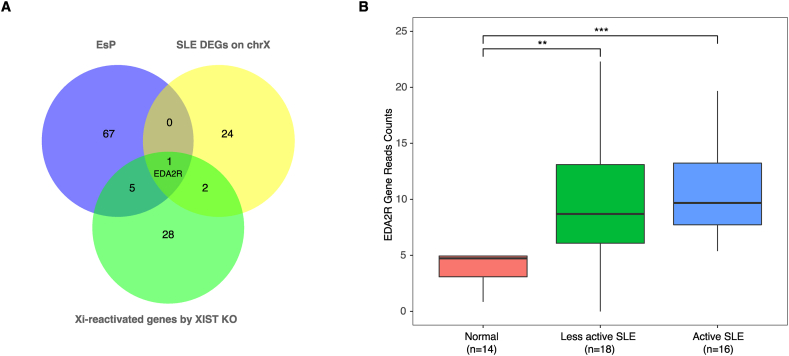
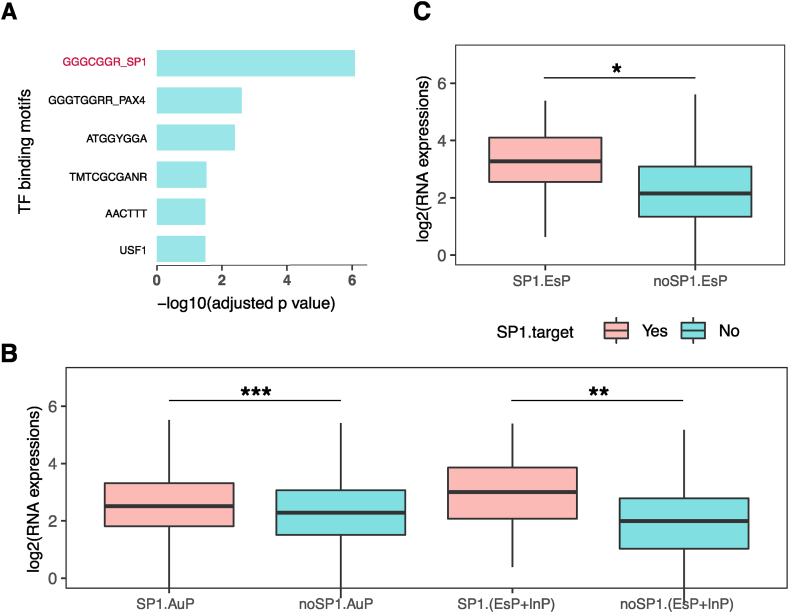
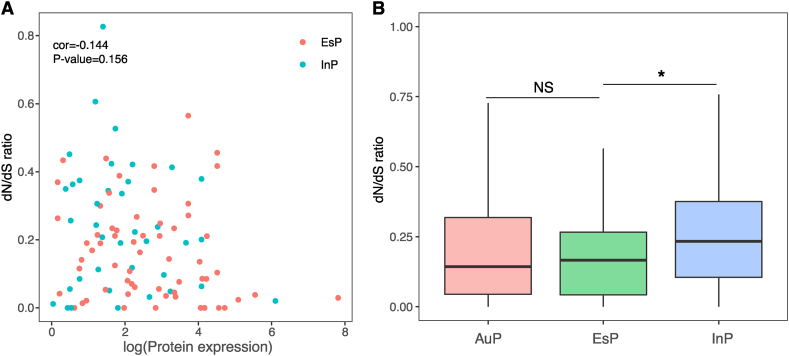
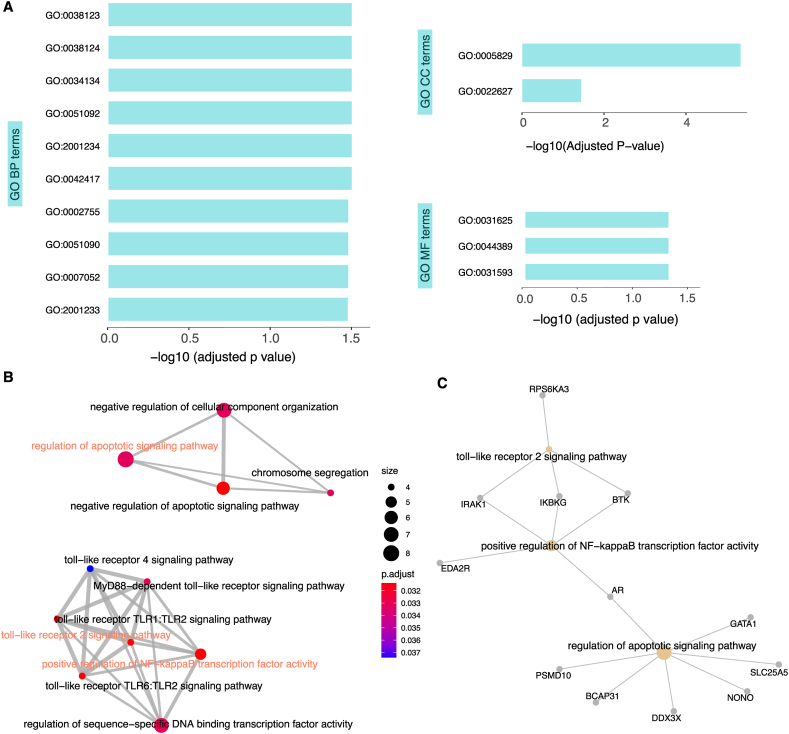
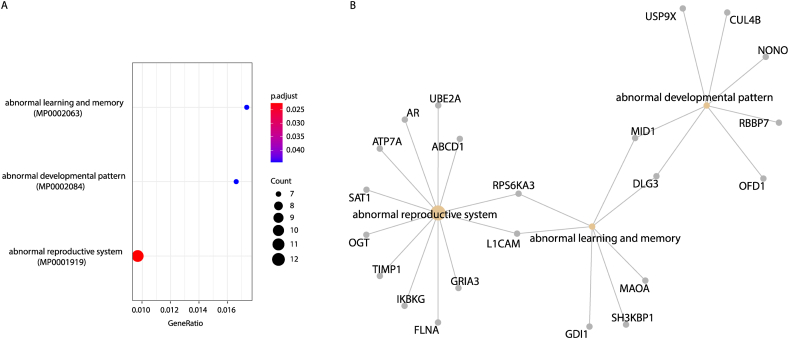
X chromosome dosage compensation (XDC) refers to the process by which X-linked genes acquire expression equivalence between two sexes. Ohno proposed that XDC is achieved by two-fold upregulations of X-linked genes in both sexes and by silencing one X chromosome (X chromosome inactivation, XCI) in females. However, genes subject to two-fold upregulations as well as the underlying mechanism remain unclear. It's reported that gene dosage changes may only affect X-linked dosage-sensitive genes, such as protein complex coding genes (PCGs). Our results showed that in human PCGs are more likely to escape XCI and escaping PCGs (EsP) show two-fold higher expression than inactivated PCGs (InP) or other X-linked genes at RNA and protein levels in both sexes, which suggest that EsP may achieve upregulations and XDC. The higher expressions of EsP possibly result from the upregulations of the single active X chromosome (Xa), rather than escaping expressions from the inactive X chromosome (Xi). EsP genes have relatively high expression levels in humans and lower dN/dS ratios, suggesting that they are likely under stronger selection pressure over evolutionary time. Our study also suggests that SP1 transcription factor is significantly enriched in EsP and may be involved in the up-regulations of EsP on the active X. Finally, human EsP genes in this study are enriched in the toll-like receptor pathway, NF-kB pathway, apoptotic pathway, and abnormal mental, developmental and reproductive phenotypes. These findings suggest misregulations of EsP may be involved in autoimmune, reproductive, and neurological diseases, providing insight for the diagnosis and treatment of these diseases.
X染色体剂量补偿(XDC)是指X连锁基因在两性之间实现表达等效的过程。大野提出,XDC是通过两性中X连锁基因的两倍上调以及雌性中一条X染色体的沉默(X染色体失活,XCI)来实现的。然而,经历两倍上调的基因及其潜在机制仍不清楚。据报道,基因剂量变化可能仅影响X连锁的剂量敏感基因,如蛋白质复合体编码基因(PCG)。我们的结果表明,在人类中,PCG更有可能逃避XCI,并且在两性的RNA和蛋白质水平上,逃避PCG(EsP)的表达比失活PCG(InP)或其他X连锁基因高两倍,这表明EsP可能实现上调和XDC。EsP的较高表达可能是由于单条活性X染色体(Xa)的上调,而不是来自失活X染色体(Xi)的逃避表达。EsP基因在人类中具有相对较高的表达水平和较低的dN/dS比率,表明它们在进化时间内可能受到更强的选择压力。我们的研究还表明,SP1转录因子在EsP中显著富集,可能参与活性X上EsP的上调。最后,本研究中的人类EsP基因在Toll样受体途径、NF-κB途径、凋亡途径以及异常的精神、发育和生殖表型中富集。这些发现表明,EsP的调控异常可能与自身免疫性、生殖和神经疾病有关,为这些疾病的诊断和治疗提供了思路。