Department of Horticultural Science, North Carolina State University, Raleigh, NC, 27695, USA.
Plants for Human Health Institute, North Carolina State University, Kannapolis, NC, 28081, USA.
Sci Rep. 2023 Jul 18;13(1):11605. doi: 10.1038/s41598-023-38907-y.
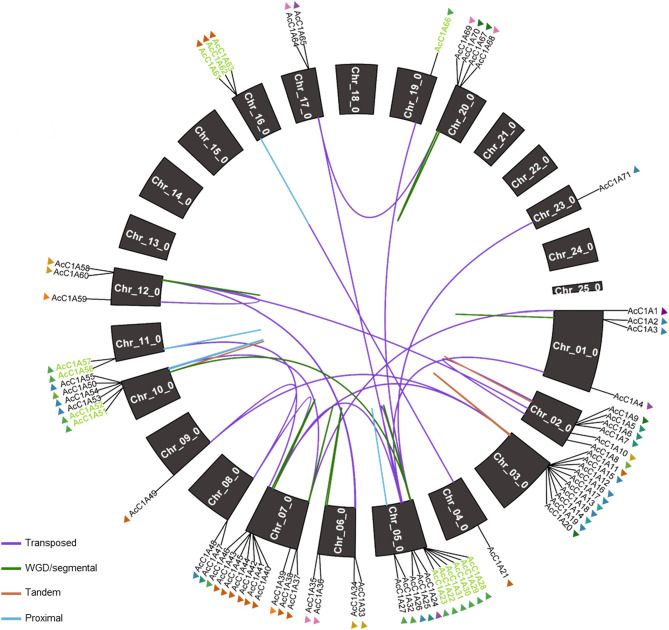
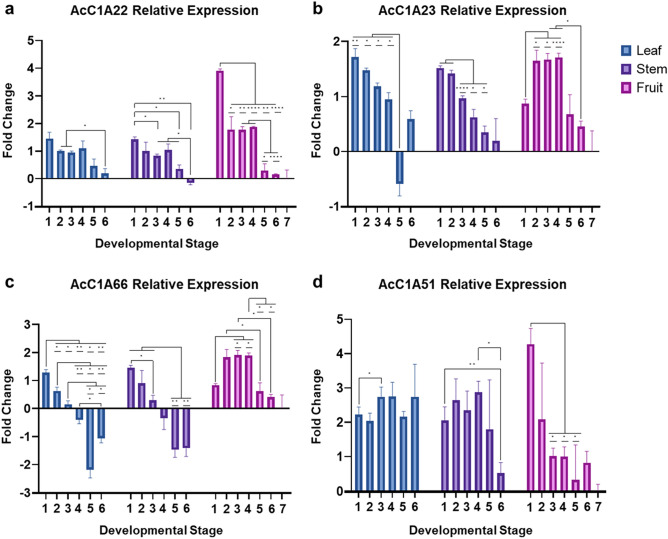
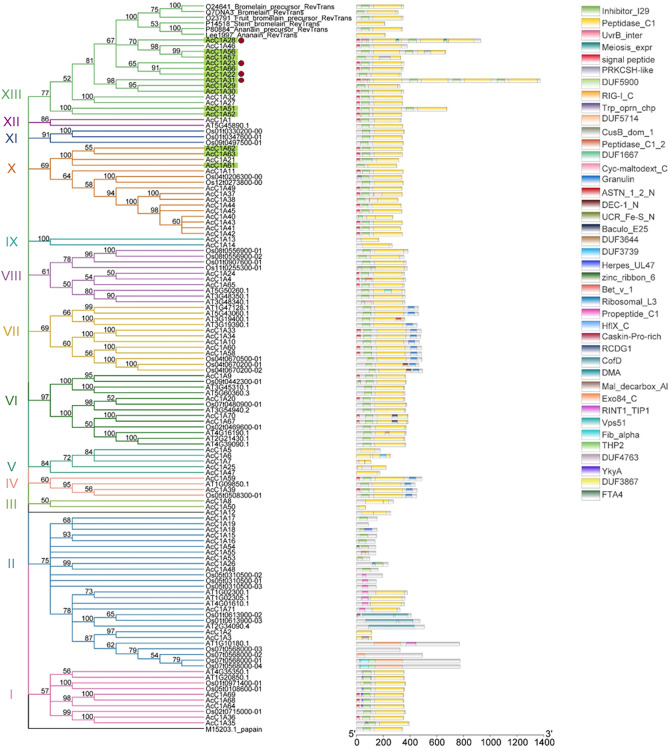
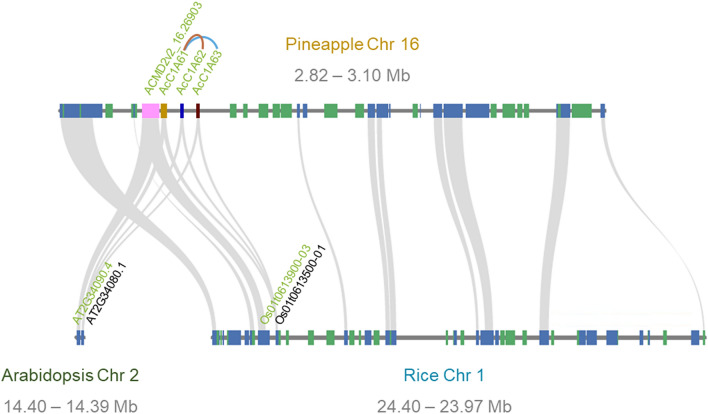
Papain (aka C1A) family proteases, including bromelain enzymes, are widespread across the plant kingdom and play critical regulatory functions in protein turnover during development. The proteolytic activity exhibited by papain family proteases has led to their increased usage for a wide range of cosmetic, therapeutic, and medicinal purposes. Bromelain enzymes, or bromelains in short, are members of the papain family that are specific to the bromeliad plant family. The only major commercial extraction source of bromelain is pineapple. The importance of C1A family and bromelain subfamily proteases in pineapple development and their increasing economic importance led several researchers to utilize available genomic resources to identify protease-encoding genes in the pineapple genome. To date, studies are lacking in screening bromelain genes for targeted use in applied science studies. In addition, the bromelain genes coding for the enzymes present in commercially available bromelain products have not been identified and their evolutionary origin has remained unclear. Here, using the newly developed MD2 v2 pineapple genome, we aimed to identify bromelain-encoding genes and elucidate their evolutionary origin. Orthologous and phylogenetic analyses of all papain-family proteases encoded in the pineapple genome revealed a single orthogroup (189) and phylogenetic clade (XIII) containing the bromelain subfamily. Duplication mode and synteny analyses provided insight into the origin and expansion of the bromelain subfamily in pineapple. Proteomic analysis identified four bromelain enzymes present in two commercially available bromelain products derived from pineapple stem, corresponding to products of four putative bromelain genes. Gene expression analysis using publicly available transcriptome data showed that 31 papain-family genes identified in this study were up-regulated in specific tissues, including stem, fruit, and floral tissues. Some of these genes had higher expression in earlier developmental stages of different tissues. Similar expression patterns were identified by RT-qPCR analysis with leaf, stem, and fruit. Our results provide a strong foundation for future applicable studies on bromelain, such as transgenic approaches to increase bromelain content in pineapple, development of bromelain-producing bioreactors, and studies that aim to determine the medicinal and/or therapeutic viability of individual bromelain enzymes.
木瓜蛋白酶(又名 C1A)家族蛋白酶广泛存在于植物界,在发育过程中的蛋白质周转中发挥着关键的调节作用。木瓜蛋白酶家族蛋白酶的蛋白水解活性导致它们在广泛的化妆品、治疗和药用目的中得到了更多的应用。菠萝蛋白酶酶,简称菠萝蛋白酶,是特定于凤梨科植物家族的木瓜蛋白酶家族的成员。菠萝蛋白酶的主要商业提取来源是菠萝。C1A 家族和菠萝蛋白酶亚家族蛋白酶在菠萝发育中的重要性及其日益增加的经济重要性促使一些研究人员利用可用的基因组资源来鉴定菠萝基因组中的蛋白酶编码基因。迄今为止,在应用科学研究中针对特定用途筛选菠萝蛋白酶基因的研究还很缺乏。此外,商业上可用的菠萝蛋白酶产品中存在的酶的菠萝蛋白酶基因尚未被鉴定,其进化起源仍不清楚。在这里,我们使用新开发的 MD2 v2 菠萝基因组,旨在鉴定菠萝蛋白酶编码基因并阐明其进化起源。菠萝基因组中所有木瓜蛋白酶家族蛋白酶的直系同源和系统发育分析揭示了一个单一的直系同源群(189)和系统发育分支(XIII),其中包含菠萝蛋白酶亚家族。复制模式和共线性分析提供了菠萝蛋白酶亚家族起源和扩张的深入了解。蛋白质组分析鉴定了两种商业上可从菠萝茎获得的菠萝蛋白酶产品中存在的四种菠萝蛋白酶酶,对应于四种推测的菠萝蛋白酶基因的产物。使用公开的转录组数据进行基因表达分析表明,本研究中鉴定的 31 种木瓜蛋白酶家族基因在特定组织中上调,包括茎、果实和花组织。这些基因中的一些在不同组织的早期发育阶段表达更高。RT-qPCR 分析也在叶片、茎和果实中鉴定到类似的表达模式。我们的研究结果为菠萝蛋白酶的未来应用研究提供了坚实的基础,例如通过转基因方法提高菠萝中的菠萝蛋白酶含量、开发生产菠萝蛋白酶的生物反应器,以及研究旨在确定个别菠萝蛋白酶酶的药用和/或治疗可行性的研究。