Basallo Orio, Perez Lucia, Lucido Abel, Sorribas Albert, Marin-Saguino Alberto, Vilaprinyo Ester, Perez-Fons Laura, Albacete Alfonso, Martínez-Andújar Cristina, Fraser Paul D, Christou Paul, Capell Teresa, Alves Rui
Systems Biology Group, Department Ciències Mèdiques Bàsiques, Faculty of Medicine, Universitat de Lleida, Lleida, Spain.
Institut de Recerca Biomedica de Lleida (IRBLleida), Lleida, Spain.
Front Plant Sci. 2023 Jul 3;14:1133299. doi: 10.3389/fpls.2023.1133299. eCollection 2023.
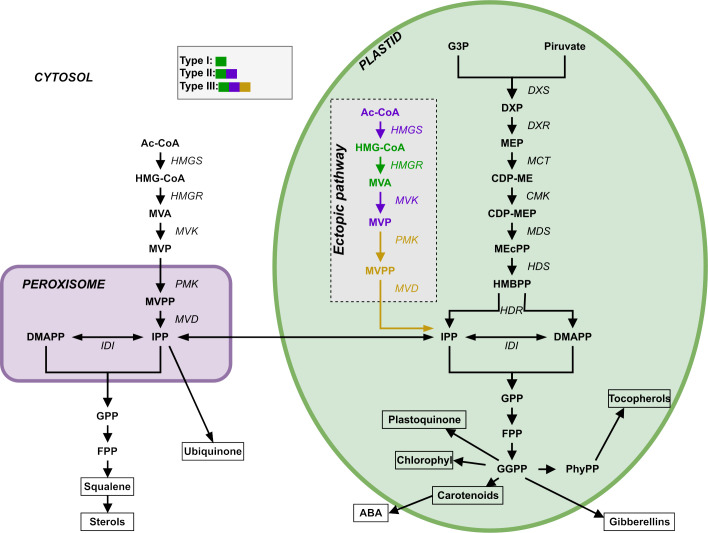
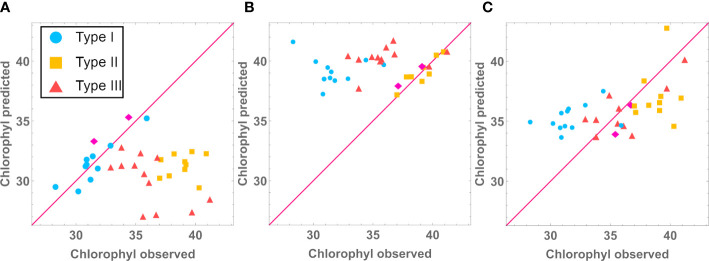
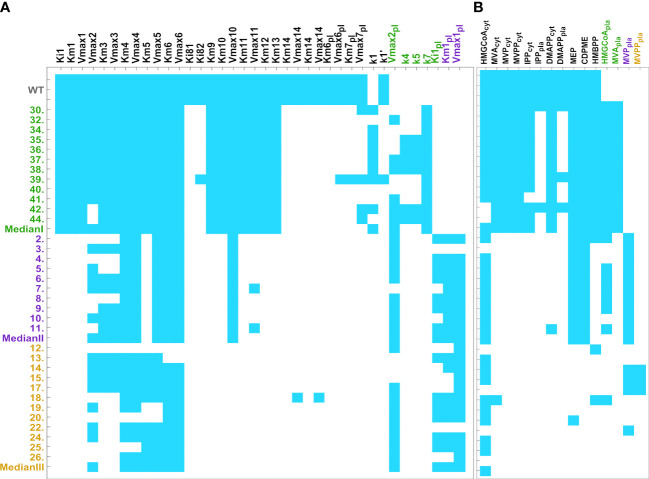
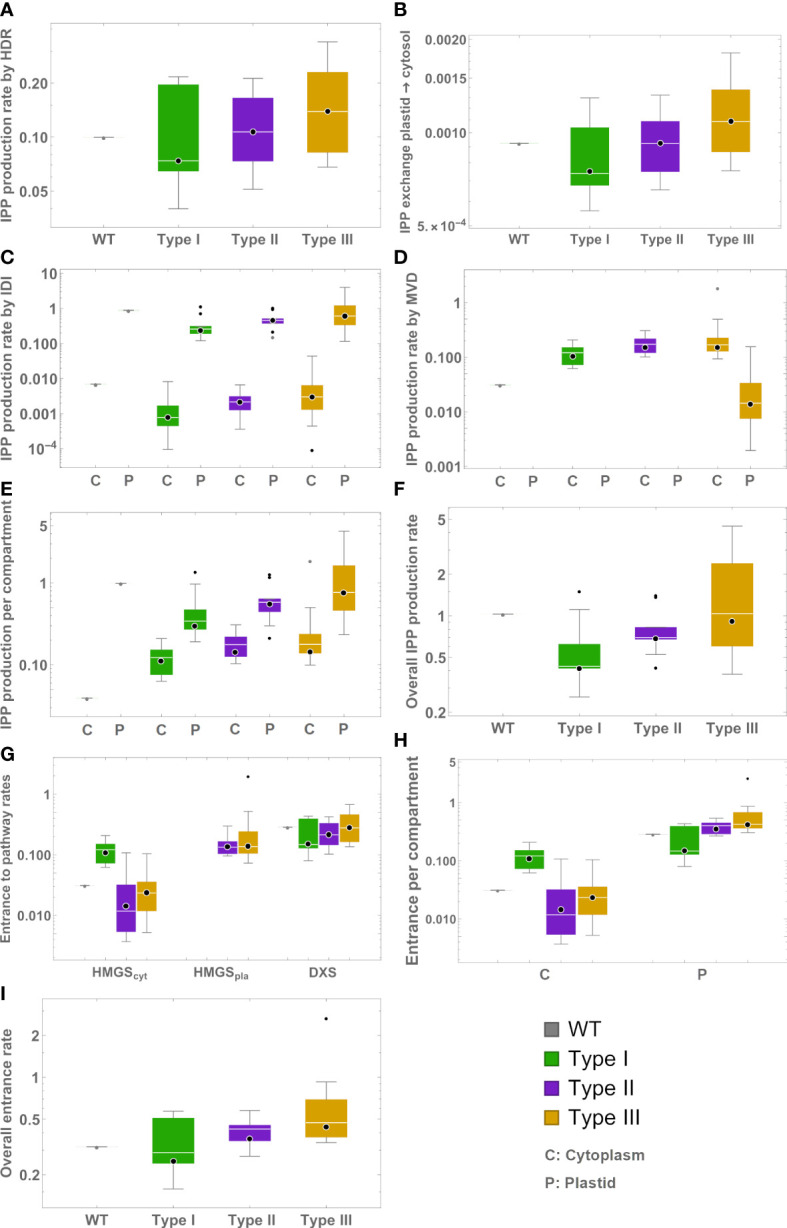
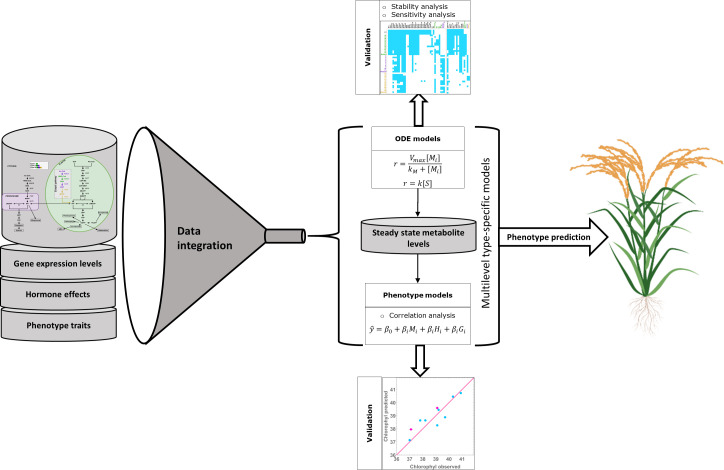
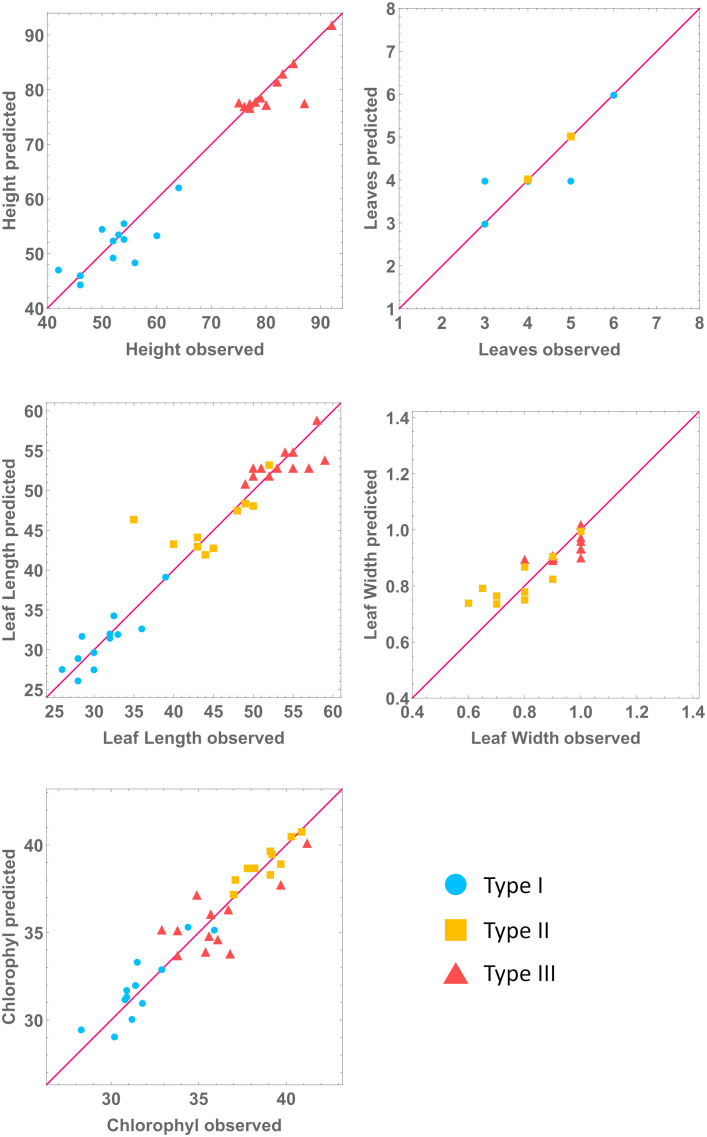
Many highly valued chemicals in the pharmaceutical, biotechnological, cosmetic, and biomedical industries belong to the terpenoid family. Biosynthesis of these chemicals relies on polymerization of Isopentenyl di-phosphate (IPP) and/or dimethylallyl diphosphate (DMAPP) monomers, which plants synthesize using two alternative pathways: a cytosolic mevalonic acid (MVA) pathway and a plastidic methyleritritol-4-phosphate (MEP) pathway. As such, developing plants for use as a platform to use IPP/DMAPP and produce high value terpenoids is an important biotechnological goal. Still, IPP/DMAPP are the precursors to many plant developmental hormones. This creates severe challenges in redirecting IPP/DMAPP towards production of non-cognate plant metabolites. A potential solution to this problem is increasing the IPP/DMAPP production flux . Here, we aimed at discovering, understanding, and predicting the effects of increasing IPP/DMAPP production in plants through modelling. We used synthetic biology to create rice lines containing an additional ectopic MVA biosynthetic pathway for producing IPP/DMAPP. The rice lines express three alternative versions of the additional MVA pathway in the plastid, in addition to the normal endogenous pathways. We collected data for changes in macroscopic and molecular phenotypes, gene expression, isoprenoid content, and hormone abundance in those lines. To integrate the molecular and macroscopic data and develop a more in depth understanding of the effects of engineering the exogenous pathway in the mutant rice lines, we developed and analyzed data-centric, line-specific, multilevel mathematical models. These models connect the effects of variations in hormones and gene expression to changes in macroscopic plant phenotype and metabolite concentrations within the MVA and MEP pathways of WT and mutant rice lines. Our models allow us to predict how an exogenous IPP/DMAPP biosynthetic pathway affects the flux of terpenoid precursors. We also quantify the long-term effect of plant hormones on the dynamic behavior of IPP/DMAPP biosynthetic pathways in seeds, and predict plant characteristics, such as plant height, leaf size, and chlorophyll content from molecular data. In addition, our models are a tool that can be used in the future to help in prioritizing re-engineering strategies for the exogenous pathway in order to achieve specific metabolic goals.
制药、生物技术、化妆品和生物医学行业中许多高价值的化学品都属于萜类化合物家族。这些化学品的生物合成依赖于异戊烯基二磷酸(IPP)和/或二甲基烯丙基二磷酸(DMAPP)单体的聚合,而植物通过两条替代途径合成这些单体:一条是胞质甲羟戊酸(MVA)途径,另一条是质体甲基赤藓糖醇-4-磷酸(MEP)途径。因此,培育用作利用IPP/DMAPP并生产高价值萜类化合物平台的植物是一个重要的生物技术目标。然而,IPP/DMAPP是许多植物发育激素的前体。这在将IPP/DMAPP重新导向非同源植物代谢产物的生产方面带来了严峻挑战。解决这个问题的一个潜在方法是增加IPP/DMAPP的生产通量。在此,我们旨在通过建模发现、理解和预测植物中IPP/DMAPP产量增加的影响。我们利用合成生物学创建了含有额外异位MVA生物合成途径以生产IPP/DMAPP的水稻品系。除了正常的内源途径外,这些水稻品系在质体中表达额外MVA途径的三个替代版本。我们收集了这些品系中宏观和分子表型、基因表达、类异戊二烯含量和激素丰度变化的数据。为了整合分子和宏观数据,并更深入地理解在突变水稻品系中工程化外源途径的影响,我们开发并分析了以数据为中心、品系特异性的多层次数学模型。这些模型将激素和基因表达变化的影响与野生型和突变水稻品系的MVA和MEP途径内宏观植物表型和代谢物浓度的变化联系起来。我们的模型使我们能够预测外源IPP/DMAPP生物合成途径如何影响萜类前体的通量。我们还量化了植物激素对种子中IPP/DMAPP生物合成途径动态行为的长期影响,并根据分子数据预测植物特征,如株高、叶大小和叶绿素含量。此外,我们的模型是一种工具,未来可用于帮助确定外源途径的重新工程策略的优先级,以实现特定的代谢目标。