Institute of Rheumatology and Immunology, the Affiliated Hospital of North Sichuan Medical College, 1# South Maoyuan Road, Nanchong, 637001, Sichuan, China.
Medical Imaging Key Laboratory of Sichuan Province, the Affiliated Hospital of North Sichuan Medical College, 1# South Maoyuan Road, Nanchong, 637001, Sichuan, China.
Arthritis Res Ther. 2023 Jul 19;25(1):121. doi: 10.1186/s13075-023-03107-6.
Previous studies have revealed that Sirt3 deficiency is associated with several inflammatory responses. The purpose of this study is to investigate the role and potential molecular mechanisms of Sirt3 in the inflammation induced by monosodium urate (MSU) crystals.
The Sirt3 expression level in the peripheral blood mononuclear cells (PBMCs) of patients with gout was measured. Function and molecular mechanism of Sirt3 in MSU crystal-induced inflammation were investigated in bone marrow-derived macrophages (BMDMs), C57BL/6 mouse, and Sirt3 mouse.
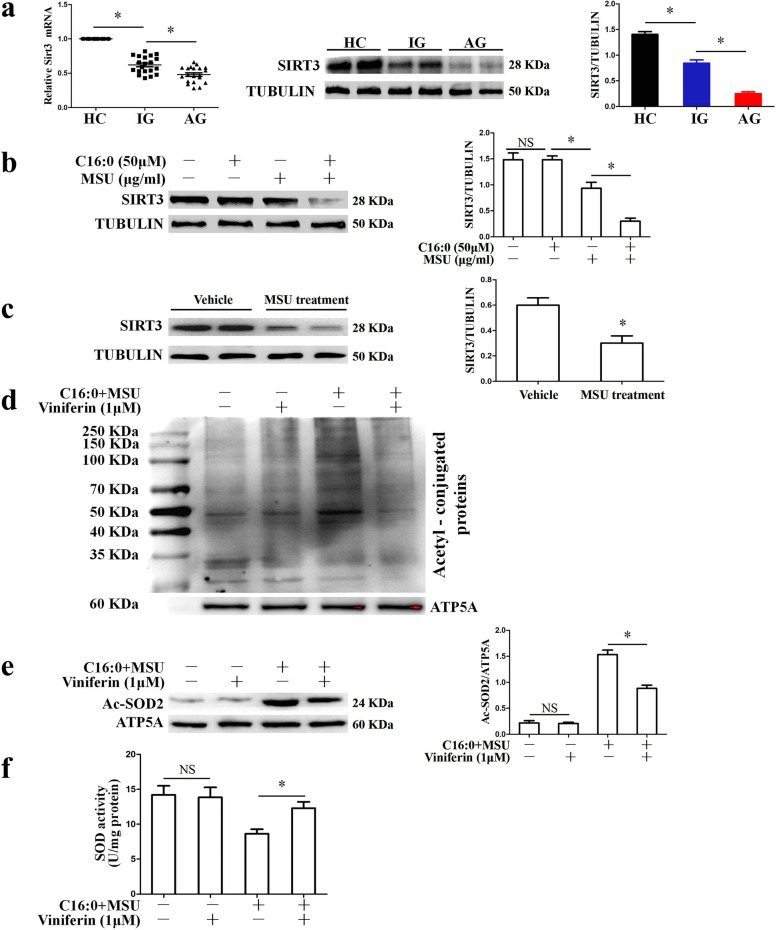
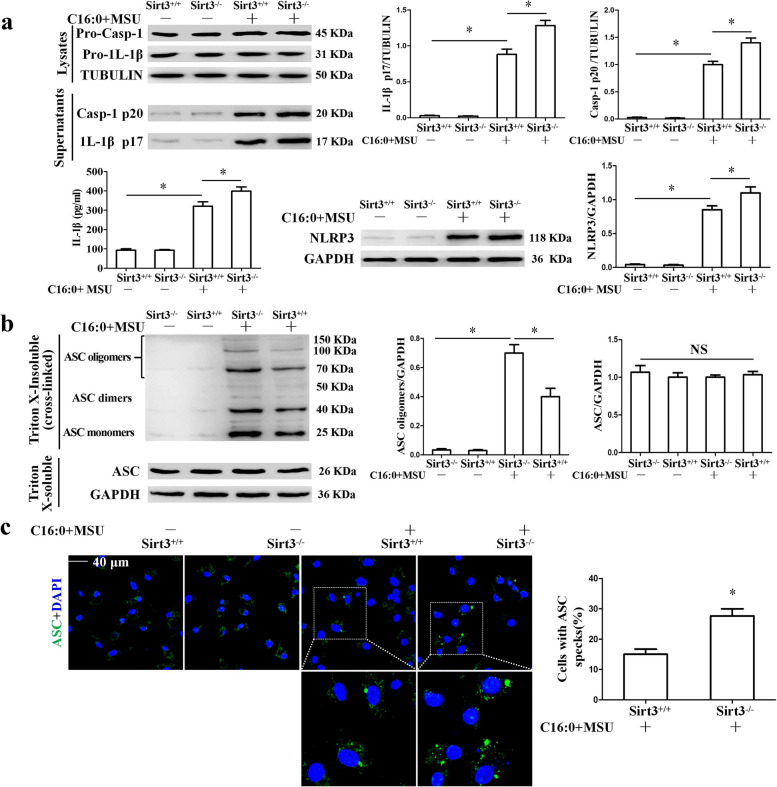
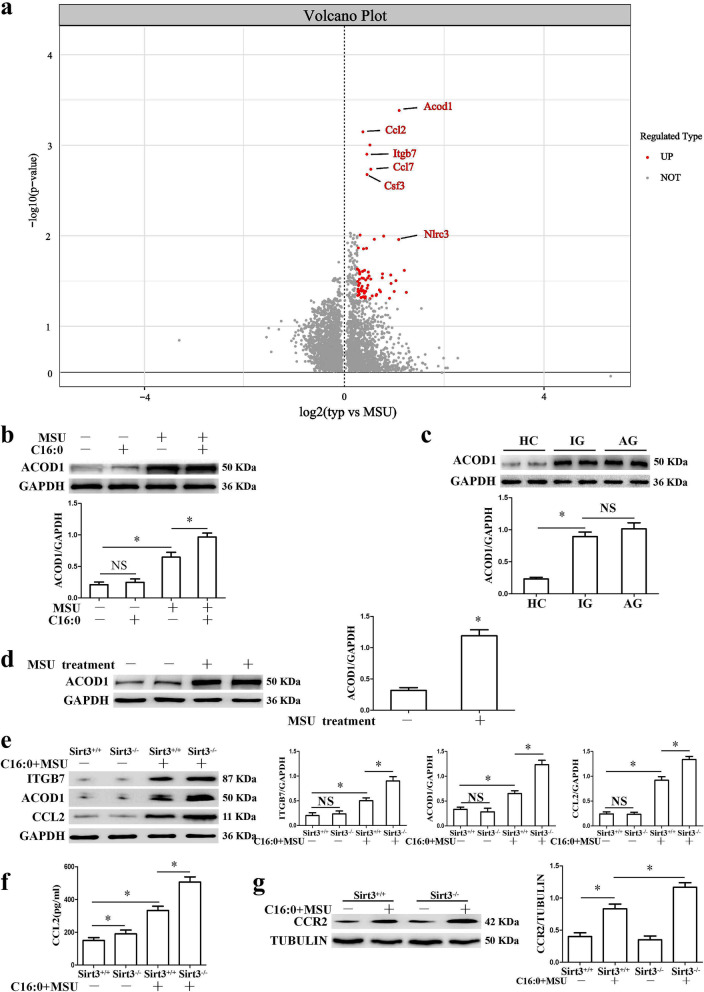
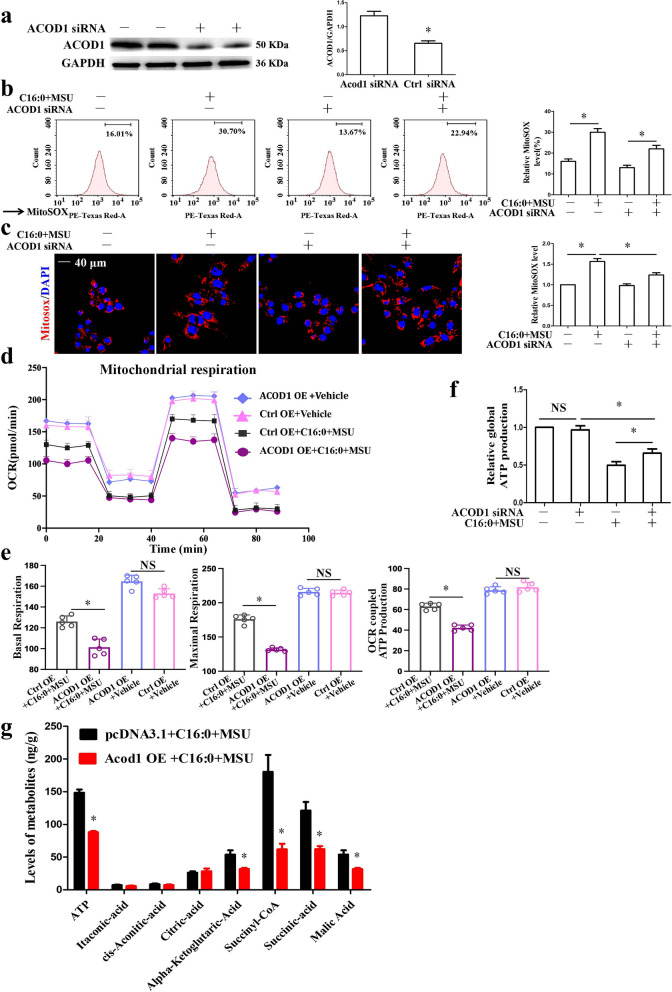
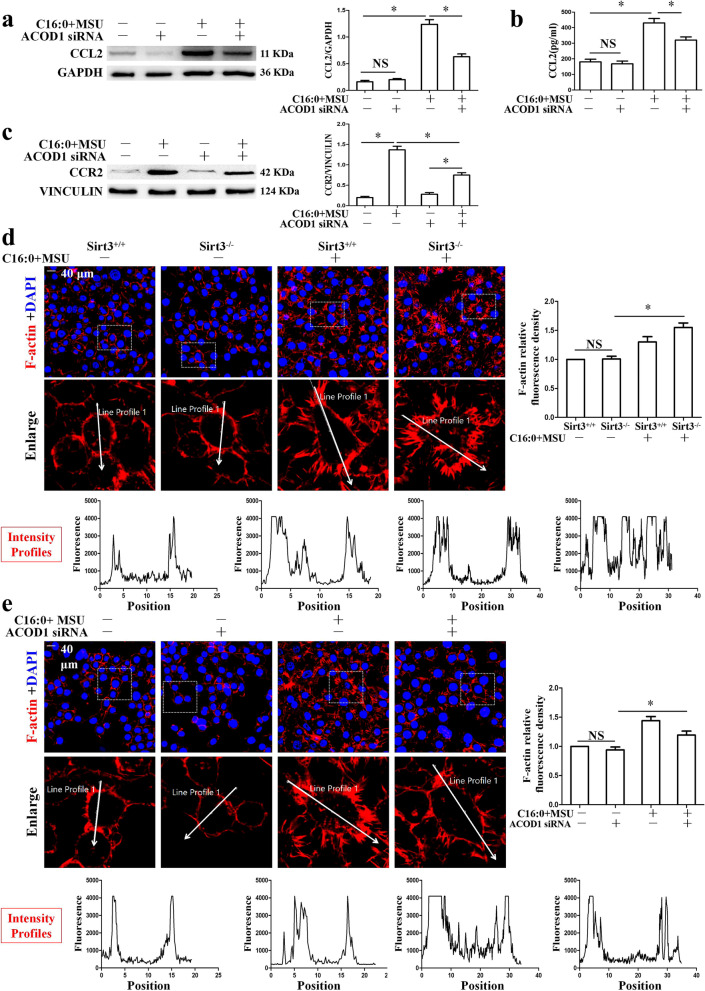
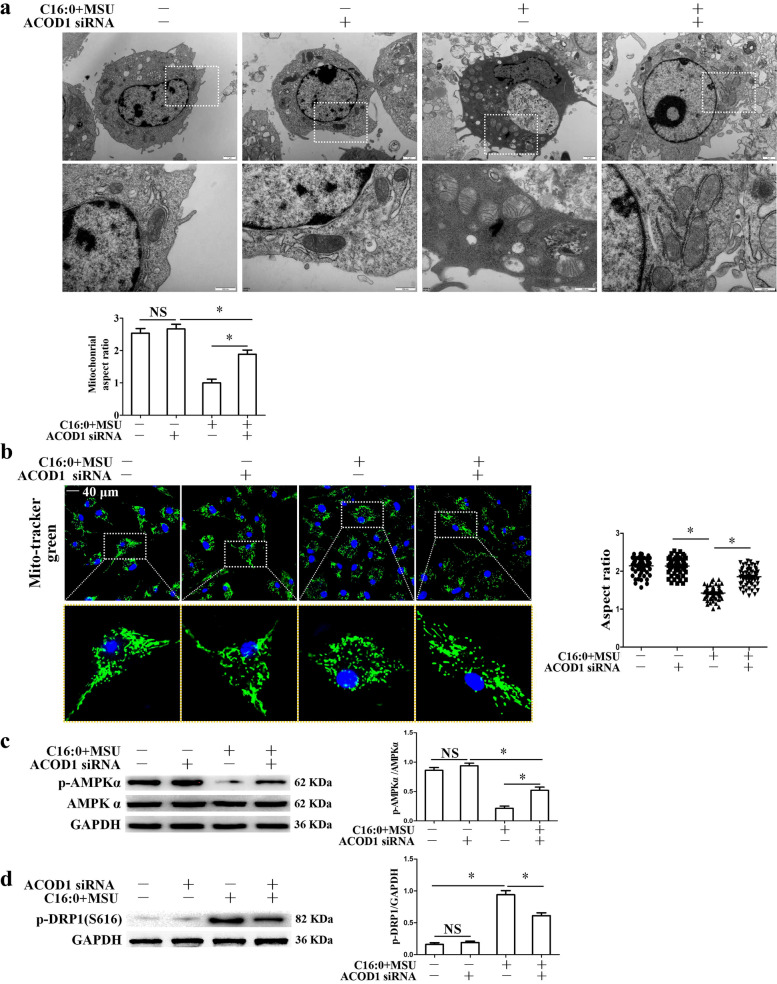
Sirt3 expression was decreased in the PBMCs of patients with gout. Sirt3 agonist (Viniferin) inhibited the acetylation levels of mitochondrial proteins including the SOD2 protein. RNA sequencing, bio-informatics analysis, RT-PCR, and Western blot demonstrated that Sirt3 could suppress the expression of Acod1 (Irg1), which plays an important role in gout. In BMDMs treated with palmitic acid (C16:0) plus MSU crystals, Acod1 knockdown repressed mitochondrial reactive oxygen species (mtROS) over-production, macrophage migration, and mitochondrial fragmentation, and Acod1 improved AMPK activity. The over-expression of Acod1 did not significantly affect the level of itaconic acid, but greatly decreased the levels of some important intermediate metabolites of the tricarboxylic acid (TCA) cycle. These data indicate that Acod1 exerts a pro-inflammatory role in MSU crystal-induced inflammation and is independent of the metabolic level of itaconic acid. Sirt3 deficiency exacerbates inflammatory response induced by MSU crystals in vitro and in vivo.
The current study has shown that Sirt3 can alleviate the MSU crystal-induced inflammation by inhibiting the expression of Acod1.
先前的研究表明 Sirt3 缺乏与几种炎症反应有关。本研究旨在探讨 Sirt3 在尿酸单钠(MSU)晶体诱导的炎症中的作用及其潜在的分子机制。
测量了痛风患者外周血单个核细胞(PBMCs)中的 Sirt3 表达水平。在骨髓来源的巨噬细胞(BMDMs)、C57BL/6 小鼠和 Sirt3 小鼠中研究了 Sirt3 在 MSU 晶体诱导的炎症中的功能和分子机制。
痛风患者 PBMCs 中的 Sirt3 表达降低。Sirt3 激动剂(Viniferin)抑制了包括 SOD2 蛋白在内的线粒体蛋白的乙酰化水平。RNA 测序、生物信息学分析、RT-PCR 和 Western blot 表明,Sirt3 可以抑制 Acod1(Irg1)的表达,后者在痛风中发挥重要作用。在用棕榈酸(C16:0)加 MSU 晶体处理的 BMDMs 中,Acod1 敲低抑制了线粒体活性氧(mtROS)的过度产生、巨噬细胞迁移和线粒体碎片化,并且 Acod1 提高了 AMPK 活性。Acod1 的过表达对异柠檬酸的水平没有显著影响,但大大降低了三羧酸(TCA)循环的一些重要中间代谢物的水平。这些数据表明 Acod1 在 MSU 晶体诱导的炎症中发挥促炎作用,且不依赖于异柠檬酸的代谢水平。Sirt3 缺乏加剧了 MSU 晶体在体外和体内诱导的炎症反应。
本研究表明,Sirt3 可以通过抑制 Acod1 的表达来减轻 MSU 晶体诱导的炎症。