Vuorenpää Hanna, Björninen Miina, Välimäki Hannu, Ahola Antti, Kroon Mart, Honkamäki Laura, Koivumäki Jussi T, Pekkanen-Mattila Mari
Centre of Excellence in Body-on-Chip Research (CoEBoC), BioMediTech, Faculty of Medicine and Health Technology, Tampere University, Tampere, Finland.
Adult Stem Cell Group, Faculty of Medicine and Health Technology, Tampere University, Tampere, Finland.
Front Physiol. 2023 Jul 6;14:1213959. doi: 10.3389/fphys.2023.1213959. eCollection 2023.
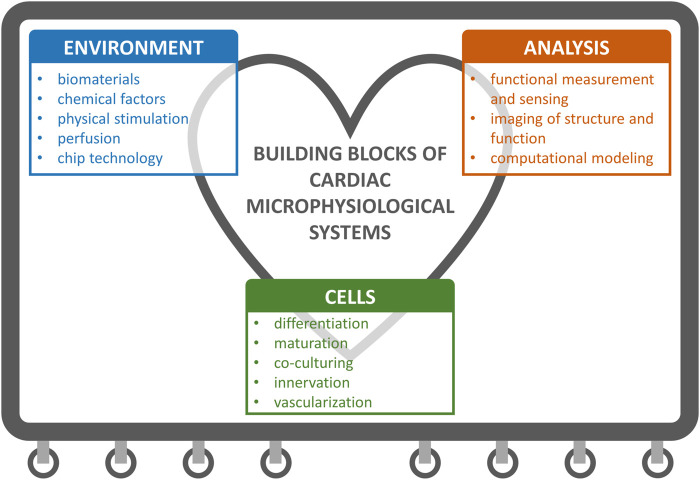
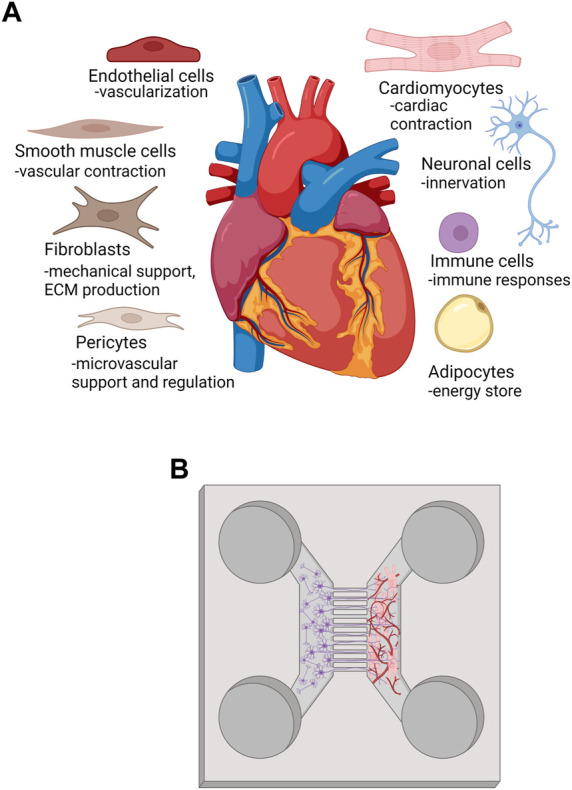
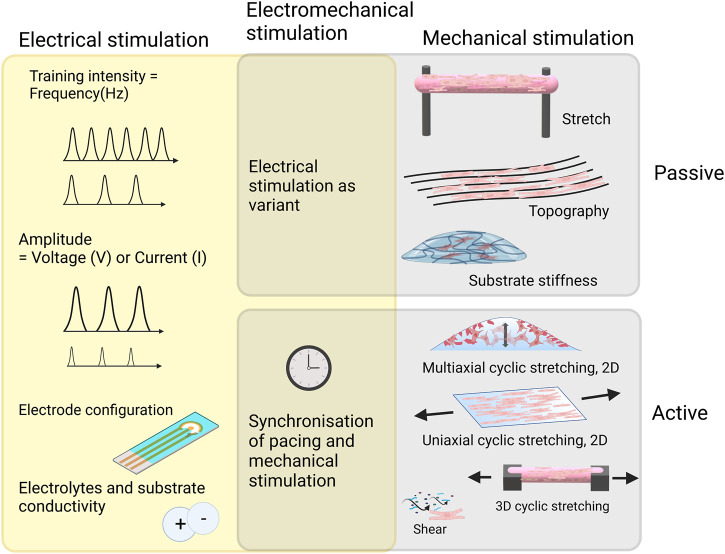
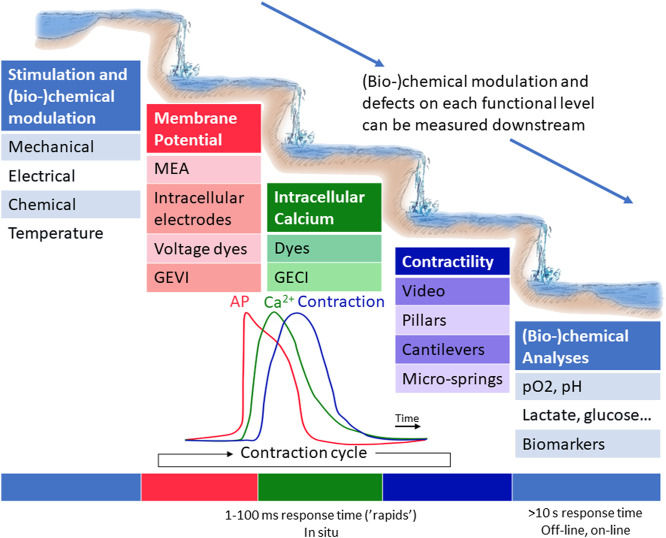
Microphysiological systems (MPS) are drawing increasing interest from academia and from biomedical industry due to their improved capability to capture human physiology. MPS offer an advanced platform that can be used to study human organ and tissue level functions in health and in diseased states more accurately than traditional single cell cultures or even animal models. Key features in MPS include microenvironmental control and monitoring as well as high biological complexity of the target tissue. To reach these qualities, cross-disciplinary collaboration from multiple fields of science is required to build MPS. Here, we review different areas of expertise and describe essential building blocks of heart MPS including relevant cardiac cell types, supporting matrix, mechanical stimulation, functional measurements, and computational modelling. The review presents current methods in cardiac MPS and provides insights for future MPS development with improved recapitulation of human physiology.
微生理系统(MPS)因其在捕捉人体生理学方面能力的提升,正越来越受到学术界和生物医学行业的关注。MPS提供了一个先进的平台,与传统的单细胞培养甚至动物模型相比,该平台可用于更准确地研究健康和疾病状态下人体器官和组织水平的功能。MPS的关键特性包括微环境控制与监测以及目标组织的高生物复杂性。为实现这些特性,构建MPS需要多个科学领域的跨学科合作。在此,我们回顾了不同的专业领域,并描述了心脏MPS的基本组成部分,包括相关的心脏细胞类型、支持基质、机械刺激、功能测量和计算建模。本综述介绍了心脏MPS的当前方法,并为未来能更好地模拟人体生理学的MPS发展提供了见解。