Program of Physiological and Pathological Processes, Centro de Biología Molecular Severo Ochoa (CSIC-UAM), Madrid, Spain.
Regulatory Biology Laboratory, Salk Institute for Biological Studies, La Jolla, CA, USA.
Life Sci Alliance. 2023 Jul 24;6(10). doi: 10.26508/lsa.202201886. Print 2023 Oct.
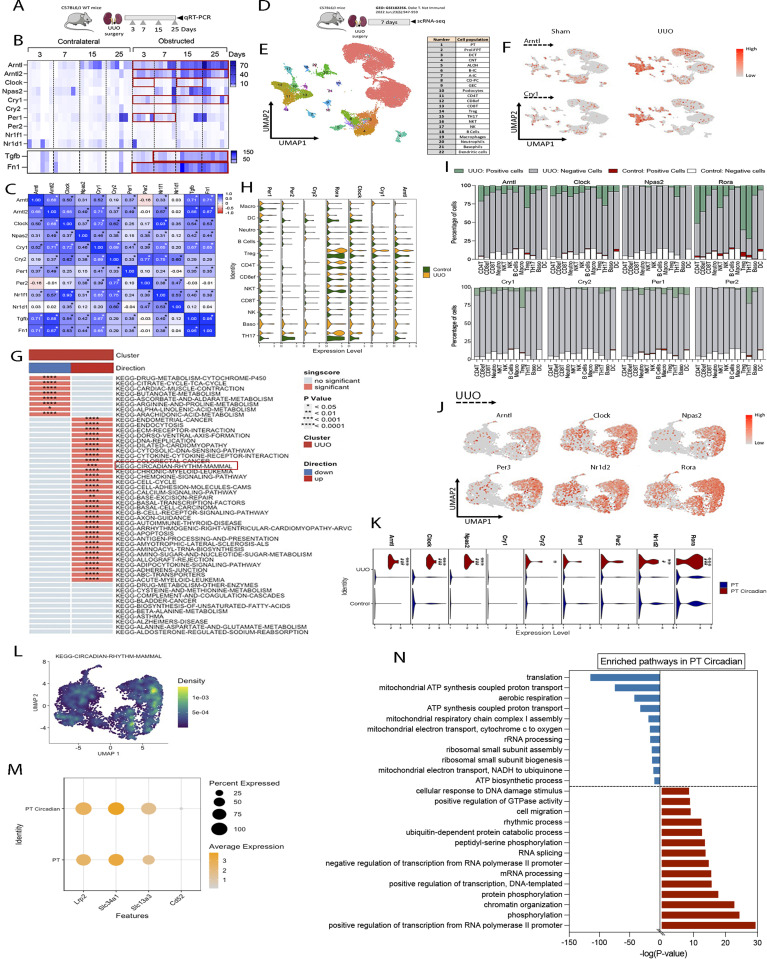
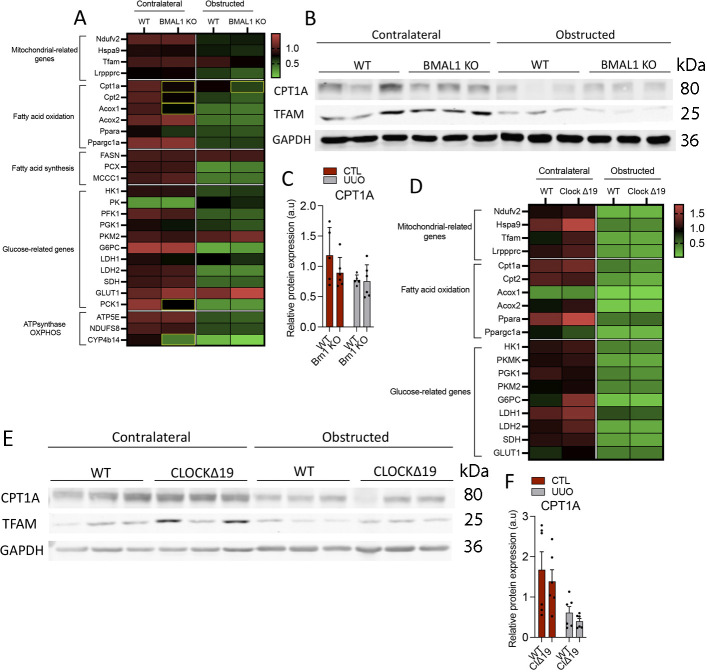
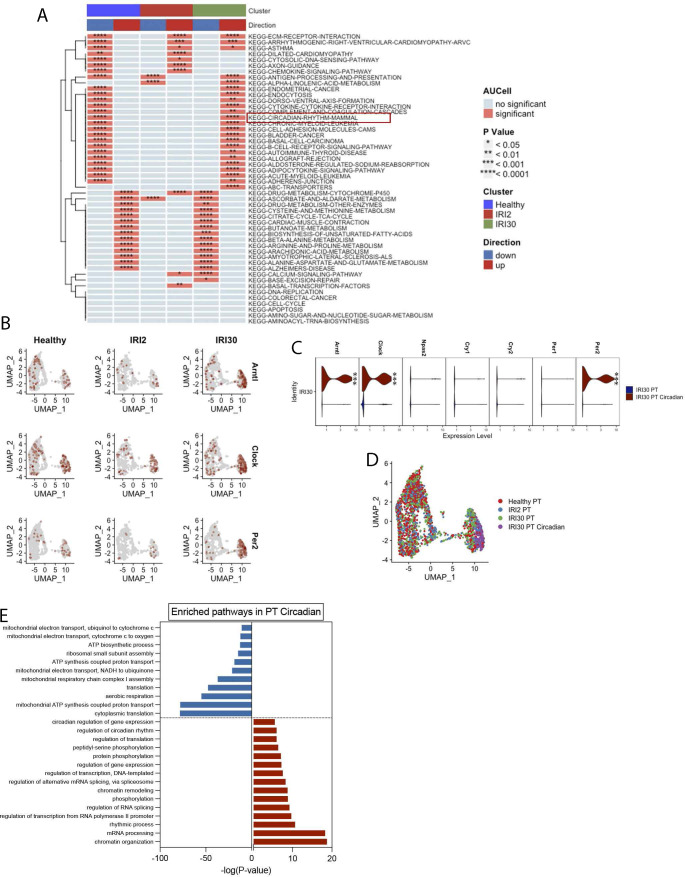
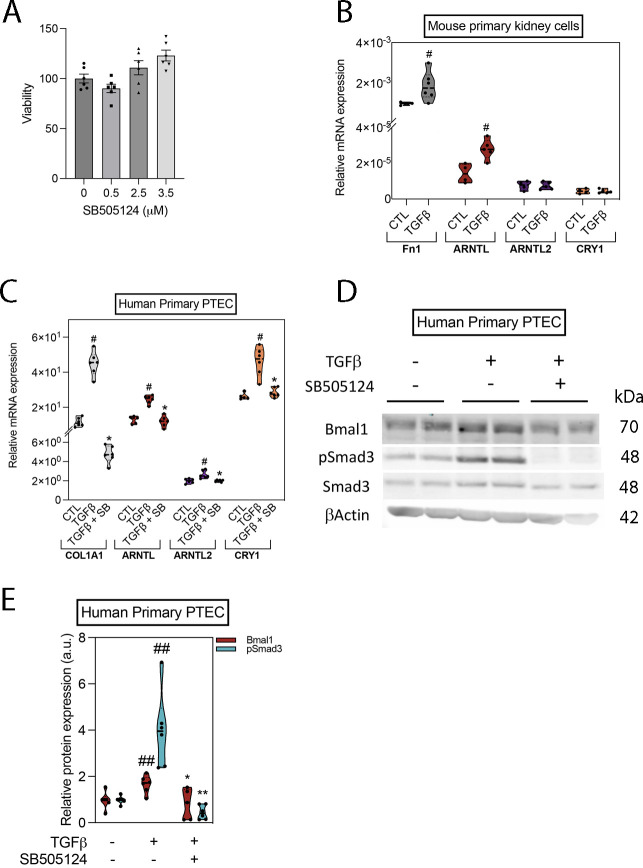
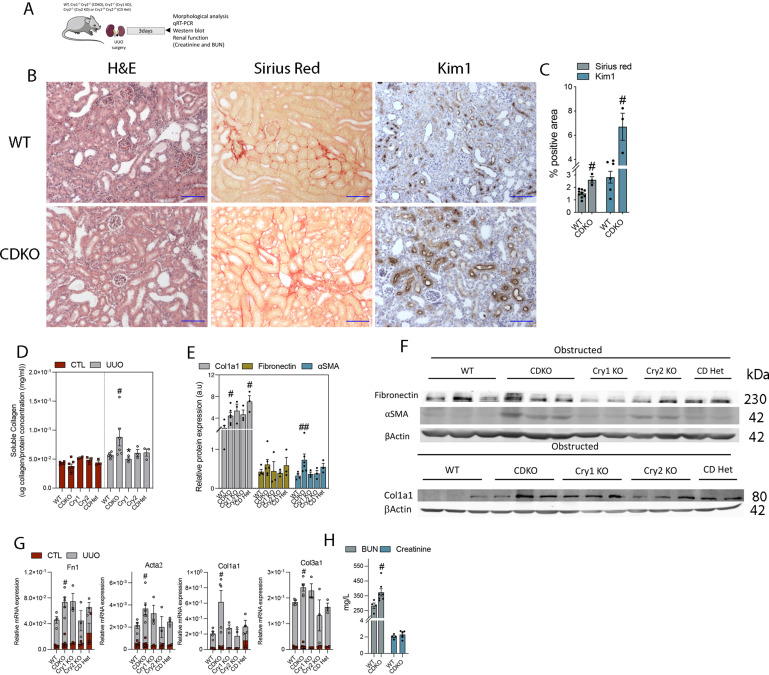
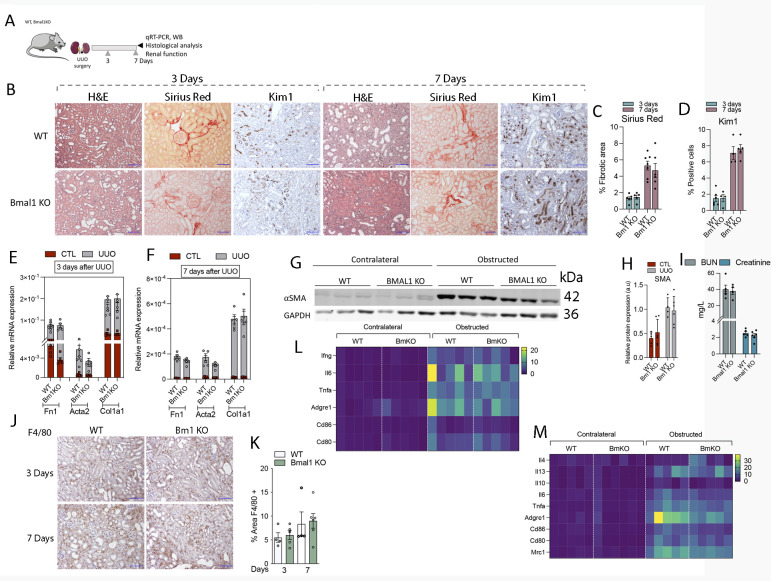
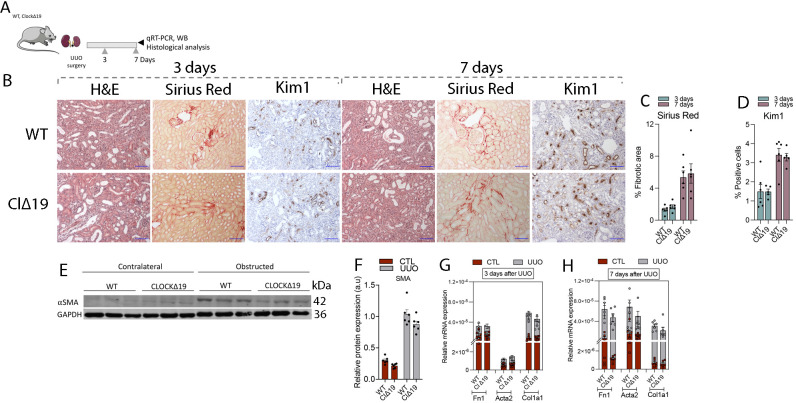
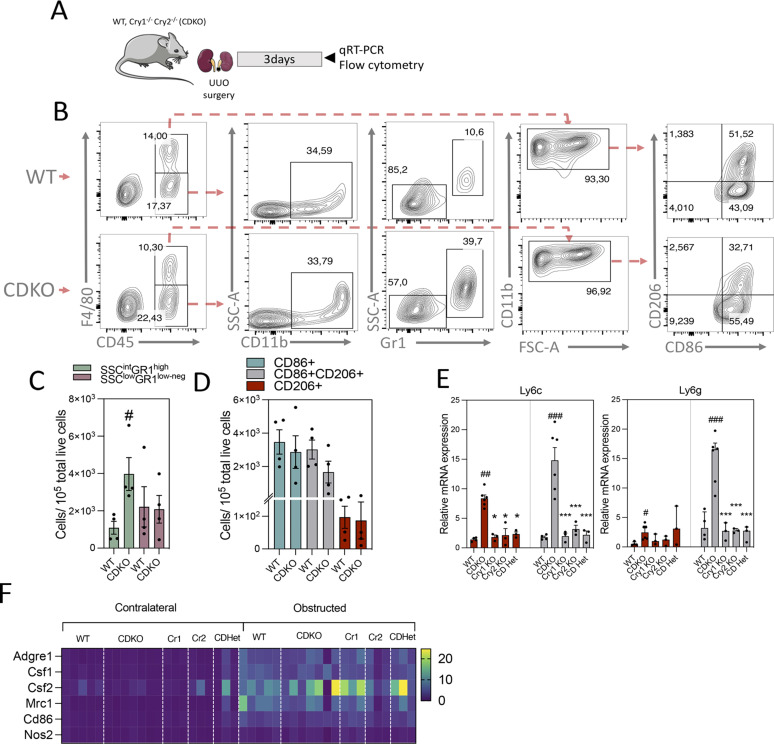
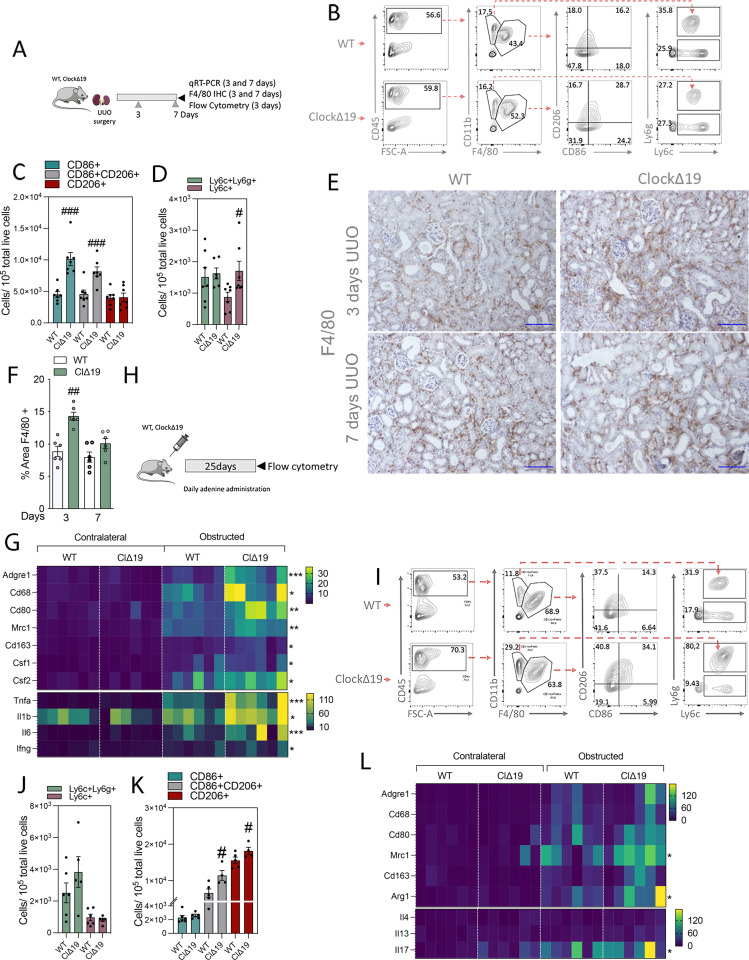
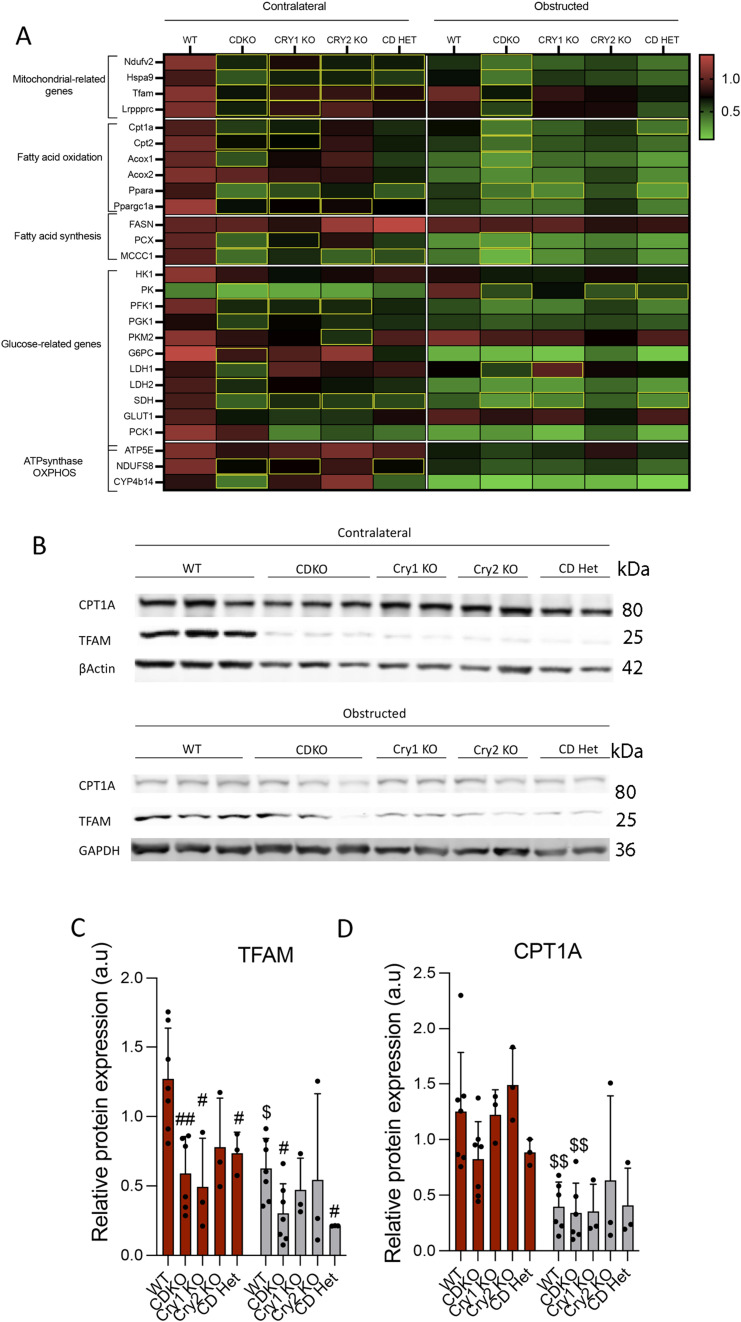
Tubulointerstitial fibrosis is the common pathological substrate for many etiologies leading to chronic kidney disease. Although perturbations in the circadian rhythm have been associated with renal disease, the role of the molecular clock in the pathogenesis of fibrosis remains incompletely understood. We investigated the relationship between the molecular clock and renal damage in experimental models of injury and fibrosis (unilateral ureteral obstruction, folic acid, and adenine nephrotoxicity), using genetically modified mice with selective deficiencies of the clock components , , and We found that the molecular clock pathway was enriched in damaged tubular epithelial cells with marked metabolic alterations. In human tubular epithelial cells, TGFβ significantly altered the expression of clock components. Although played a role in the macrophage-mediated inflammatory response, the combined absence of and was critical for the recruitment of neutrophils, correlating with a worsening of fibrosis and with a major shift in the expression of metabolism-related genes. These results support that renal damage disrupts the kidney peripheral molecular clock, which in turn promotes metabolic derangement linked to inflammatory and fibrotic responses.
肾小管间质性纤维化是导致慢性肾脏病的许多病因的共同病理基础。虽然昼夜节律的改变与肾脏疾病有关,但分子钟在纤维化发病机制中的作用仍不完全清楚。我们使用时钟成分(,,)选择性缺乏的基因修饰小鼠,在损伤和纤维化的实验模型(单侧输尿管梗阻、叶酸和腺嘌呤肾毒性)中研究了分子钟与肾脏损伤之间的关系。我们发现,分子钟途径在具有明显代谢改变的受损肾小管上皮细胞中富集。在人肾小管上皮细胞中,TGFβ显著改变了时钟成分的表达。尽管在巨噬细胞介导的炎症反应中发挥了作用,但和的联合缺失对于中性粒细胞的募集至关重要,这与纤维化的加重以及与代谢相关基因表达的重大转变相关。这些结果支持肾脏损伤破坏了肾脏周围的分子钟,进而促进了与炎症和纤维化反应相关的代谢紊乱。