Leigh Marine Laboratory, Institute of Marine Science, University of Auckland, Leigh, New Zealand.
Integrated Fisheries Laboratory, Department of Biology, Dalhousie University, Halifax, NS, B3H 4R2, Canada.
Sci Rep. 2023 Jul 24;13(1):11939. doi: 10.1038/s41598-023-39151-0.
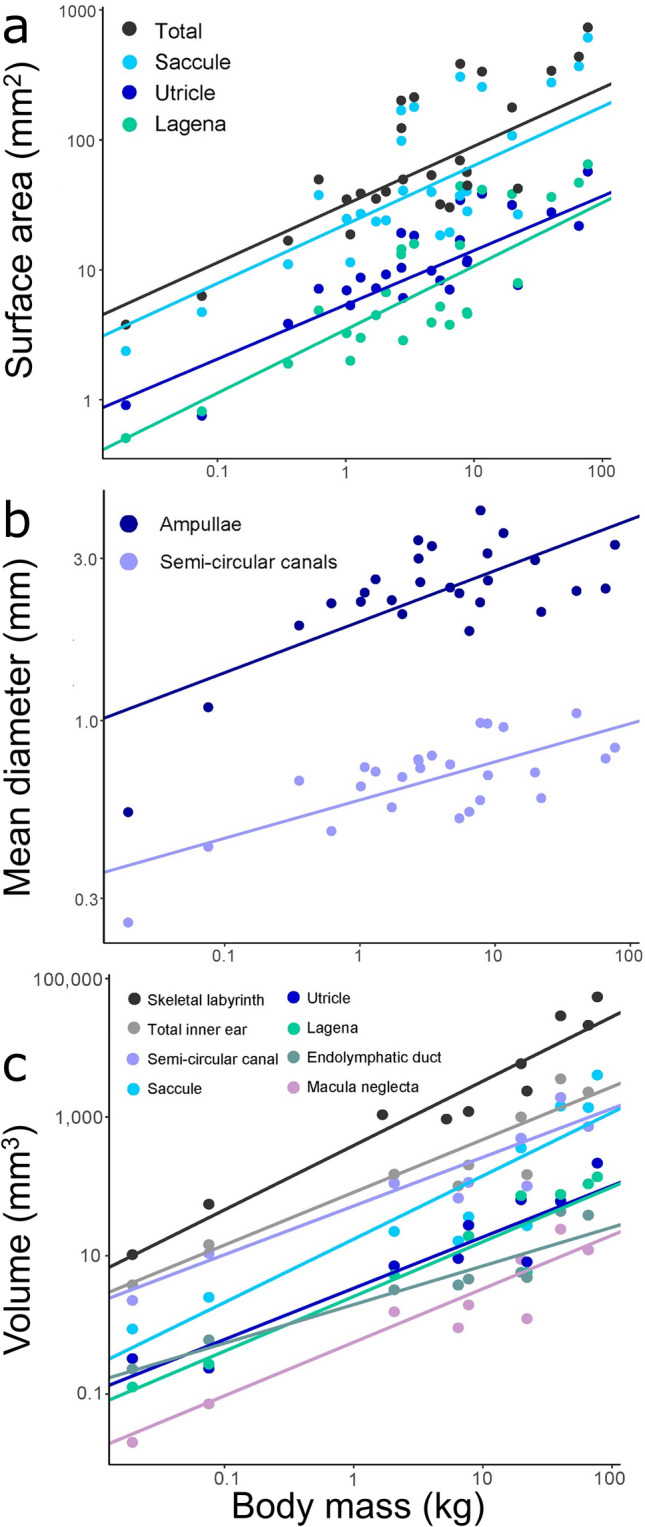
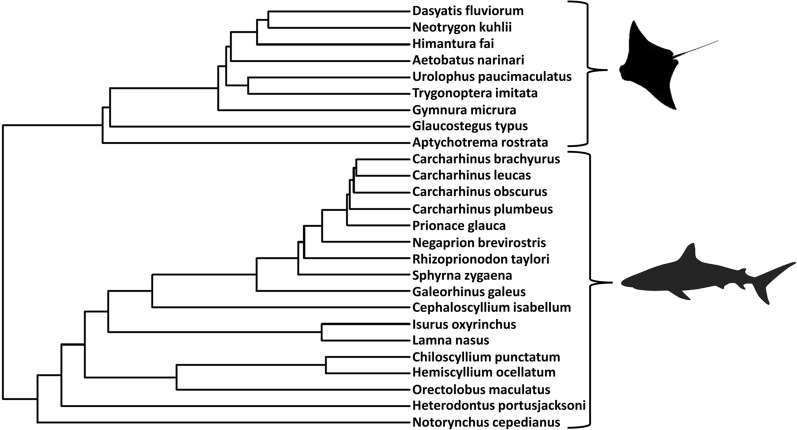
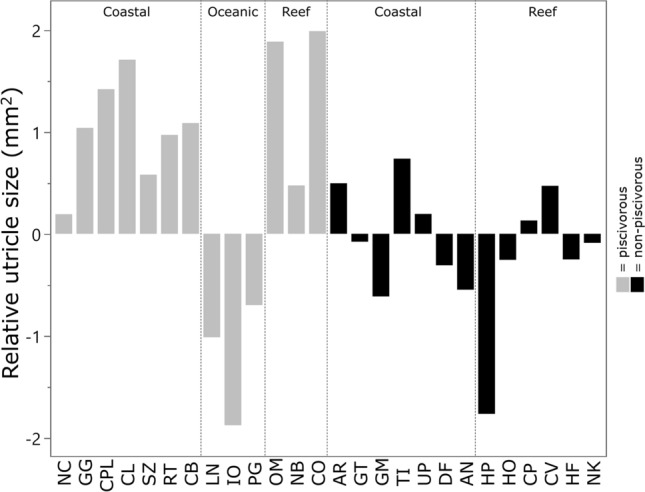
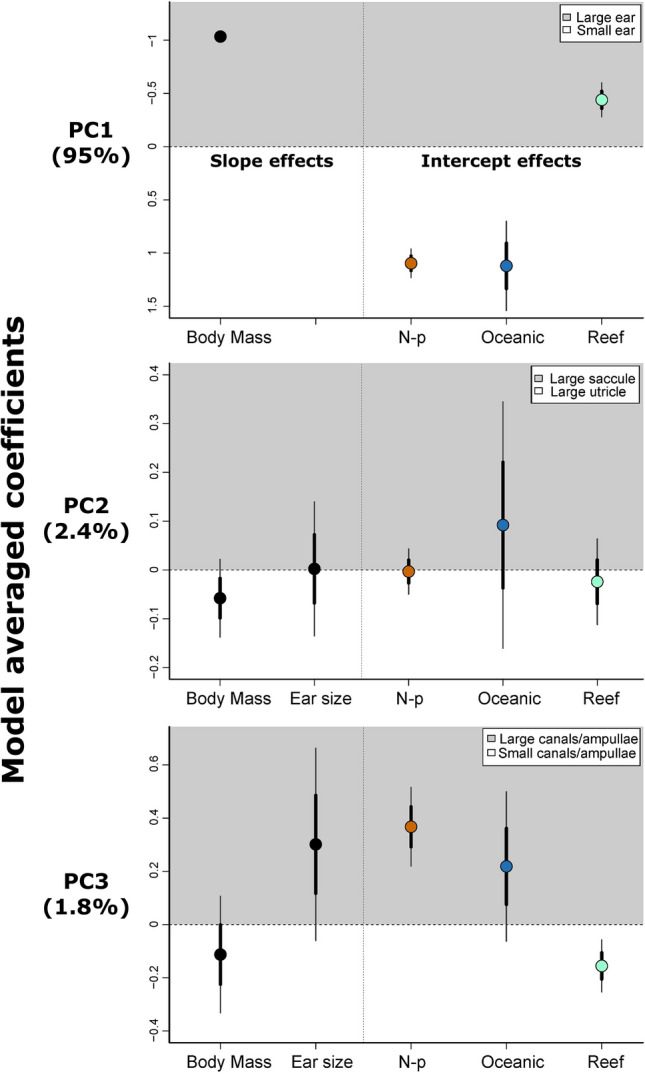
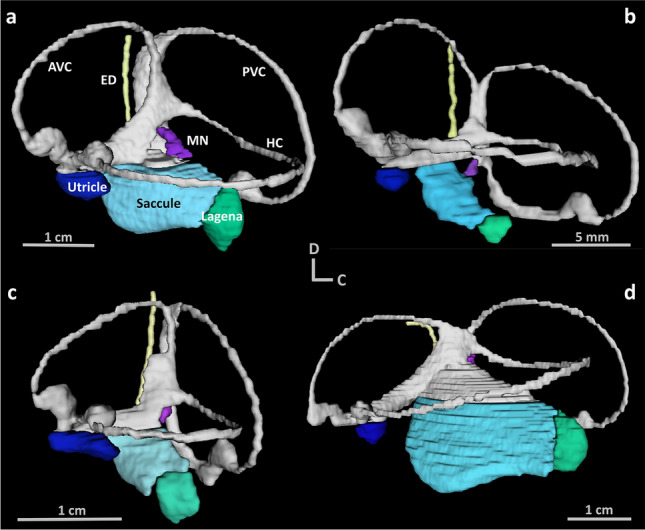
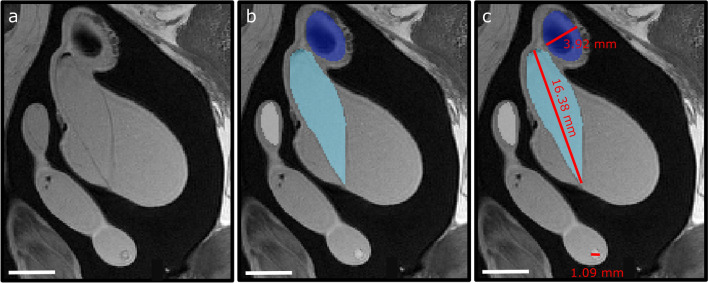
Considerable diversity has been documented in most sensory systems of elasmobranchs (sharks, rays, and skates); however, relatively little is known about morphological variation in the auditory system of these fishes. Using magnetic resonance imaging (MRI), the inner ear structures of 26 elasmobranchs were assessed in situ. The inner ear end organs (saccule, lagena, utricle, and macula neglecta), semi-circular canals (horizontal, anterior, and posterior), and endolymphatic duct were compared using phylogenetically-informed, multivariate analyses. Inner ear variation can be characterised by three primary axes that are influenced by diet and habitat, where piscivorous elasmobranchs have larger inner ears compared to non-piscivorous species, and reef-associated species have larger inner ears than oceanic species. Importantly, this variation may reflect differences in auditory specialisation that could be tied to the functional requirements and environmental soundscapes of different species.
在大多数软骨鱼类(鲨鱼、鳐鱼和魟鱼)的感觉系统中已经记录到了相当大的多样性;然而,关于这些鱼类听觉系统的形态变异,人们知之甚少。本研究使用磁共振成像(MRI)技术原位评估了 26 种软骨鱼的内耳结构。使用系统发育信息丰富的多元分析比较了内耳终末器官(椭圆囊、瓶状囊、耳石器和忽略斑)、半规管(水平、前和后)和内淋巴管。内耳的变化可以用三个主要轴来描述,这些轴受饮食和栖息地的影响,其中肉食性软骨鱼类的内耳比非肉食性物种大,而与珊瑚礁相关的物种的内耳比海洋物种大。重要的是,这种变化可能反映了听觉特化的差异,这可能与不同物种的功能要求和环境声音景观有关。