Department of Cardiology Alfred Health Melbourne Australia.
Baker Heart and Diabetes Institute Melbourne Australia.
J Am Heart Assoc. 2023 Aug;12(15):e029787. doi: 10.1161/JAHA.123.029787. Epub 2023 Jul 25.
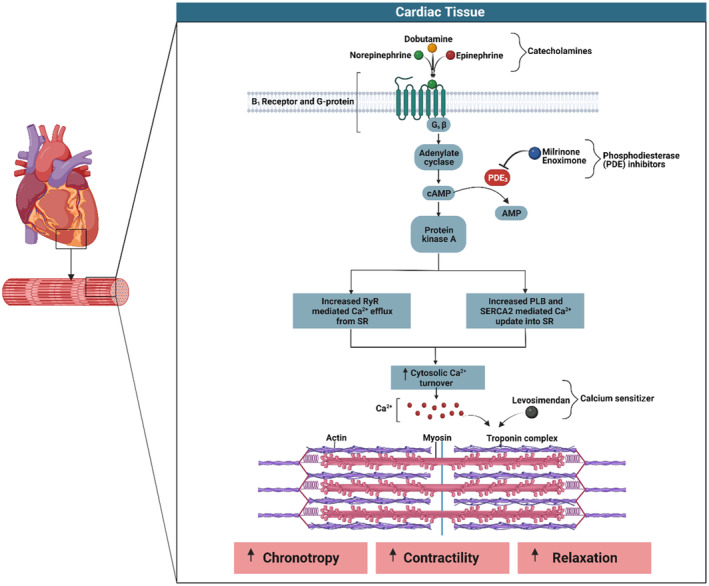
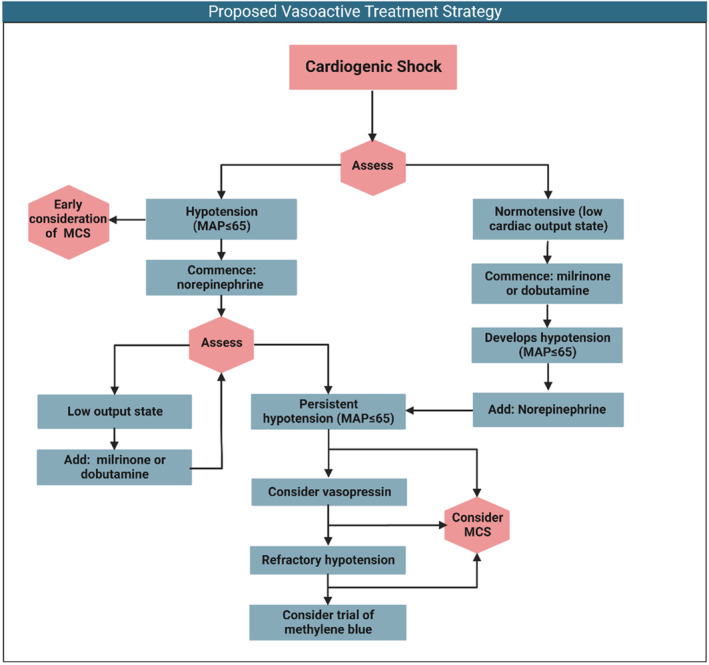
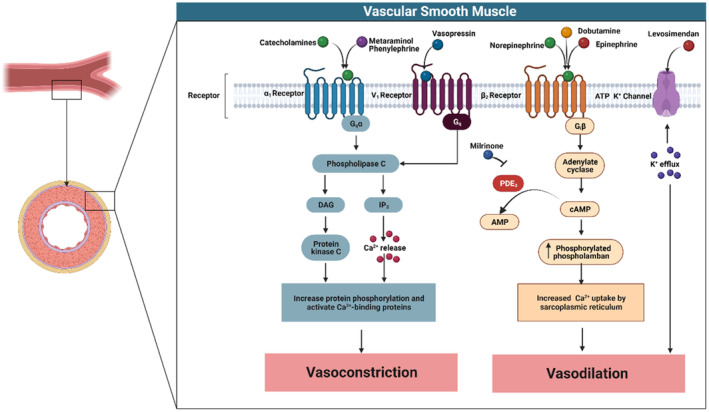
Cardiogenic shock is characterized by tissue hypoxia caused by circulatory failure arising from inadequate cardiac output. In addition to treating the pathologic process causing impaired cardiac function, prompt hemodynamic support is essential to reduce the risk of developing multiorgan dysfunction and to preserve cellular metabolism. Pharmacologic therapy with the use of vasopressors and inotropes is a key component of this treatment strategy, improving perfusion by increasing cardiac output, altering systemic vascular resistance, or both, while allowing time and hemodynamic stability to treat the underlying disease process implicated in the development of cardiogenic shock. Despite the use of mechanical circulatory support recently garnering significant interest, pharmacologic hemodynamic support remains a cornerstone of cardiogenic shock management, with over 90% of patients receiving at least 1 vasoactive agent. This review aims to describe the pharmacology and hemodynamic effects of current pharmacotherapies and provide a practical approach to their use, while highlighting important future research directions.
心原性休克的特征是由于心输出量不足引起的循环衰竭导致组织缺氧。除了治疗导致心功能障碍的病理过程外,及时进行血流动力学支持对于降低多器官功能障碍的风险和维持细胞代谢至关重要。使用血管加压药和正性肌力药进行药物治疗是这种治疗策略的关键组成部分,通过增加心输出量、改变全身血管阻力或两者兼用来改善灌注,同时为治疗心原性休克发展中涉及的潜在疾病过程提供时间和血流动力学稳定性。尽管最近机械循环支持的应用引起了广泛关注,但药物血流动力学支持仍然是心原性休克管理的基石,超过 90%的患者至少接受了 1 种血管活性药物。本文旨在描述当前药物治疗的药理学和血流动力学效应,并提供其使用的实用方法,同时强调重要的未来研究方向。