S Sushmitha, Kothari Ruchi, Mittal Gaurav, Gopani Maitri, A Prashanth, Bokariya Pradeep, Vemparala Sai Shanmukh, Tamrakar Shubhi, S Abishek, A Bennita
Anatomy, Mahatma Gandhi Institute of Medical Sciences, Wardha, IND.
Physiology, Mahatma Gandhi Institute of Medical Sciences, Wardha, IND.
Cureus. 2023 Jun 23;15(6):e40874. doi: 10.7759/cureus.40874. eCollection 2023 Jun.
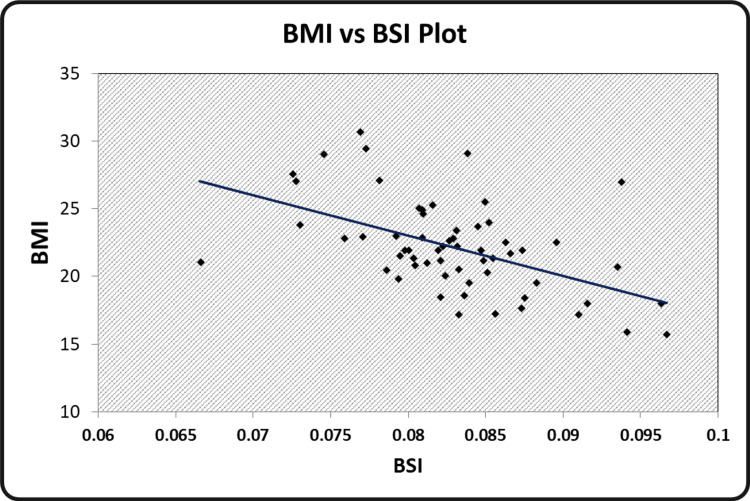
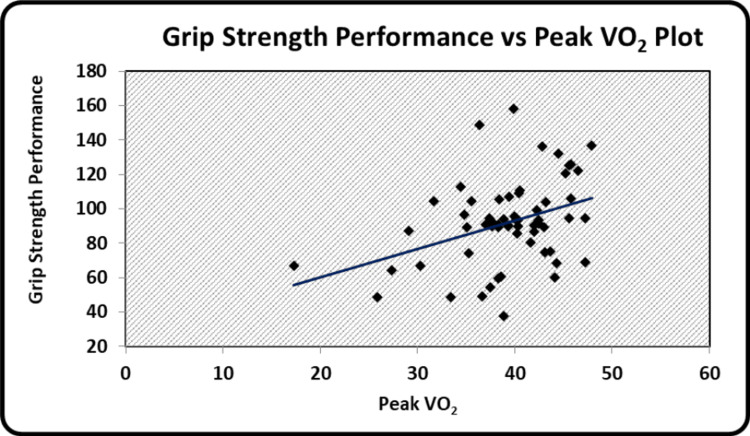
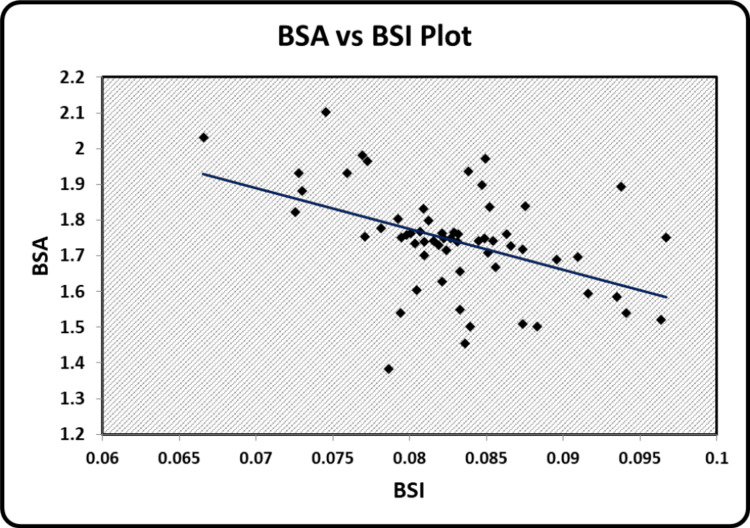
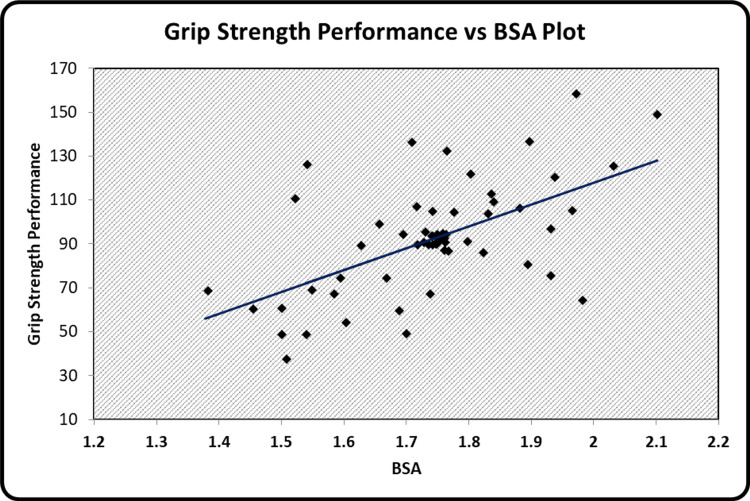
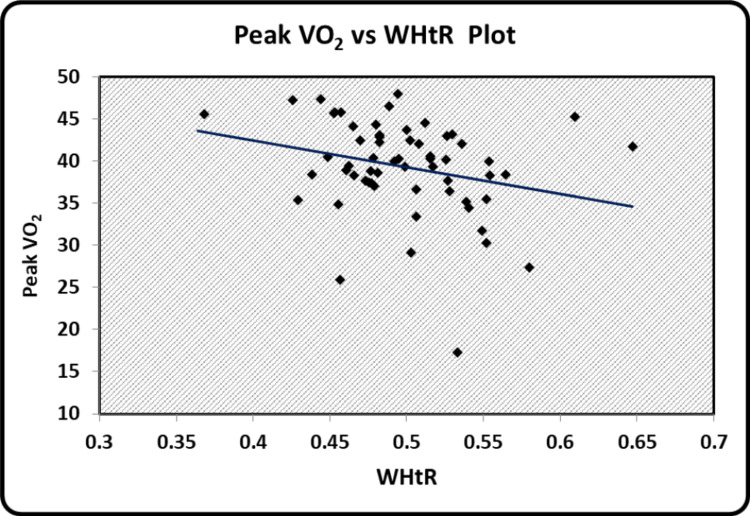
Background The importance of measurements of body composition in terms of various indices including Body Mass Index (BMI), Body Surface Area (BSA), Body Size Index (BSI), and Waist to Height ratio (WtHR) in the diagnosis of health risks and mortality outcome analysis has largely been limited to their use relating to determining abdominal obesity. The understanding of the extent of implications of the newer, underutilized indices of body composition is deficient. Peak VO(maximal oxygen uptake) majorly serves for the evaluation of the measure of aerobic capacity. Grip strength performance is a simple, primary, objective predictor of overall physical status and muscular and cardiovascular fitness. This study aimed to derive the relationship between a gamut of parameters such as BMI, BSA, WtHR, BSI, grip strength performance and peak VO investigated using the latest scientific methodology in a cross-section of the population in a rural tertiary care center. Methodology This study was a descriptive, cross-sectional study carried out in a rural medical college in central India. Sixty participants from the healthcare setting were considered eligible for the study within the age group of 18 to 45 years. Anthropometric assessments like height (in cm), weight (in kg), waist circumference (in cm), and BMI were carried out. BSA, WtHR, and BSI were calculated using the respective formulae. VO max (maximal oxygen uptake) recordings were done using the treadmill/ergometer and metabolic module of LabChart software (Bella Vista, New South Wales, Australia). Grip Strength Performance was quantified by measuring the amount of static force with which the hand is able to squeeze a transducer. It was measured using Grip Force Transducer (MLT004 / ST) from AD Instruments (Bella Vista, New South Wales, Australia). Results Upon analysis, a significant negative correlation was obtained between BSI and BMI (r= -0.51, p<0.0001) whereas a significant positive correlation was found between BSA and BMI (r= 0.71, p< 0.0001). A significant correlation was also seen between WtHR and BMI (r= 0.71, p< 0.0001) while a negative significant correlation between peak VO and BMI (r= -024,p=0.0425) was deduced. Similarly, a negative correlation was evident between BSA and BMI (r= -0.46, p=0.0002) with a positive correlation between WtHR and BSA (r= 0.30,p=0.0188). Grip strength performance positively correlated with BSA (r= 0.58, p< 0.0001) whereas peak VO showed a significant negative correlation with WtHR (r= -026,p=0.043). There was also a positive significant correlation between grip strength performance and peak VO (r= 0.37, p=0.0033) Conclusion The study determined the relationships of grip strength performance and peak VO, with the body composition indices in order to provide an overview of the mortal risks of an individual which might mediate the prognosis. Based on the relative independence of BSI with peak VO and grip strength performance, the unification of these parameters can help assess the overall health of an individual.
身体成分测量在通过包括体重指数(BMI)、体表面积(BSA)、身体尺寸指数(BSI)和腰高比(WtHR)等各种指标诊断健康风险和进行死亡率结果分析方面的重要性,在很大程度上仅限于其与确定腹部肥胖相关的用途。对更新的、未充分利用的身体成分指标的影响程度缺乏了解。最大摄氧量(VO₂max)主要用于评估有氧能力的指标。握力表现是整体身体状况以及肌肉和心血管健康的一个简单、基本、客观的预测指标。本研究旨在通过农村三级医疗中心的一部分人群,运用最新科学方法得出诸如BMI、BSA、WtHR、BSI、握力表现和VO₂max等一系列参数之间的关系。
本研究是在印度中部一所农村医学院进行的描述性横断面研究。来自医疗机构的60名年龄在18至45岁之间的参与者被认为符合研究条件。进行了身高(厘米)、体重(千克)、腰围(厘米)和BMI等人体测量评估。使用各自的公式计算BSA、WtHR和BSI。使用跑步机/测力计和LabChart软件(澳大利亚新南威尔士州贝拉维斯塔)的代谢模块记录VO₂max(最大摄氧量)。通过测量手部挤压传感器的静力大小来量化握力表现。使用AD Instruments(澳大利亚新南威尔士州贝拉维斯塔)的握力传感器(MLT004 / ST)进行测量。
经分析,BSI与BMI之间存在显著负相关(r = -0.51,p < 0.0001),而BSA与BMI之间存在显著正相关(r = 0.71,p < 0.0001)。WtHR与BMI之间也存在显著相关性(r = 0.71,p < 0.0001),同时推导出VO₂max与BMI之间存在显著负相关(r = -0.24,p = 0.0425)。同样,BSA与BMI之间存在负相关(r = -0.46,p = 0.0002),WtHR与BSA之间存在正相关(r = 0.30,p = 0.0188)。握力表现与BSA呈正相关(r = 0.58,p < 0.0001),而VO₂max与WtHR呈显著负相关(r = -0.26,p = 0.043)。握力表现与VO₂max之间也存在显著正相关(r = 0.37,p = 0.0033)。
该研究确定了握力表现和VO₂max与身体成分指标之间的关系,以便概述个体可能影响预后的死亡风险。基于BSI与VO₂max和握力表现的相对独立性,这些参数的统一有助于评估个体的整体健康状况。