Laboratory of Microbiology, Parasitology and Hygiene (LMPH), Department of Pharmaceutical Sciences, University of Antwerp, Campus Drie Eiken D.S.723, FFBD-FDFAR-LMPH, Universiteitsplein 1, 2610, Wilrijk, Antwerp, Belgium.
Sci Rep. 2023 Jul 27;13(1):12203. doi: 10.1038/s41598-023-39397-8.
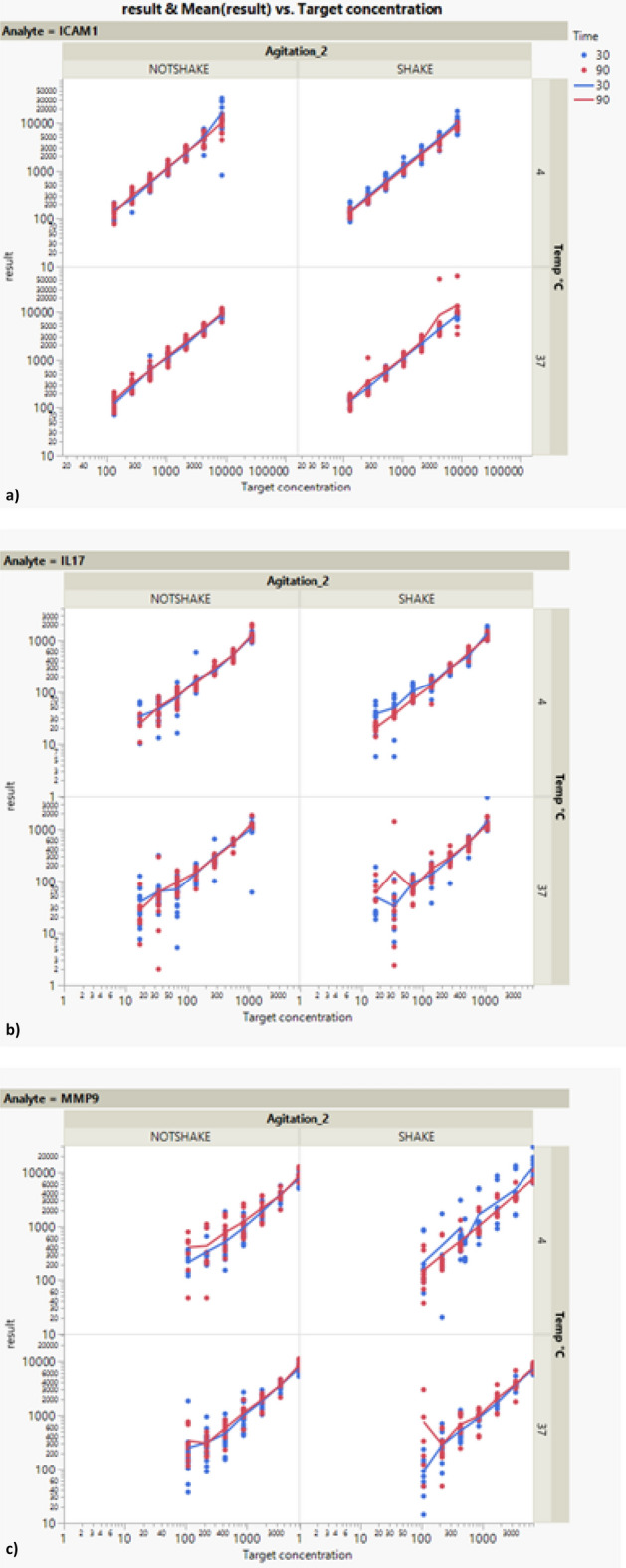
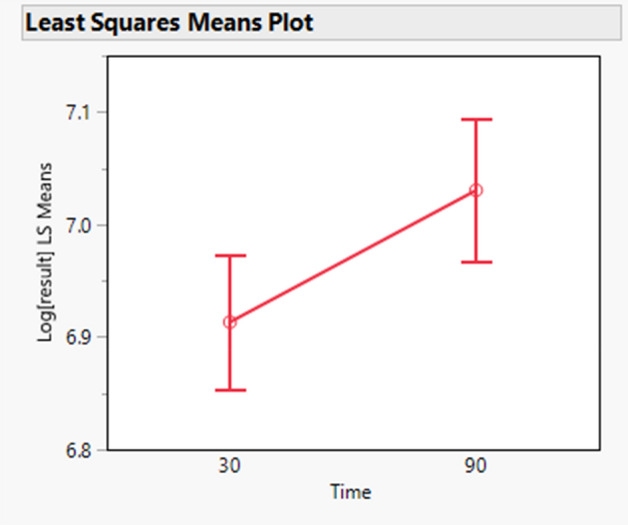
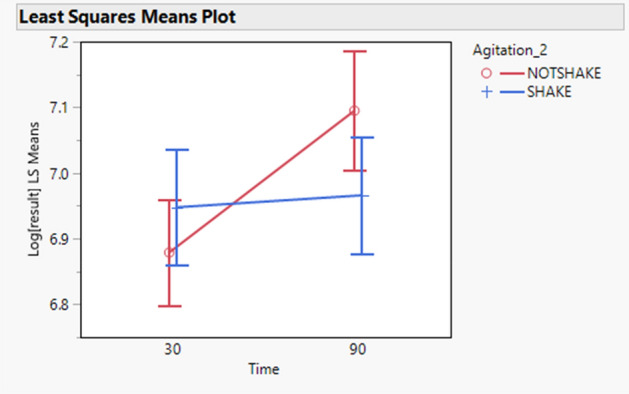
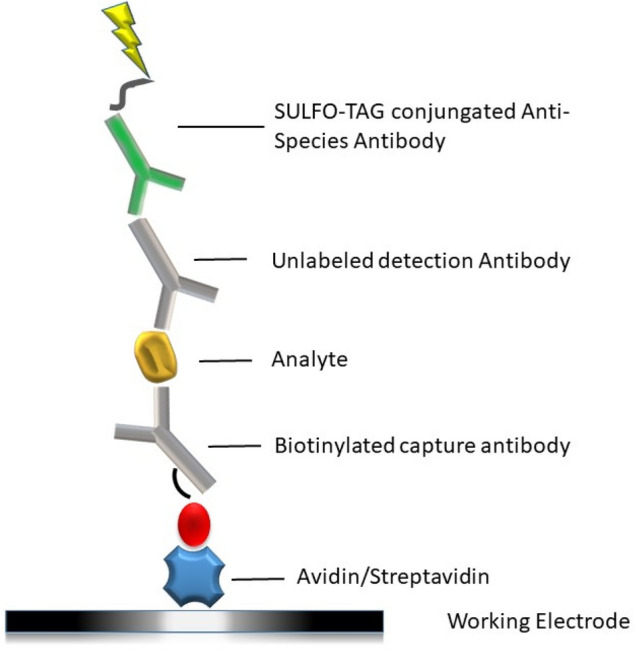
Dry eye disease (DED) is a challenge in ophthalmology. Rat models represent valuable tools to study the pathophysiology and to develop novel treatments. A major challenge in DED research is detecting multiple biomarkers in a low tear volume sample. Multiplex immunoassays for DED rat research are missing. We have developed a multiplex electrochemiluminescence immunoassay (ECLIA) to detect three biomarkers for DED: MMP-9, IL-17 and ICAM-1. Tears, used as matrix, were collected from six healthy Wistar rats. Assays were run based on the U-Plex Meso Scale Diagnostics (MSD) platform, by two independent operators according to the EMA guideline on bioanalytical method validation. Linear mixed, regression models were fit to perform the statistical analysis on the range of concentrations for the chosen analytes. During optimization, it has observed that incubation time, temperature and agitation affected the robustness of the protocol. ECLIA optimum conditions include the use of antibodies at 0.5 µg/ml concentration and 1 h incubation at room temperature with shaking. Precision met the acceptance criteria in the chosen range: 1062-133 pg/ml for ICAM-1, 275-34.4 pg/ml for IL-17, 1750-219 pg/ml for MMP-9. Accuracy and linearity were acceptable for a broader range. This is the first report of a validated ECLIA that allows measurements of three relevant DED biomarkers in rat tear fluids.
干眼症 (DED) 是眼科学的一个挑战。大鼠模型是研究病理生理学和开发新疗法的有价值的工具。DED 研究中的一个主要挑战是在低泪液量样本中检测多种生物标志物。用于 DED 大鼠研究的多重免疫分析方法仍然缺失。我们开发了一种用于检测 DED 的三种生物标志物的多重电化学发光免疫分析 (ECLIA):MMP-9、IL-17 和 ICAM-1。使用作为基质的眼泪,从六只健康的 Wistar 大鼠中收集。根据 U-Plex Meso Scale Diagnostics (MSD) 平台,由两名独立操作人员按照 EMA 生物分析方法验证指南运行检测。线性混合回归模型用于对所选分析物的浓度范围内进行统计分析。在优化过程中,观察到孵育时间、温度和搅拌会影响方案的稳健性。ECLIA 的最佳条件包括使用 0.5µg/ml 浓度的抗体和在室温下孵育 1 小时并搅拌。在所选范围内精度符合验收标准:ICAM-1 为 1062-133pg/ml,IL-17 为 275-34.4pg/ml,MMP-9 为 1750-219pg/ml。更广泛范围内的准确性和线性度是可以接受的。这是首次报道一种经过验证的 ECLIA,可用于测量大鼠泪液中的三种相关 DED 生物标志物。