Calva-Cruz Oscar de Jesús, Ovando-Vázquez Cesaré, De León-Rodríguez Antonio, Veana Fabiola, Espitia-Rangel Eduardo, Treviño Samuel, Barba-de la Rosa Ana Paulina
Molecular Biology Division, Instituto Potosino de Investigación Científica y Tecnológica, San Luis Potosí 78216, Mexico.
CONACYT-Centro Nacional de Supercómputo, Instituto Potosino de Investigación Científica y Tecnológica, San Luis Potosí 78216, Mexico.
Foods. 2023 Jul 20;12(14):2760. doi: 10.3390/foods12142760.
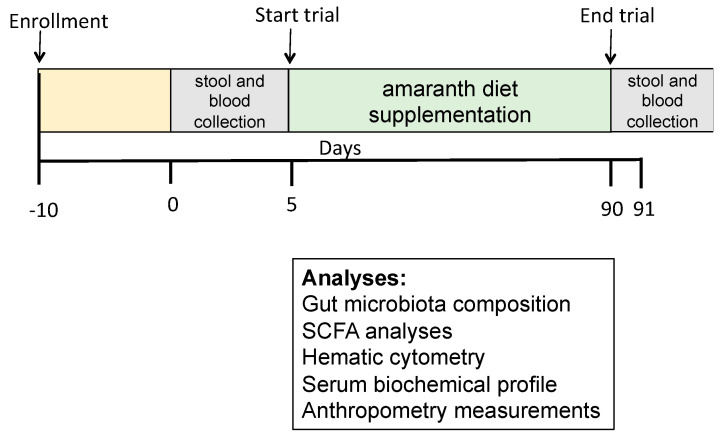
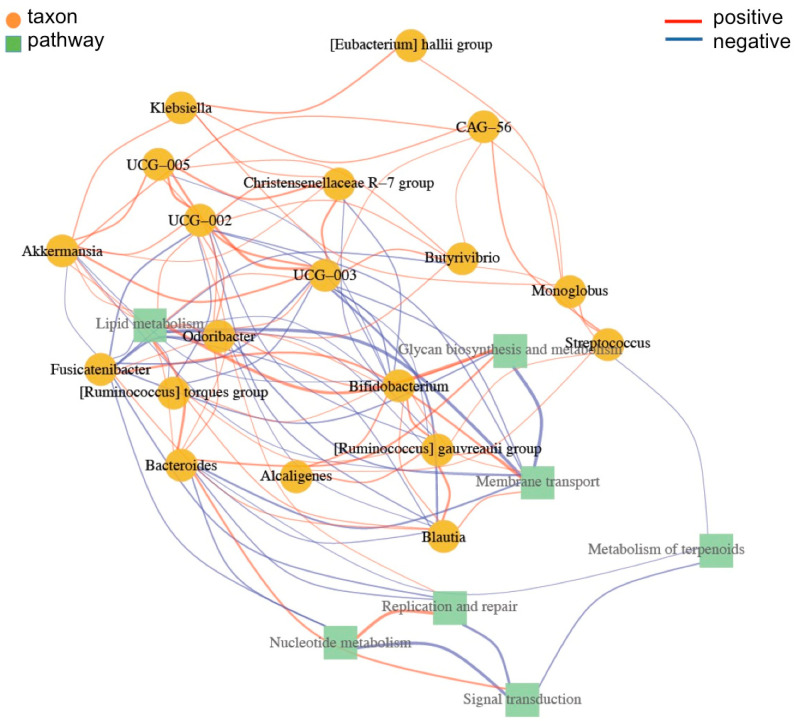
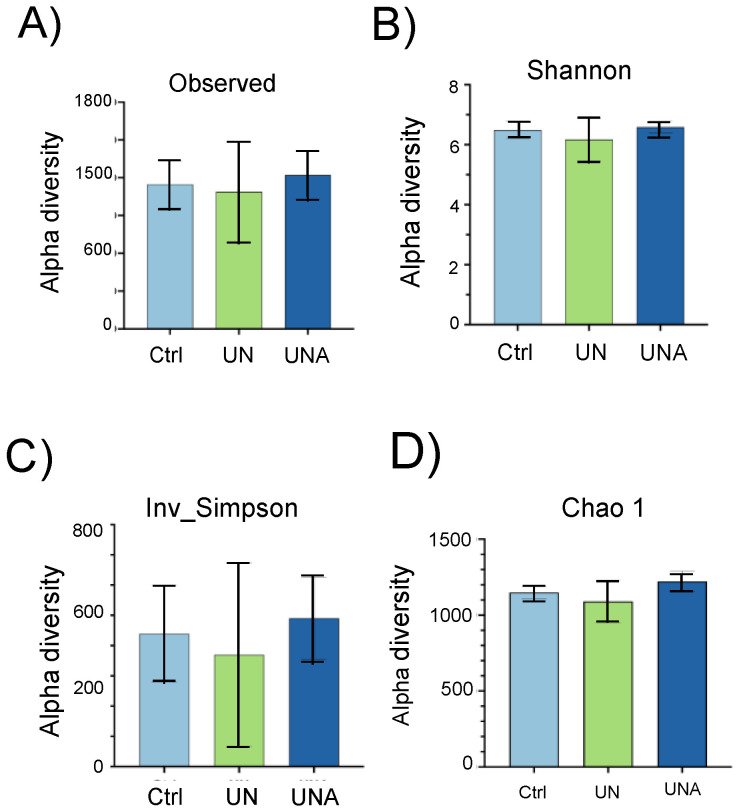
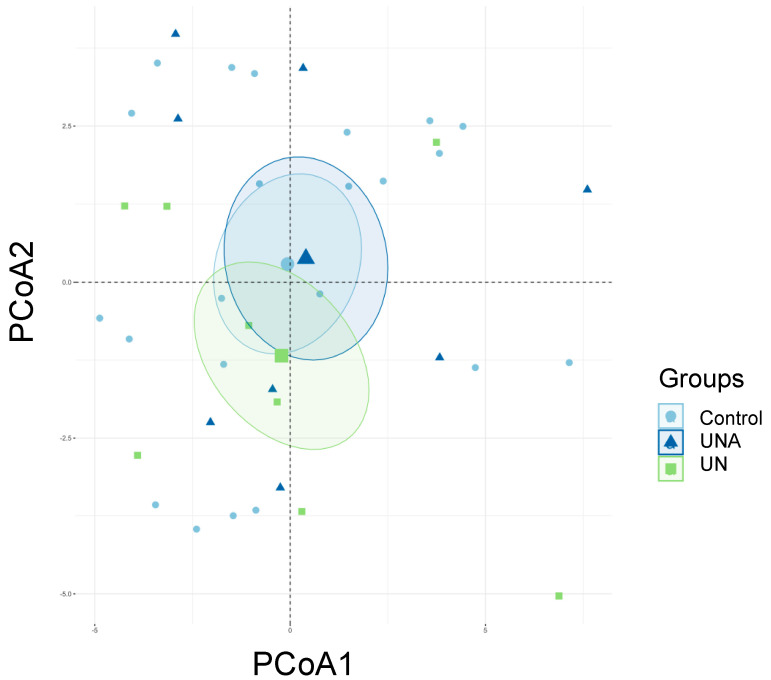
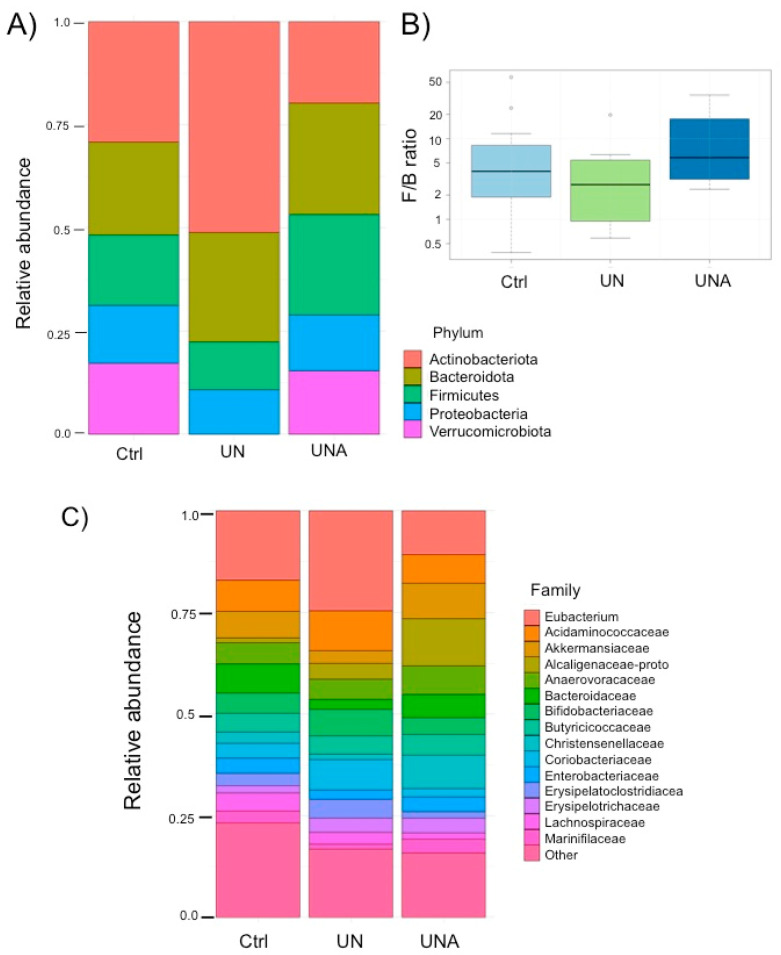
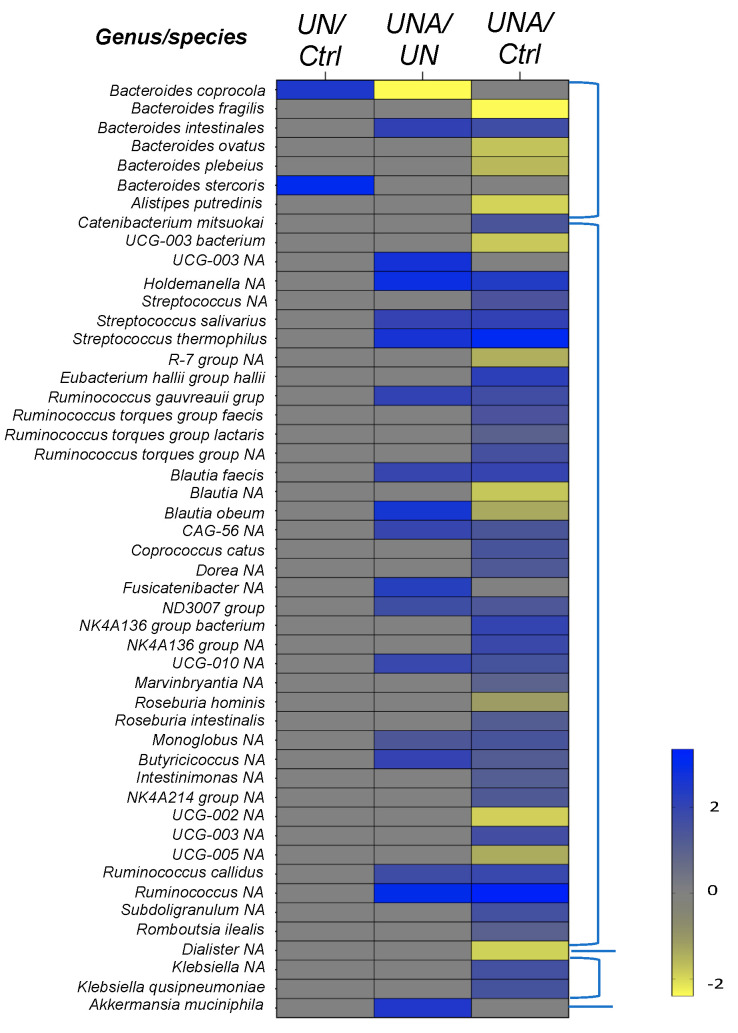
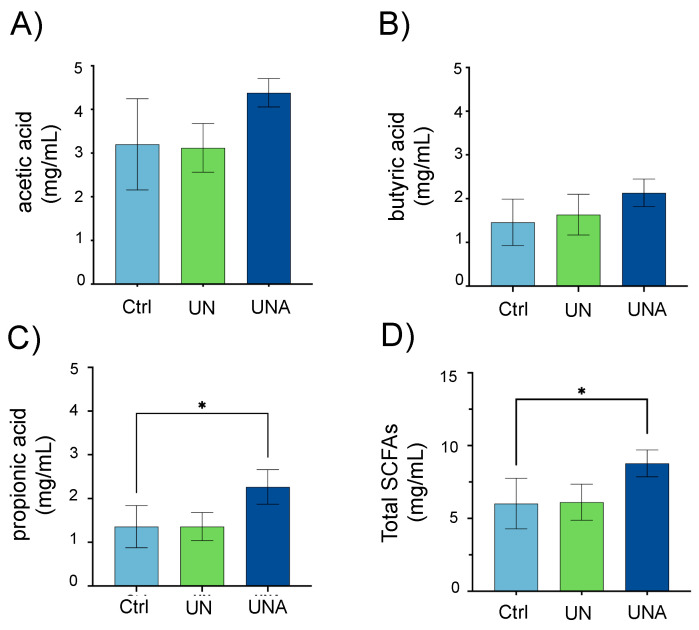
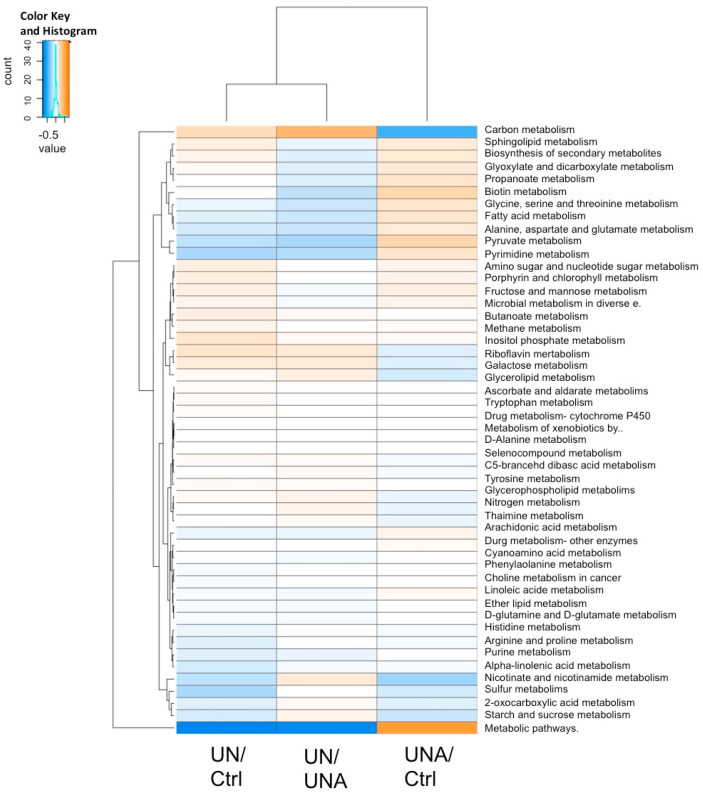
Amaranth has been recognized as a nutraceutical food because it contains high-quality proteins due to its adequate amino acid composition that covers the recommended requirements for children and adults. Since pre-Hispanic times, amaranth has been consumed as popped grain; the popping process improves its nutritive quality and improves its digestibility. Popped amaranth consumption has been associated with the recovery of malnourished children. However, there is no information on the impact that popped amaranth consumption has on gut microbiota composition. A non-randomized pilot trial was conducted to evaluate the changes in composition, structure, and function of the gut microbiota of stunted children who received four grams of popped amaranth daily for three months. Stool and serum were collected at the beginning and at the end of the trial. Short-chain fatty acids (SCFA) were quantified, and gut bacterial composition was analyzed by gene sequencing. Biometry and hematology results showed that children had no pathology other than low height-for-age. A decrease in the relative abundance of , , and bacteria related to inflammation and colitis, and an increase in the relative abundance of and bacteria associated with health and longevity, was observed. The results demonstrate that popped amaranth is a nutritious food that helps to combat childhood malnutrition through gut microbiota modulation.
苋属植物被认为是一种营养食品,因为它含有高质量的蛋白质,其氨基酸组成合理,满足了儿童和成人的推荐需求。自西班牙前时代以来,苋属植物一直被作为爆米花食用;爆米花制作过程提高了其营养质量并改善了消化率。食用爆米花与营养不良儿童的康复有关。然而,关于食用爆米花对肠道微生物群组成的影响尚无相关信息。我们进行了一项非随机试点试验,以评估连续三个月每天摄入4克爆米花的发育迟缓儿童肠道微生物群在组成、结构和功能方面的变化。在试验开始和结束时收集粪便和血清。对短链脂肪酸(SCFA)进行定量,并通过基因测序分析肠道细菌组成。生物测量和血液学结果表明,儿童除了年龄别身高较低外没有其他病理情况。观察到与炎症和结肠炎相关的 、 和 细菌的相对丰度降低,以及与健康和长寿相关的 和 细菌的相对丰度增加。结果表明,爆米花是一种营养食品,通过调节肠道微生物群有助于对抗儿童营养不良。