Department of Pharmacokinetics and Therapeutic Drug Monitoring, Pomeranian Medical University, 70-111 Szczecin, Poland.
Department of Physiology, Pomeranian Medical University, 70-111 Szczecin, Poland.
Genes (Basel). 2023 Jul 10;14(7):1425. doi: 10.3390/genes14071425.
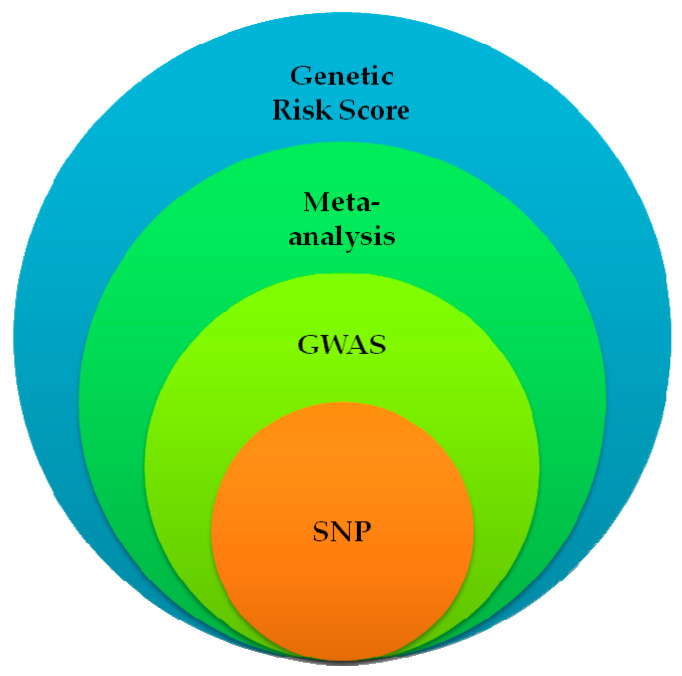
Coronary artery disease (CAD) is one of the leading causes of mortality globally and has long been known to be heritable; however, the specific genetic factors involved have yet to be identified. Recent advances have started to unravel the genetic architecture of this disease and set high expectations about the future use of novel susceptibility variants for its prevention, diagnosis, and treatment. In the past decade, there has been major progress in this area. New tools, like common variant association studies, genome-wide association studies, meta-analyses, and genetic risk scores, allow a better understanding of the genetic risk factors driving CAD. In recent years, researchers have conducted further studies that confirmed the role of numerous genetic factors in the development of CAD. These include genes that affect lipid and carbohydrate metabolism, regulate the function of the endothelium and vascular smooth muscles, influence the coagulation system, or affect the immune system. Many CAD-associated single-nucleotide polymorphisms have been identified, although many of their functions are largely unknown. The inflammatory process that occurs in the coronary vessels is very important in the development of CAD. One important mediator of inflammation is TGFβ1. TGFβ1 plays an important role in the processes leading to CAD, such as by stimulating macrophage and fibroblast chemotaxis, as well as increasing extracellular matrix synthesis. This review discusses the genetic risk factors related to the development of CAD, with a particular focus on polymorphisms of the transforming growth factor β (TGFβ) gene and its receptor.
冠状动脉疾病(CAD)是全球主要的死亡原因之一,长期以来被认为是遗传性的;然而,具体涉及的遗传因素尚未确定。最近的进展开始揭示这种疾病的遗传结构,并对未来利用新型易感性变异来预防、诊断和治疗该病抱有很高的期望。在过去的十年中,该领域取得了重大进展。新的工具,如常见变异关联研究、全基因组关联研究、荟萃分析和遗传风险评分,使我们能够更好地了解导致 CAD 的遗传风险因素。近年来,研究人员进行了进一步的研究,证实了许多遗传因素在 CAD 发展中的作用。这些因素包括影响脂质和碳水化合物代谢、调节内皮和血管平滑肌功能、影响凝血系统或影响免疫系统的基因。已经确定了许多与 CAD 相关的单核苷酸多态性,尽管它们的许多功能在很大程度上仍不清楚。发生在冠状动脉中的炎症过程在 CAD 的发展中非常重要。炎症的一个重要介质是 TGFβ1。TGFβ1 在导致 CAD 的过程中发挥着重要作用,例如刺激巨噬细胞和成纤维细胞趋化性,以及增加细胞外基质的合成。这篇综述讨论了与 CAD 发展相关的遗传风险因素,特别关注转化生长因子β(TGFβ)基因及其受体的多态性。