Shanghai Collaborative Innovation Center of Plant Germplasm Resources Development, College of Life Sciences, Shanghai Normal University, Shanghai 200234, China.
Shanghai Key Laboratory of Protected Horticulture Technology, The Protected Horticulture Institute, Shanghai Academy of Agricultural Sciences, Shanghai 201403, China.
Int J Mol Sci. 2023 Jul 22;24(14):11783. doi: 10.3390/ijms241411783.
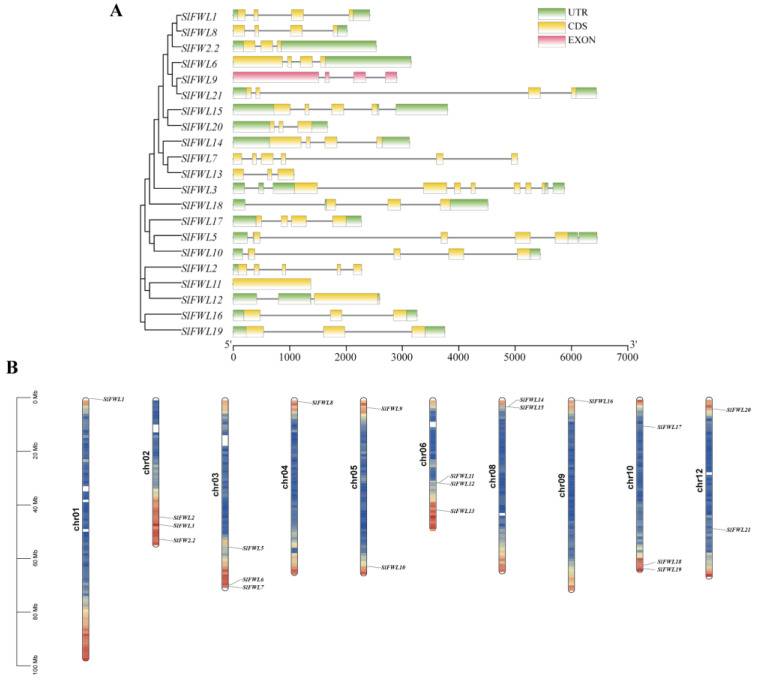
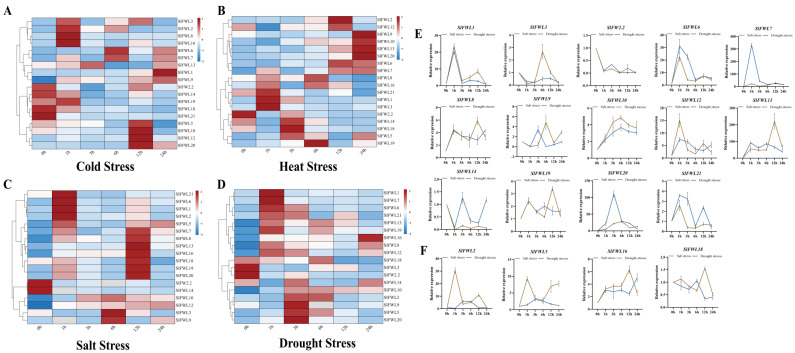
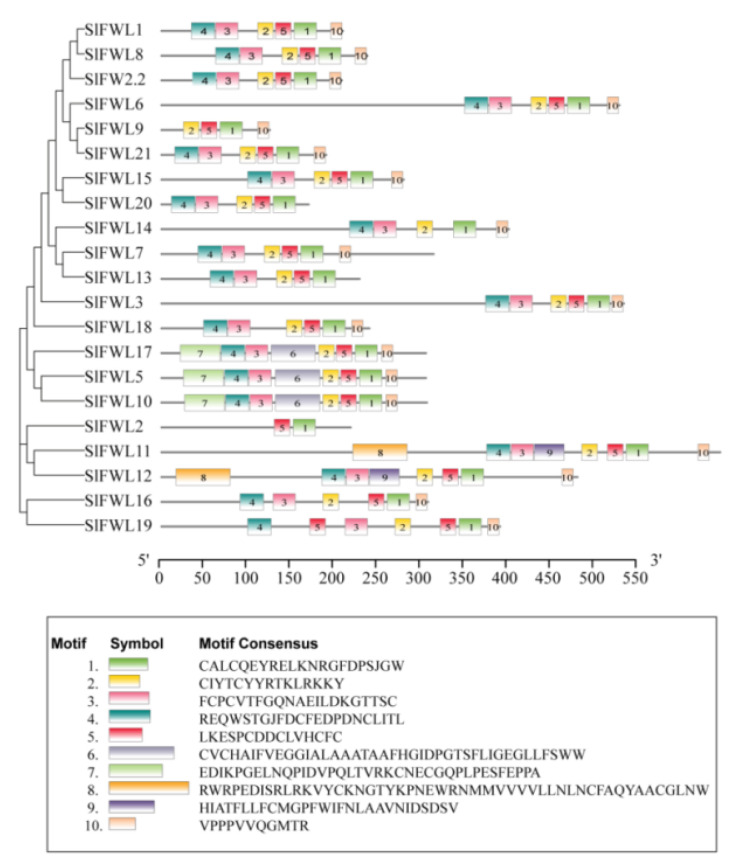
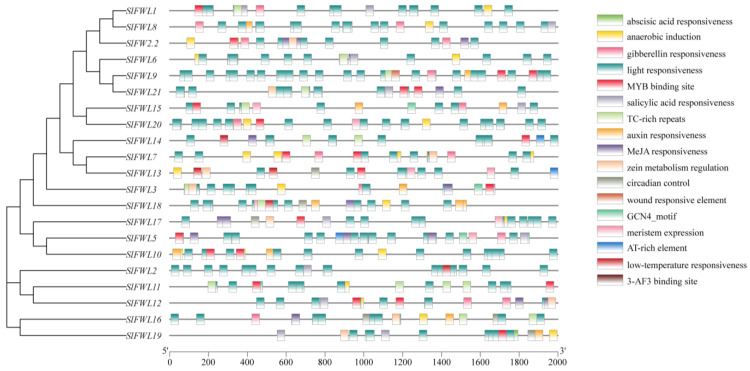
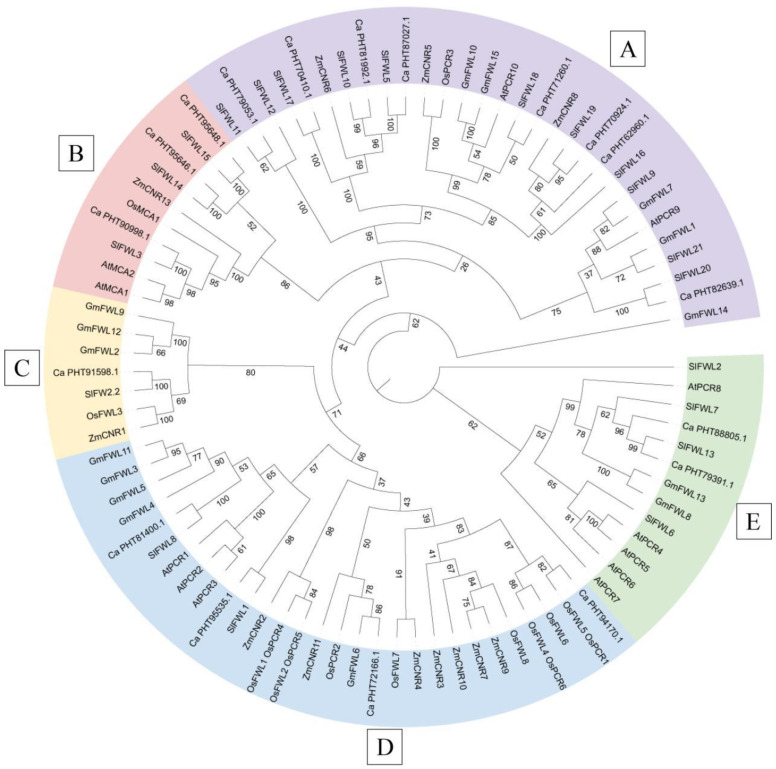
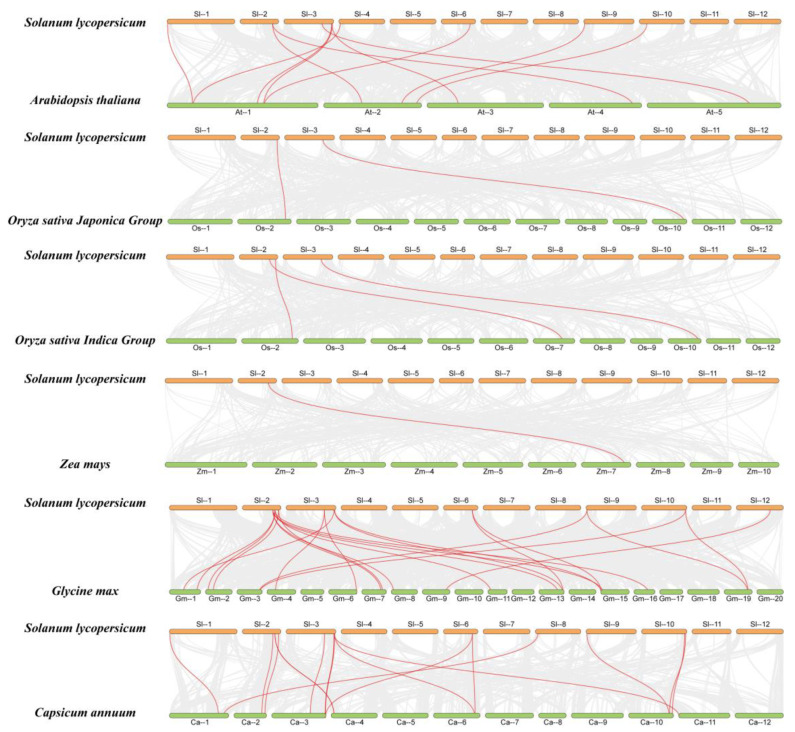
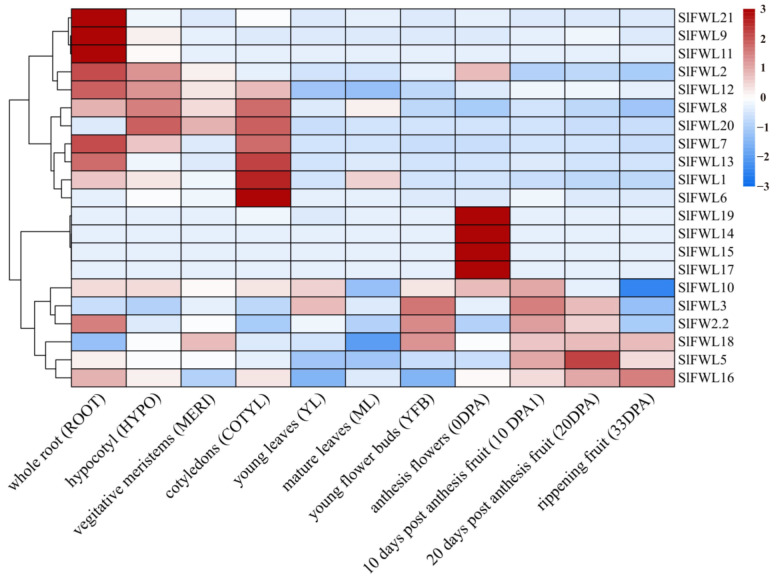
PLAC8 is a cysteine-rich protein that serves as a central mediator of tumor evolution in mammals. PLAC8 motif-containing proteins widely distribute in fungi, algae, higher plants and animals that have been described to be implicated in fruit size, cell number and the transport of heavy metals such as cadmium or zinc. In tomatoes, is a PLAC8 motif-containing gene that negatively controls fruit size by regulating cell division and expansion in the carpel ovary during fruit development. However, despite , other genes in tomatoes have not been investigated. In this study, we identified the 21 genes, including , examined their expression profiles under various abiotic adversity-related conditions. The gene structures and motif compositions are conserved, indicating that tomato genes may have similar roles. Cis-acting element analysis revealed that the genes may participate in light and abiotic stress responses, and they also interacted with a variety of phytohormone-responsive proteins and plant development elements. Phylogenetic analyses were performed on five additional plant species, including , pepper, soybean, rice and maize, these genes were classified into five subfamilies. Based on the results of collinearity analyses, the genes have a tighter homologous evolutionary relationship with soybean, and these orthologous gene pairs might have the common ancestor. Expression profiling of genes show that they were all responsive to abiotic stresses, each subgroup of genes exhibited a different expression trend. Our findings provide a strong foundation for investigating the function and abiotic stress responses of the family genes.
PLAC8 是一种富含半胱氨酸的蛋白质,作为哺乳动物肿瘤进化的中心介质。PLAC8 基序包含的蛋白质广泛分布于真菌、藻类、高等植物和动物中,这些蛋白质已被描述为与果实大小、细胞数量以及重金属如镉或锌的运输有关。在番茄中, 是一种含有 PLAC8 基序的基因,通过调节果实发育过程中心皮子房中的细胞分裂和扩张来负调控果实大小。然而,尽管如此,番茄中的其他 基因尚未被研究。在这项研究中,我们鉴定了 21 个 基因,包括 ,研究了它们在各种非生物逆境相关条件下的表达谱。 基因的结构和基序组成是保守的,表明番茄 基因可能具有相似的作用。顺式作用元件分析表明, 基因可能参与光和非生物胁迫反应,它们还与多种植物激素响应蛋白和植物发育元件相互作用。对包括 在内的另外 5 种植物物种进行了系统发育分析,这些基因被分为 5 个亚家族。基于共线性分析的结果, 基因与大豆具有更紧密的同源进化关系,这些直系同源 基因对可能具有共同的祖先。 基因的表达谱分析表明,它们都对非生物胁迫有反应,每个亚组的基因表现出不同的表达趋势。我们的研究结果为研究 家族基因的功能和非生物胁迫反应提供了坚实的基础。