Burrowes K S, Ruppage M, Lowry A, Zhao D
Auckland Bioengineering Institute, University of Auckland, Auckland, New Zealand.
Department of Nursing, Faculty of Medical and Health Sciences, University of Auckland, Auckland, New Zealand.
Front Physiol. 2023 Jul 13;14:1186646. doi: 10.3389/fphys.2023.1186646. eCollection 2023.
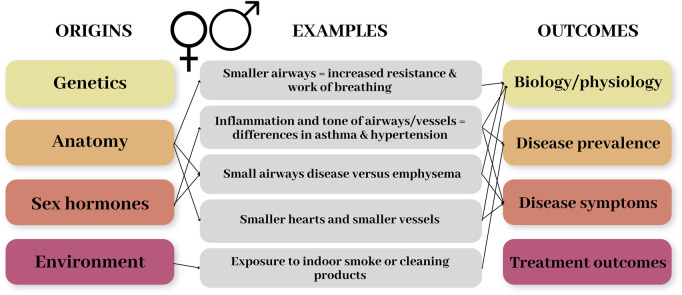
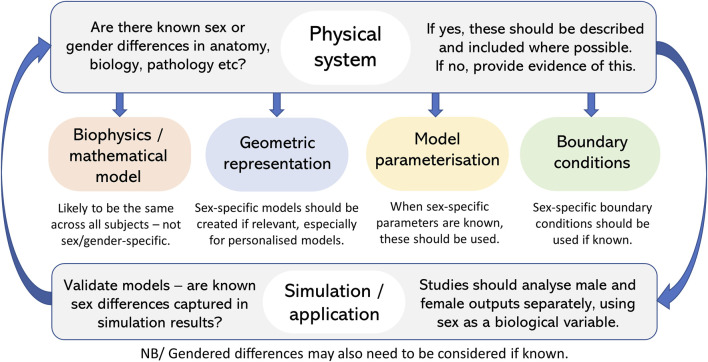
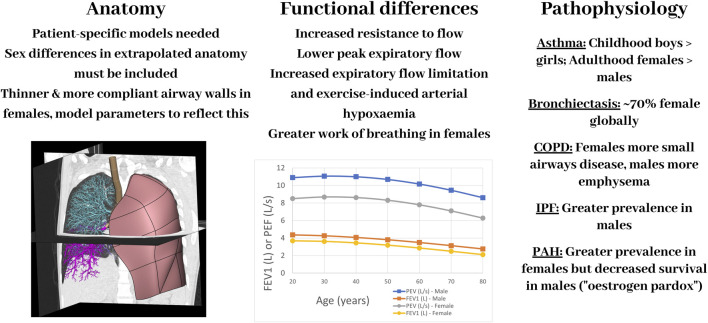
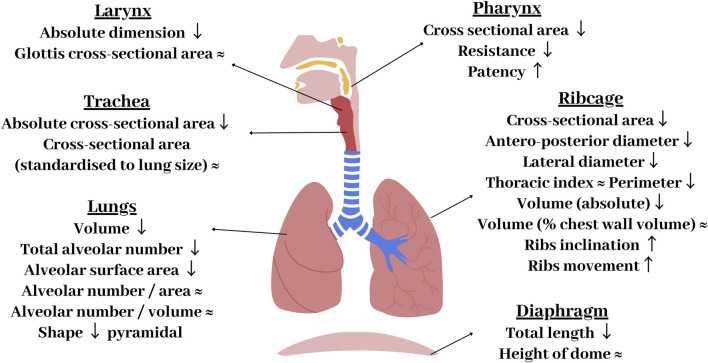
Personalised medicine and the development of a virtual human or a digital twin comprises visions of the future of medicine. To realise these innovations, an understanding of the biology and physiology of all people are required if we wish to apply these technologies at a population level. Sex differences in health and biology is one aspect that has frequently been overlooked, with young white males being seen as the "average" human being. This has not been helped by the lack of inclusion of female cells and animals in biomedical research and preclinical studies or the historic exclusion, and still low in proportion, of women in clinical trials. However, there are many known differences in health between the sexes across all scales of biology which can manifest in differences in susceptibility to diseases, symptoms in a given disease, and outcomes to a given treatment. Neglecting these important differences in the development of any health technologies could lead to adverse outcomes for both males and females. Here we highlight just some of the sex differences in the cardio-respiratory systems with the goal of raising awareness that these differences exist. We discuss modelling studies that have considered sex differences and touch on how and when to create sex-specific models. Scientific studies should ensure sex differences are included right from the study planning phase and results reported using sex as a biological variable. Computational models must have sex-specific versions to ensure a movement towards personalised medicine is realised.
个性化医疗以及虚拟人或数字替身的发展构成了医学未来的愿景。为了实现这些创新,如果我们希望在人群层面应用这些技术,就需要了解所有人的生物学和生理学知识。健康和生物学方面的性别差异是一个经常被忽视的方面,年轻白人男性被视为“普通”人类。生物医学研究和临床前研究中缺乏女性细胞和动物的纳入,或者临床试验中女性的历史性排除(且比例仍然很低),这无助于解决这个问题。然而,在生物学的所有尺度上,男女之间在健康方面存在许多已知差异,这些差异可能表现为对疾病的易感性差异、特定疾病的症状差异以及特定治疗的结果差异。在任何健康技术的开发过程中忽视这些重要差异可能会给男性和女性带来不良后果。在此,我们仅强调心肺系统中的一些性别差异,目的是提高人们对这些差异存在的认识。我们讨论了考虑性别差异的建模研究,并探讨如何以及何时创建特定性别的模型。科学研究应确保从研究规划阶段就纳入性别差异,并将性别作为生物学变量报告结果。计算模型必须有特定性别的版本,以确保朝着个性化医疗的方向发展得以实现。