Khodursky Samuel, Jiang Caroline S, Zheng Eric B, Vaughan Roger, Schrider Daniel R, Zhao Li
Laboratory of Evolutionary Genetics and Genomics, The Rockefeller University, New York, NY 10065, USA.
Department of Biostatistics, The Rockefeller University, New York, NY 10065, USA.
PNAS Nexus. 2022 Oct 26;1(5):pgac243. doi: 10.1093/pnasnexus/pgac243. eCollection 2022 Nov.
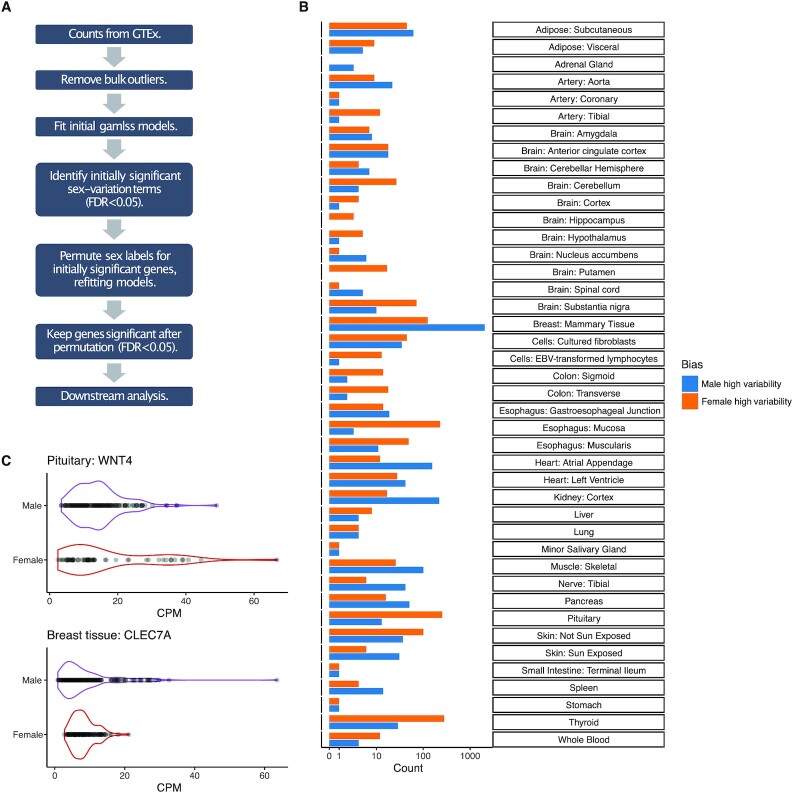
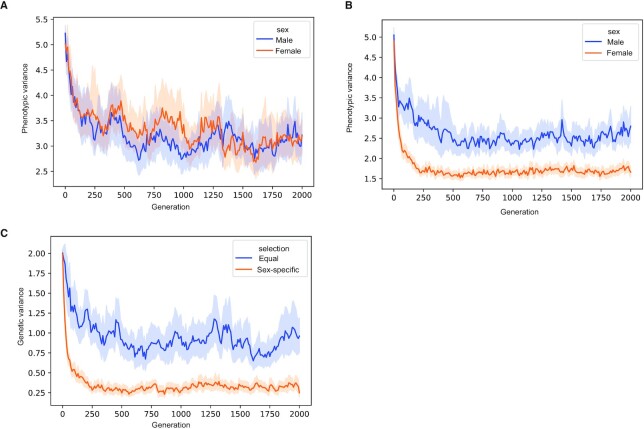
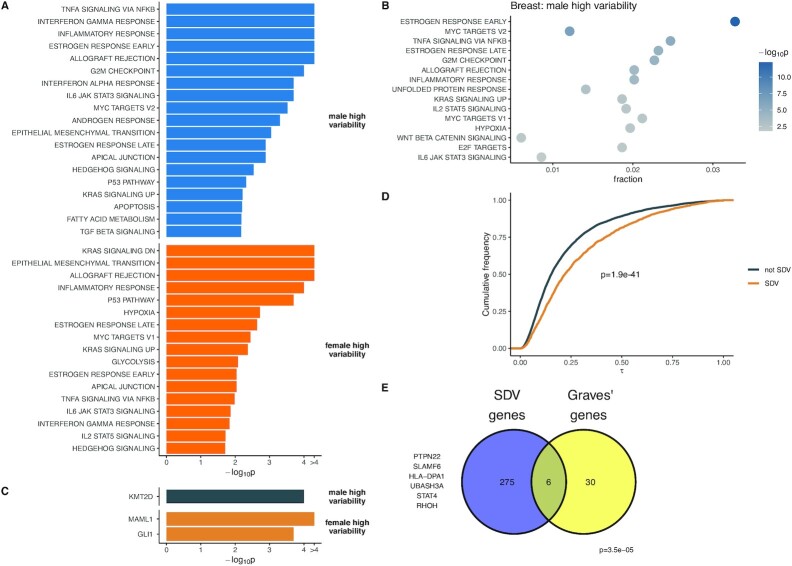
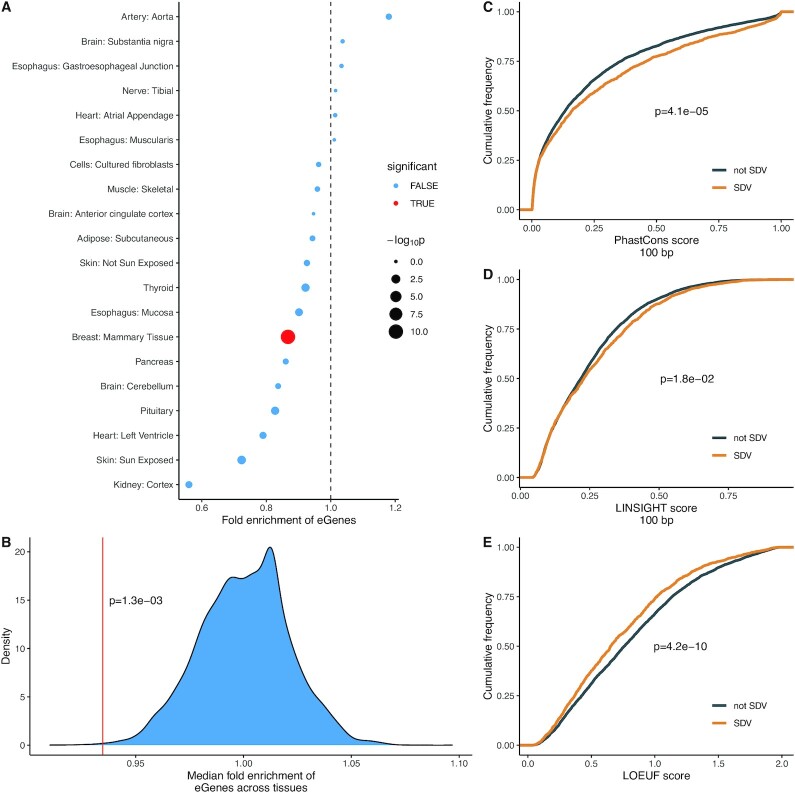
Understanding phenotypic sex differences has long been a goal of biology from both a medical and evolutionary perspective. Although much attention has been paid to mean differences in phenotype between the sexes, little is known about sex differences in phenotypic variability. To gain insight into sex differences in interindividual variability at the molecular level, we analyzed RNA-seq data from 43 tissues from the Genotype-Tissue Expression project (GTEx). Within each tissue, we identified genes that show sex differences in gene expression variability. We found that these sex-differentially variable (SDV) genes are associated with various important biological functions, including sex hormone response, immune response, and other signaling pathways. By analyzing single-cell RNA sequencing data collected from breast epithelial cells, we found that genes with sex differences in gene expression variability in breast tissue tend to be expressed in a cell-type-specific manner. We looked for an association between SDV expression and Graves' disease, a well-known heavily female-biased disease, and found a significant enrichment of Graves' associated genes among genes with higher variability in females in thyroid tissue. This suggests a possible role for SDV expression in sex-biased disease. We then examined the evolutionary constraints acting on genes with sex differences in variability and found that they exhibit evidence of increased selective constraint. Through analysis of sex-biased eQTL data, we found evidence that SDV expression may have a genetic basis. Finally, we propose a simple evolutionary model for the emergence of SDV expression from sex-specific constraints.
从医学和进化的角度来看,了解表型性别差异长期以来一直是生物学的一个目标。尽管人们对两性之间表型的平均差异给予了很多关注,但对于表型变异性的性别差异却知之甚少。为了在分子水平上深入了解个体间变异性的性别差异,我们分析了来自基因型-组织表达项目(GTEx)43种组织的RNA测序数据。在每个组织中,我们鉴定出在基因表达变异性方面存在性别差异的基因。我们发现,这些性别差异可变(SDV)基因与各种重要的生物学功能相关,包括性激素反应、免疫反应和其他信号通路。通过分析从乳腺上皮细胞收集的单细胞RNA测序数据,我们发现乳腺组织中基因表达变异性存在性别差异的基因倾向于以细胞类型特异性的方式表达。我们寻找SDV表达与格雷夫斯病(一种众所周知的女性高发疾病)之间的关联,发现在甲状腺组织中女性变异性较高的基因中,格雷夫斯病相关基因显著富集。这表明SDV表达在性别偏向性疾病中可能发挥作用。然后,我们研究了作用于变异性存在性别差异的基因的进化约束,发现它们表现出选择性约束增加的证据。通过对性别偏向性eQTL数据的分析,我们发现有证据表明SDV表达可能具有遗传基础。最后,我们提出了一个从性别特异性约束中出现SDV表达的简单进化模型。