KrishnaRaju Alluri Venkata, Somepalli Venkateswarlu, Thanawala Shefali, Shah Rajat
Department of Pharmacology and Clinical Research, Laila Nutraceuticals, Vijayawada, Andhra Pradesh, India.
Department of Research and Development, Laila Nutraceuticals, Vijayawada, Andhra Pradesh, India.
J Exp Pharmacol. 2023 Jul 25;15:291-305. doi: 10.2147/JEP.S407906. eCollection 2023.
Stress is the psychological, physiological, and behavioral response of an individual's body when they perceive a lack of equilibrium between the demands placed upon them and their ability to meet those demands. Adaptogens are herbs that help with stress management, and Ashwagandha is one such safe and effective adaptogen.
We evaluated the anti-neuroinflammatory potential of Ashwagandha sustained-release formulation (AshwaSR) by estimating the in vitro expression of pro-inflammatory cytokines, and its efficacy on anxiety and depression in an in vivo study.
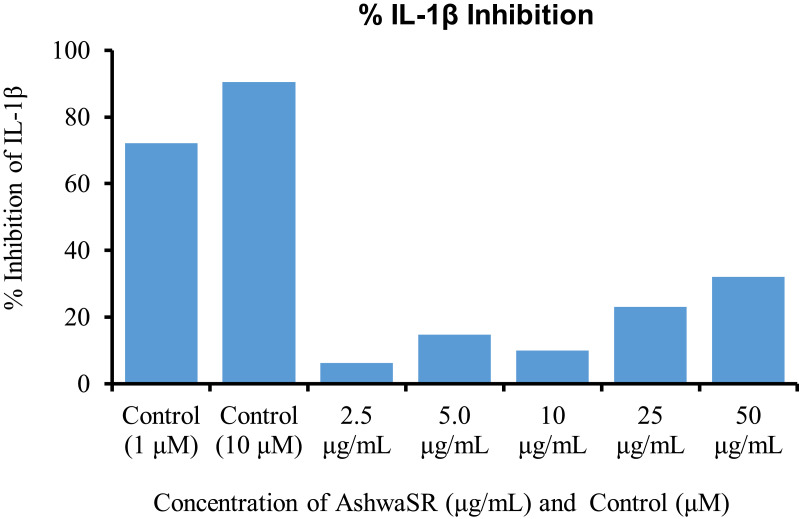
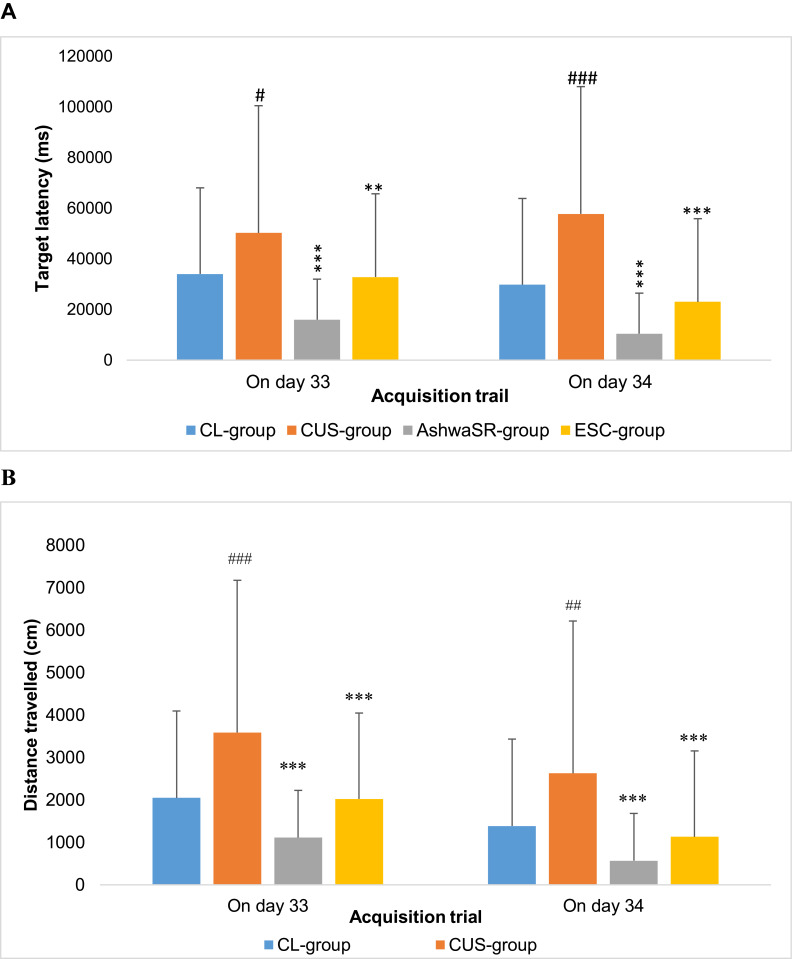
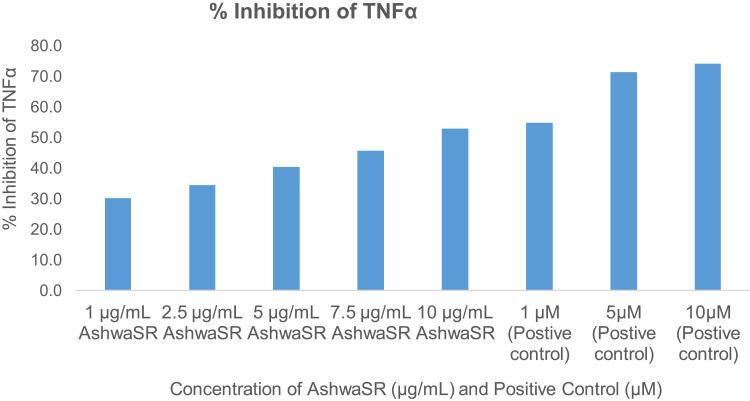
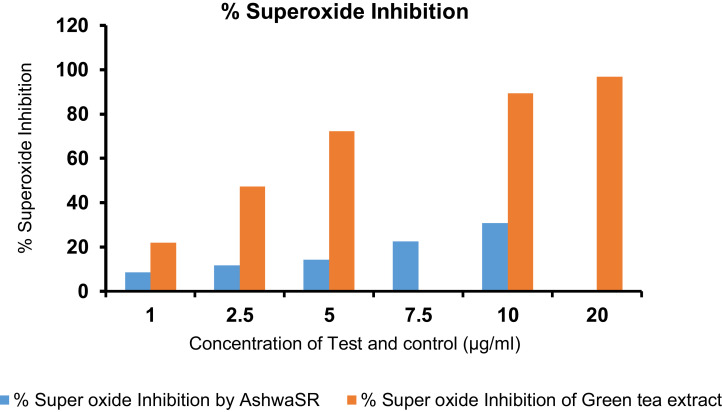
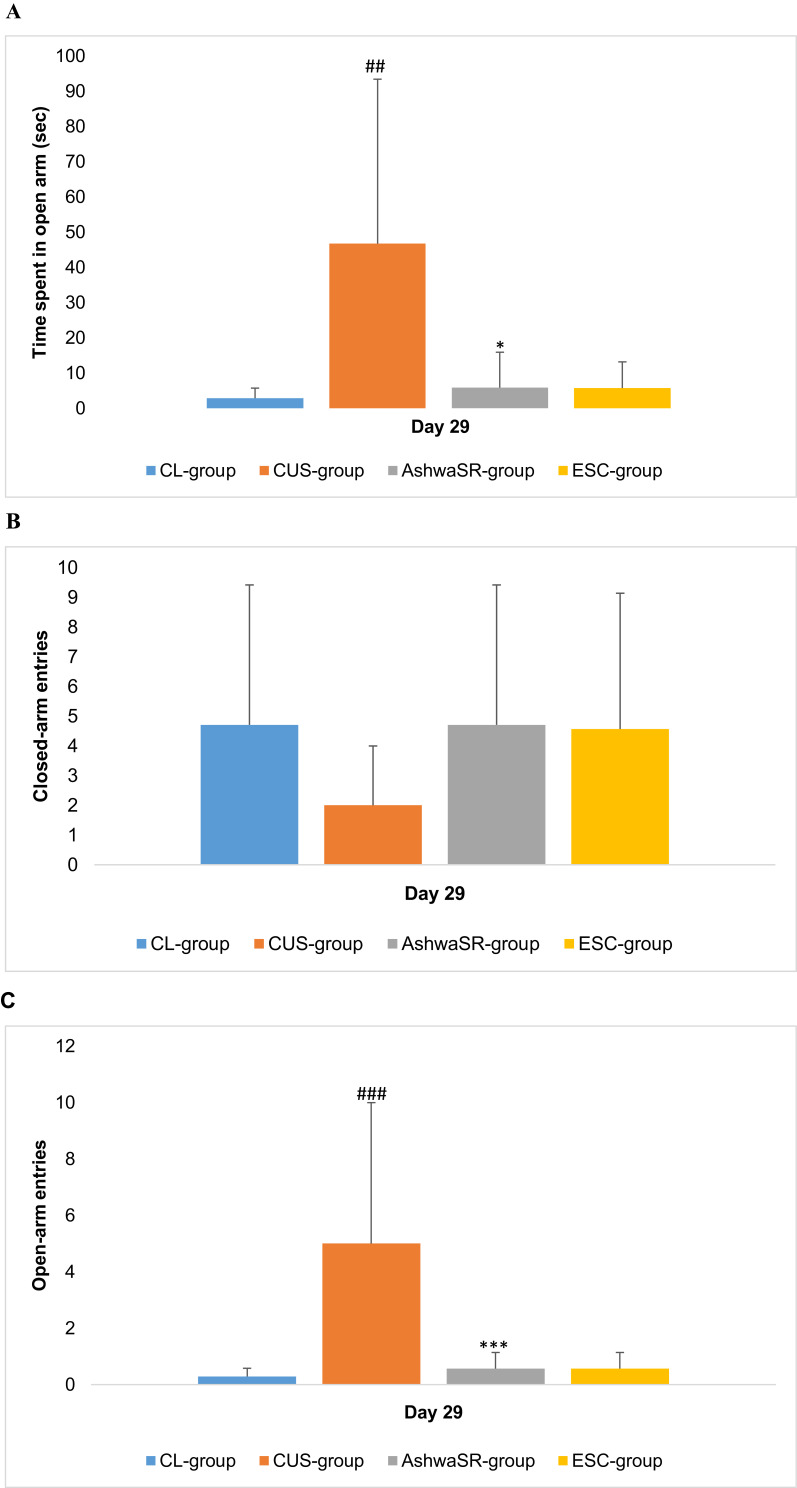
Our in vitro study investigated the anti-inflammatory potential of AshwaSR by estimating the expression of tumour necrosis factor [TNF]-α and interleukin [IL]-1β levels in LPS-induced THP-1 human monocytes, and the antioxidant effects by its potential to inhibit the superoxide [SO] generation in PMA-induced HL-60 human monocytic cells. The in vivo study assessed the efficacy of AshwaSR on chronic unpredictable stress (CUS)-induced comorbid anxiety and depression in rats. Antidepressant and anxiolytic effects of AshwaSR were evaluated by open field test (OFT), elevated plus maze (EPM), forced swim test (FST), and Morris water maze (MWM) test.
AshwaSR inhibited TNF-α, IL-1β and superoxide production in a dose-dependent manner in the in vitro study. The in vivo CUS model induced depression-like and anxiety-like behaviour. Treatments with AshwaSR and escitalopram showed improvement in the EPM and MWM models compared to the CUS-group.
In vitro study demonstrated that AshwaSR inhibits expressions of pro-inflammatory cytokines, IL-1β and TNF-α, and superoxide production. Further, the in vivo study confirmed its anxiolytic and stress-relieving effects in the CUS model that confirmed AshwaSR's potential in managing stress and stress-related symptoms.
压力是个体在感知到自身所面临的需求与满足这些需求的能力之间缺乏平衡时,身体产生的心理、生理和行为反应。适应原是有助于管理压力的草药,而印度人参就是一种安全有效的适应原。
我们通过评估促炎细胞因子的体外表达,来评价印度人参缓释制剂(AshwaSR)的抗神经炎症潜力,并在体内研究中评估其对焦虑和抑郁的疗效。
我们的体外研究通过估计脂多糖诱导的THP-1人单核细胞中肿瘤坏死因子[TNF]-α和白细胞介素[IL]-1β水平的表达,来研究AshwaSR的抗炎潜力,并通过其抑制佛波酯诱导的HL-60人单核细胞中超氧化物[SO]生成的潜力来评估其抗氧化作用。体内研究评估了AshwaSR对大鼠慢性不可预测应激(CUS)诱导的共病焦虑和抑郁的疗效。通过旷场试验(OFT)、高架十字迷宫(EPM)、强迫游泳试验(FST)和莫里斯水迷宫(MWM)试验评估AshwaSR的抗抑郁和抗焦虑作用。
在体外研究中,AshwaSR以剂量依赖性方式抑制TNF-α、IL-1β和超氧化物的产生。体内CUS模型诱导出抑郁样和焦虑样行为。与CUS组相比,AshwaSR和艾司西酞普兰治疗在EPM和MWM模型中显示出改善。
体外研究表明,AshwaSR抑制促炎细胞因子IL-1β和TNF-α的表达以及超氧化物的产生。此外,体内研究证实了其在CUS模型中的抗焦虑和缓解应激作用,证实了AshwaSR在管理应激和应激相关症状方面的潜力。