May David, Sanchez Sara, Gilby Jennifer, Altpeter Fredy
Agronomy Department, Institute of Food and Agricultural Sciences, University of Florida, Gainesville, FL, United States.
Genetics Institute, University of Florida, Gainesville, FL, United States.
Front Plant Sci. 2023 Jul 13;14:1225775. doi: 10.3389/fpls.2023.1225775. eCollection 2023.
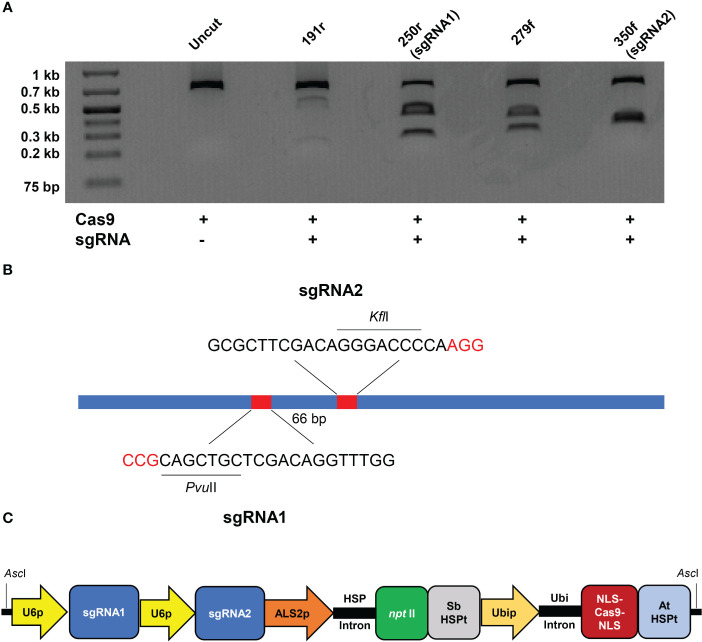
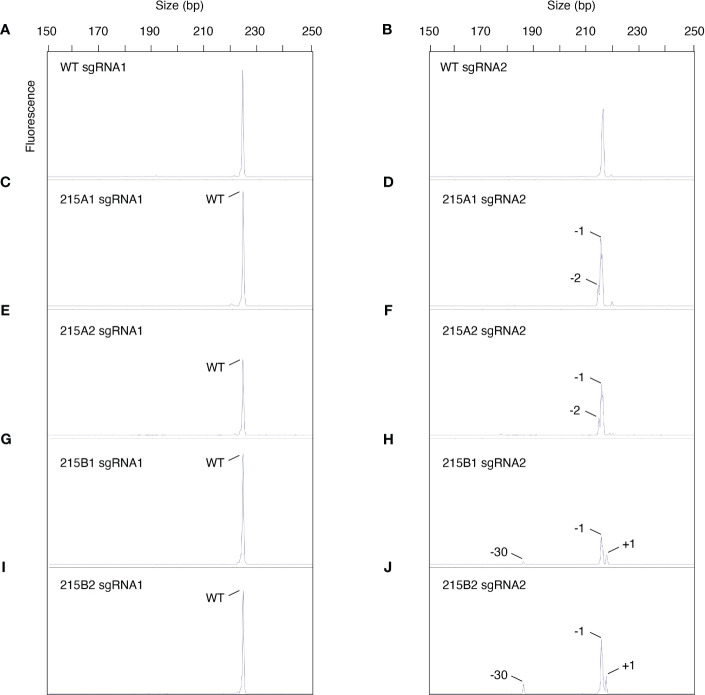
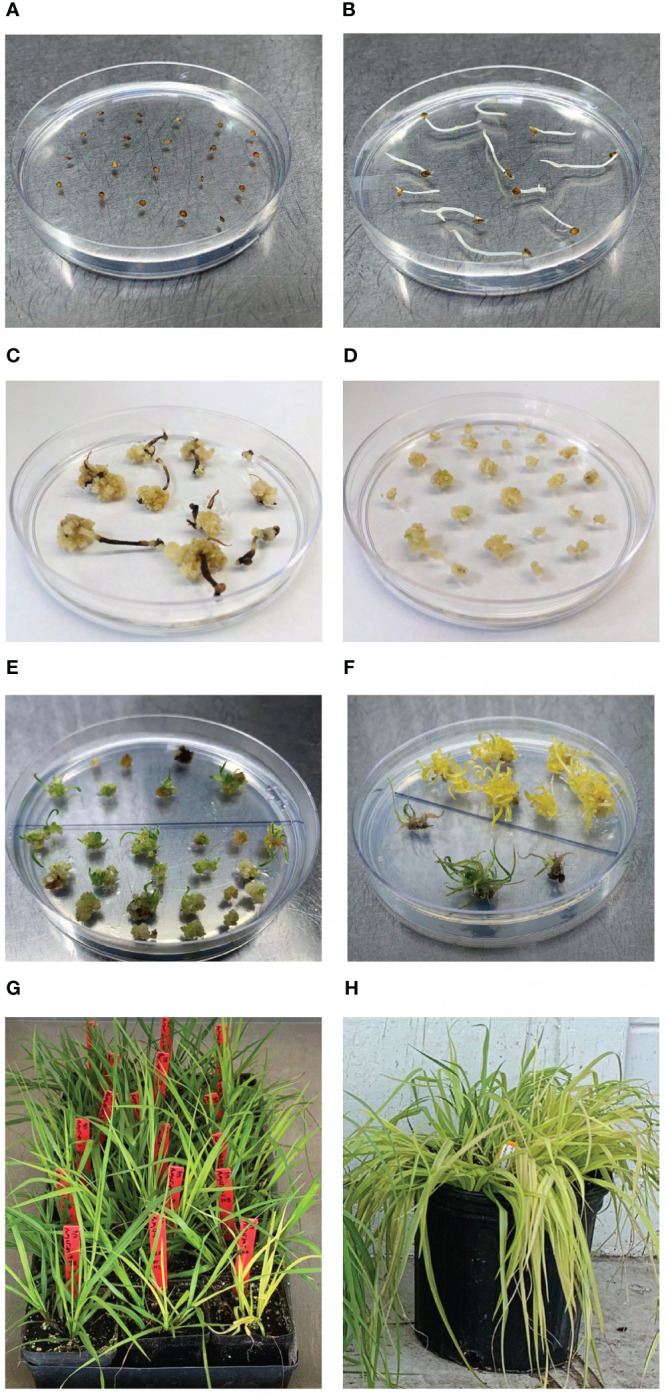
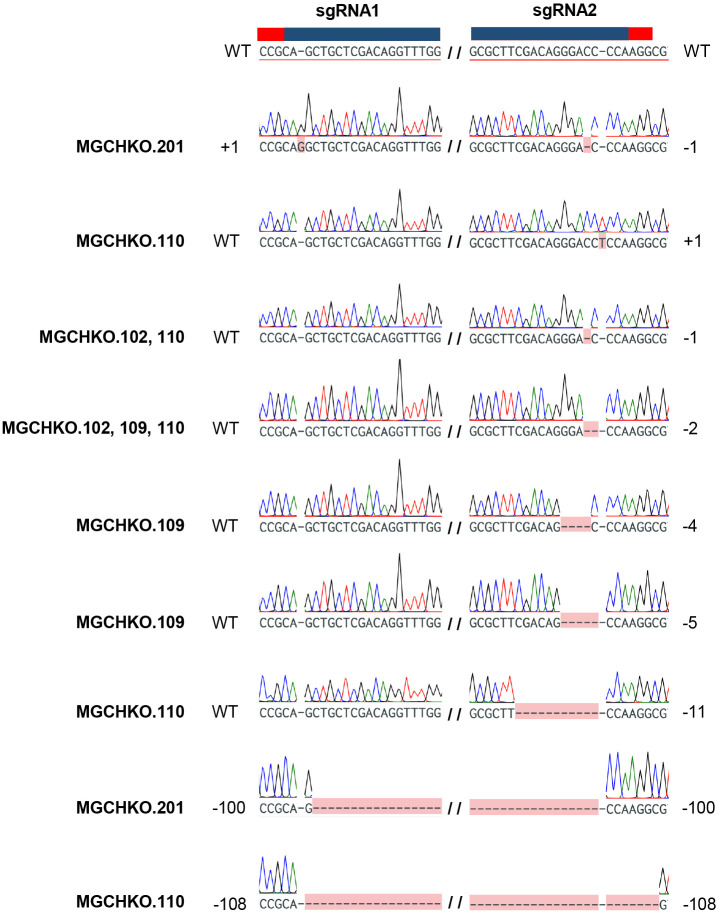
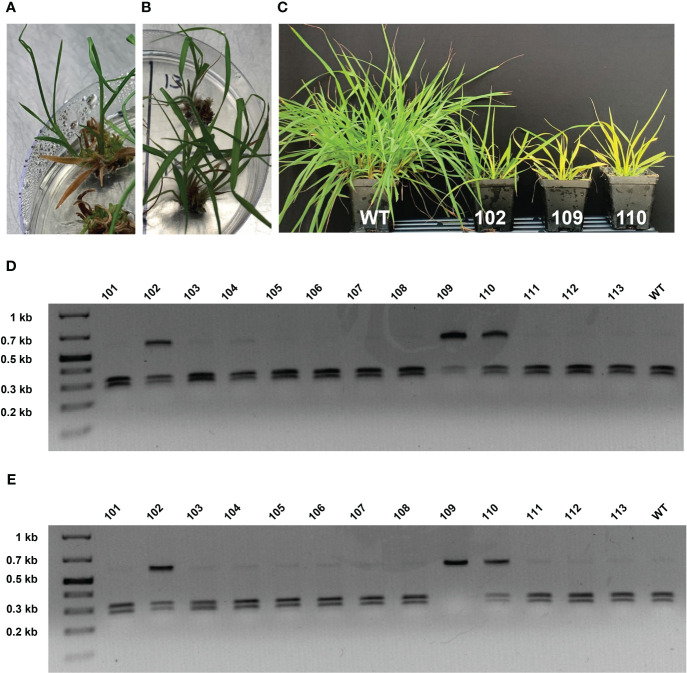
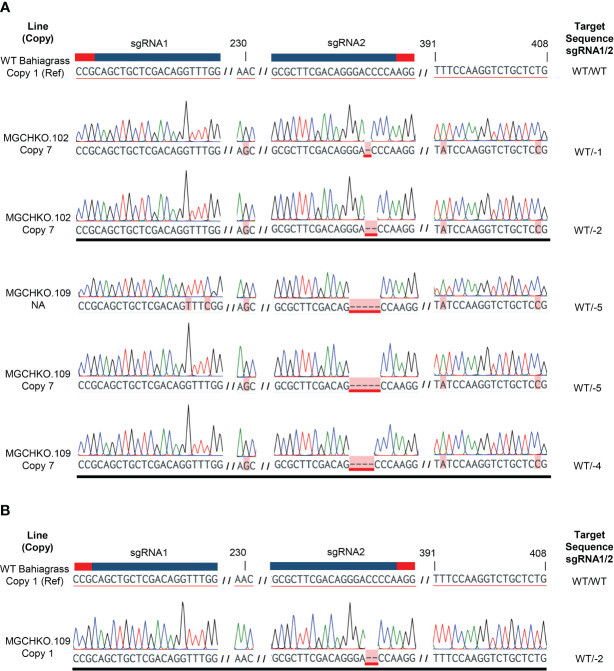
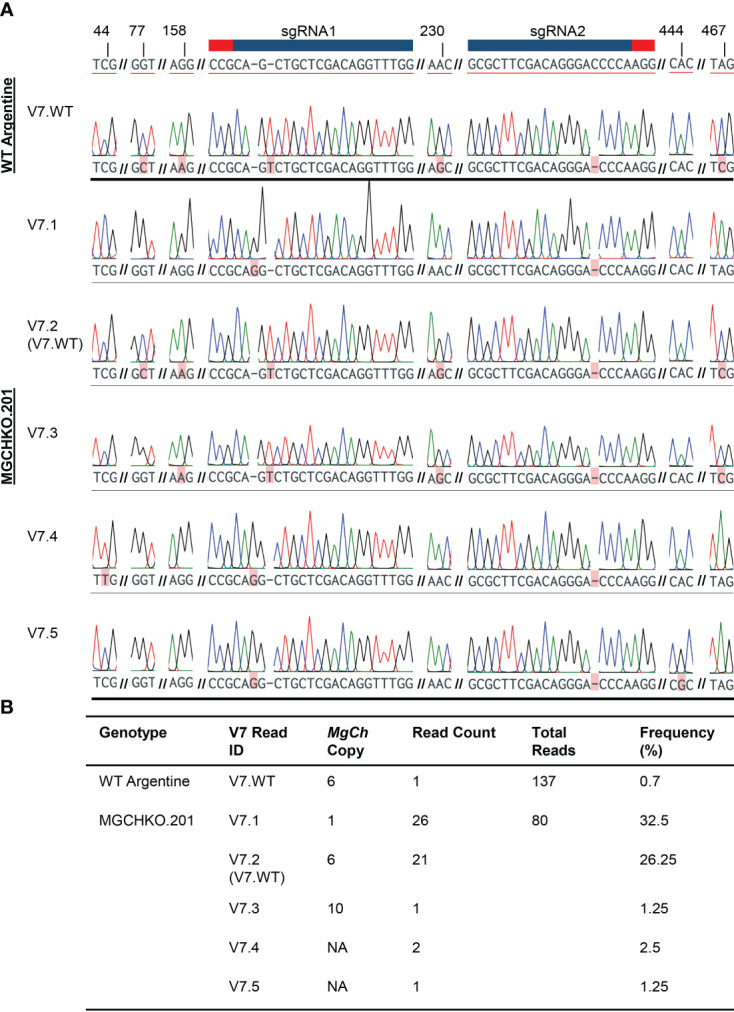
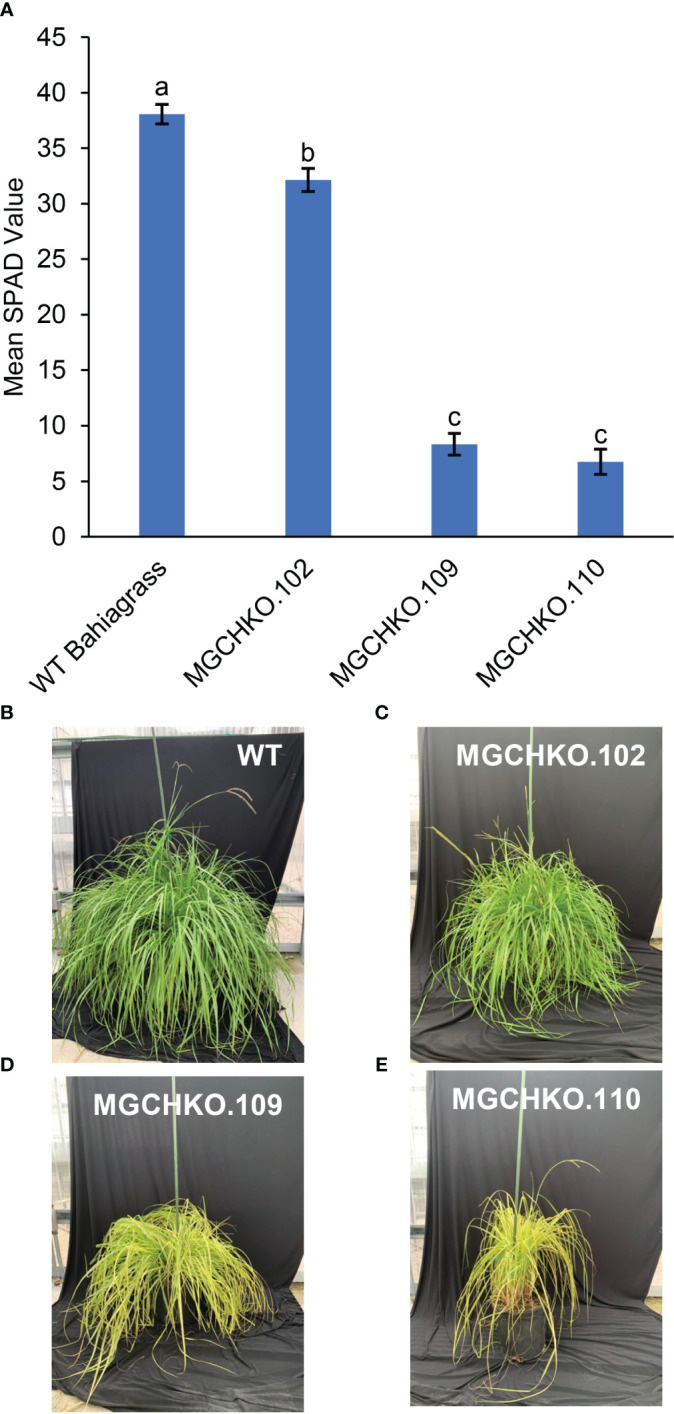
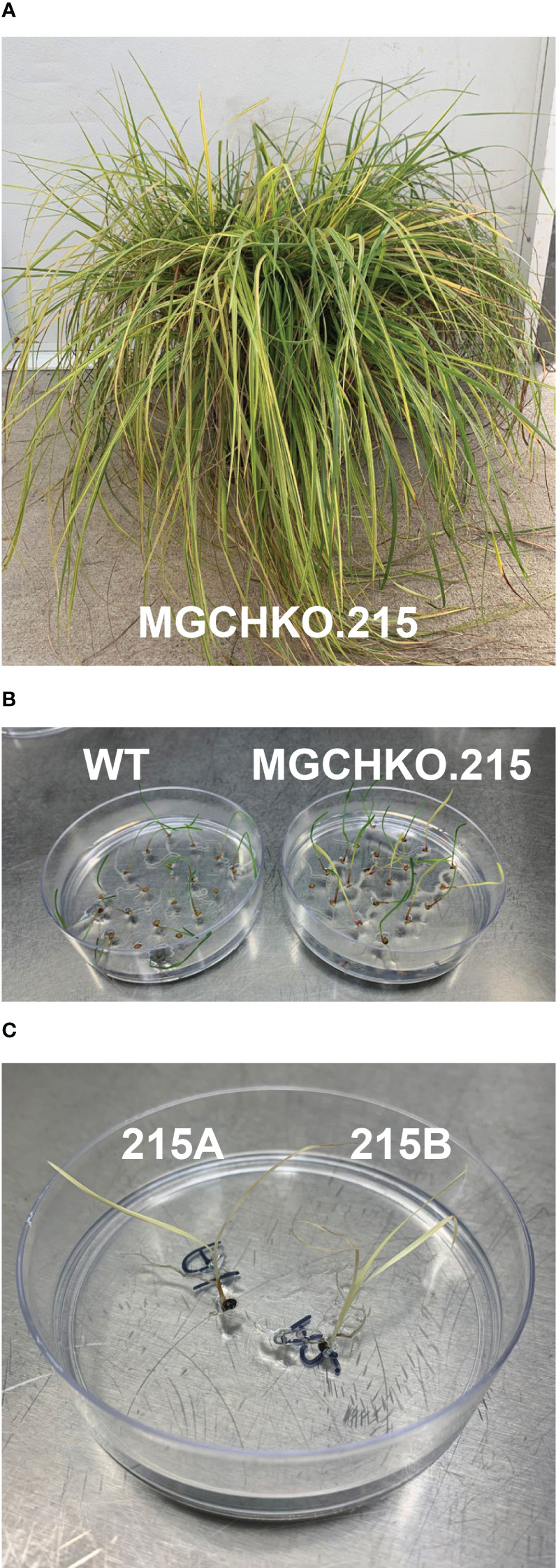
Polyploidy is common among grasses () and poses challenges for conventional breeding. Genome editing technology circumvents crossing and selfing, enabling targeted modifications to multiple gene copies in a single generation while maintaining the heterozygous context of many polyploid genomes. Bahiagrass ( Flüggé; 2=4=40) is an apomictic, tetraploid C4 species that is widely grown in the southeastern United States as forage in beef cattle production and utility turf. The chlorophyll biosynthesis gene magnesium chelatase () was selected as a rapid readout target for establishing genome editing in tetraploid bahiagrass. Vectors containing sgRNAs, Cas9 and II were delivered to callus cultures by biolistics. Edited plants were characterized through PCR-based assays and DNA sequencing, and mutagenesis frequencies as high as 99% of Illumina reads were observed. Sequencing of wild type (WT) bahiagrass revealed a high level of sequence variation in likely due to the presence of at least two copies with possibly eight different alleles, including pseudogenes. mutants exhibited visible chlorophyll depletion with up to 82% reductions in leaf greenness. Two lines displayed progression of editing over time which was linked to somatic editing. Apomictic progeny of a chimeric editing event were obtained and allowed identification of uniformly edited progeny plants among a range of chlorophyll depletion phenotypes. Sanger sequencing of a highly edited mutant revealed elevated frequency of a WT allele, probably due to frequent homology-directed repair (HDR). To our knowledge these experiments comprise the first report of genome editing applied in perennial, warm-season turf or forage grasses. This technology will accelerate bahiagrass cultivar development.
多倍体在禾本科植物中很常见,给传统育种带来了挑战。基因组编辑技术规避了杂交和自交,能够在保持许多多倍体基因组杂合背景的同时,在一代中对多个基因拷贝进行靶向修饰。巴哈雀稗(Flüggé;2n = 4x = 40)是一种无融合生殖的四倍体C4物种,在美国东南部广泛种植,用作肉牛生产的饲料和实用草坪草。选择叶绿素生物合成基因镁螯合酶作为在四倍体巴哈雀稗中建立基因组编辑的快速读出靶点。通过基因枪法将含有sgRNA、Cas9和II的载体导入愈伤组织培养物中。通过基于PCR的检测和DNA测序对编辑后的植株进行表征,观察到诱变频率高达Illumina读数的99%。野生型(WT)巴哈雀稗的测序显示,由于至少存在两个拷贝,可能有八个不同的等位基因,包括假基因,因此在该基因中存在高水平的序列变异。突变体表现出明显的叶绿素消耗,叶片绿色度降低了82%。两个品系显示出随着时间的推移编辑的进展,这与体细胞编辑有关。获得了嵌合编辑事件的无融合生殖后代,并能够在一系列叶绿素消耗表型中鉴定出均匀编辑的后代植株。对一个高度编辑的突变体进行Sanger测序发现野生型等位基因频率升高,这可能是由于频繁的同源定向修复(HDR)。据我们所知,这些实验是在多年生暖季型草坪草或饲用禾本科植物中应用基因组编辑的首次报道。这项技术将加速巴哈雀稗品种的培育。