Cardiff University, Microbiomes, Microbes and Informatics Group, Organisms and Environment Division, School of Biosciences, Cardiff University, CF10 3AX, UK.
Present address: Department of Biology, Big Data Institute, Nuffield Department of Population Health, Li Ka Shing Centre for Health Information and Discovery, Old Road Campus, University of Oxford, Oxford OX3 7LF, UK.
Microbiology (Reading). 2023 Aug;169(8). doi: 10.1099/mic.0.001366.
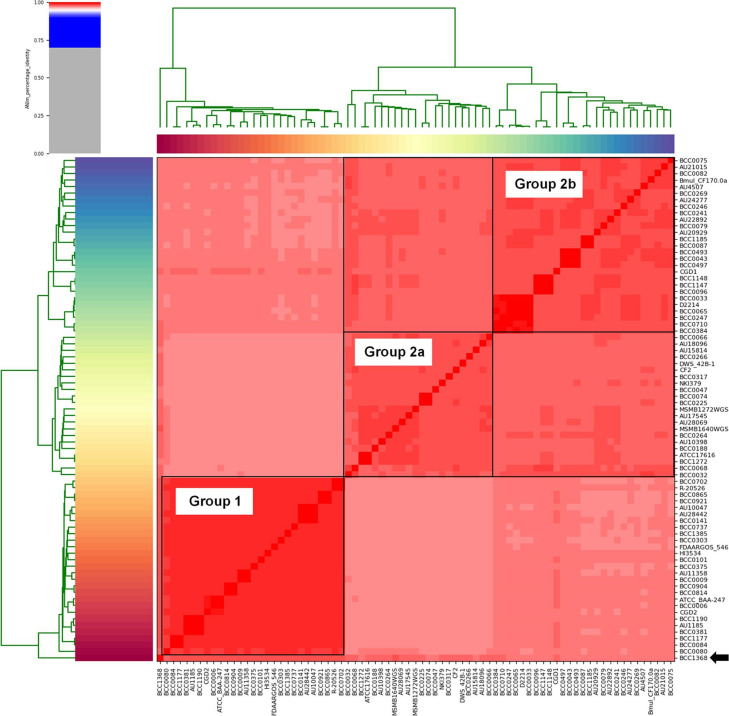
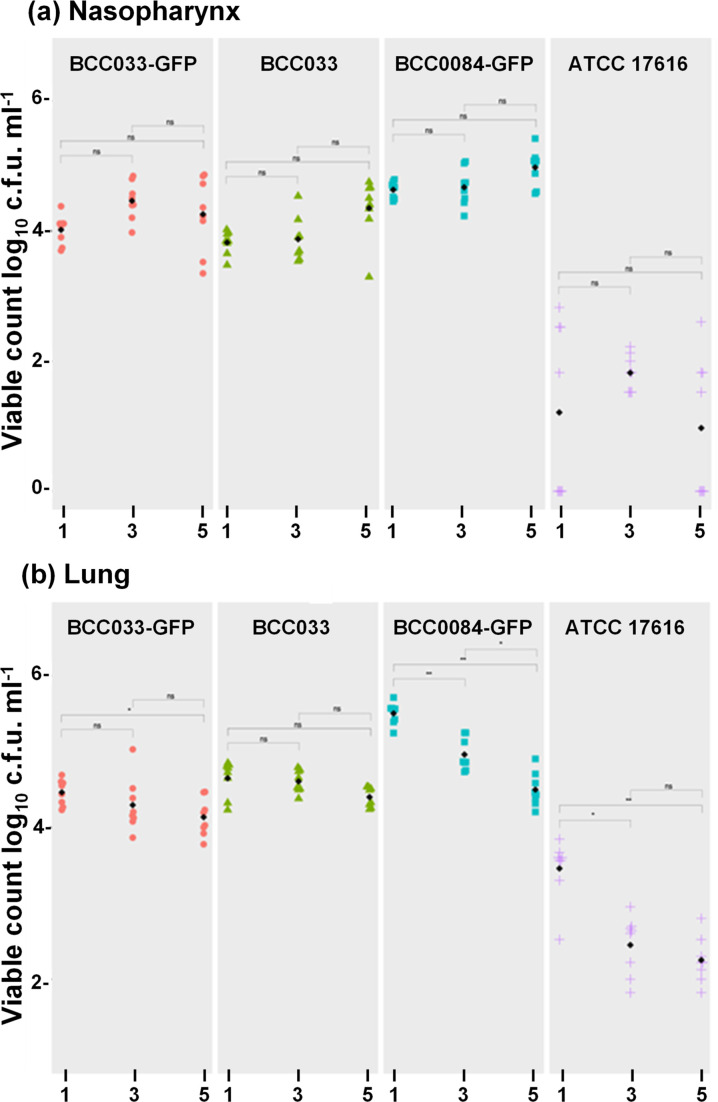
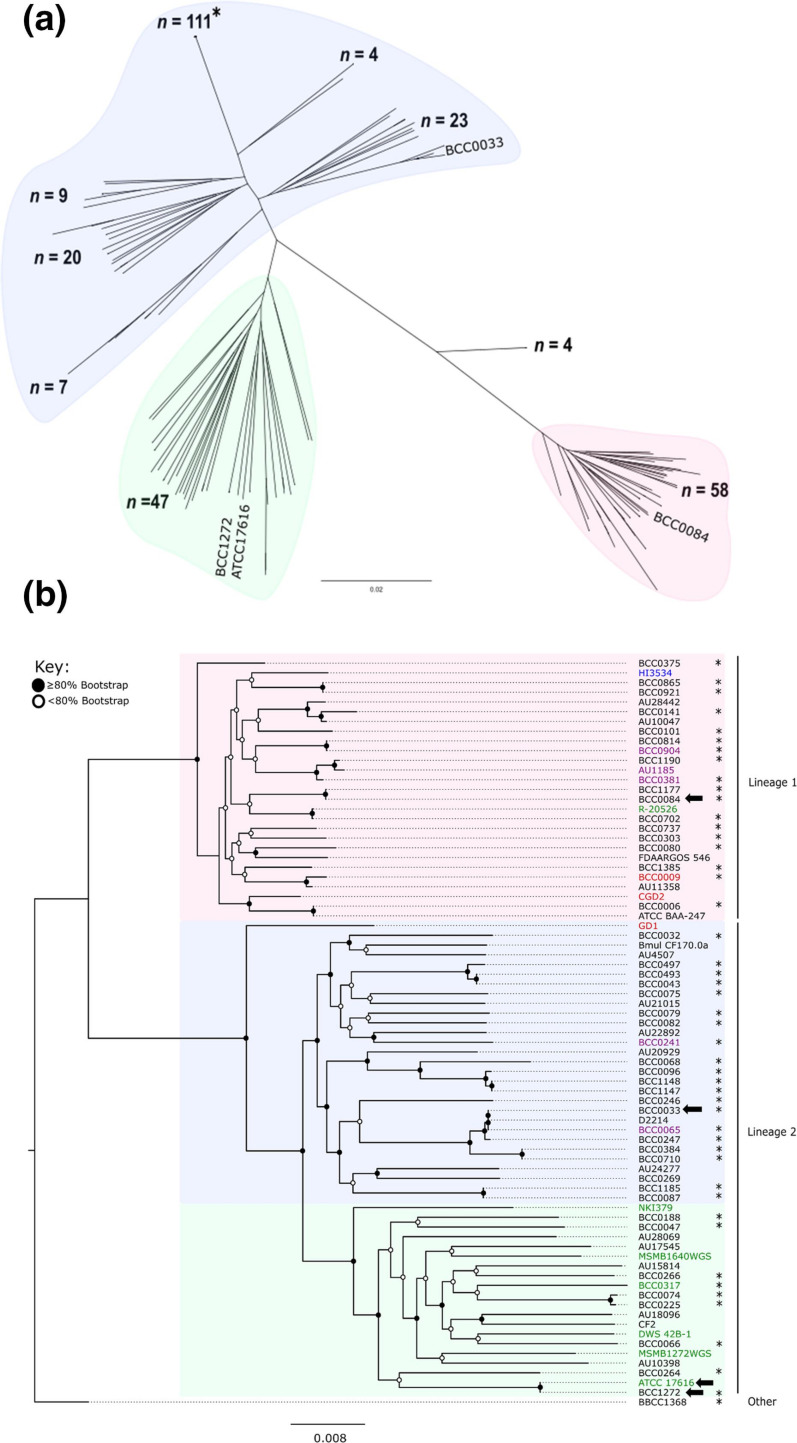
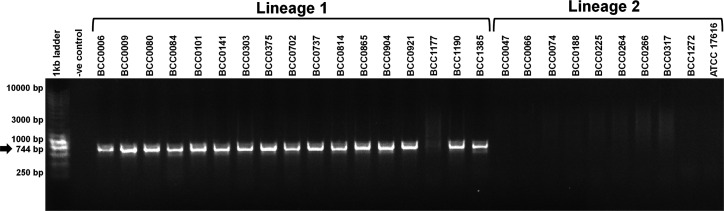
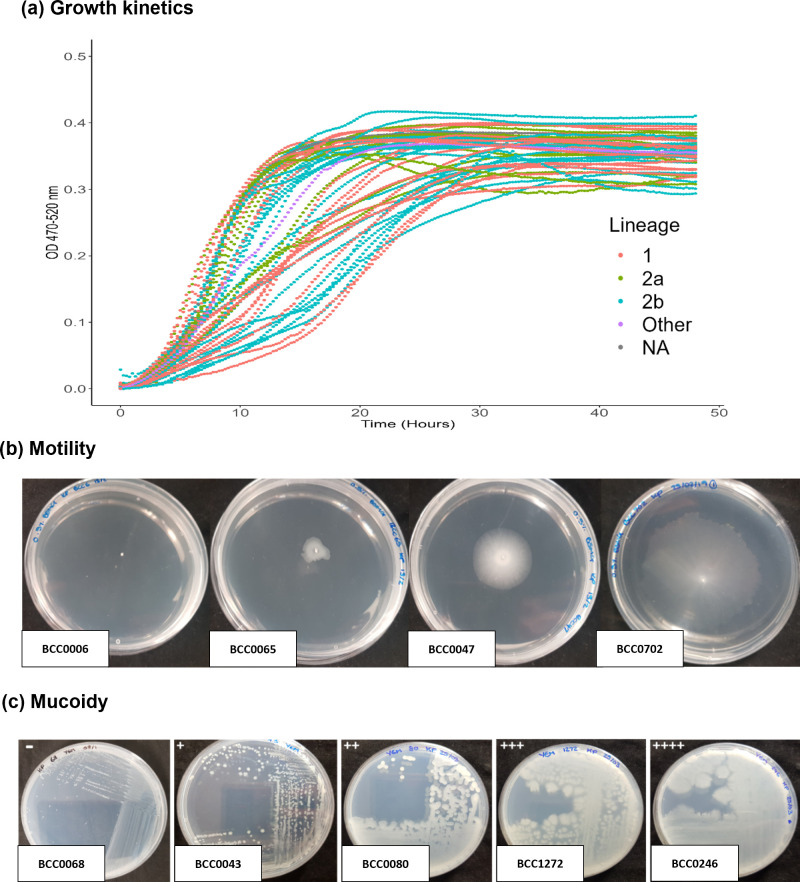
is the dominant pathogen recovered from lung infection in people with cystic fibrosis. However, as an understudied pathogen there are knowledge gaps in relation to its population biology, phenotypic traits and useful model strains. A phylogenomic study of was undertaken using a total of 283 genomes, of which 73 were sequenced and 49 phenotypically characterized as part of this study. Average nucleotide identity analysis (ANI) and phylogenetic alignment of core genes demonstrated that the population separated into two distinct evolutionary clades, defined as lineage 1 (=58 genomes) and lineage 2 (=221 genomes). To examine the population biology of , a representative subgroup of 77 genomes (28 from the reference databases and the 49 novel short-read genome sequences) were selected based on multilocus sequence typing (MLST), isolation source and phylogenetic placement criteria. Comparative genomics was used to identify lineage-specific genes - in lineage 1 and in lineage 2 - and diagnostic PCRs targeting them were successfully developed. Phenotypic analysis of 49 representative strains showed considerable inter-strain variance, but the majority of the isolates tested were motile and capable of biofilm formation. A striking absence of protease activity was observed, but no lineage-specific phenotypic differences were demonstrated. Using phylogenomic and phenotypic criteria, three model CF strains were identified, BCC0084 (lineage 1), BCC1272 (lineage 2a) and BCC0033 lineage 2b, and their complete genome sequences determined. CF strains BCC0033 and BCC0084, and the environmental reference strain, ATCC 17616, were all capable of short-term survival within a murine lung infection model. By mapping the population biology, identifying lineage-specific PCRs and model strains, we provide much needed baseline resources for future studies of .
是从囊性纤维化患者肺部感染中分离出来的主要病原体。然而,作为一个研究不足的病原体,关于其群体生物学、表型特征和有用的模式菌株,仍存在知识空白。对进行了系统发育基因组学研究,共使用了 283 个基因组,其中 73 个进行了测序,49 个作为本研究的一部分进行了表型特征分析。核心基因的平均核苷酸同一性分析(ANI)和系统发育比对表明,种群分为两个截然不同的进化枝,定义为谱系 1(=58 个基因组)和谱系 2(=221 个基因组)。为了研究的群体生物学,根据多位点序列分型(MLST)、分离源和系统发育定位标准,从参考数据库中选择了一个具有代表性的亚组 77 个基因组(28 个和 49 个新的短读序列基因组)。比较基因组学用于鉴定谱系特异性基因——谱系 1中的 447 个和谱系 2中的 448 个,并成功开发了针对它们的诊断 PCR。对 49 个代表性 株系的表型分析表明存在相当大的菌株间变异,但测试的大多数分离株都是运动的,能够形成生物膜。观察到明显缺乏 蛋白酶活性,但未显示出谱系特异性表型差异。使用系统发育和表型标准,鉴定了三个模型 CF 菌株,BCC0084(谱系 1)、BCC1272(谱系 2a)和 BCC0033 谱系 2b,并确定了它们的完整基因组序列。CF 菌株 BCC0033 和 BCC0084 以及环境参考菌株 ATCC 17616 均能够在小鼠肺部感染模型中短期存活。通过绘制种群生物学图谱、鉴定谱系特异性 PCR 和模型菌株,为未来研究提供了急需的基础资源。