Yang Jingyi, Wang Zijin, Pan Ying, Zheng Yanjun
College of Forestry Guizhou University Guiyang China.
Ecol Evol. 2023 Jul 31;13(8):e10366. doi: 10.1002/ece3.10366. eCollection 2023 Aug.
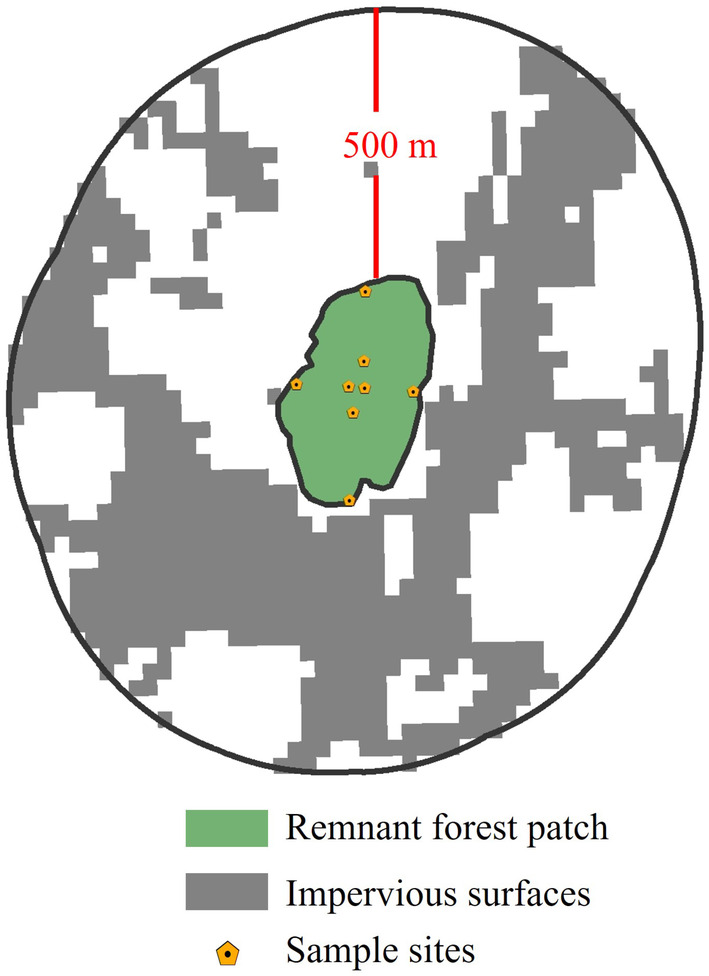
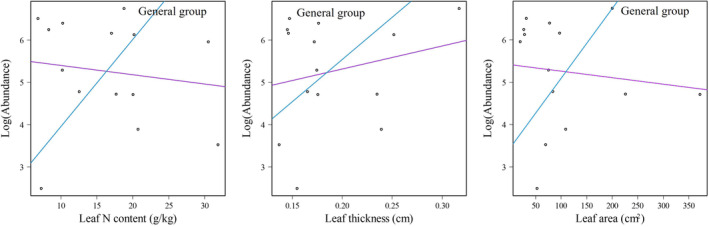
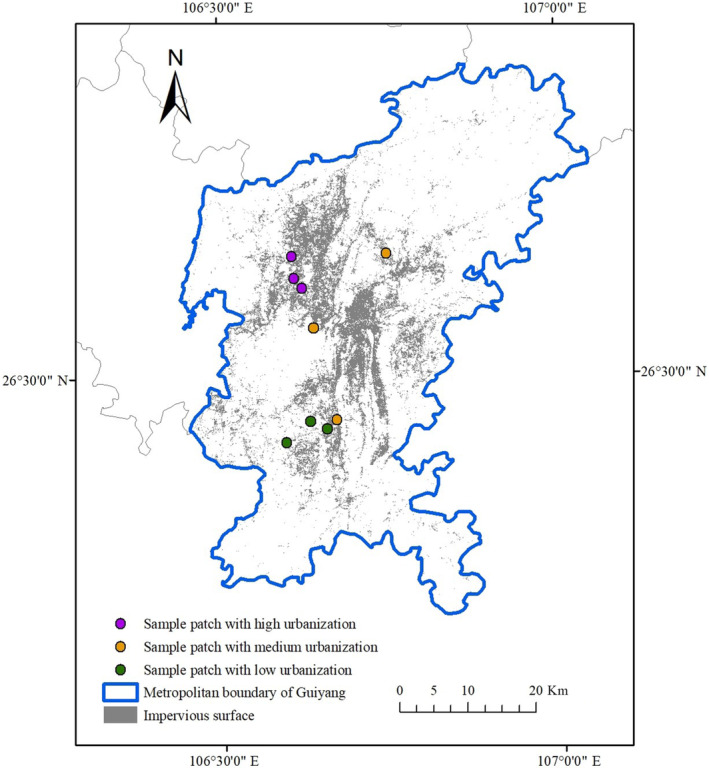
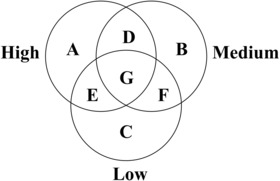
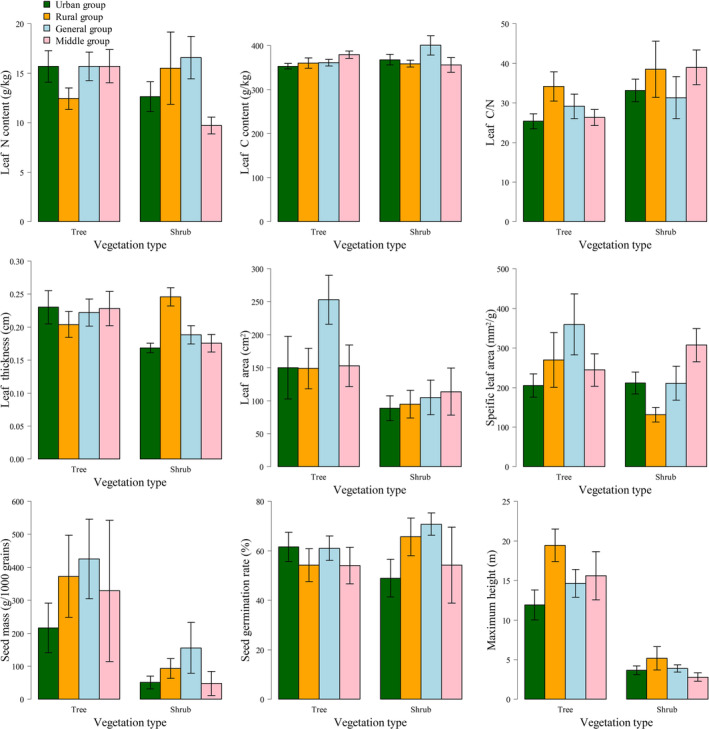
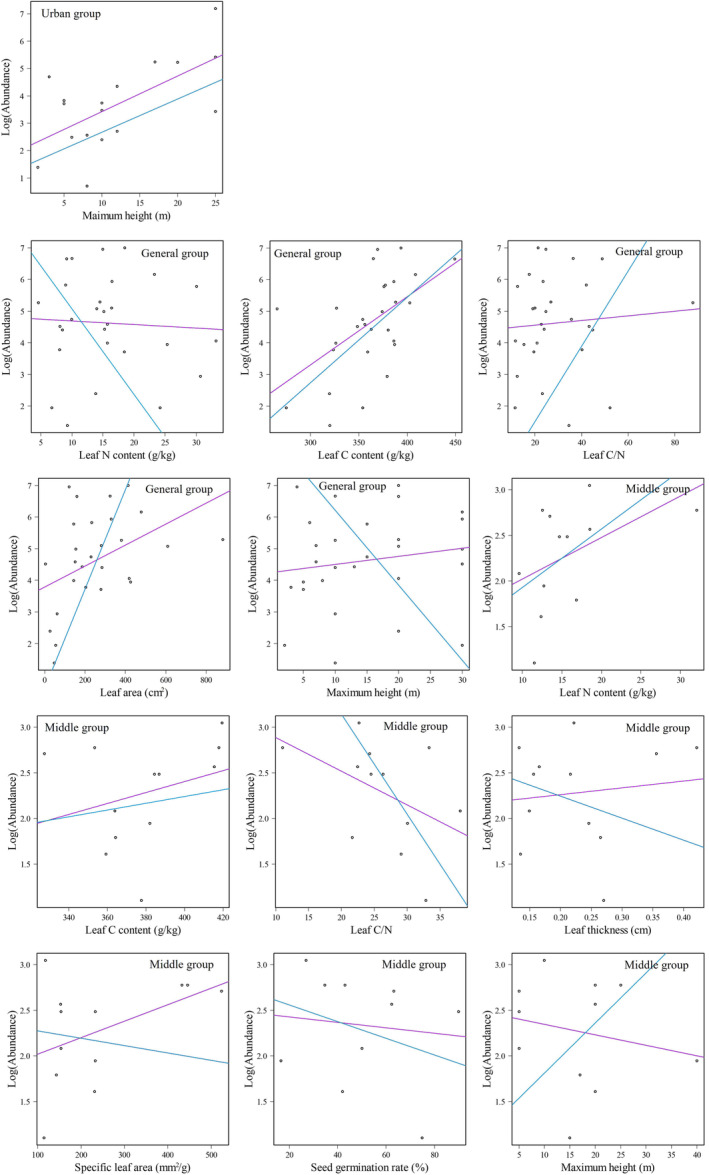
Exploring the alterations in functional traits of urban remnant vegetation offers a more comprehensive perspective on plant assembly within the context of urbanization. While plant functional traits are influenced by both environmental gradients and the evolutionary history of plant species, the specific mechanisms by which urbanization mediates the combination of functional traits and the evolutionary history of remnant vegetation remain unclear. To examine the relationship between functional traits and phylogenies of remnant vegetation and urbanization, we classified the woody plant species surveyed in 72 sample plots in nine remnant forest patches in Guiyang, China, into four groups (urban, rural, middle and general groups) according to their location under different levels of urbanization and measured nine functional traits of these species. The phylogenetic signals of each functional trait of the four species groups were then quantified based on Blomberg's . Furthermore, we analysed the correlations between functional traits and species abundance using phylogenetic generalized least squares. The results showed that significant phylogenetic signals were detected in more functional traits of the urban group than other groups. Thirteen and three significant relationships between functional traits and species abundance were detected for tree and shrub species after removing phylogenies. Tall tree species were more abundant in the urban group, while the general group favoured the species with adaptable traits (low height and high leaf area and C/N). Overall, we demonstrate that urbanization drove shifts in plant functional traits in remnant forests after combining the phylogenetic patterns.
探索城市残余植被功能性状的变化,能为城市化背景下的植物群落组合提供更全面的视角。虽然植物功能性状受环境梯度和植物物种进化历史的影响,但城市化介导残余植被功能性状与进化历史结合的具体机制仍不清楚。为了研究残余植被的功能性状、系统发育与城市化之间的关系,我们根据中国贵阳九个残余森林斑块中72个样地内调查的木本植物物种在不同城市化水平下的位置,将其分为四组(城市组、乡村组、中间组和一般组),并测量了这些物种的九个功能性状。然后基于布洛姆伯格方法量化了四个物种组各功能性状的系统发育信号。此外,我们使用系统发育广义最小二乘法分析了功能性状与物种丰度之间的相关性。结果表明,城市组的更多功能性状中检测到显著的系统发育信号,相比于其他组。去除系统发育影响后,在乔木和灌木物种中分别检测到13个和3个功能性状与物种丰度之间的显著关系。城市组中高大乔木物种更为丰富,而一般组则有利于具有适应性状(低高度、高叶面积和碳氮比)的物种。总体而言,我们证明在结合系统发育模式后,城市化推动了残余森林中植物功能性状的变化。