University of Colorado Anschutz School of Medicine, Department of Pharmacology, Aurora, CO, 80045, USA.
School of Chemical Biology and Biotechnology, Peking University Shenzhen Graduate School, Shenzhen, 518055, China.
Nat Commun. 2023 Aug 5;14(1):4706. doi: 10.1038/s41467-023-40419-2.
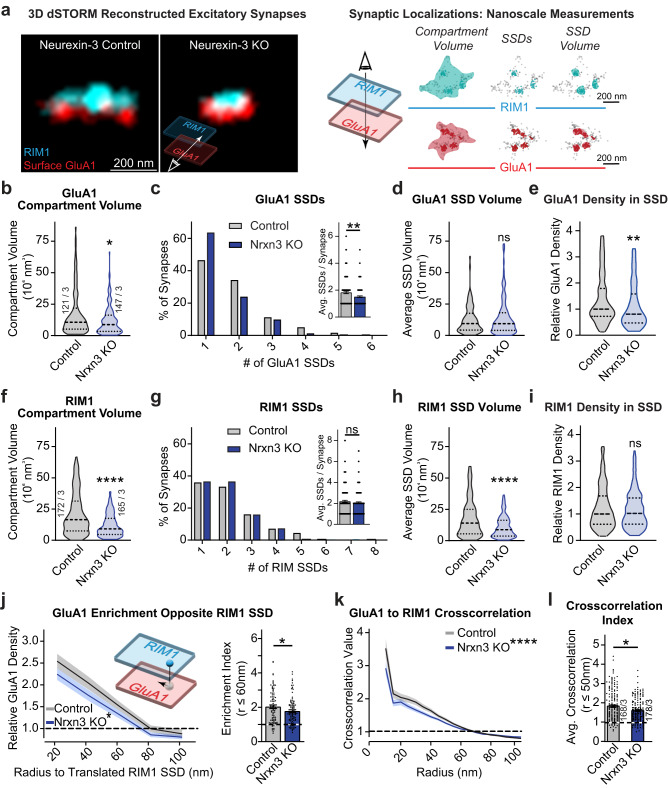
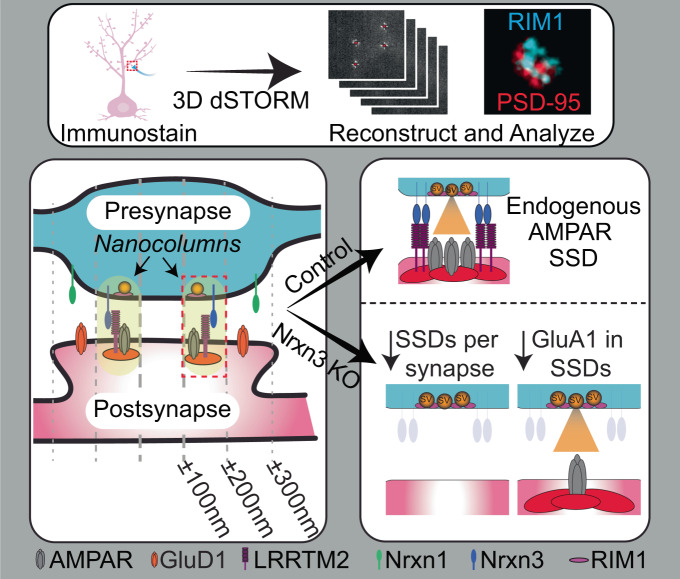
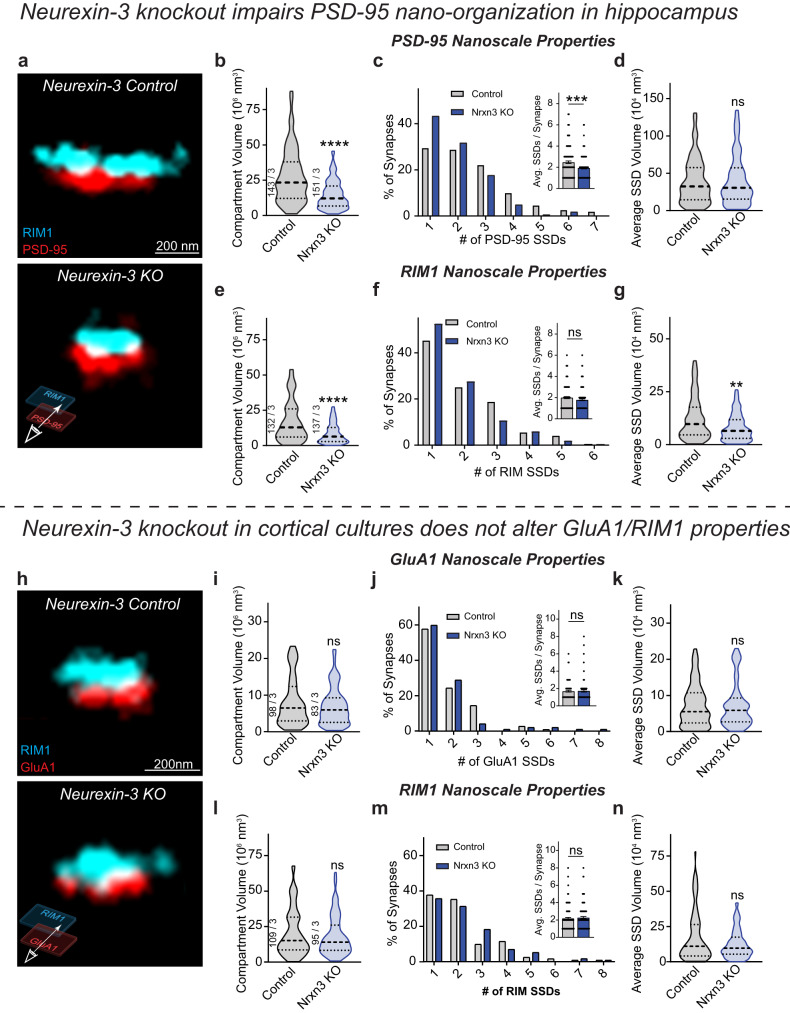
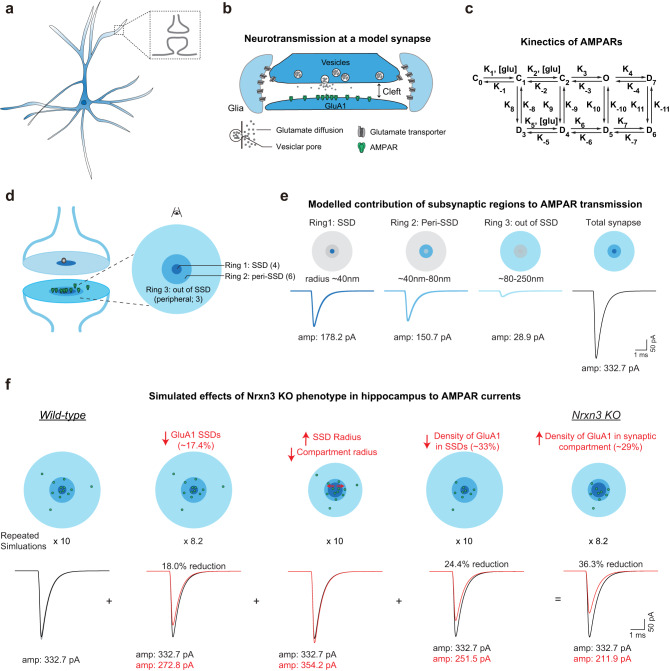
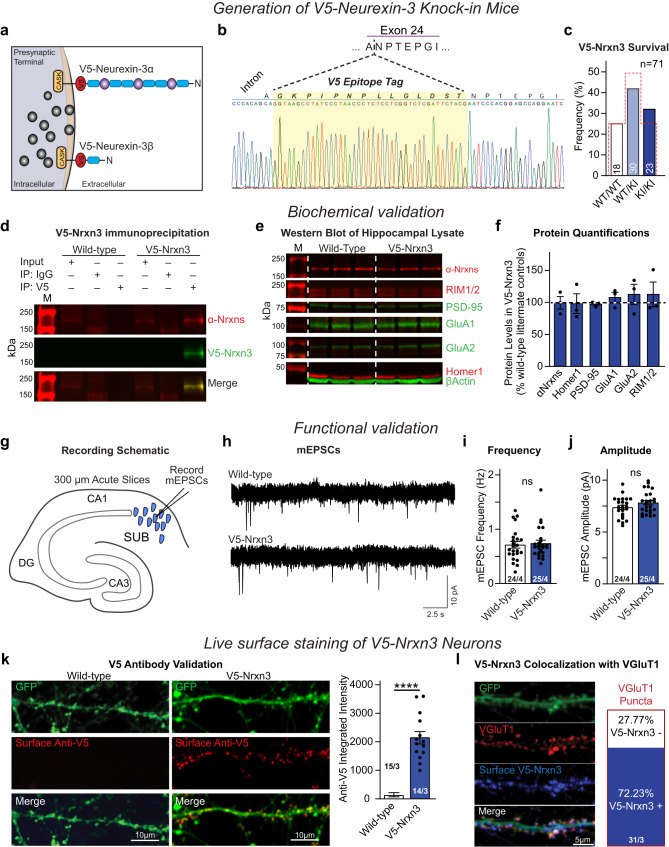
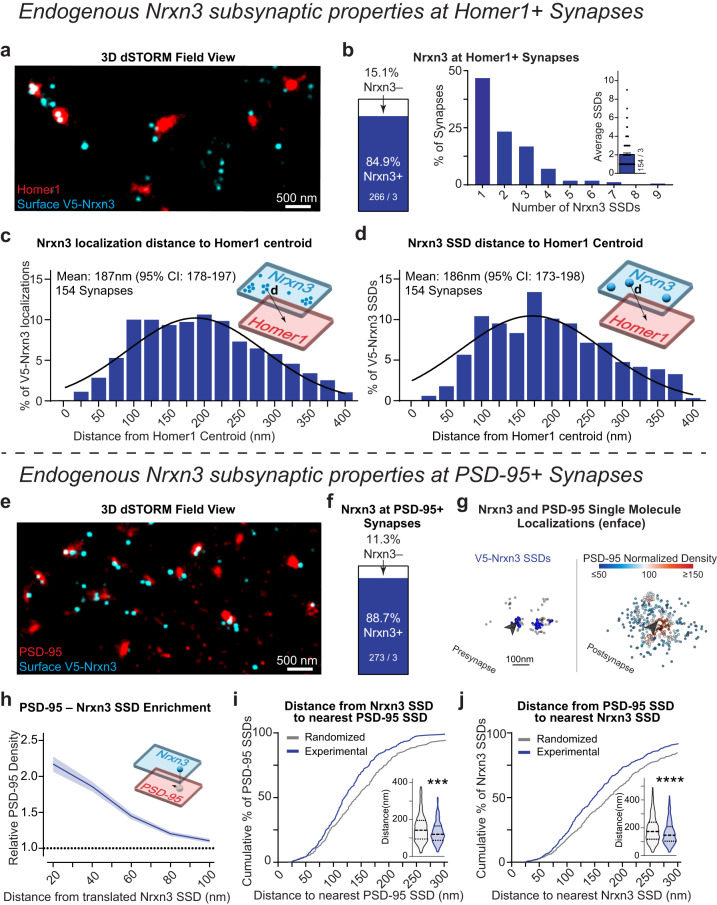
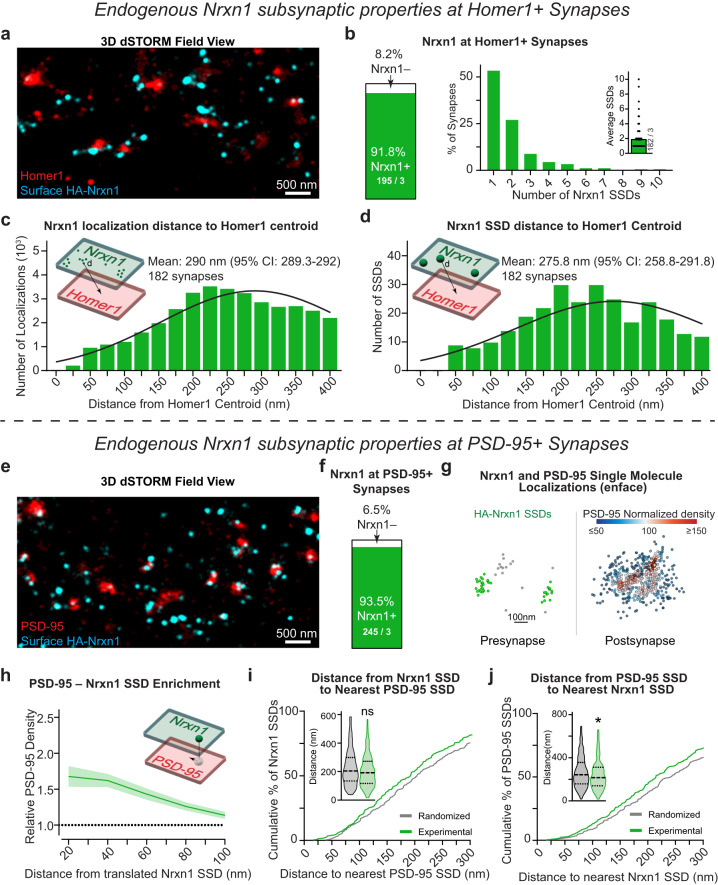
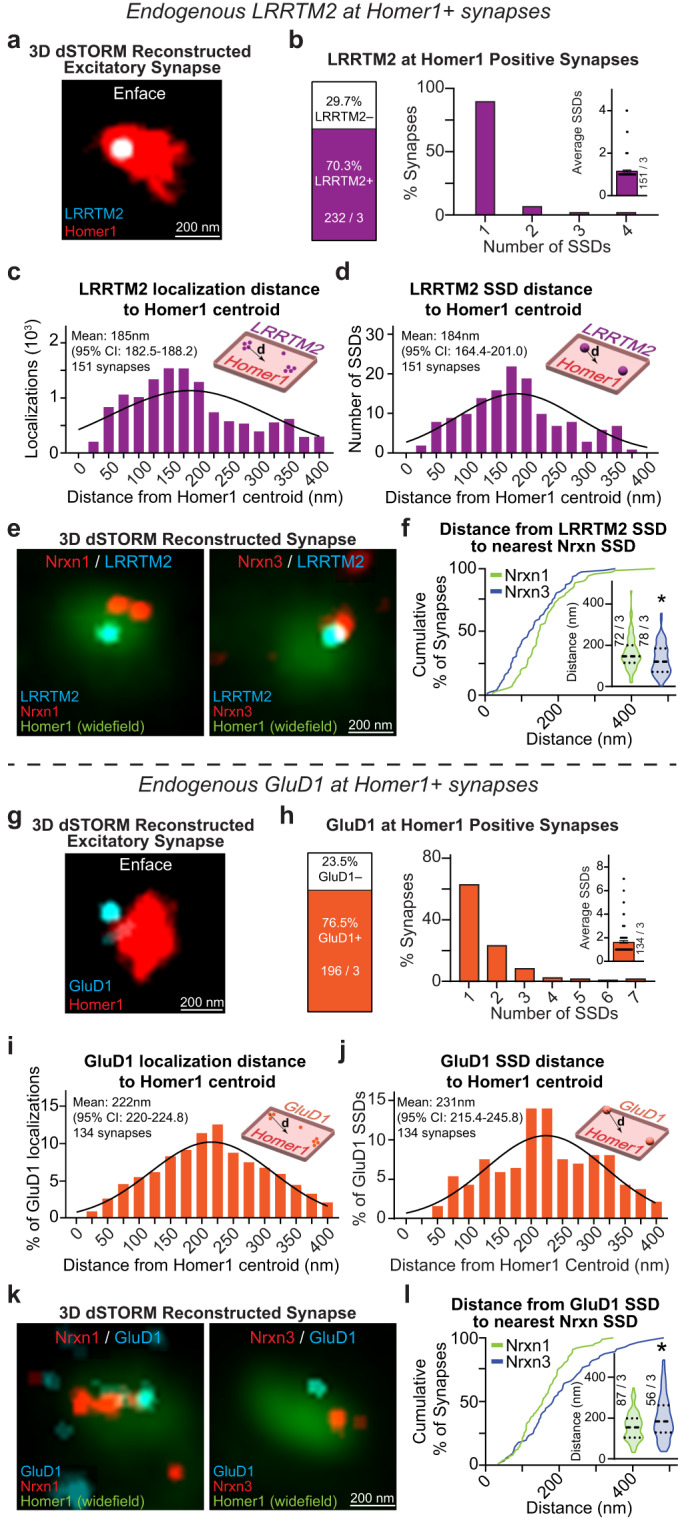
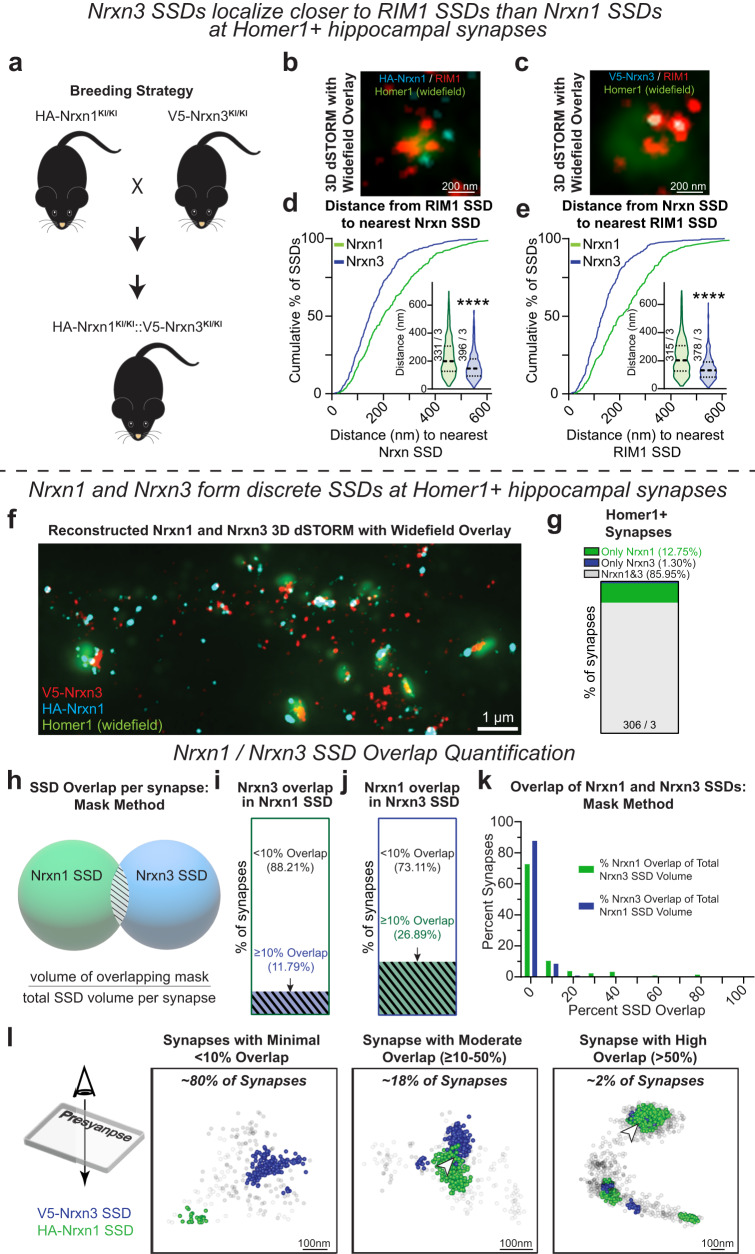
Proteins critical for synaptic transmission are non-uniformly distributed and assembled into regions of high density called subsynaptic densities (SSDs) that transsynaptically align in nanocolumns. Neurexin-1 and neurexin-3 are essential presynaptic adhesion molecules that non-redundantly control NMDAR- and AMPAR-mediated synaptic transmission, respectively, via transsynaptic interactions with distinct postsynaptic ligands. Despite their functional relevance, fundamental questions regarding the nanoscale properties of individual neurexins, their influence on the subsynaptic organization of excitatory synapses and the mechanisms controlling how individual neurexins engage in precise transsynaptic interactions are unknown. Using Double Helix 3D dSTORM and neurexin mouse models, we identify neurexin-3 as a critical presynaptic adhesion molecule that regulates excitatory synapse nano-organization in hippocampus. Furthermore, endogenous neurexin-1 and neurexin-3 form discrete and non-overlapping SSDs that are enriched opposite their postsynaptic ligands. Thus, the nanoscale organization of neurexin-1 and neurexin-3 may explain how individual neurexins signal in parallel to govern different synaptic properties.
对于突触传递至关重要的蛋白质是非均匀分布的,并组装成称为突触下密度(SSDs)的高密度区域,这些区域在突触间以纳米柱的形式对齐。神经连接蛋白-1 和神经连接蛋白-3 是必不可少的突触前粘附分子,它们分别通过与不同的突触后配体的突触间相互作用,非冗余地控制 NMDA 受体和 AMPA 受体介导的突触传递。尽管它们具有功能相关性,但关于单个神经连接蛋白的纳米尺度特性、它们对兴奋性突触的突触下组织的影响以及控制单个神经连接蛋白如何参与精确的突触间相互作用的机制等基本问题仍不清楚。使用双螺旋 3D dSTORM 和神经连接蛋白小鼠模型,我们确定神经连接蛋白-3 是一种关键的突触前粘附分子,它调节海马体中兴奋性突触的纳米组织。此外,内源性神经连接蛋白-1 和神经连接蛋白-3 形成离散且不重叠的 SSD,其在突触后配体的对面富集。因此,神经连接蛋白-1 和神经连接蛋白-3 的纳米组织可能解释了单个神经连接蛋白如何平行信号传递以控制不同的突触特性。