Wongchadakul Patcharaporn, Datta Ashim K, Rattanadecho Phadungsak
Princess Srisavangavadhana College of Medicine, Chulabhorn Royal Academy, Bangkok, Thailand.
Department of Biological & Environmental Engineering, Cornell University, Ithaca, NY, USA.
J Biol Eng. 2023 Aug 7;17(1):52. doi: 10.1186/s13036-023-00365-5.
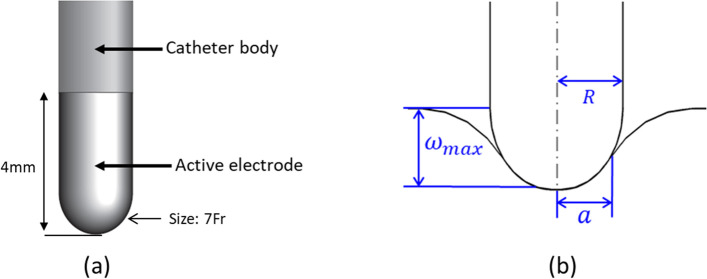
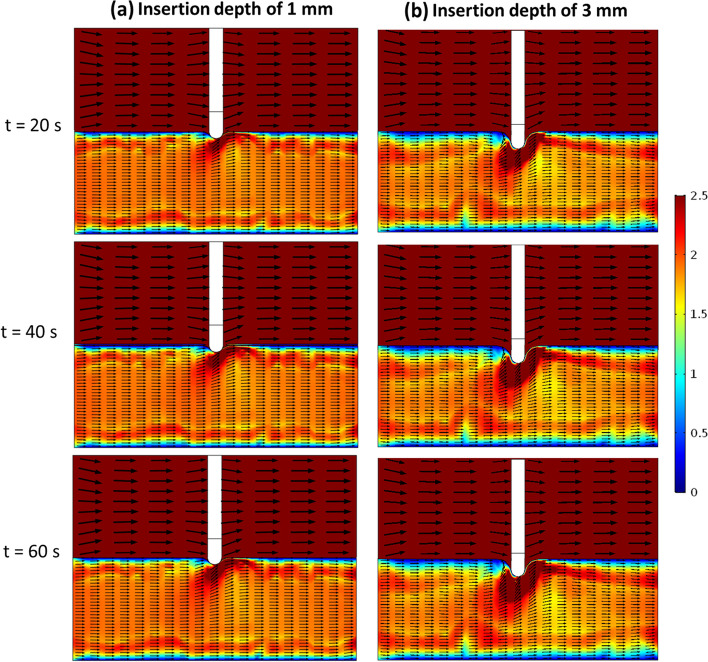
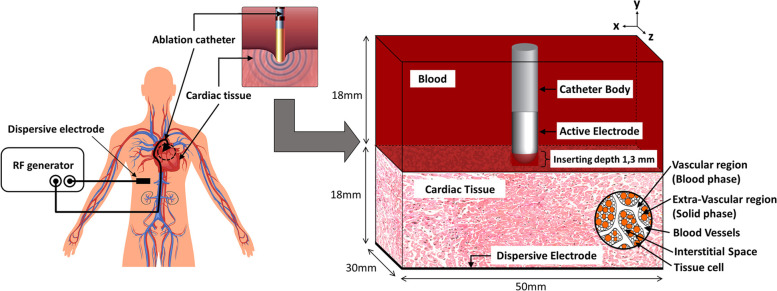
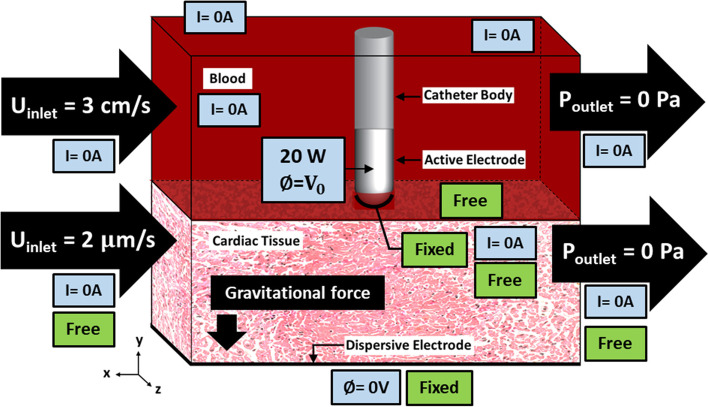
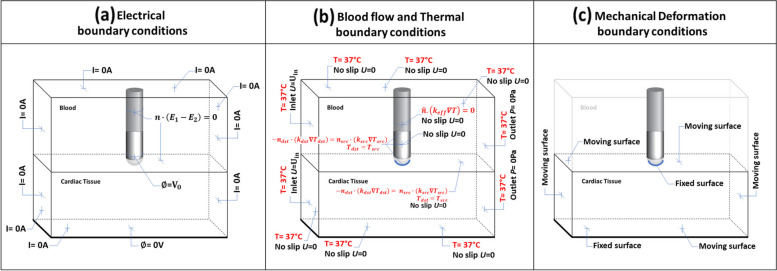
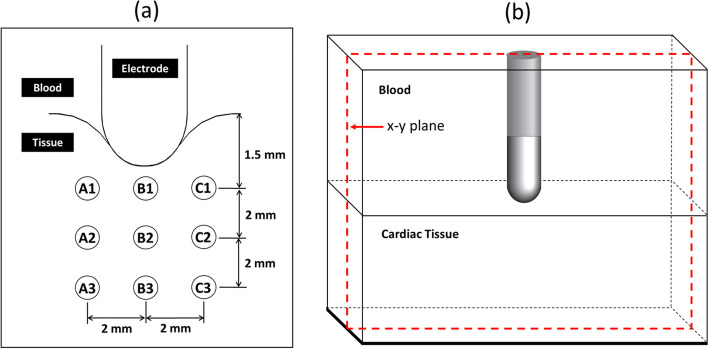
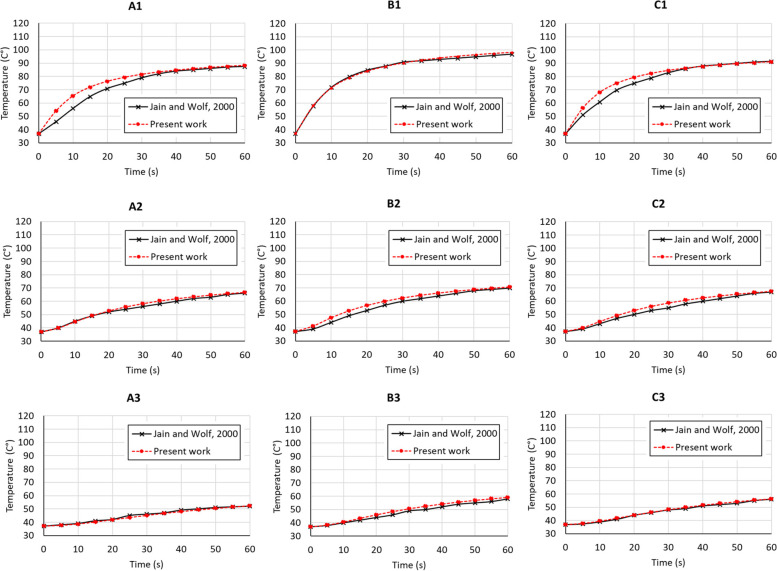
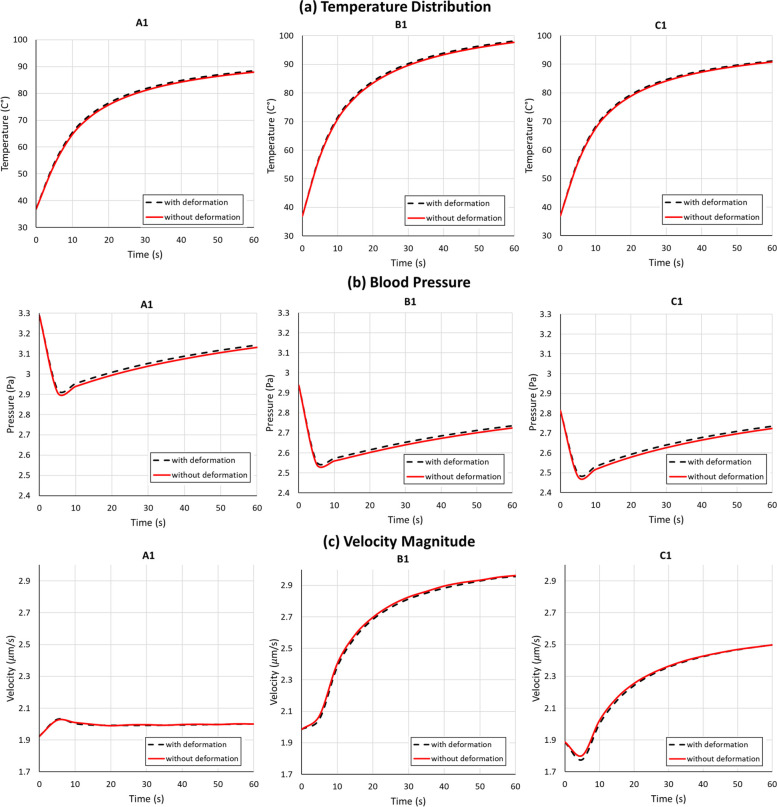
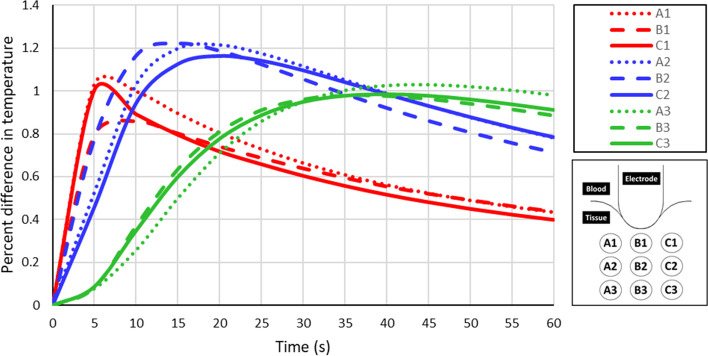
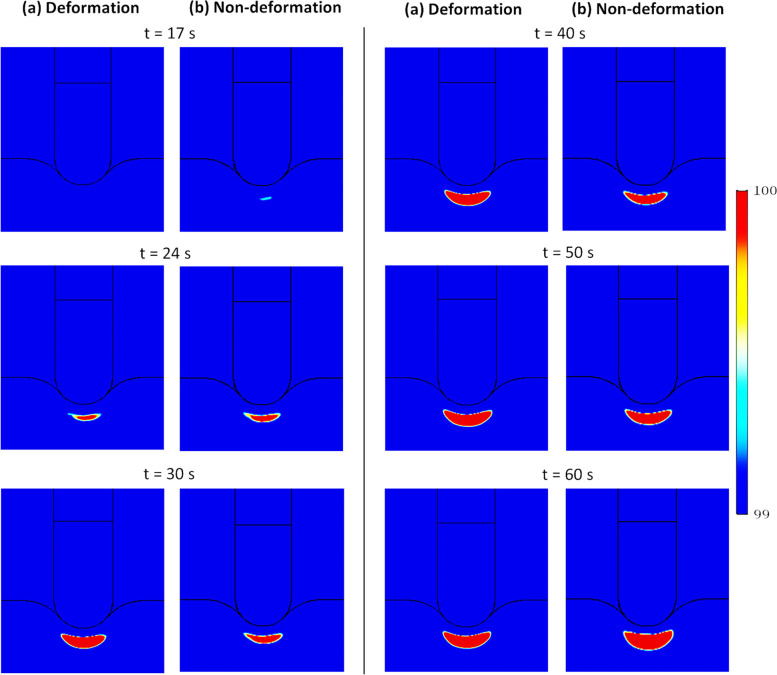
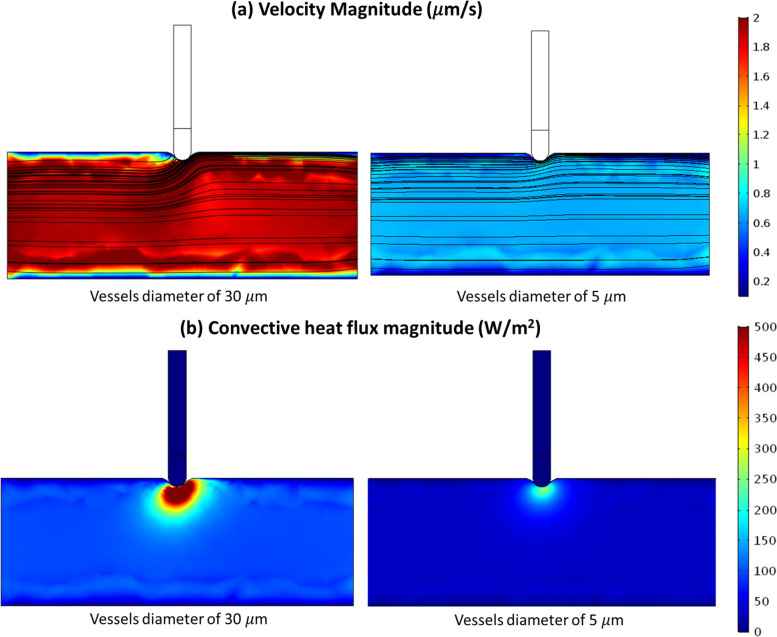
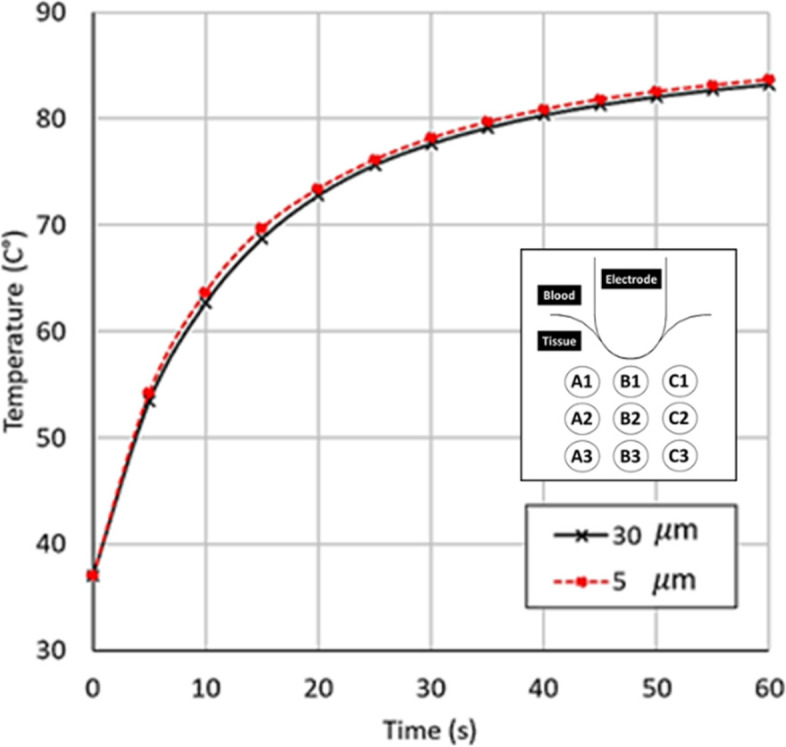
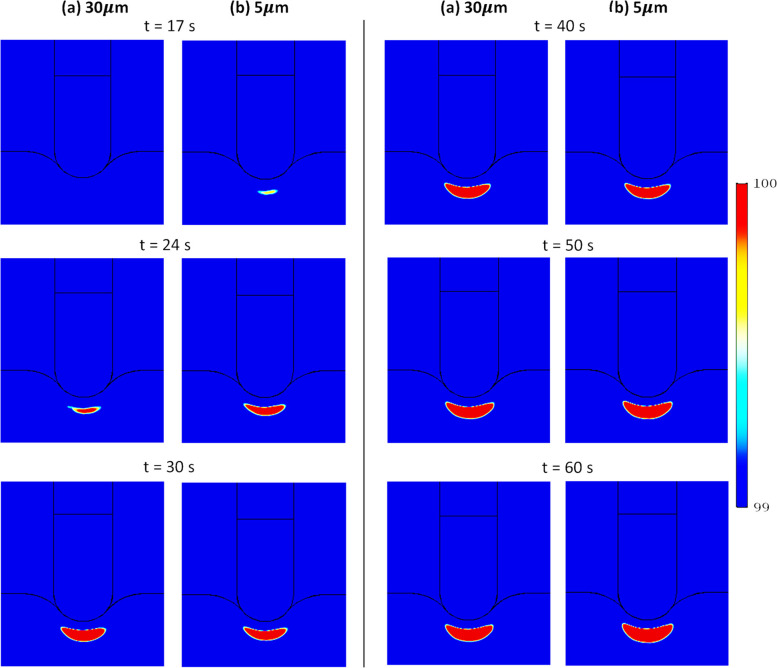
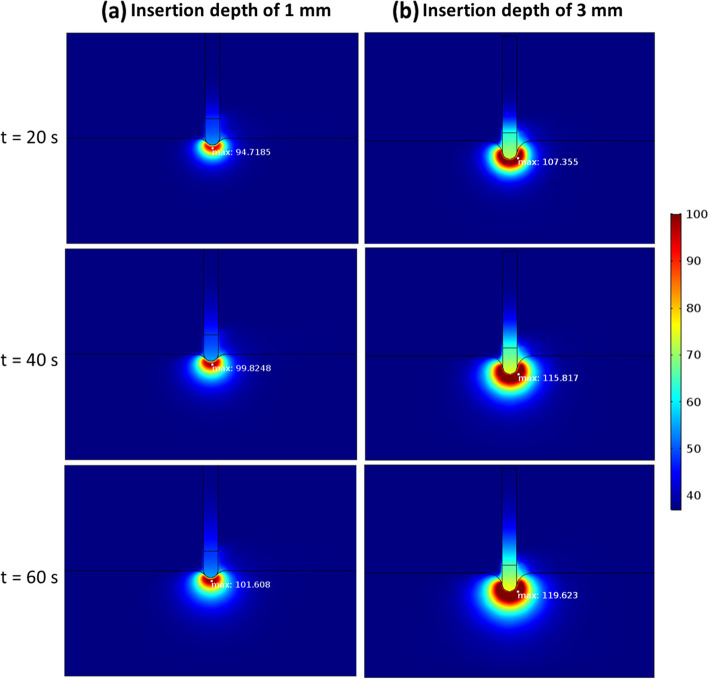
Radiofrequency Cardiac Ablation (RFCA) is a common procedure that heats cardiac tissue to destroy abnormal signal pathways to eliminate arrhythmias. The complex multiphysics phenomena during this procedure need to be better understood to improve both procedure and device design. A deformable poromechanical model of cardiac tissue was developed that coupled joule heating from the electrode, heat transfer, and blood flow from normal perfusion and thermally driven natural convection, which mimics the real tissue structure more closely and provides more realistic results compared to previous models. The expansion of tissue from temperature rise reduces blood velocity, leading to increased tissue temperature, thus affecting steam pop occurrence. Detailed temperature velocity, and thermal expansion of the tissue provided a comprehensive picture of the process. Poromechanical expansion of the tissue from temperature rise reduces blood velocity, increasing tissue temperature. Tissue properties influence temperatures, with lower porosity increasing the temperatures slightly, due to lower velocities. Deeper electrode insertion raises temperature due to increased current flow. The results demonstrate that a 5% increase in porosity leads to a considerable 10% increase in maximum tissue temperature. These insights should greatly help in avoiding undesirable heating effects that can lead to steam pop and in designing improved electrodes.
射频心脏消融术(RFCA)是一种常见的手术,通过加热心脏组织来破坏异常信号通路以消除心律失常。为了改进手术和设备设计,需要更好地理解该手术过程中复杂的多物理现象。开发了一种心脏组织的可变形孔隙力学模型,该模型耦合了电极的焦耳热、热传递以及正常灌注和热驱动自然对流产生的血流,与先前的模型相比,它更紧密地模拟了真实的组织结构,并提供了更现实的结果。温度升高导致的组织膨胀会降低血流速度,进而导致组织温度升高,从而影响蒸汽泡的产生。组织的详细温度、速度和热膨胀情况提供了该过程的全面图景。温度升高导致的组织孔隙力学膨胀会降低血流速度,从而提高组织温度。组织特性会影响温度,由于速度较低,孔隙率较低会使温度略有升高。电极插入更深会因电流增加而提高温度。结果表明,孔隙率增加5%会导致最大组织温度显著升高10%。这些见解应有助于极大地避免可能导致蒸汽泡的不良加热效应,并有助于设计改进的电极。