Lv Yifan, Mao Xiang, Deng Yuxuan, Yu Lanbing, Chu Junsheng, Hao Shuyu, Ji Nan
Department of Neurosurgery, Beijing Tiantan Hospital, Capital Medical University, Beijing, 100070, China.
Department of Neurosurgery, The First Affiliated Hospital of Anhui Medical University, Hefei, 230022, Anhui, China.
Chin Neurosurg J. 2023 Aug 8;9(1):23. doi: 10.1186/s41016-023-00336-1.
Surgical site infection (SSI) is a common complication following craniotomy that increases morbidity, mortality, and medical expenses. The objectives of this study were to determine the relevant risk factors associated with SSI after elective craniotomy for brain tumor and analyse the treatments for SSI.
A retrospective nested case‒control study was conducted using data from patients who underwent craniotomy for brain tumor resection at the Neurosurgical Oncology Department No. 6 of Beijing Tiantan Hospital, Capital Medical University, between January 2019 and December 2021. Risk factors for SSI were determined using multivariate logistic regression analysis. We analyzed microbiological and related treatment data for different SSI types.
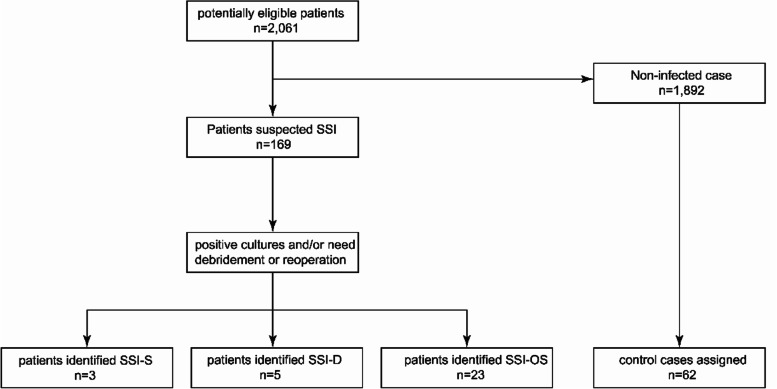
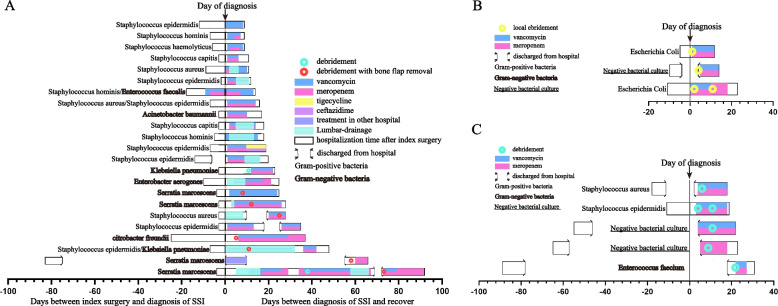
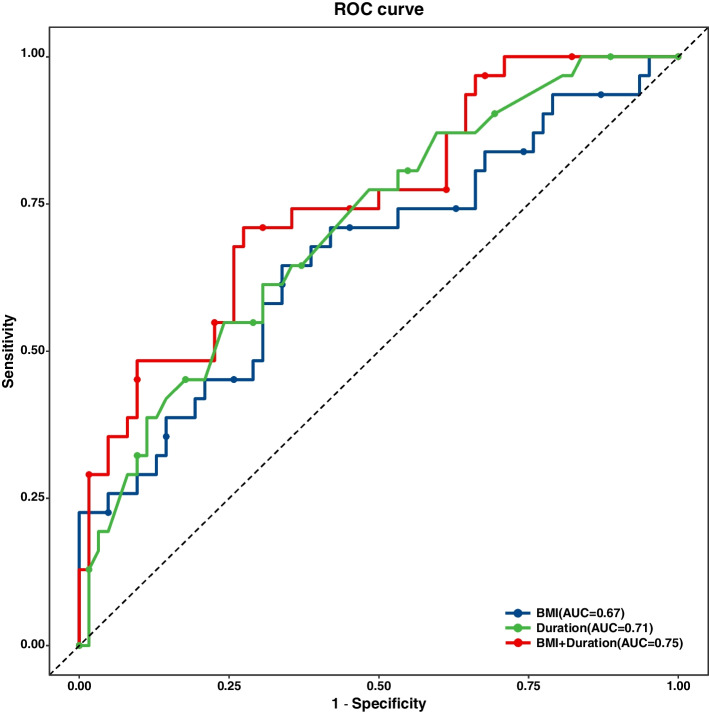
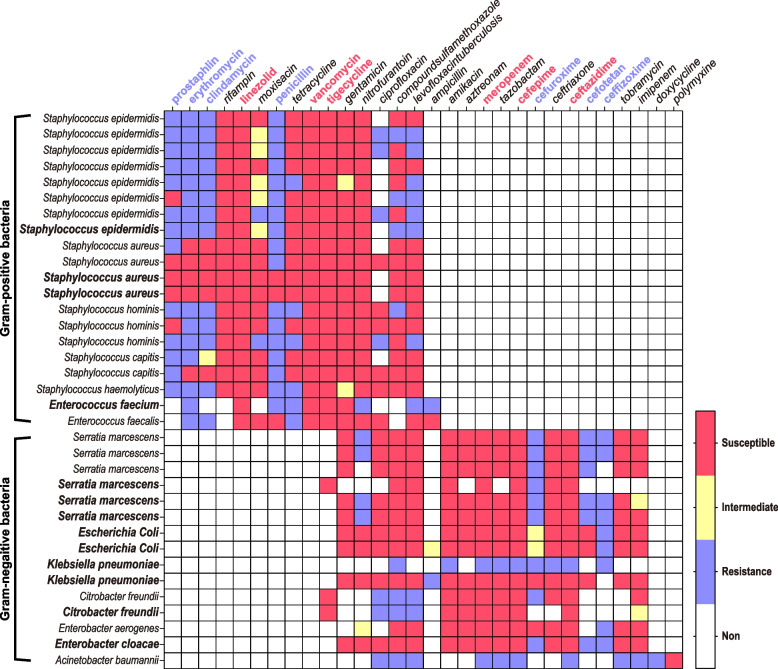
Among 2061 patients who underwent craniotomy for brain tumor, 31 had SSI (1.50%). In the multivariate logistic regression analysis, body mass index (BMI) and operative duration were identified as independent risk factors for SSI. The most common microorganism isolated from SSIs was Staphylococcus epidermidis (22.9%), and drug sensitivity results showed that gram-positive bacteria were sensitive to linezolid, vancomycin and tigecycline, whereas gram-negative bacteria were sensitive to meropenem, cefepime and ceftazidime. Six of the seven patients who underwent bone flap removal due to osteomyelitis were infected with gram-negative bacteria.
BMI and operative duration were identified as independent risk factors for SSI. Diabetes mellitus, previous ratio therapy, type of incision, recurrence tumor and other risk factors were not found to be associated with the occurrence of SSI in this study.
手术部位感染(SSI)是开颅术后常见的并发症,会增加发病率、死亡率和医疗费用。本研究的目的是确定脑肿瘤择期开颅术后与SSI相关的危险因素,并分析SSI的治疗方法。
采用回顾性巢式病例对照研究,使用2019年1月至2021年12月期间在首都医科大学附属北京天坛医院神经外科六病区接受脑肿瘤切除开颅手术患者的数据。采用多因素logistic回归分析确定SSI的危险因素。我们分析了不同类型SSI的微生物学和相关治疗数据。
在2061例行脑肿瘤开颅手术的患者中,31例发生SSI(1.50%)。多因素logistic回归分析显示,体重指数(BMI)和手术时长是SSI的独立危险因素。从SSI中分离出的最常见微生物是表皮葡萄球菌(22.9%),药敏结果显示革兰氏阳性菌对利奈唑胺、万古霉素和替加环素敏感,而革兰氏阴性菌对美罗培南、头孢吡肟和头孢他啶敏感。7例因骨髓炎行骨瓣切除的患者中有6例感染革兰氏阴性菌。
BMI和手术时长被确定为SSI的独立危险因素。本研究未发现糖尿病、既往放疗、切口类型、复发肿瘤等危险因素与SSI的发生有关。