Khan Farhana, Joshi Abhishek, Devkota Hari Prasad, Subramaniyan Vetriselvan, Kumarasamy Vinoth, Arora Jaya
Laboratory of Bio-Molecular Technology, Department of Botany, Mohanlal Sukhadia University, Udaipur, Rajasthan, India.
Graduate School of Pharmaceutical Sciences, Kumamoto University, Kumamoto, Japan.
Front Pharmacol. 2023 Jul 17;14:1214881. doi: 10.3389/fphar.2023.1214881. eCollection 2023.
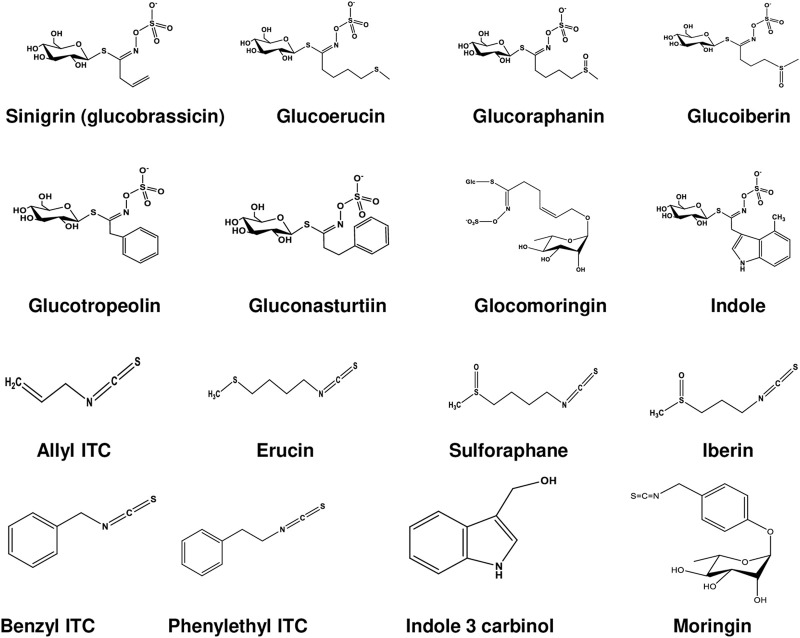
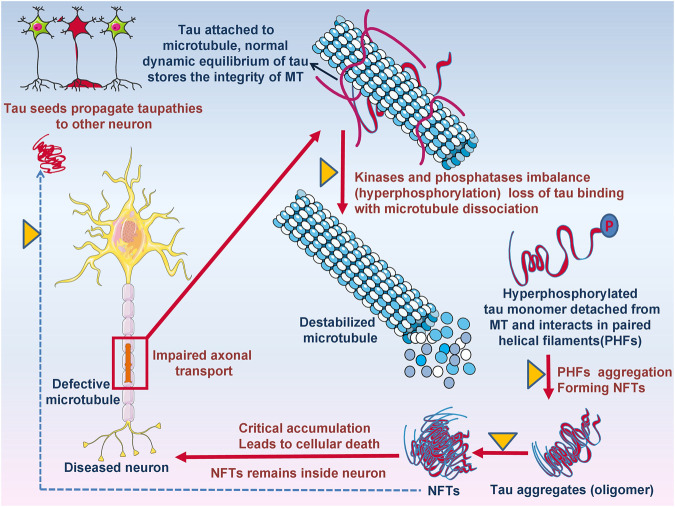
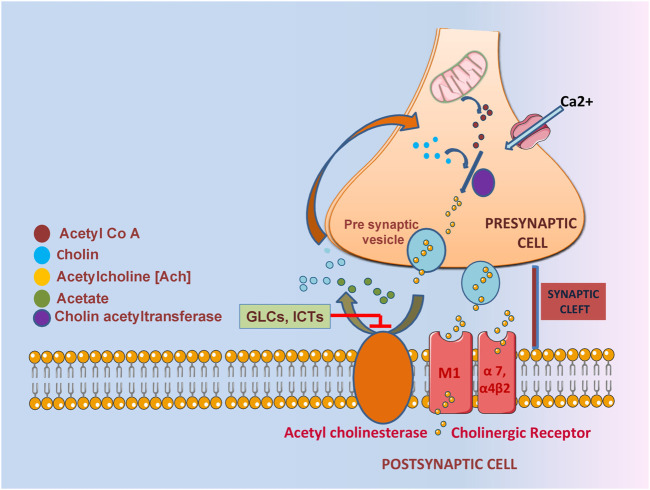
Alzheimer's disease (AD) is the most prevalent form of dementia affecting millions of people worldwide. It is a progressive, irreversible, and incurable neurodegenerative disorder that disrupts the synaptic communication between millions of neurons, resulting in neuronal death and functional loss due to the abnormal accumulation of two naturally occurring proteins, amyloid β (Aβ) and tau. According to the 2018 World Alzheimer's Report, there is no single case of an Alzheimer's survivor; even 1 in 3 people die from Alzheimer's disease, and it is a growing epidemic across the globe fruits and vegetables rich in glucosinolates (GLCs), the precursors of isothiocyanates (ITCs), have long been known for their pharmacological properties and recently attracted increased interest for the possible prevention and treatment of neurodegenerative diseases. Epidemiological evidence from systematic research findings and clinical trials suggests that nutritional and functional dietary isothiocyanates interfere with the molecular cascades of Alzheimer's disease pathogenesis and prevent neurons from functional loss. The aim of this review is to explore the role of glucosinolates derived isothiocyanates in various molecular mechanisms involved in the progression of Alzheimer's disease and their potential in the prevention and treatment of Alzheimer's disease. It also covers the chemical diversity of isothiocyanates and their detailed mechanisms of action as reported by various and studies. Further clinical studies are necessary to evaluate their pharmacokinetic parameters and effectiveness in humans.
阿尔茨海默病(AD)是痴呆症最常见的形式,影响着全球数百万人。它是一种进行性、不可逆且无法治愈的神经退行性疾病,会破坏数百万神经元之间的突触通讯,由于两种天然存在的蛋白质——淀粉样β蛋白(Aβ)和tau蛋白的异常积累,导致神经元死亡和功能丧失。根据《2018年世界阿尔茨海默病报告》,没有一例阿尔茨海默病幸存者;甚至每3人中就有1人死于阿尔茨海默病,而且它在全球范围内是一种日益严重的流行病。富含异硫氰酸酯(ITCs)前体硫代葡萄糖苷(GLCs)的水果和蔬菜,长期以来因其药理特性而闻名,最近因其对神经退行性疾病可能的预防和治疗作用而受到越来越多的关注。来自系统研究结果和临床试验的流行病学证据表明,营养性和功能性膳食异硫氰酸酯会干扰阿尔茨海默病发病机制的分子级联反应,并防止神经元功能丧失。本综述的目的是探讨硫代葡萄糖苷衍生的异硫氰酸酯在阿尔茨海默病进展涉及的各种分子机制中的作用,以及它们在预防和治疗阿尔茨海默病方面的潜力。它还涵盖了异硫氰酸酯的化学多样性及其由各种研究报道的详细作用机制。需要进一步的临床研究来评估它们在人体中的药代动力学参数和有效性。