Fundação Oswaldo Cruz. Escola Nacional de Saúde Pública Sergio Arouca. Centro de Estudos da Saúde do Trabalhador e Ecologia Humana. Rio de Janeiro, RJ, Brasil.
Fundação Oswaldo Cruz. Instituto Nacional de Controle de Qualidade em Saúde. Rio de Janeiro, RJ, Brasil.
Rev Saude Publica. 2023 Aug 4;57:45. doi: 10.11606/s1518-8787.2023057005205. eCollection 2023.
To map public health courses and training programs in Brazil and identify, in their curricula and study plans, the level of linkage between the skills and competencies developed by them and the essential public health functions.
Descriptive, exploratory study based on collection and analysis of information available on the websites of educational institutions that offer public health courses and training programs in Brazil. Data was collected within the scope of the I Mapeo de Cursos y Programas de Formación en Salud Pública de América Latina.
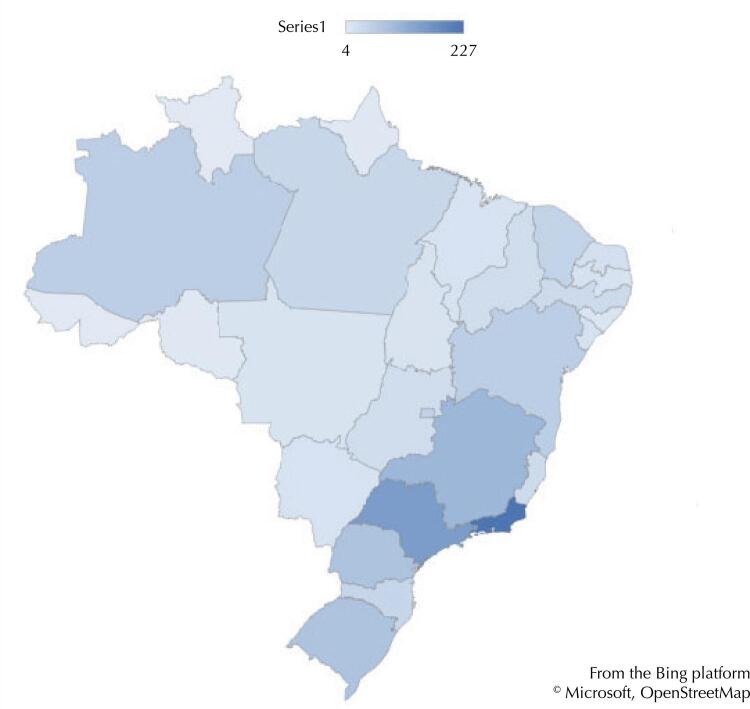
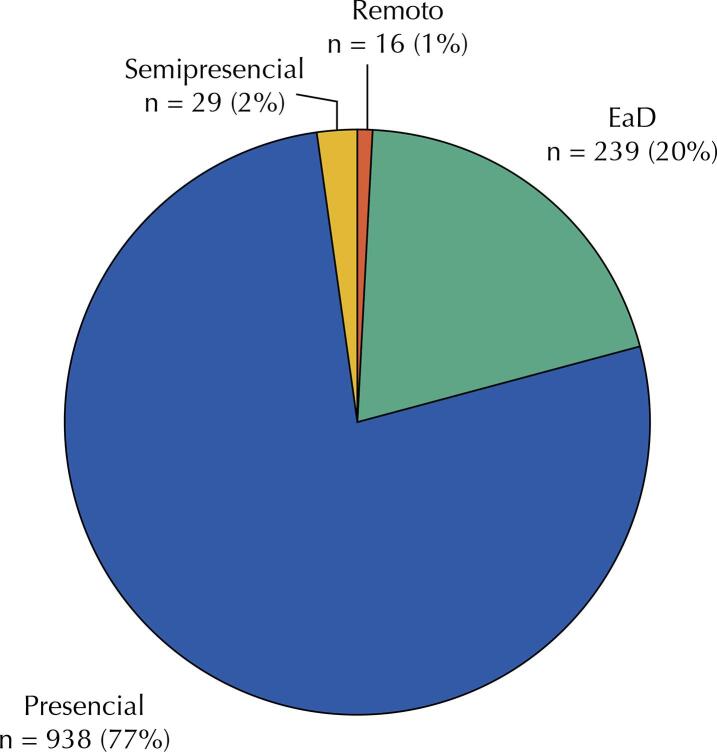
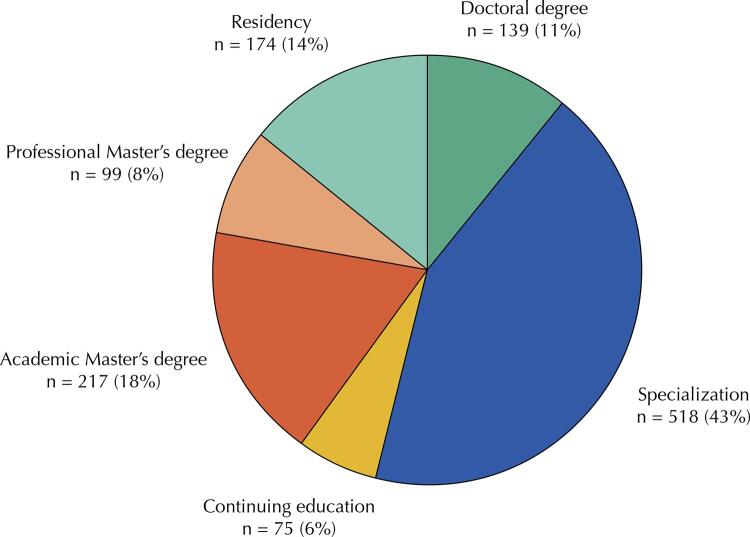
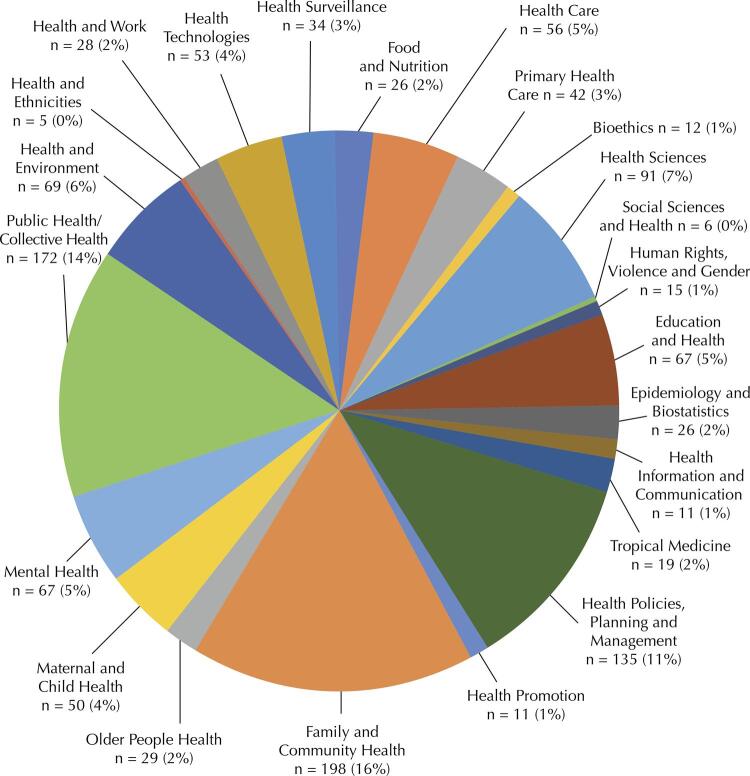
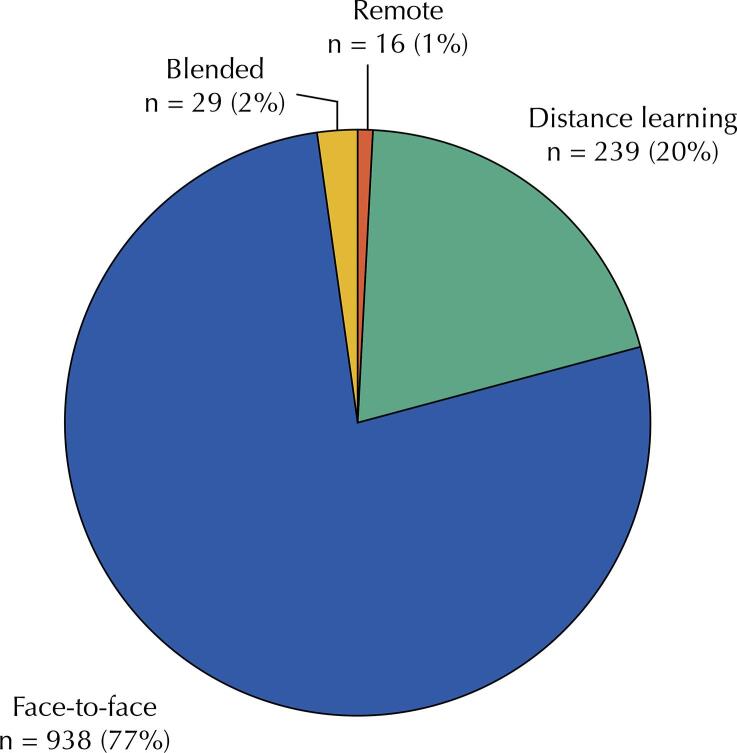
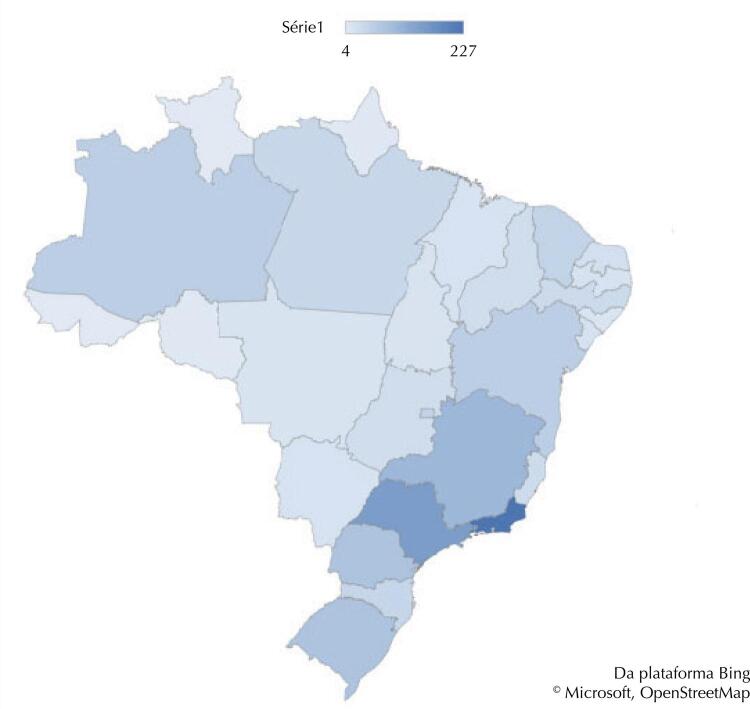
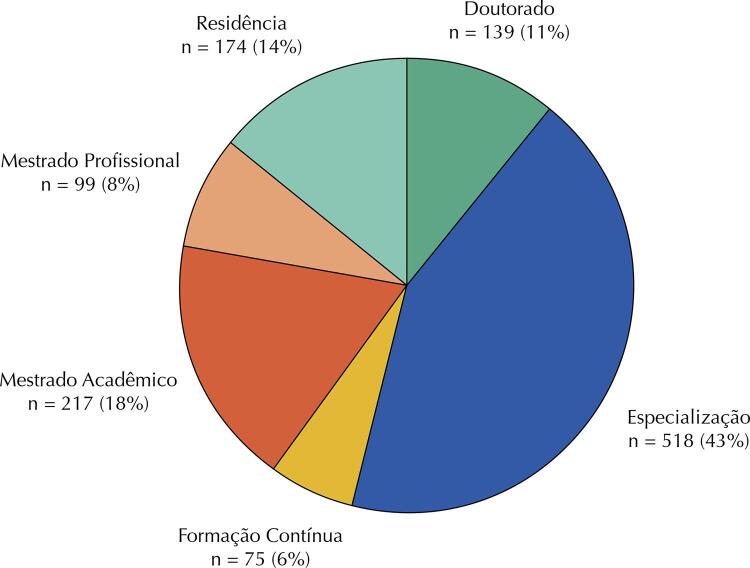
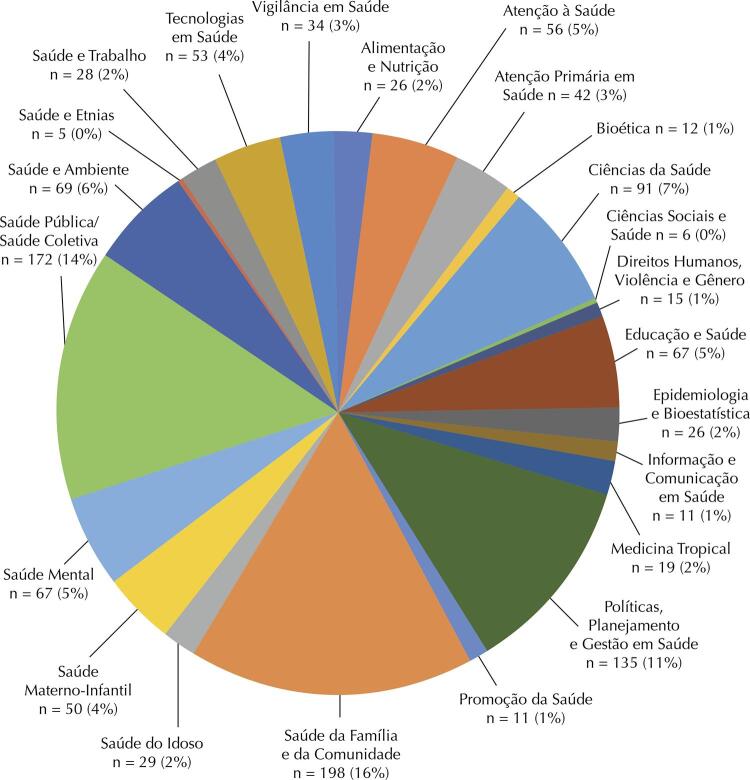
A total of 1,222 public health courses and training programs offered in the country were identified, with unequal territorial distribution but taking place in all federation units. Results revealed a set of challenges to public health professionals' training, including lack of linkage both between training offer and demand in public health (unequal distribution of courses, concentration of training capacity in capitals and in certain regions, among others), and between theories and training practices (low levels of connection of developed skills and competencies with the essential public health functions, predominance of disciplinary method guided by professional competence centers, among others).
Overcoming these challenges requires structural, political, and technological efforts, narrowing the gaps between public health training programs' availability and the demands of health services and programs in the country.
绘制巴西公共卫生课程和培训计划图谱,并在其课程和学习计划中确定它们所培养的技能和能力与基本公共卫生职能之间的联系程度。
基于对巴西提供公共卫生课程和培训计划的教育机构网站上现有信息的收集和分析,开展描述性、探索性研究。数据是在拉丁美洲公共卫生课程和培训计划 I Mapeo 范围内收集的。
共确定了巴西境内提供的 1222 门公共卫生课程和培训计划,但存在分布不均的情况,且这些课程和计划分布在联邦的各个单位。结果显示,公共卫生专业人员培训方面存在一系列挑战,包括培训提供与公共卫生需求之间缺乏联系(课程分布不均,培训能力集中在首都和某些地区等),以及理论与培训实践之间缺乏联系(所培养的技能和能力与基本公共卫生职能的联系程度较低,以专业能力中心为指导的学科方法占主导地位等)。
克服这些挑战需要结构、政治和技术方面的努力,缩小公共卫生培训计划的可用性与国内卫生服务和项目需求之间的差距。