Department of Medicine, Washington University School of Medicine, St. Louis, MO, USA.
Department of Pathology and Immunology, Washington University School of Medicine, St. Louis, MO, USA.
Nat Immunol. 2023 Sep;24(9):1443-1457. doi: 10.1038/s41590-023-01579-x. Epub 2023 Aug 10.
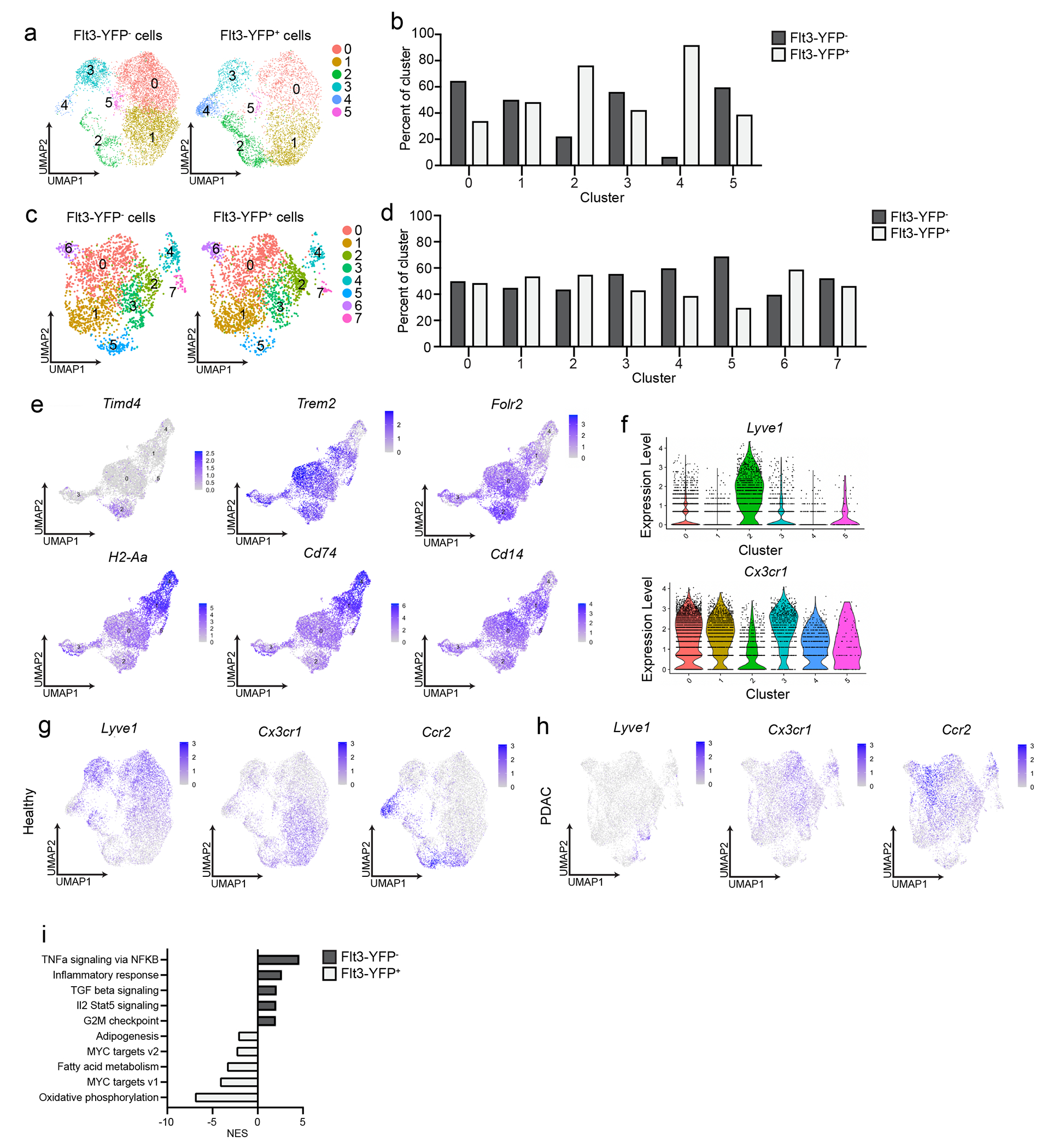
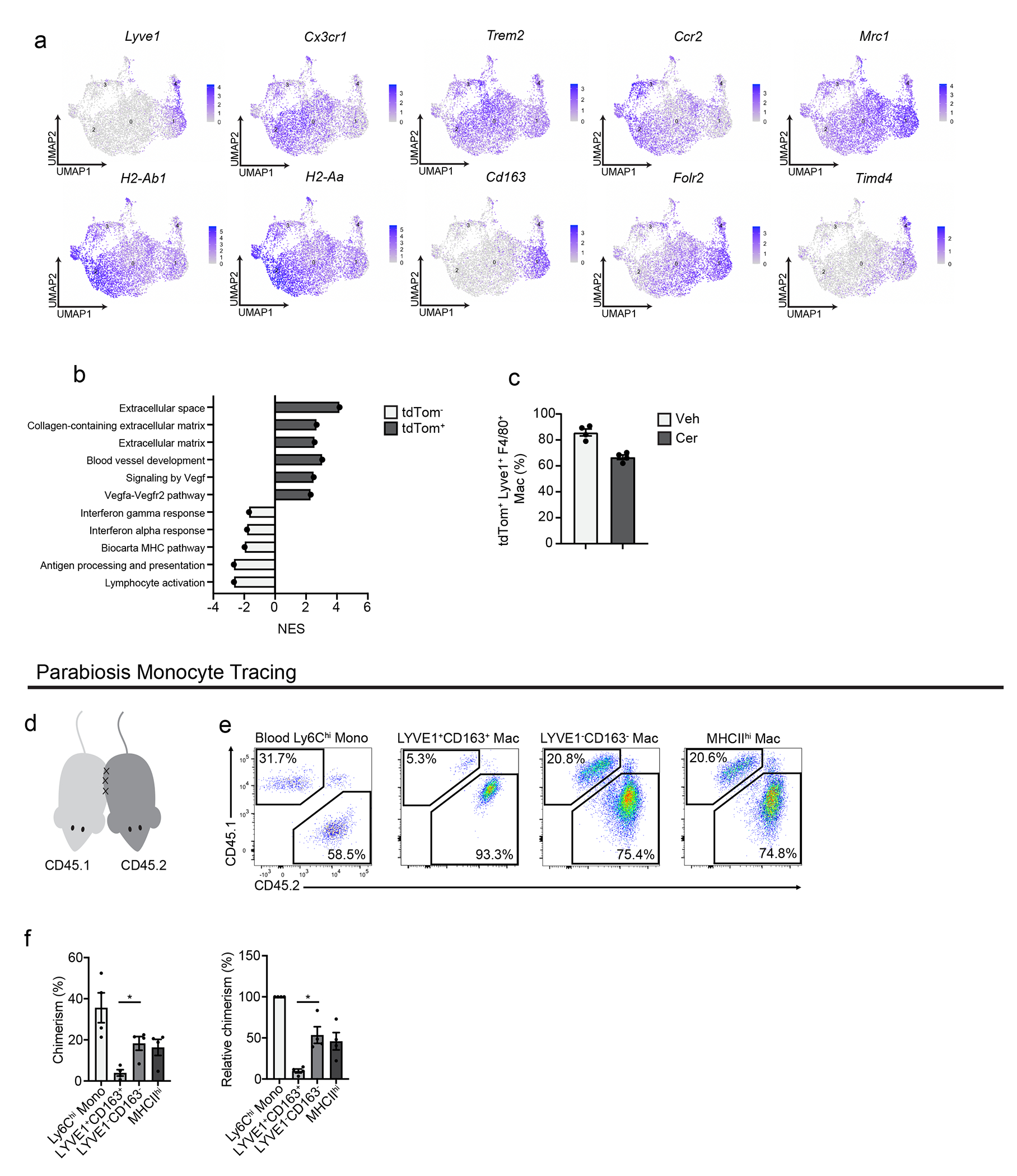
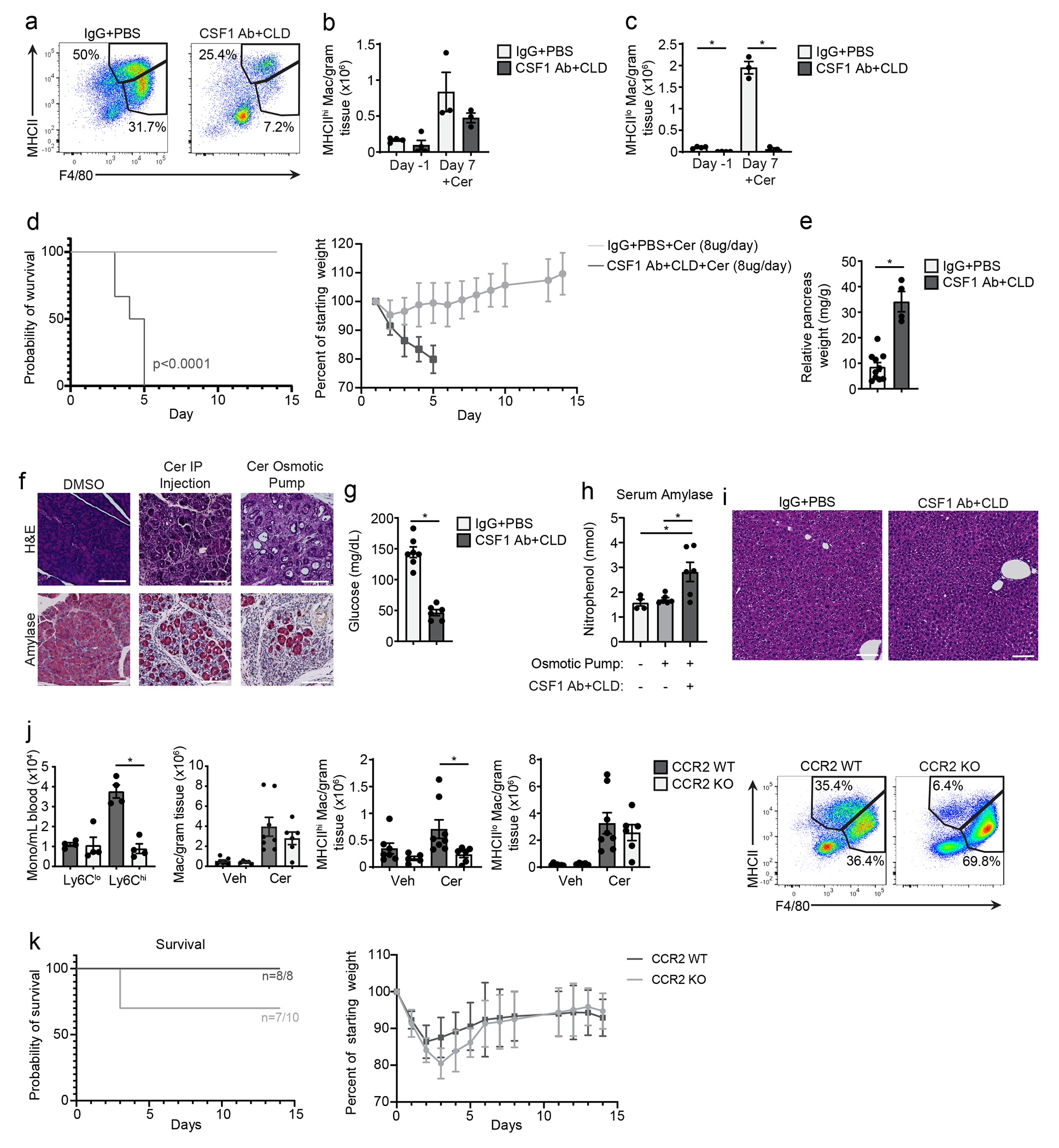
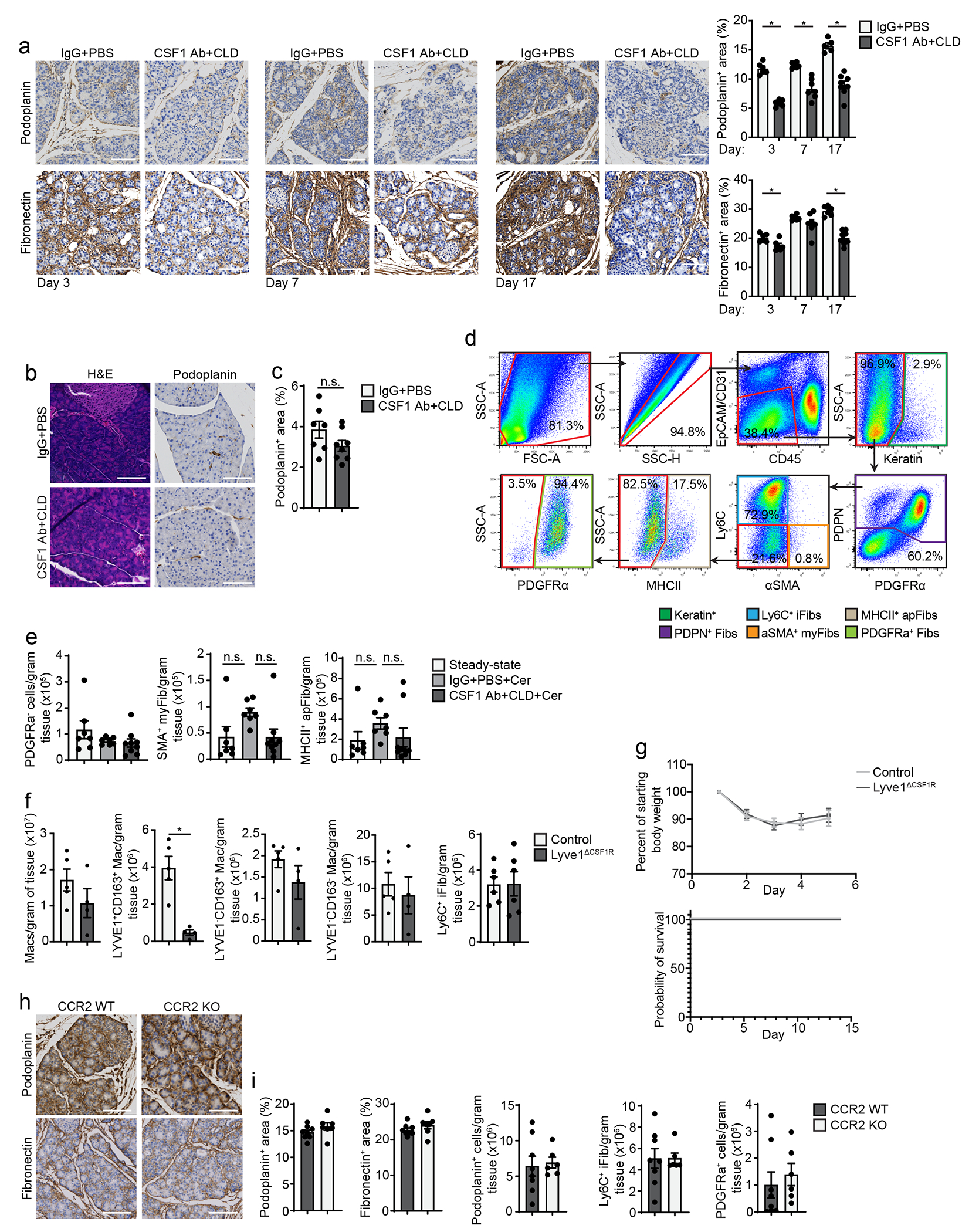
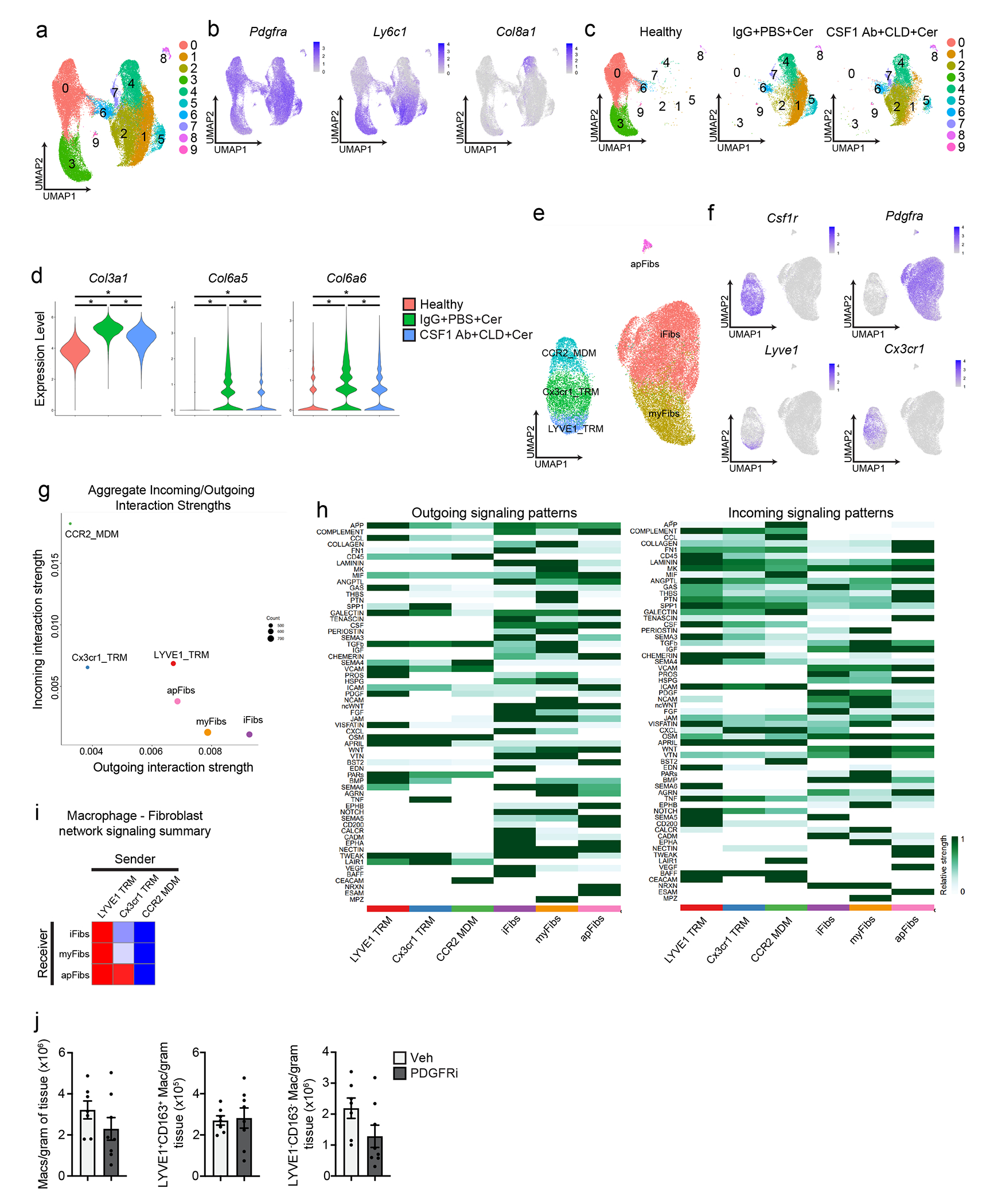
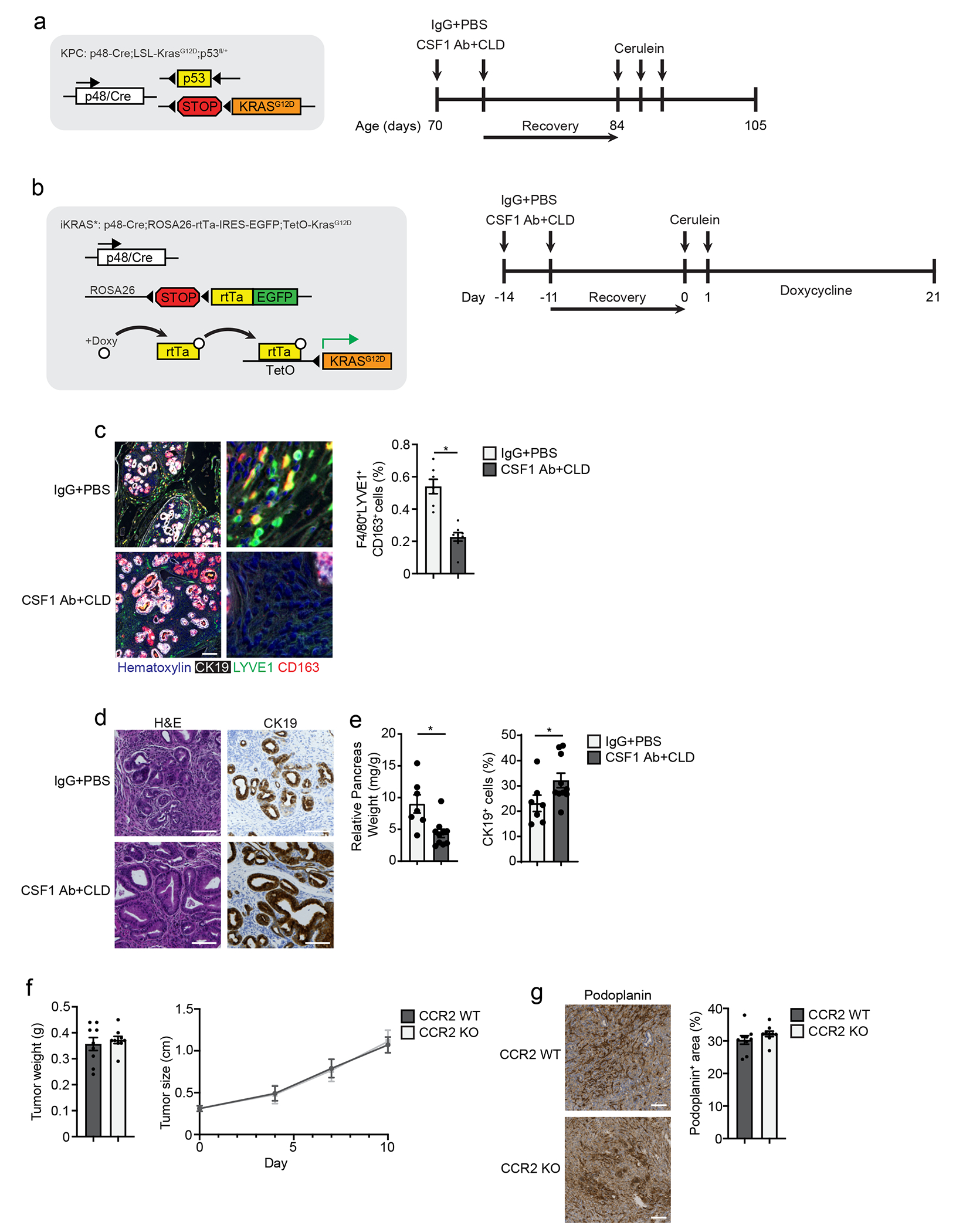
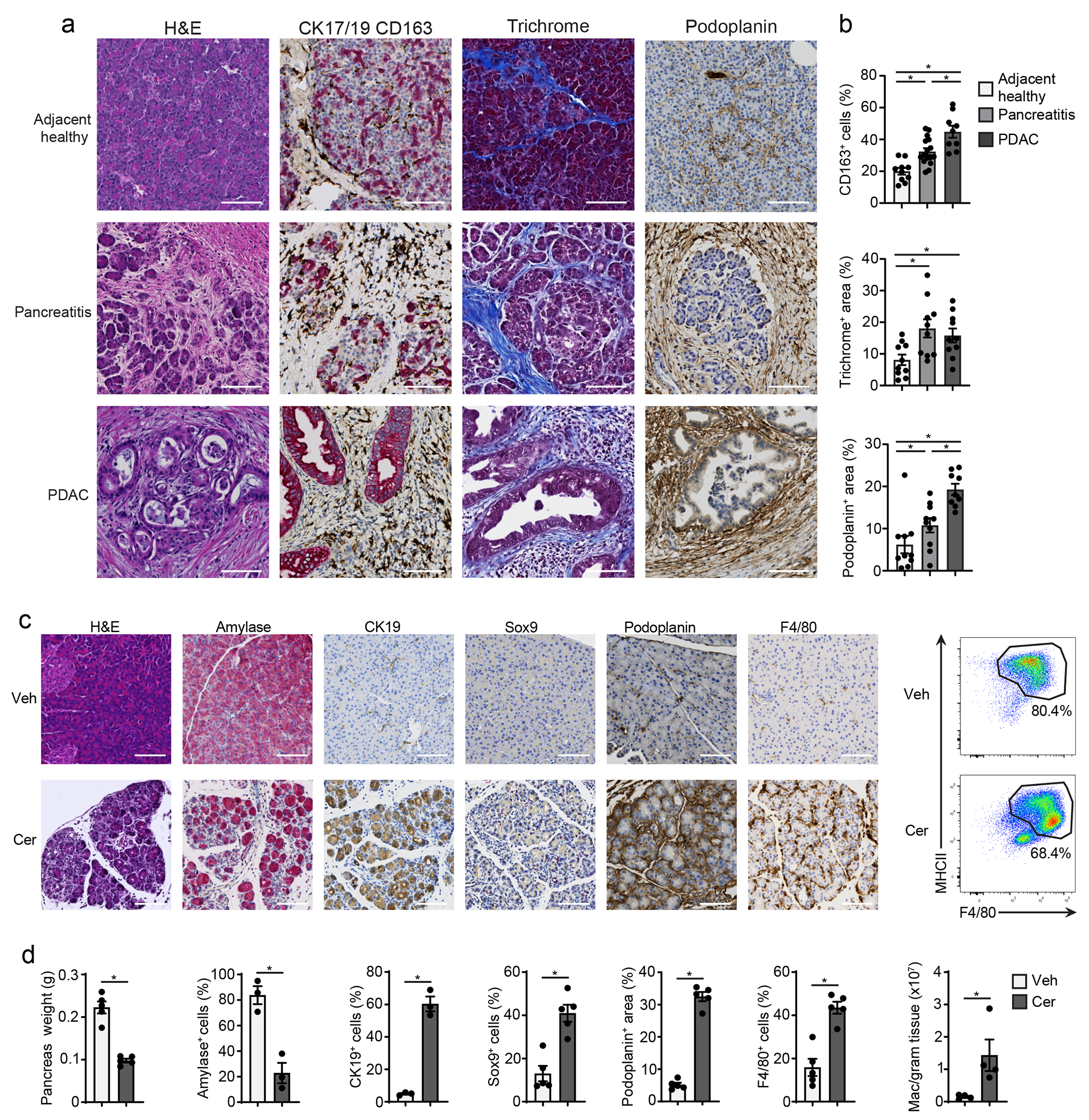
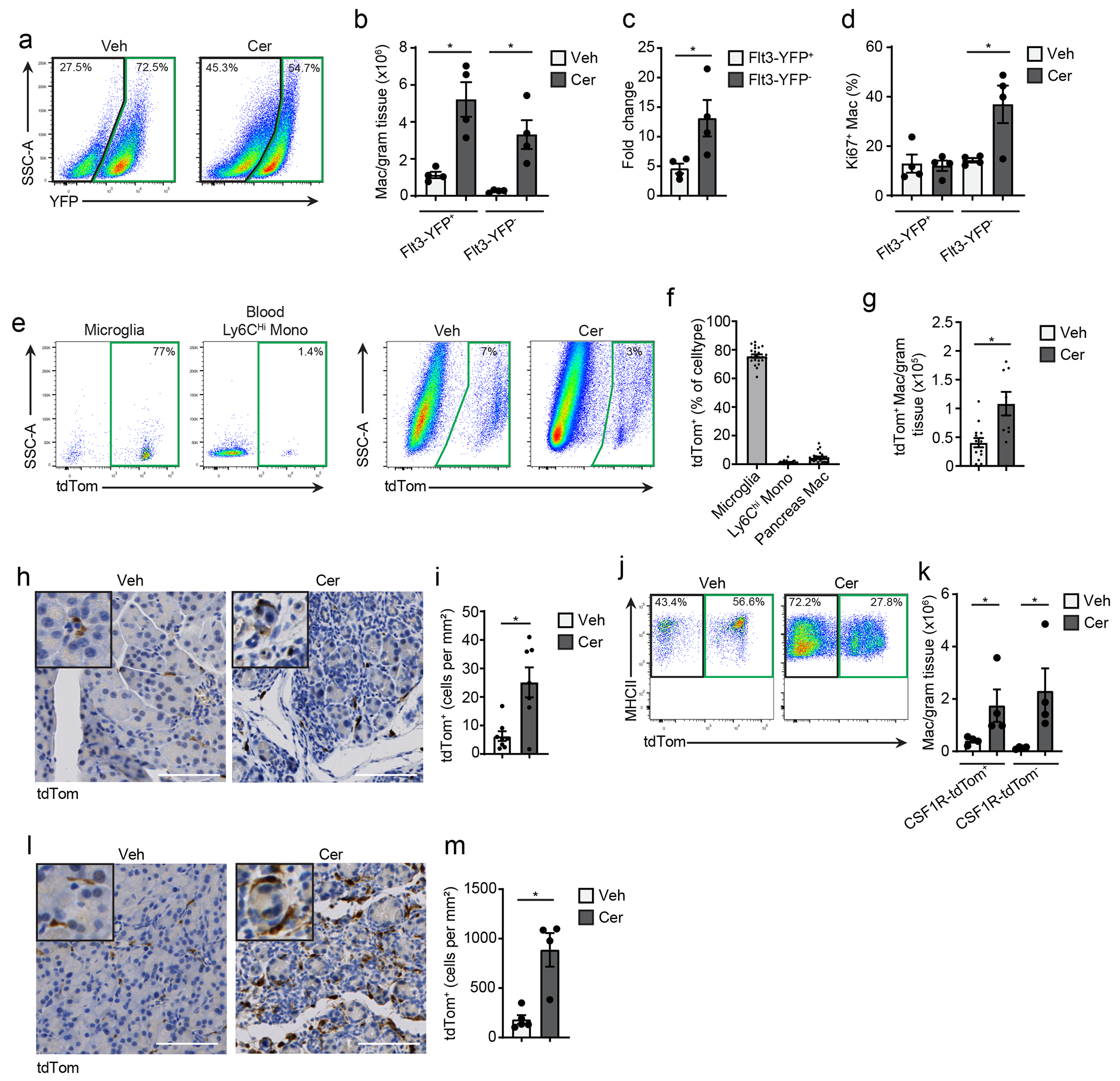
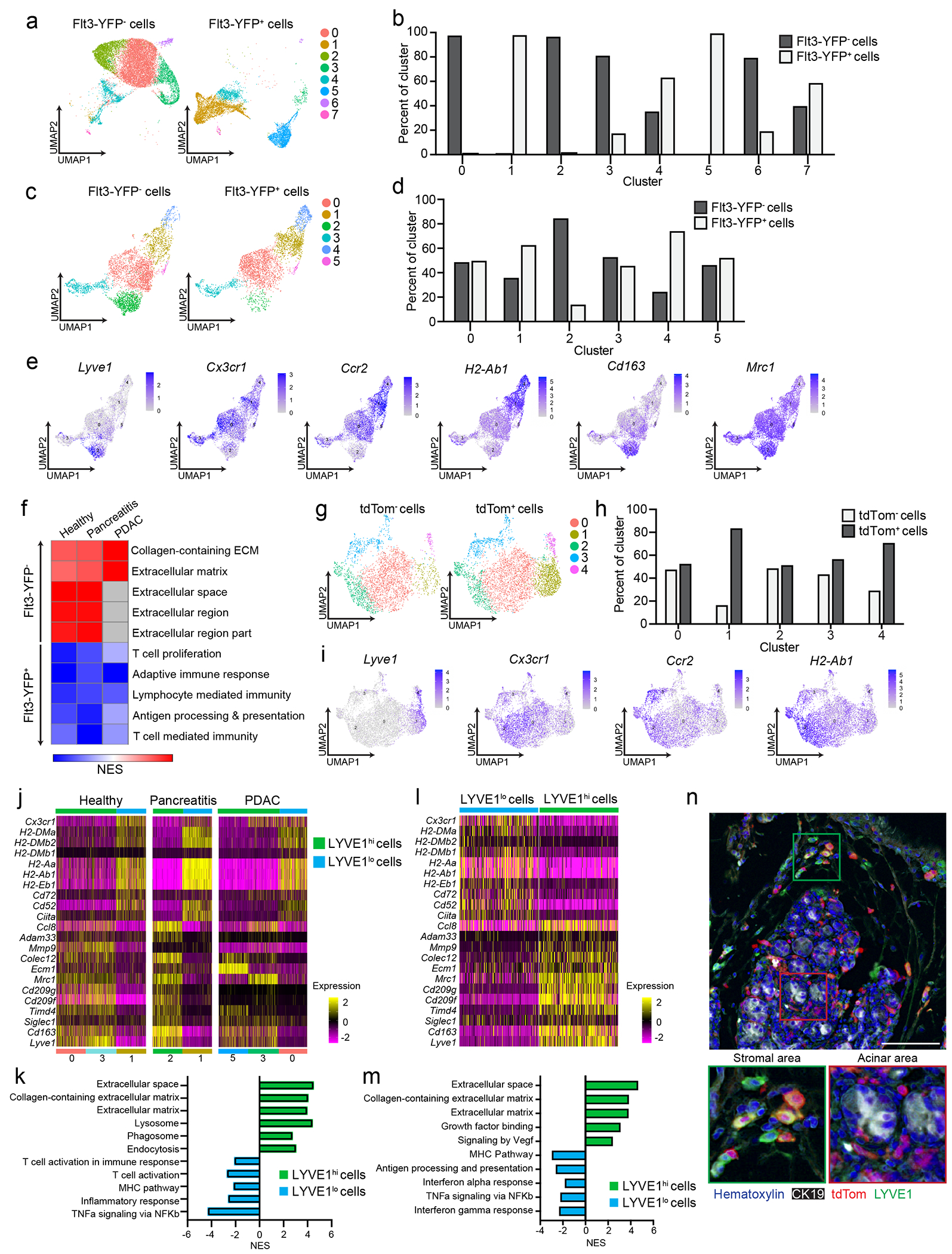
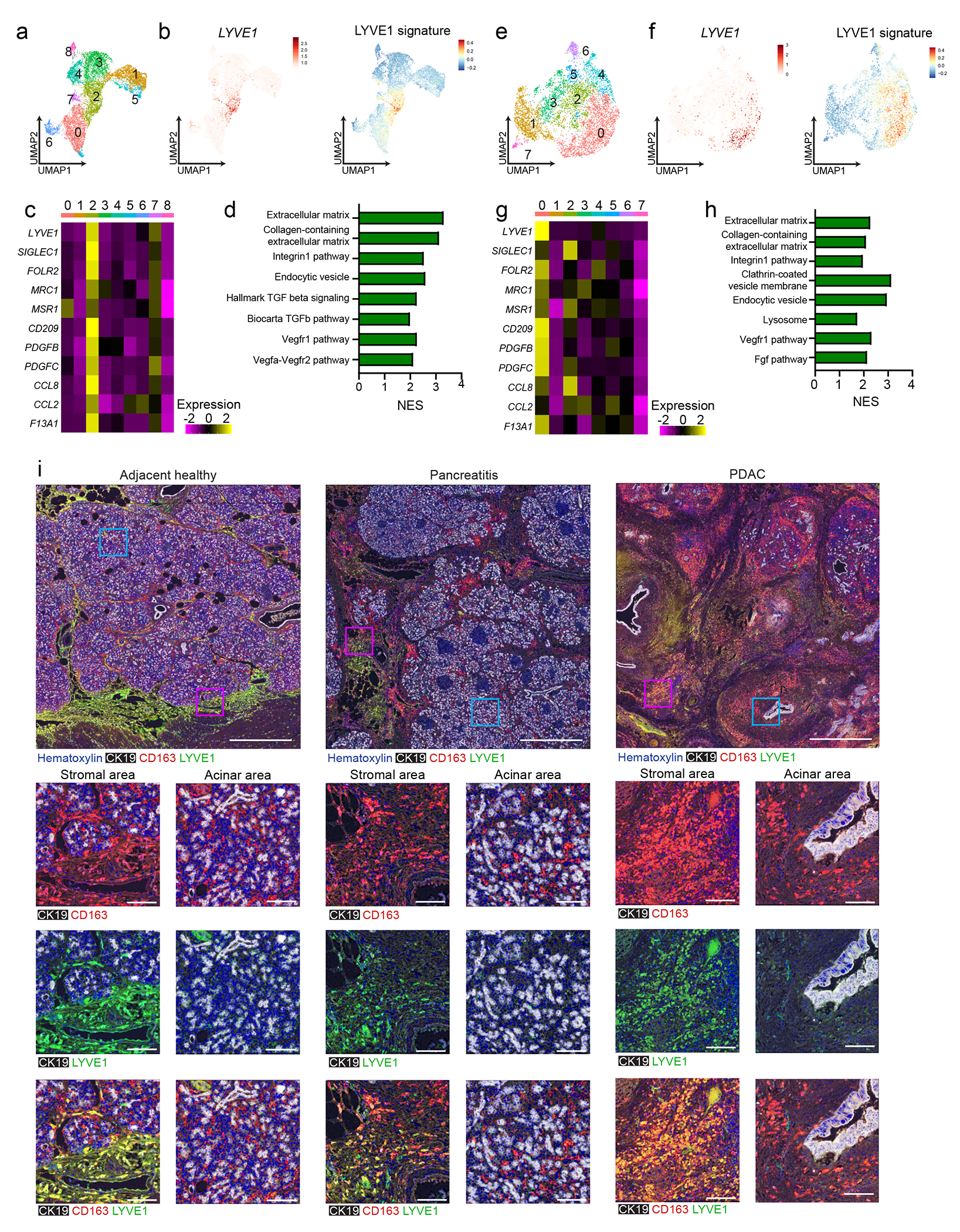
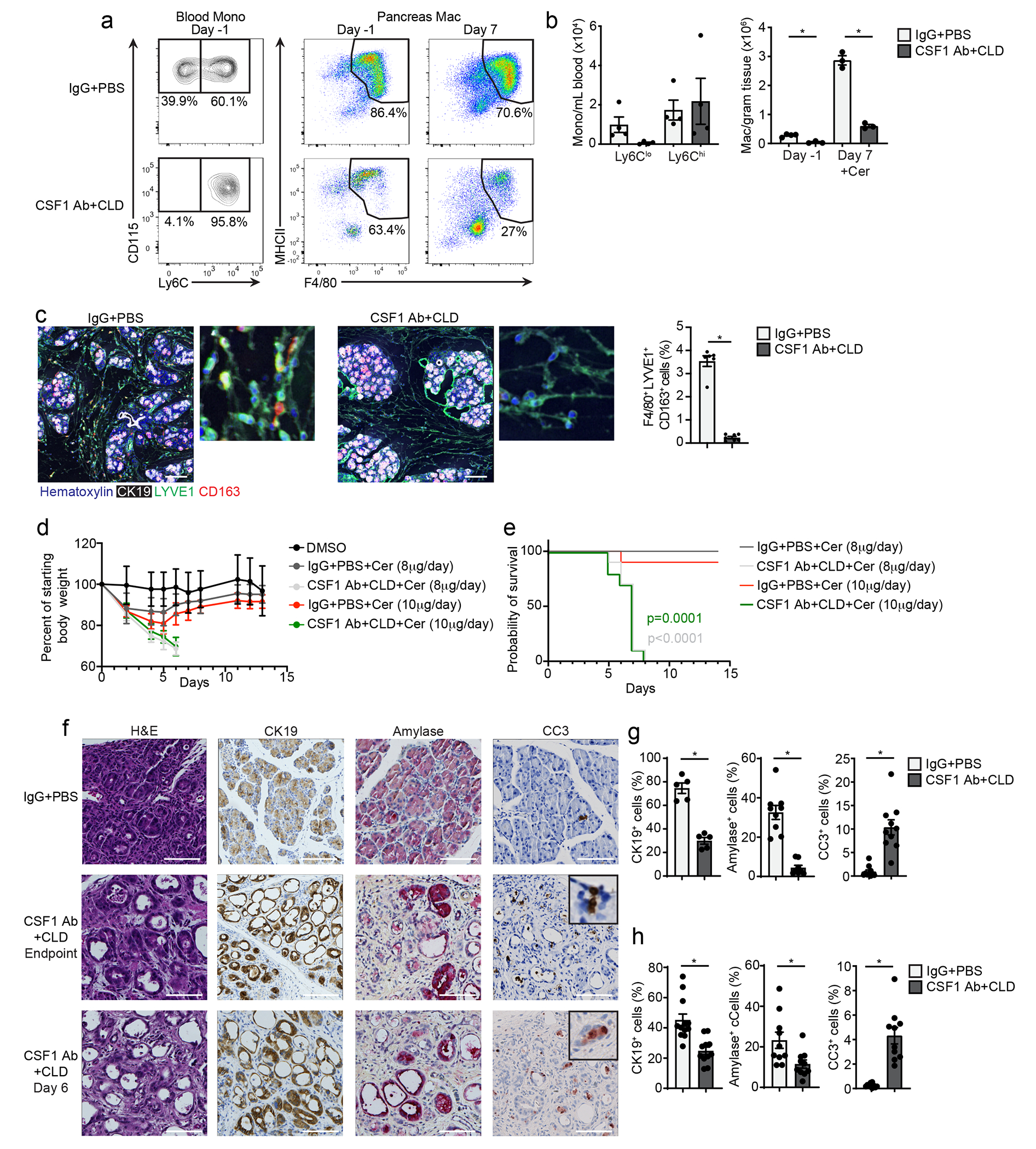
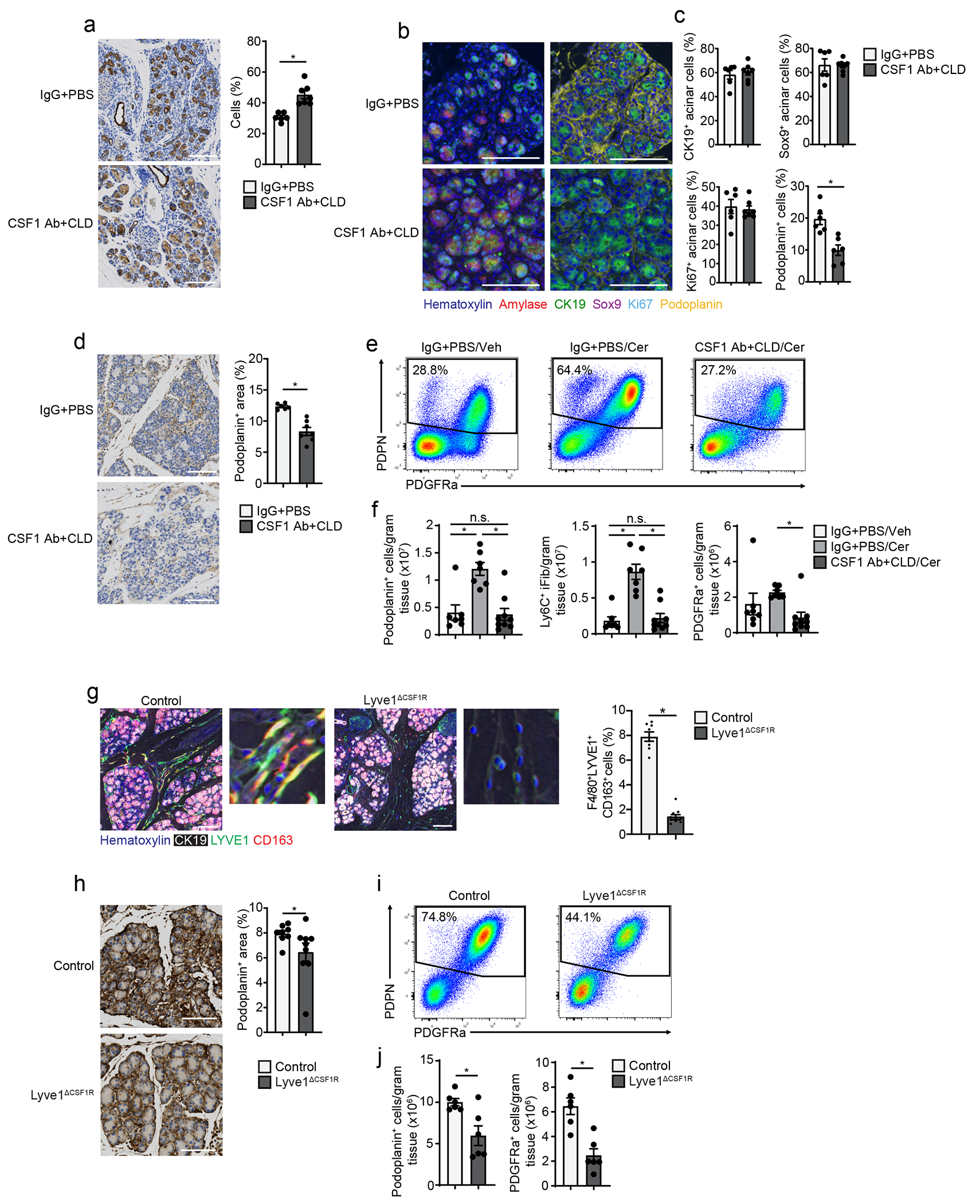
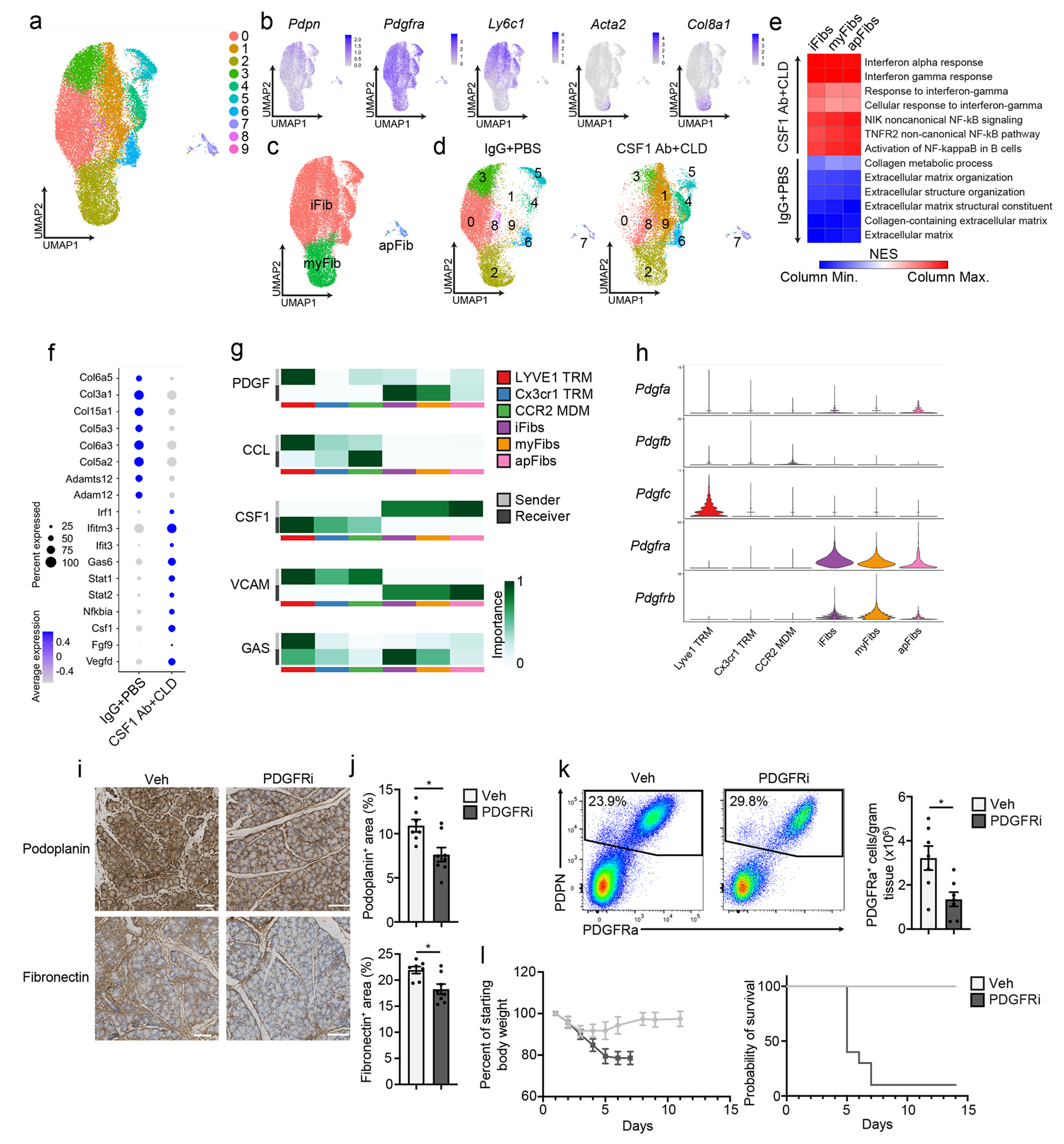
Tissue-resident macrophages (TRMs) are long-lived cells that maintain locally and can be phenotypically distinct from monocyte-derived macrophages. Whether TRMs and monocyte-derived macrophages have district roles under differing pathologies is not understood. Here, we showed that a substantial portion of the macrophages that accumulated during pancreatitis and pancreatic cancer in mice had expanded from TRMs. Pancreas TRMs had an extracellular matrix remodeling phenotype that was important for maintaining tissue homeostasis during inflammation. Loss of TRMs led to exacerbation of severe pancreatitis and death, due to impaired acinar cell survival and recovery. During pancreatitis, TRMs elicited protective effects by triggering the accumulation and activation of fibroblasts, which was necessary for initiating fibrosis as a wound healing response. The same TRM-driven fibrosis, however, drove pancreas cancer pathogenesis and progression. Together, these findings indicate that TRMs play divergent roles in the pathogenesis of pancreatitis and cancer through regulation of stromagenesis.
组织驻留巨噬细胞(TRMs)是寿命较长的细胞,能够在局部维持,并具有与单核细胞衍生的巨噬细胞不同的表型。在不同的病理条件下,TRMs 和单核细胞衍生的巨噬细胞是否具有不同的作用尚不清楚。在这里,我们表明,在小鼠胰腺炎和胰腺癌期间积累的大量巨噬细胞是从 TRMs 中扩增而来的。胰腺 TRMs 具有细胞外基质重塑表型,这对于在炎症期间维持组织内稳态很重要。由于腺泡细胞的存活和恢复受损,TRMs 的缺失导致严重胰腺炎的恶化和死亡。在胰腺炎期间,TRMs 通过触发成纤维细胞的积累和激活来发挥保护作用,这对于启动纤维化作为伤口愈合反应是必要的。然而,同样的 TRM 驱动的纤维化导致了胰腺癌的发病机制和进展。总之,这些发现表明,TRMs 通过调节基质发生在胰腺炎和癌症的发病机制中发挥不同的作用。