Department of Medical and Surgical Sciences and Biotechnologies, Sapienza University of Rome, Latina, Italy.
Department of Cardiology, Santa Maria Goretti Hospital, Latina, Italy.
Cell Mol Life Sci. 2023 Aug 11;80(9):245. doi: 10.1007/s00018-023-04877-7.
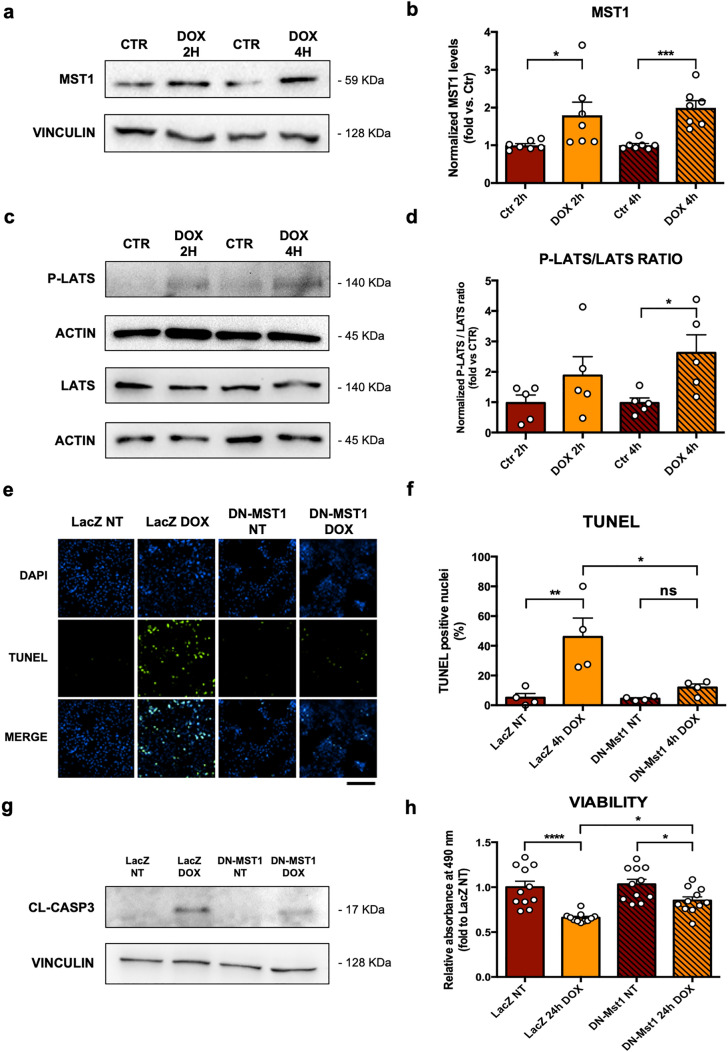
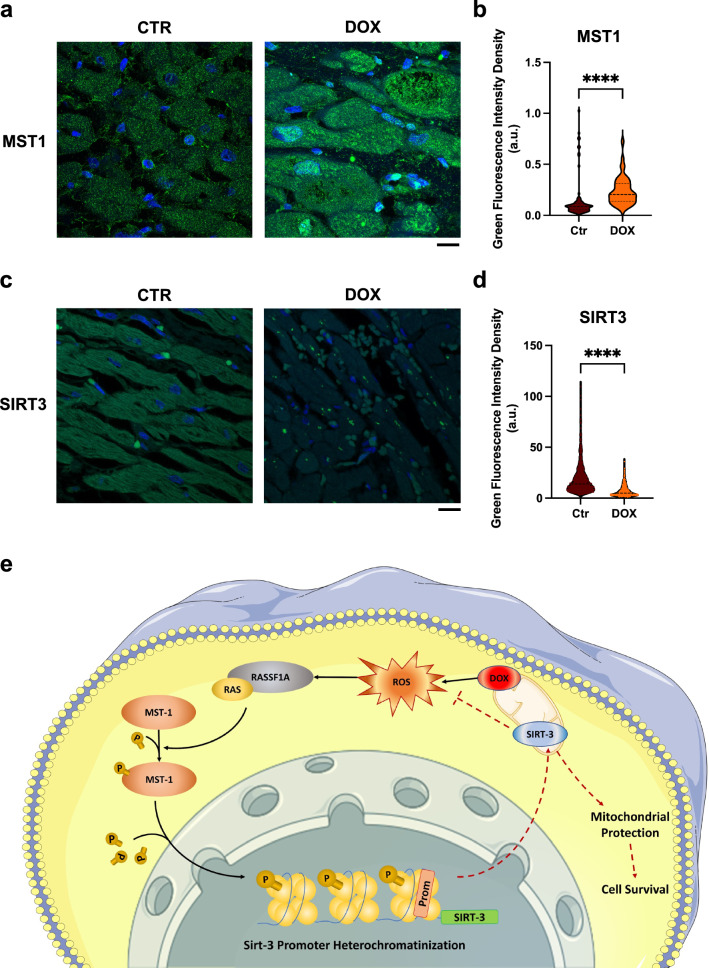
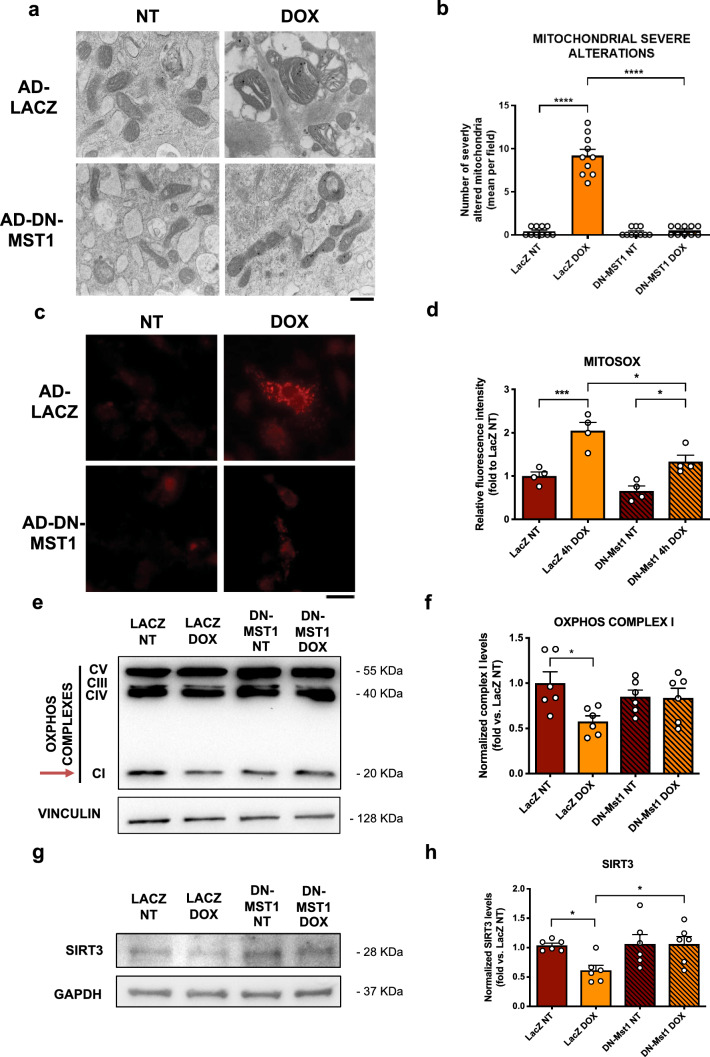
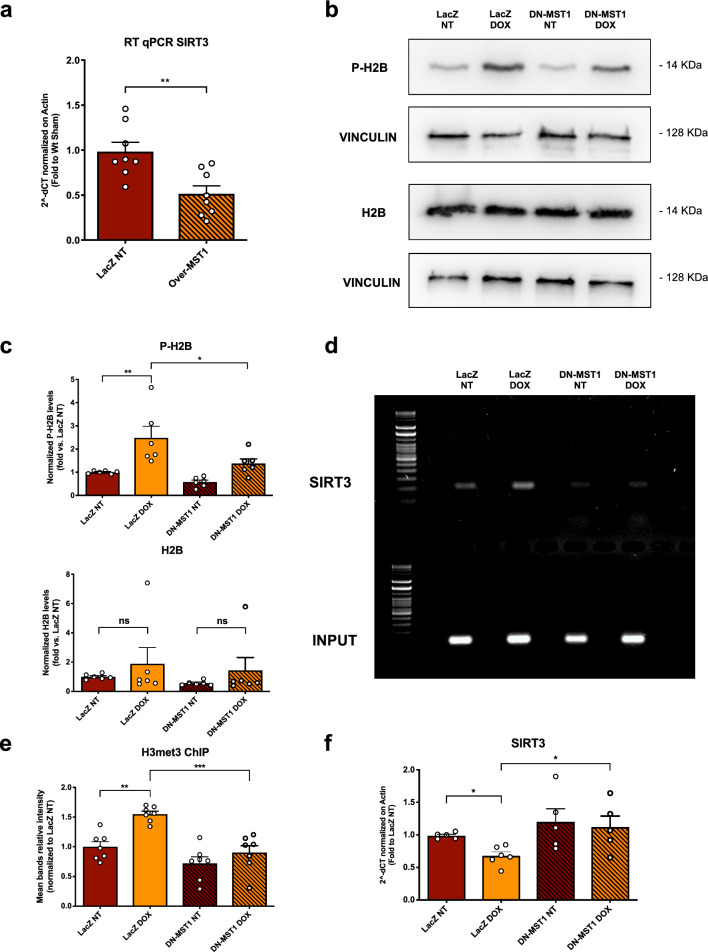
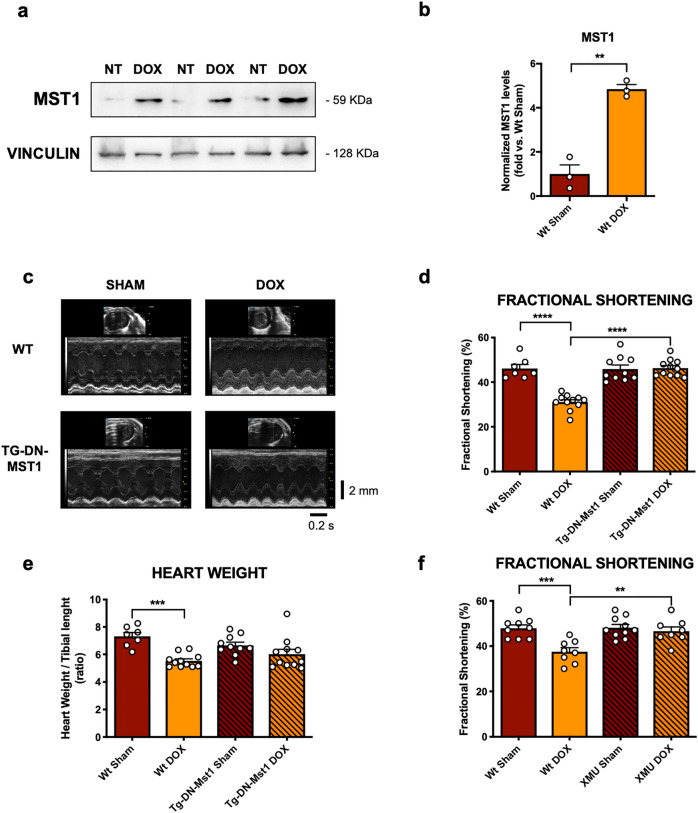
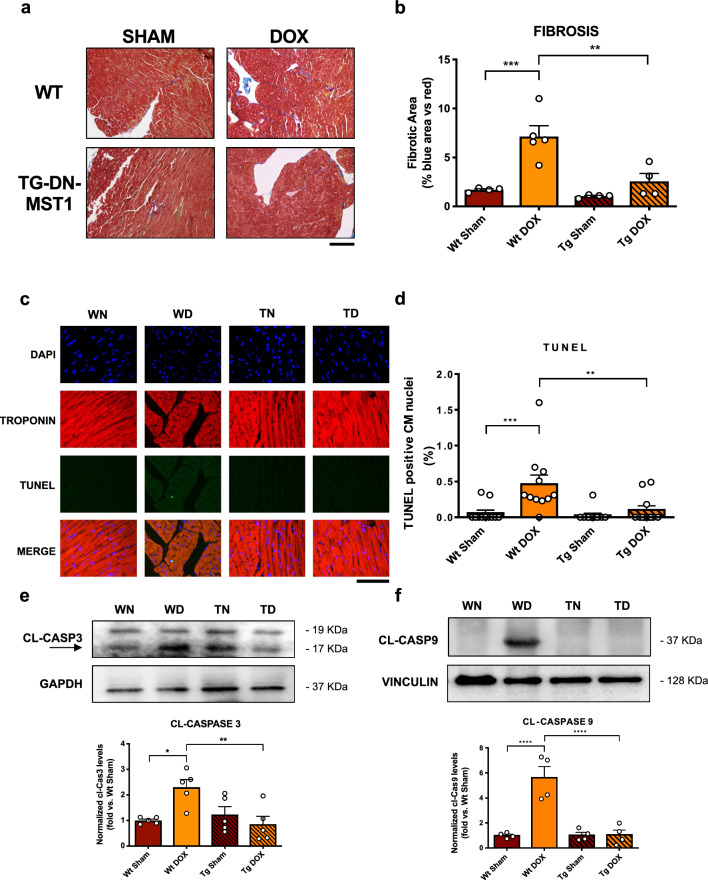
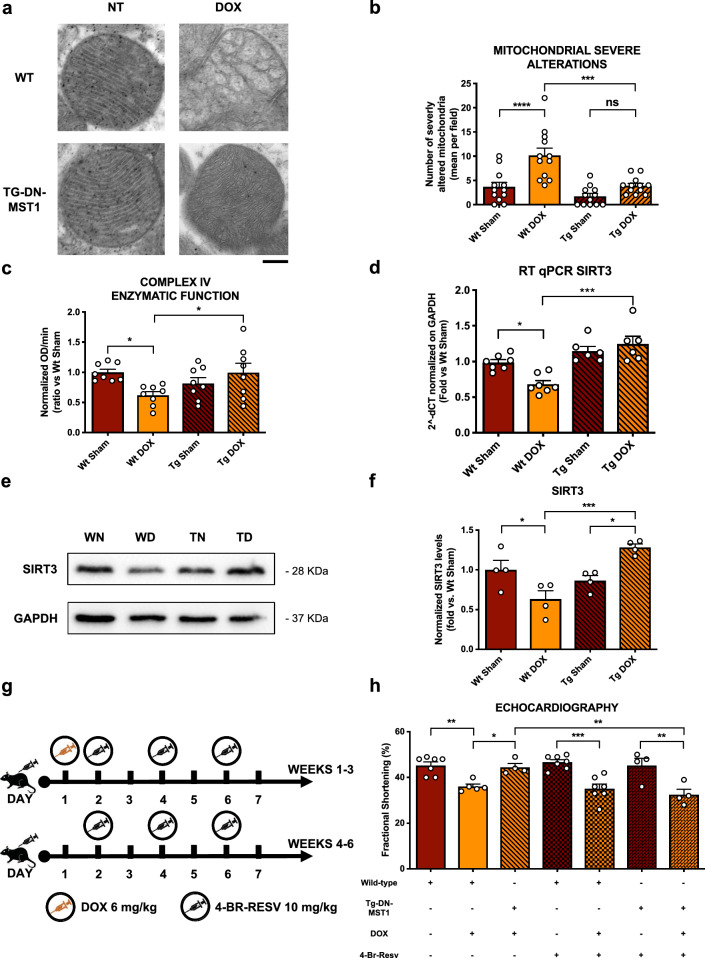
Heart failure is a major side effect of doxorubicin (DOX) treatment in patients with cancer. However, the mechanisms underlying the development of DOX-induced heart failure need to be addressed. This study aims to test whether the serine/threonine kinase MST1, a major Hippo pathway component, contributes to the development of DOX-induced myocardial injury. C57BL/6J WT mice and mice with cardiomyocyte-specific dominant-negative MST1 (kinase-dead) overexpression received three weekly injections of DOX, reaching a final cumulative dose of 18 mg/kg. Echocardiographic, histological and biochemical analyses were performed six weeks after the first DOX administration. The effects of MST1 inhibition on DOX-induced cardiomyocyte injury were also tested in vitro. MST1 signaling was significantly activated in cardiomyocytes in response to DOX treatment in vitro and in vivo. Wild-type (WT) mice treated with DOX developed cardiac dysfunction and mitochondrial abnormalities. However, these detrimental effects were abolished in mice with cardiomyocyte-specific overexpression of dominant-negative MST1 (DN-MST1) or treated with XMU-MP-1, a specific MST1 inhibitor, indicating that MST1 inhibition attenuates DOX-induced cardiac dysfunction. DOX treatment led to a significant downregulation of cardiac levels of SIRT3, a deacetylase involved in mitochondrial protection, in WT mice, which was rescued by MST1 inhibition. Pharmacological inhibition of SIRT3 blunted the protective effects of MST1 inhibition, indicating that SIRT3 downregulation mediates the cytotoxic effects of MST1 activation in response to DOX treatment. Finally, we found a significant upregulation of MST1 and downregulation of SIRT3 levels in human myocardial tissue of cancer patients treated with DOX. In summary, MST1 contributes to DOX-induced cardiomyopathy through SIRT3 downregulation.
心力衰竭是癌症患者接受多柔比星(DOX)治疗的主要副作用。然而,需要阐明导致 DOX 诱导性心力衰竭发展的机制。本研究旨在测试丝氨酸/苏氨酸激酶 MST1 是否有助于 DOX 诱导的心肌损伤的发展,MST1 是 Hippo 通路的主要成分之一。C57BL/6J WT 小鼠和心肌细胞特异性显性失活 MST1(激酶失活)过表达的小鼠接受三次每周 DOX 注射,最终累积剂量为 18mg/kg。在第一次 DOX 给药后六周进行超声心动图、组织学和生化分析。还在体外测试了 MST1 抑制对 DOX 诱导的心肌细胞损伤的影响。MST1 信号在体外和体内 DOX 处理后在心肌细胞中被显著激活。用 DOX 处理的 WT 小鼠发生心脏功能障碍和线粒体异常。然而,在心肌细胞特异性过表达显性失活 MST1(DN-MST1)的小鼠或用特异性 MST1 抑制剂 XMU-MP-1 处理的小鼠中,这些有害影响被消除,表明 MST1 抑制减轻了 DOX 诱导的心脏功能障碍。DOX 处理导致 WT 小鼠心脏中涉及线粒体保护的去乙酰化酶 SIRT3 的水平显著下调,MST1 抑制可挽救这一下调。SIRT3 药理学抑制减弱了 MST1 抑制的保护作用,表明 SIRT3 下调介导了 MST1 激活对 DOX 处理的细胞毒性作用。最后,我们在接受 DOX 治疗的癌症患者的人类心肌组织中发现 MST1 水平显著上调和 SIRT3 水平下调。总之,MST1 通过 SIRT3 下调导致 DOX 诱导的心肌病。