Yıldırım Hasan Çağrı, Kavgaci Gozde, Chalabiyev Elvin, Dizdar Omer
Department of Medical Oncology, Faculty of Medicine, Hacettepe University, 06230 Ankara, Turkey.
Cancers (Basel). 2023 Jul 30;15(15):3880. doi: 10.3390/cancers15153880.
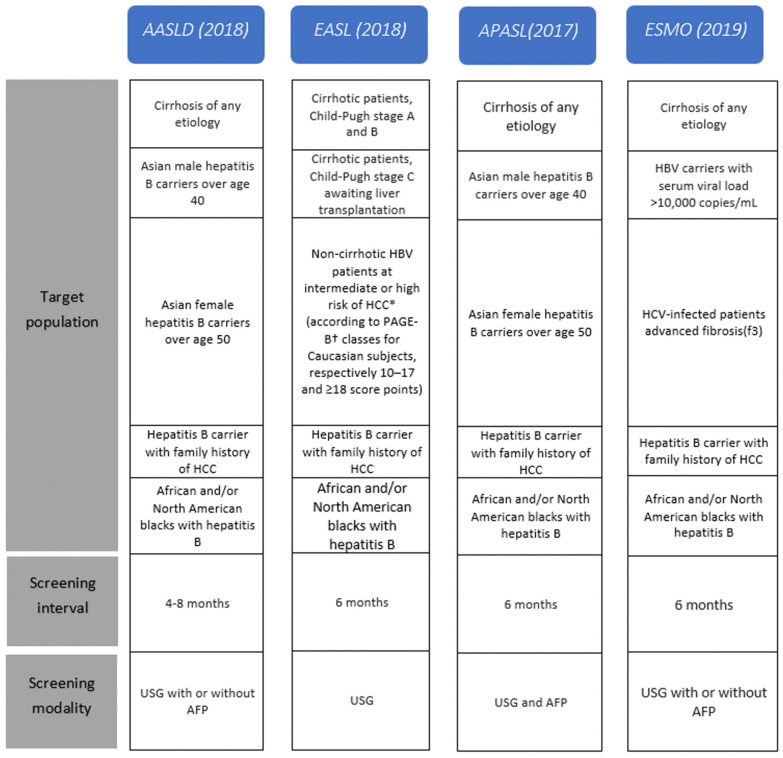
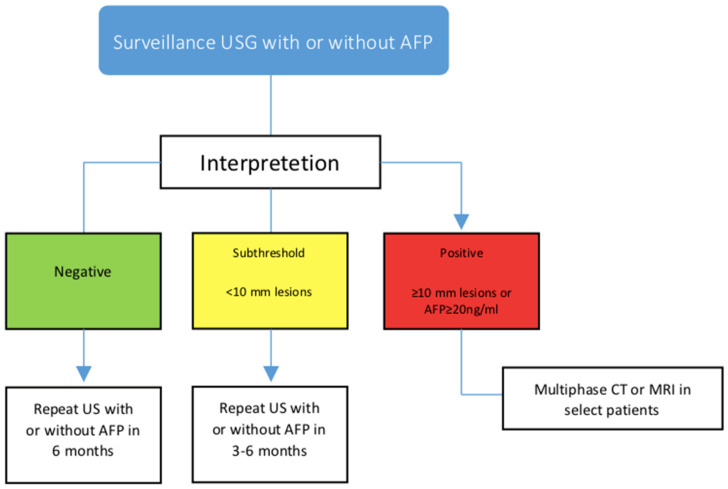
Hepatocellular cancer (HCC) and biliary tract cancers (BTCs) have poor survival rates and a low likelihood of a cure, especially in advanced-stage disease. Early diagnosis is crucial and can significantly improve survival rates through curative treatment approaches. Current guidelines recommend abdominal ultrasonography (USG) and alpha-fetoprotein (AFP) monitoring for HCC screening in high-risk groups, and abdominal USG, magnetic resonance imaging (MRI), and magnetic resonance cholangiopancreatography (MRCP) monitoring for biliary tract cancer. However, despite this screening strategy, many high-risk individuals still develop advanced-stage HCC and BTC. Blood-based biomarkers are being developed for use in HCC or BTC high-risk groups. Studies on AFP, AFP-L3, des-gamma-carboxy prothrombin, glypican-3 (GPC3), osteopontin (OPN), midkine (MK), neopterin, squamous cell carcinoma antigen (SCCA), Mac-2-binding protein (M2BP), cyclic guanosine monophosphate (cGMP), and interleukin-6 biomarkers for HCC screening have shown promising results when evaluated individually or in combination. In the case of BTCs, the potential applications of circulating tumor DNA, circulating microRNA, and circulating tumor cells in diagnosis are also promising. These biomarkers have shown potential in detecting BTCs in early stages, which can significantly improve patient outcomes. Additionally, these biomarkers hold promise for monitoring disease progression and evaluating response to therapy in BTC patients. However, further research is necessary to fully understand the clinical utility of these biomarkers in the diagnosis and management of HCC and BTCs.
肝细胞癌(HCC)和胆管癌(BTC)的生存率较低,治愈的可能性也很小,尤其是在疾病晚期。早期诊断至关重要,通过根治性治疗方法可显著提高生存率。目前的指南建议对高危人群进行腹部超声检查(USG)和甲胎蛋白(AFP)监测以筛查HCC,对胆管癌进行腹部USG、磁共振成像(MRI)和磁共振胰胆管造影(MRCP)监测。然而,尽管有这种筛查策略,许多高危个体仍会发展为晚期HCC和BTC。正在开发基于血液的生物标志物用于HCC或BTC高危人群。对AFP、AFP-L3、脱γ-羧基凝血酶原、磷脂酰肌醇蛋白聚糖-3(GPC3)、骨桥蛋白(OPN)、中期因子(MK)、新蝶呤、鳞状细胞癌抗原(SCCA)、Mac-2结合蛋白(M2BP)、环磷酸鸟苷(cGMP)和白细胞介素-6等用于HCC筛查的生物标志物进行单独或联合评估时已显示出有前景的结果。对于BTC,循环肿瘤DNA、循环微小RNA和循环肿瘤细胞在诊断中的潜在应用也很有前景。这些生物标志物在早期检测BTC方面已显示出潜力,这可显著改善患者预后。此外,这些生物标志物在监测BTC患者的疾病进展和评估治疗反应方面也很有前景。然而,需要进一步研究以充分了解这些生物标志物在HCC和BTC诊断及管理中的临床效用。