School of Rehabilitation Science, University of Saskatchewan, Saskatoon, SK, Canada.
College of Medicine, University of Saskatchewan, Saskatoon, SK, Canada.
Ann Med. 2023;55(2):2244965. doi: 10.1080/07853890.2023.2244965.
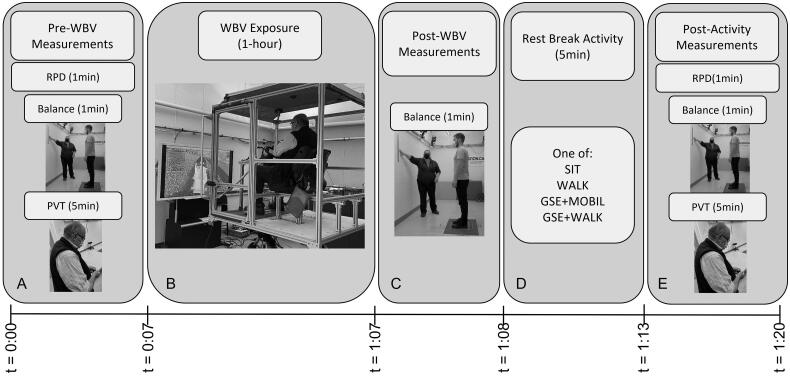
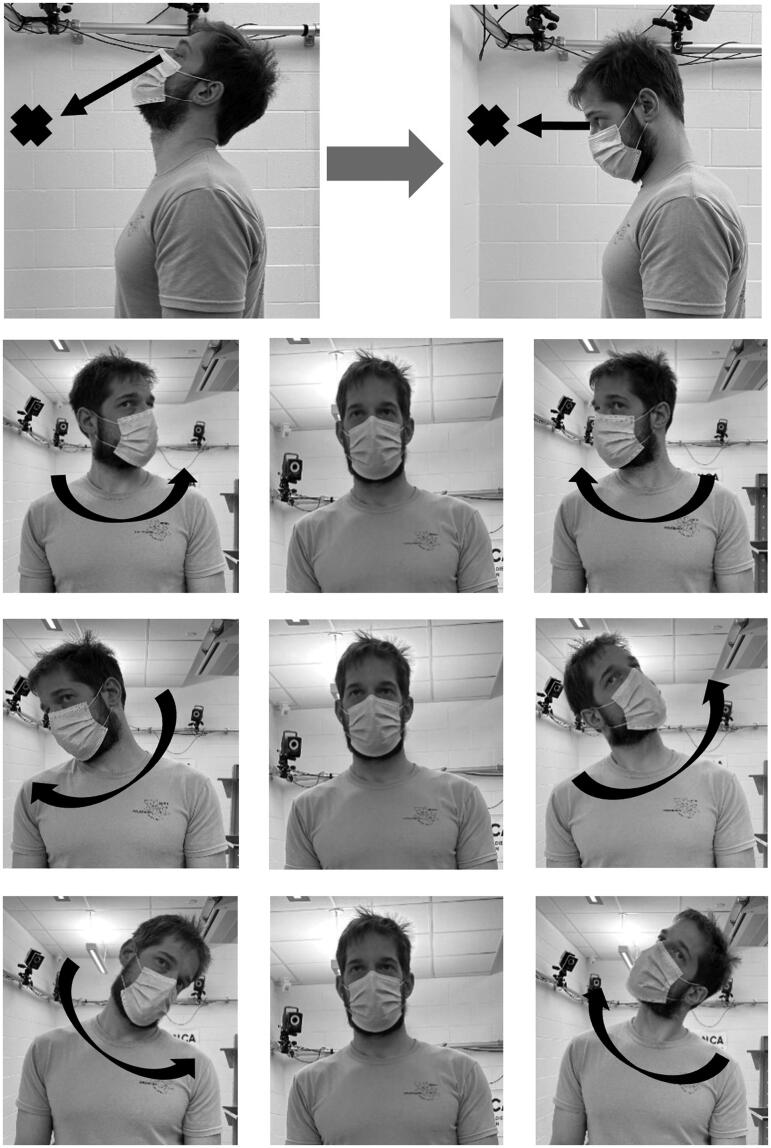
MATERIALS & METHODS: Eleven healthy adults participated in four 1-hour sessions of ecologically valid WBV exposure followed by one of four 5-minute activities: sitting, walking, 2 min of gaze stabilization exercise (GSE) coupled with 3 min of trunk mobility exercise (GSE + MOBIL), or 2 min of GSE coupled with a 3-minute walk (GSE + WALK). Baseline and post-activity measurements (rating of perceived discomfort, balance and postural sway measurements, 5-minute psychomotor vigilance task test) were submitted to a paired t-test to determine the effect of WBV exposure and activities on physical, cognitive, and sensorimotor systems and to a repeated measures ANOVA to determine any differences across activities.
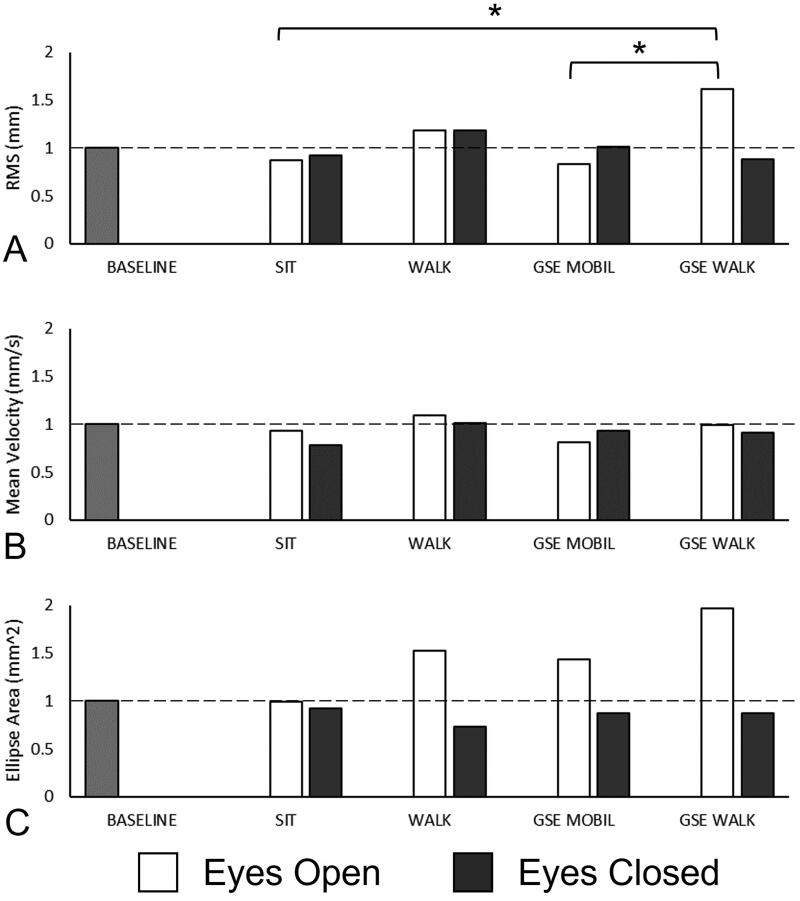
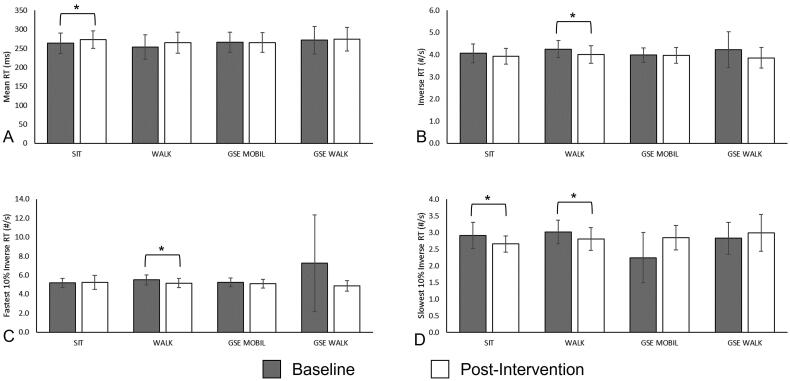
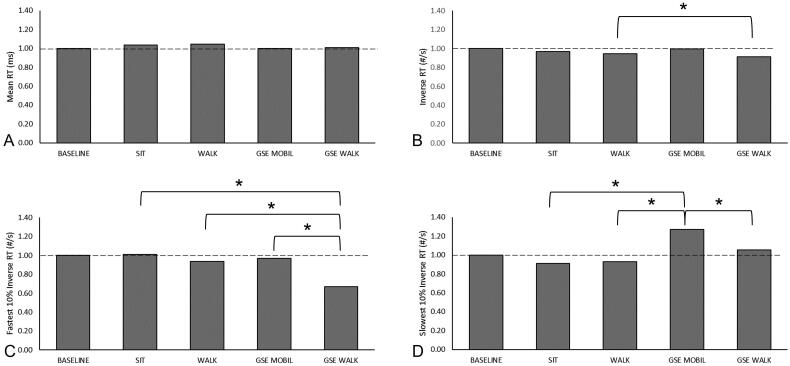
We observed degradation of the slowest 10% reaction speed outcomes between baseline and post-activity after walking (7.3%, < 0.05) and sitting (8.6%, < 0.05) but not after GSE + MOBIL or GSE + WALK activities. Slowest 10% reaction speed after GSE + MOBIL activity was faster than all other activities. The rating of perceived discomfort was higher after SIT and WALK activities. There were no notable differences in balance outcomes.
When compared to sitting for 5 min, an activity including GSE and an active component, such as walking or trunk mobility exercises, resulted in maintenance of reaction time after WBV exposure. If confirmed in occupational environments, GSE may provide a simple, rapid, effective, and inexpensive means to protect against decrements in reaction time after WBV exposure.
11 名健康成年人参与了 4 次 1 小时的生态有效 WBV 暴露,随后进行了 4 种 5 分钟活动中的 1 种:坐姿、行走、2 分钟的凝视稳定性练习(GSE)加 3 分钟的躯干活动性练习(GSE+MOBIL),或 2 分钟的 GSE 加 3 分钟的步行(GSE+WALK)。基线和活动后测量(感知不适评分、平衡和姿势摆动测量、5 分钟精神运动警觉任务测试)进行配对 t 检验,以确定 WBV 暴露和活动对身体、认知和感觉运动系统的影响,并进行重复测量方差分析,以确定活动之间的任何差异。
我们观察到行走(7.3%,<0.05)和坐姿(8.6%,<0.05)后,最慢的 10%反应速度结果从基线到活动后下降,但 GSE+MOBIL 或 GSE+WALK 活动后没有下降。GSE+MOBIL 活动后的最慢 10%反应速度比所有其他活动都快。感知不适评分在 SIT 和 WALK 活动后更高。平衡结果没有明显差异。
与坐 5 分钟相比,包括 GSE 和主动成分(如行走或躯干活动性练习)的活动可在 WBV 暴露后维持反应时间。如果在职业环境中得到证实,GSE 可能提供一种简单、快速、有效和廉价的方法来防止 WBV 暴露后反应时间的下降。