Ciurko Dominika, Chebbi Alif, Kruszelnicki Mateusz, Czapor-Irzabek Hanna, Urbanek Aneta K, Polowczyk Izabela, Franzetti Andrea, Janek Tomasz
Department of Biotechnology and Food Microbiology, Wrocław University of Environmental and Life Sciences 51-630 Wrocław Poland
Department of Science, Roma Tre University 00146 Rome Italy.
RSC Adv. 2023 Aug 11;13(34):24129-24139. doi: 10.1039/d3ra03408a. eCollection 2023 Aug 4.
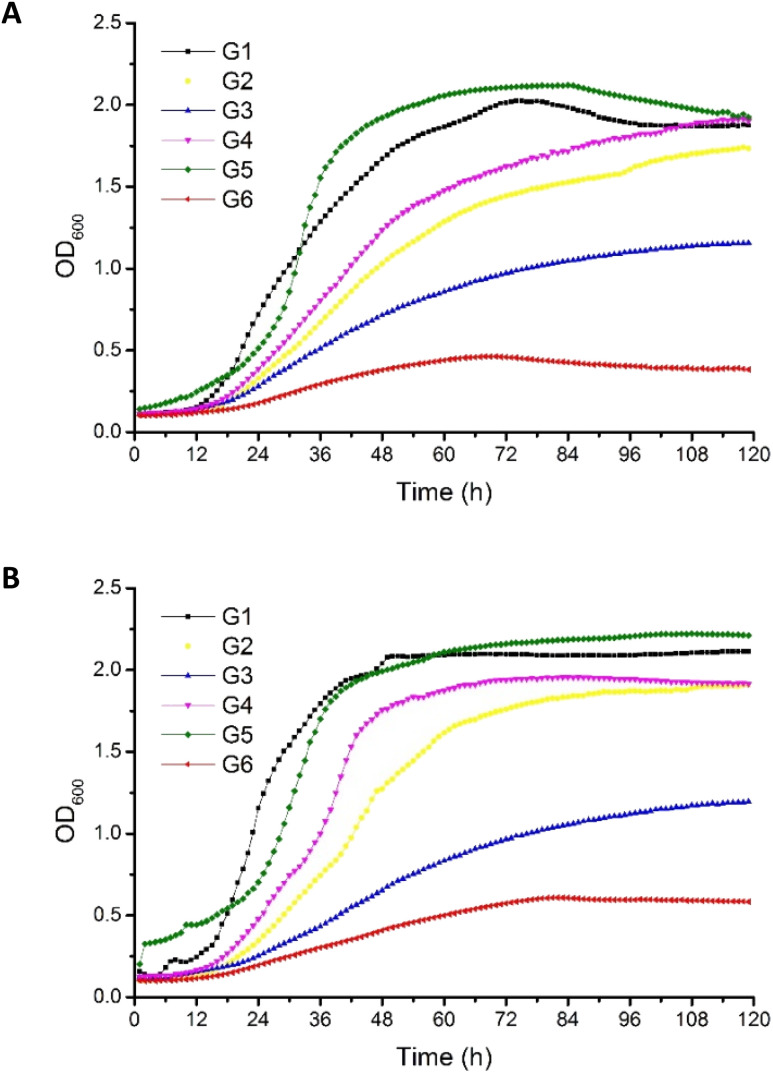
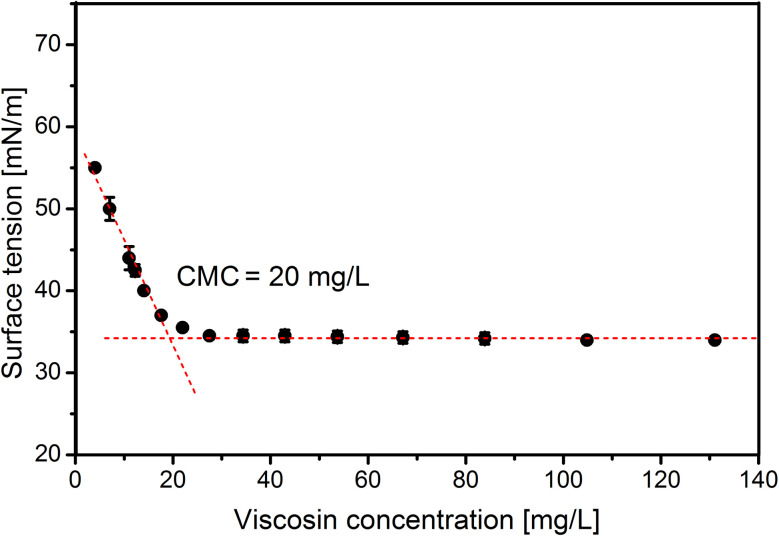
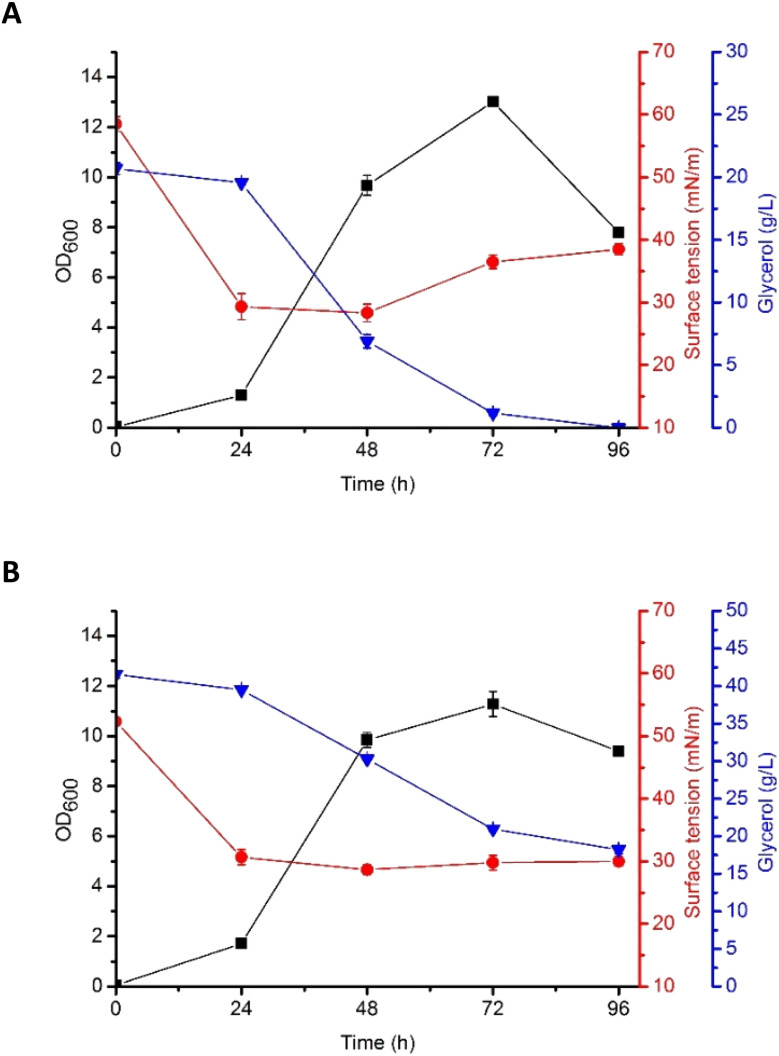
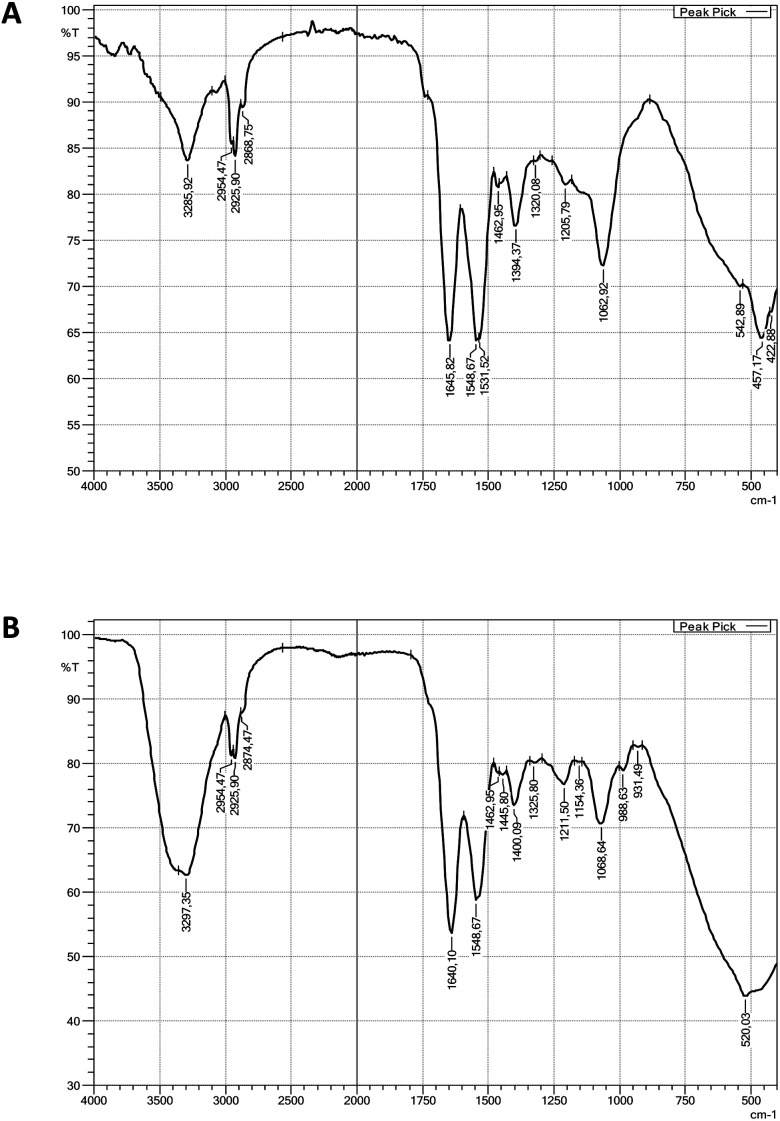
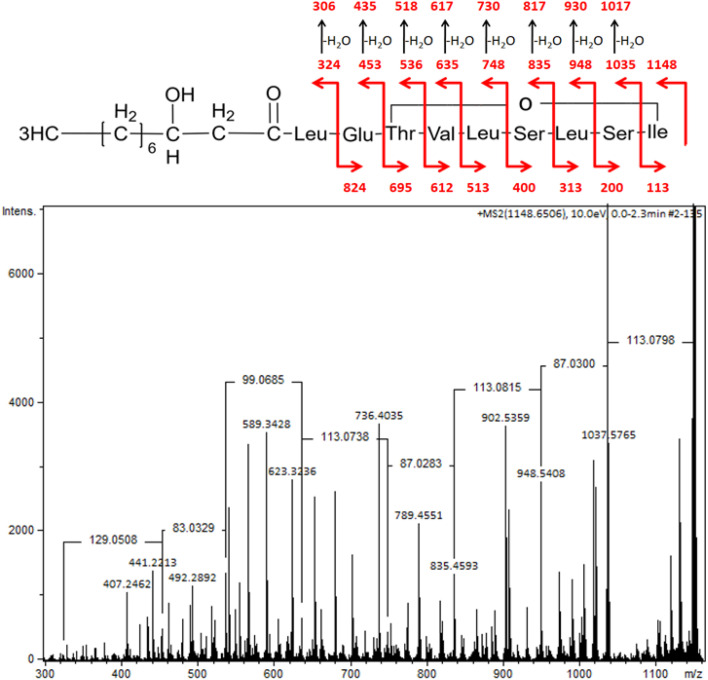
is a cosmopolitan genus of bacteria found in soil, water, organic matter, plants and animals and known for the production of glycolipid and lipopeptide biosurfactants. In this study bacteria (laboratory collection number 28E) isolated from soil collected in Spitsbergen were used for biosurfactant production. 16S rRNA sequencing and matrix-assisted laser desorption/ionization time-of-flight mass spectrometry (MALDI-TOF) revealed that this isolate belongs to the species . In the present study, crude glycerol, a raw material obtained from several industrial processes, was evaluated as a potential low-cost carbon source to reduce the costs of lipopeptide production. Among several tested glycerols, a waste product of stearin production, rich in nitrogen, iron and calcium, ensured optimal conditions for bacterial growth. Biosurfactant production was evidenced by a reduction of surface tension (ST) and an increase in the emulsification index (%). According to Fourier-transform infrared spectroscopy (FTIR) and electrospray ionization mass spectrometry (ESI-MS), the biosurfactant was identified as viscosin. The critical micelle concentration (CMC) of lipopeptide was determined to be 20 mg L. Interestingly, viscosin production has been reported previously for , and . To the best of our knowledge, this is the first report on viscosin production by a 28E. The results indicated the potential of crude glycerol as a low-cost substrate to produce a lipopeptide biosurfactant with promising tensioactive and emulsifying properties.
是一种广泛分布于土壤、水、有机物、植物和动物中的细菌属,以产生糖脂和脂肽生物表面活性剂而闻名。在本研究中,从斯匹次卑尔根采集的土壤中分离出的细菌(实验室收集编号28E)用于生产生物表面活性剂。16S rRNA测序和基质辅助激光解吸/电离飞行时间质谱(MALDI-TOF)表明,该分离株属于 种。在本研究中,对从几个工业过程中获得的原材料粗甘油作为潜在低成本碳源进行了评估,以降低脂肽生产成本。在几种测试的甘油中,硬脂生产的一种富含氮、铁和钙的废品,为细菌生长提供了最佳条件。表面张力(ST)降低和乳化指数(%)增加证明了生物表面活性剂的产生。根据傅里叶变换红外光谱(FTIR)和电喷雾电离质谱(ESI-MS),该生物表面活性剂被鉴定为粘菌素。脂肽的临界胶束浓度(CMC)测定为20 mg/L。有趣的是,之前已有关于 、 和 产生粘菌素的报道。据我们所知,这是关于28E产生粘菌素的首次报道。结果表明,粗甘油作为低成本底物具有生产具有良好表面活性和乳化性能的脂肽生物表面活性剂的潜力。