Endocrinology Unit, Department of Internal Medicine and Medical Specialties, School of Medical and Pharmaceutical Sciences, University of Genova, 16132, Genoa, Italy.
Section of Geriatrics, Department of Internal Medicine and Medical Specialties, University of Genova, 16132, Genoa, Italy.
J Endocrinol Invest. 2024 Jan;47(1):1-15. doi: 10.1007/s40618-023-02166-5. Epub 2023 Aug 14.
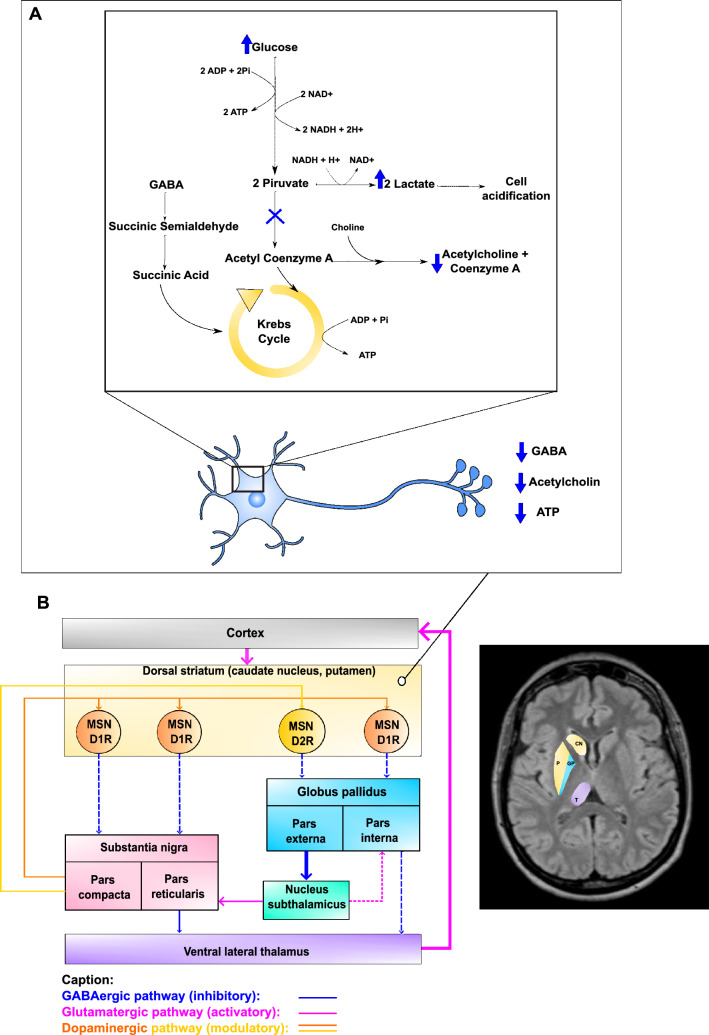
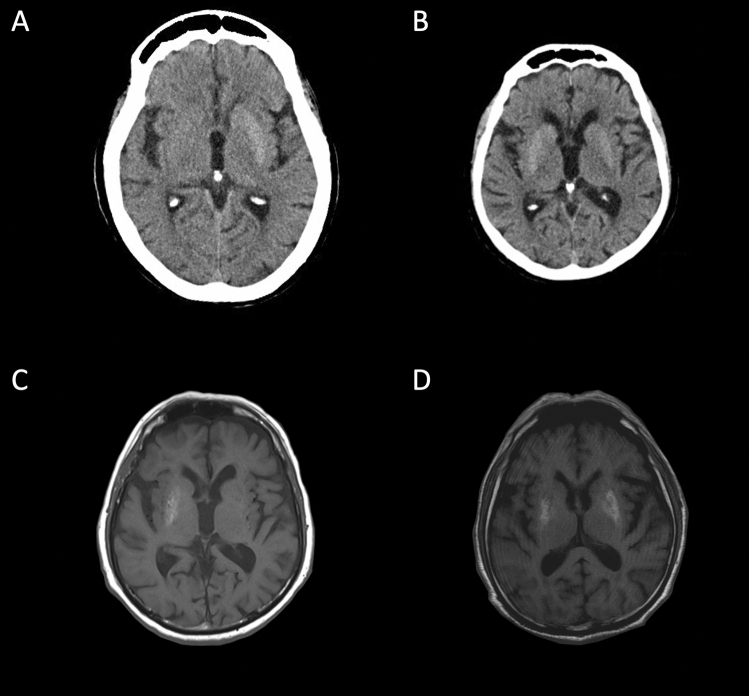
Diabetic striatopathy (DS) is a rare complication of poorly controlled diabetes mellitus (DM), characterized by hyperglycemia associated with chorea/ballism and characteristic reversible basal ganglia abnormalities on computed tomography (CT) and/or magnetic resonance imaging (MRI). We propose a narrative review of the literature on this topic, currently unknown to most, and about which physicians should be aware. We intend to summarize, critically review, and take to mean the evidence on this disorder, describing its typical features.
We searched Pubmed for English-language sources using the following keywords in the title and the abstract: diabetic striatopathy, hyperglycemic non-ketotic hemichorea/hemiballism, chorea/hemichorea associated with non-ketotic hyperglycemia, diabetic hemiballism/hemichorea, chorea, hyperglycemia, and basal ganglia syndrome. We collected scientific articles, including case reports, reviews, systematic reviews, and meta-analyses from the years 1975 to 2023. We eliminated duplicate, non-English language or non-related articles.
Older Asian women are more frequently affected. Suddenly or insidiously hemichorea/hemiballism, mainly in the limbs, and high blood glucose with elevated HbA1c in the absence of ketone bodies have been observed. Furthermore, CT striatal hyperdensity and T1-weighted MRI hyperintensity have been observed. DS is often a treatable disease following proper hydration and insulin administration. Histopathological findings are variable, and no comprehensive hypothesis explains the atypical cases reported.
DS is a rare neurological manifestation of DM. If adequately treated, although treatment guidelines are lacking, the prognosis is good and life-threatening complications may occur occasionally. During chorea/hemiballism, we recommend blood glucose and HbA1c evaluation. Further studies are needed to understand the pathogenesis.
糖尿病纹状体病(DS)是一种罕见的糖尿病控制不良的并发症,其特征为高血糖伴舞蹈症/投掷症,以及 CT 和/或磁共振成像(MRI)上特征性的基底节异常。我们对这一主题的文献进行了叙述性综述,目前大多数人对此并不了解,医生应该对此有所了解。我们旨在总结、批判性地回顾并理解该疾病的证据,描述其典型特征。
我们在标题和摘要中使用以下关键字在 Pubmed 上搜索英文来源:糖尿病纹状体病、高血糖非酮症性偏侧舞蹈症/投掷症、与非酮症性高血糖相关的舞蹈症/偏侧舞蹈症、糖尿病偏侧投掷症/偏侧舞蹈症、舞蹈症、高血糖和基底节综合征。我们收集了科学文章,包括病例报告、综述、系统评价和荟萃分析,时间范围为 1975 年至 2023 年。我们排除了重复的、非英文的或不相关的文章。
受影响的患者多为老年亚洲女性。观察到突然或隐匿性的偏侧舞蹈症/投掷症,主要累及四肢,以及高血糖伴糖化血红蛋白升高而无酮体。此外,还观察到 CT 纹状体高密度和 T1 加权 MRI 高信号。DS 通常是一种可治疗的疾病,在适当的补液和胰岛素治疗后。组织病理学表现多样,目前尚无综合假说可以解释报道的非典型病例。
DS 是糖尿病的一种罕见神经系统表现。如果得到适当治疗,尽管缺乏治疗指南,但预后良好,偶尔会发生危及生命的并发症。在舞蹈症/投掷症期间,我们建议评估血糖和糖化血红蛋白。需要进一步的研究来了解发病机制。