Department of Biotechnology, Faculty of Science, University of Alicante, Apartado 99, 03080, Alicante, Spain.
Faculty of Sciences and Technology, University of the Azores, 9501-801, Ponta Delgada, Portugal.
Environ Geochem Health. 2023 Nov;45(11):8257-8269. doi: 10.1007/s10653-023-01722-5. Epub 2023 Aug 14.
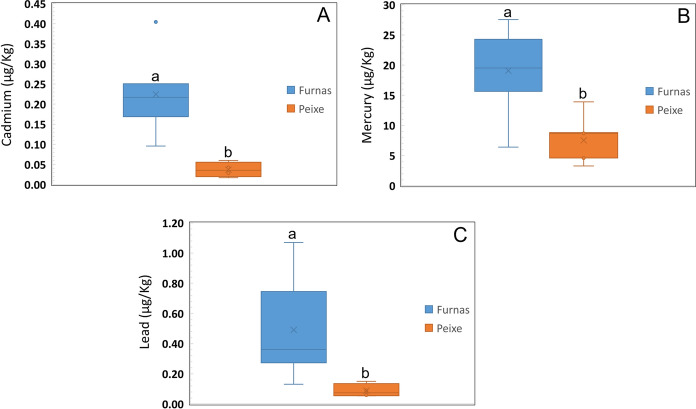
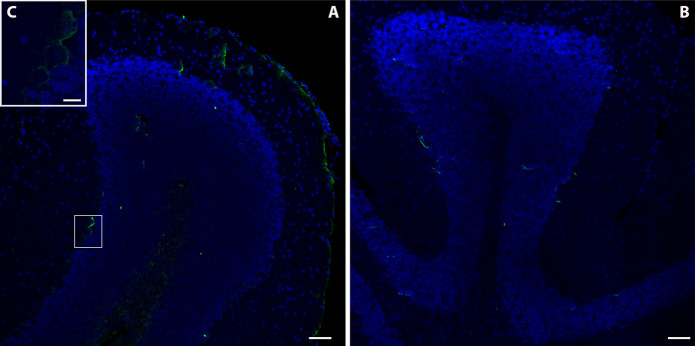
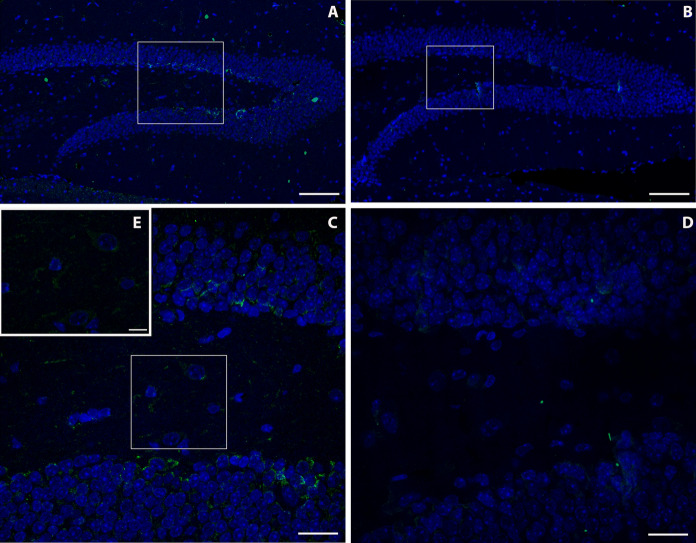
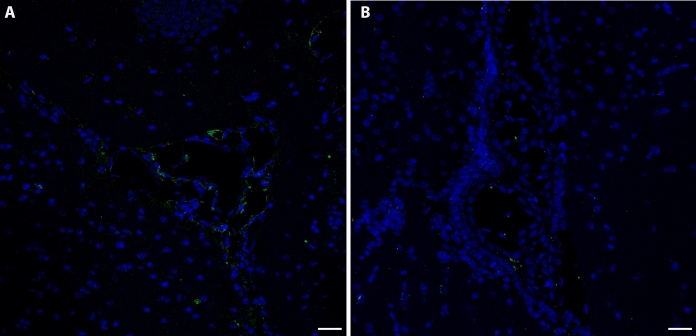
It has been reported that volcanoes release several tonnes of mercury per year among other heavy metals through eruptions, fumaroles, or diffuse soil degassing. Since a high percentage of the world's population lives in the vicinity of an active volcano, the aim of this study is to evaluate the accumulation of these metals in the central nervous system and the presence of cellular mechanisms of heavy metal detoxification such as metallothioneins. To carry out this study, wild mice (Mus musculus) chronically exposed to an active volcanic environment were captured in Furnas village (Azores, Portugal) and compared with those trapped in a reference area (Rabo de Peixe, Azores, Portugal). On the one hand, the heavy metal load has been evaluated by analyzing brain and cerebellum using ICP-MS and a mercury analyzer and on the other hand, the presence of metallothionein 2A has been studied by immunofluorescence assays. Our results show a higher load of metals such as mercury, cadmium and lead in the central nervous system of exposed mice compared to non-exposed individuals and, in addition, a higher immunoreactivity for metallothionein 2A in different areas of the cerebrum and cerebellum indicating a possible neuroprotection process.
据报道,火山通过喷发、喷气孔或弥散土壤脱气每年释放数吨汞和其他重金属。由于世界上很大一部分人口居住在活火山附近,因此本研究旨在评估这些金属在中枢神经系统中的积累情况,以及是否存在重金属解毒的细胞机制,如金属硫蛋白。为了进行这项研究,在 Furnas 村(亚速尔群岛,葡萄牙)捕获了长期暴露于活火山环境中的野生老鼠(Mus musculus),并与在参考区域(亚速尔群岛的 Rabo de Peixe,葡萄牙)捕获的老鼠进行了比较。一方面,通过使用 ICP-MS 和汞分析仪分析大脑和小脑来评估重金属负荷,另一方面,通过免疫荧光测定法研究金属硫蛋白 2A 的存在情况。我们的结果表明,暴露于金属的老鼠的中枢神经系统中金属(如汞、镉和铅)的负荷比未暴露于金属的老鼠更高,此外,大脑和小脑的不同区域中金属硫蛋白 2A 的免疫反应性更高,表明存在可能的神经保护过程。