Yang Ruoqiu, Roshani Dumila, Gao Boya, Li Pinglan, Shang Nan
Key Laboratory of Precision Nutrition and Food Quality, College of Food Science and Nutritional Engineering, China Agricultural University, No, 17 Qinghua East Road, Haidian District, Beijing 100083, China.
College of Engineering, China Agricultural University, No, 17 Qinghua East Road, Haidian District, Beijing 100083, China.
Antioxidants (Basel). 2024 Jul 9;13(7):825. doi: 10.3390/antiox13070825.
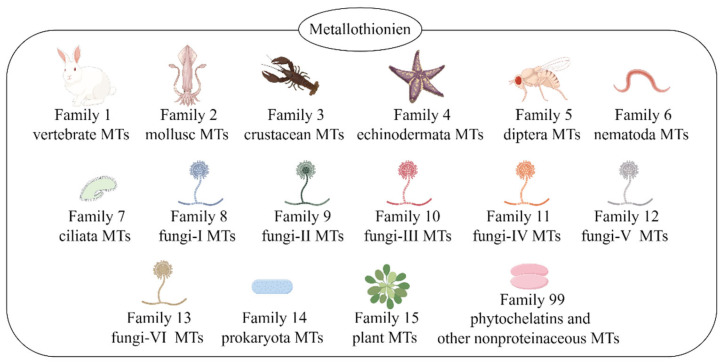
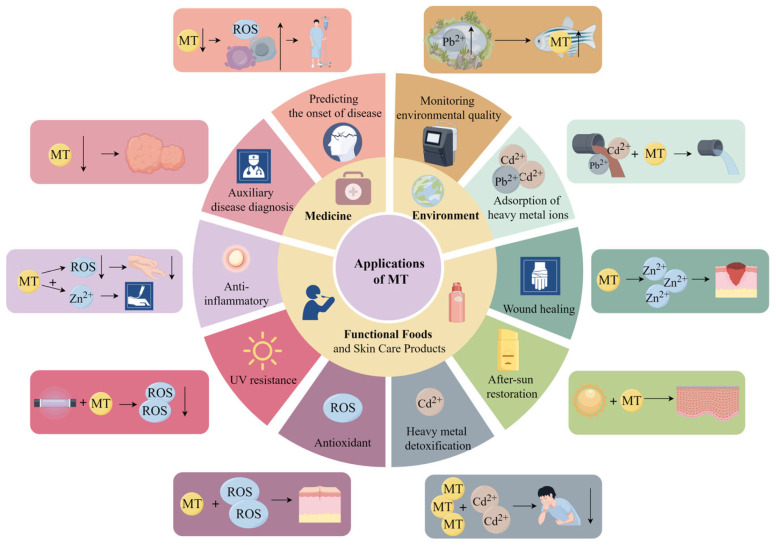
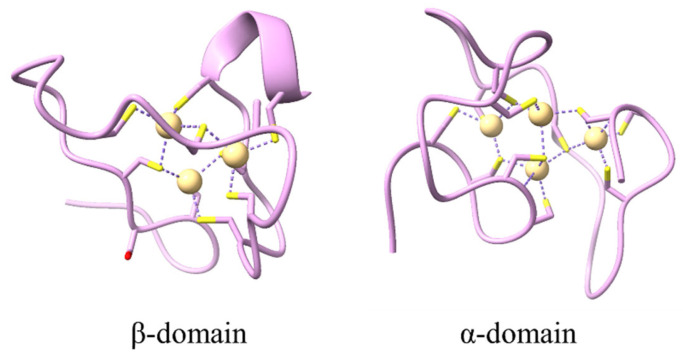
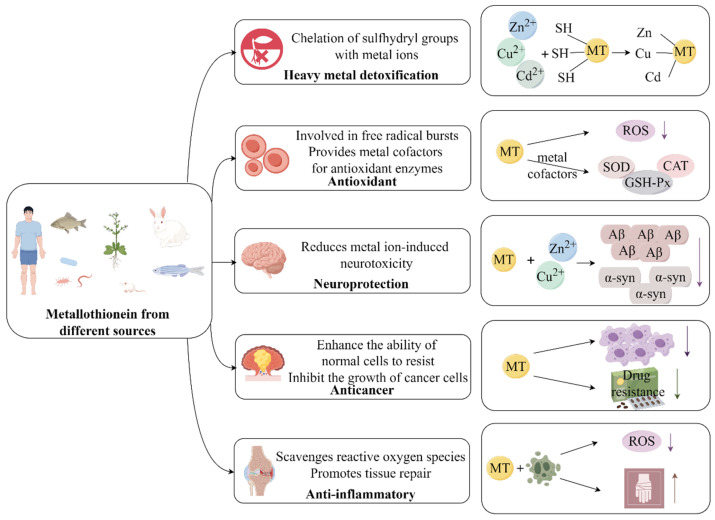
Metallothionein is a cysteine-rich protein with a high metal content that is widely found in nature. In addition to heavy metal detoxification, metallothionein is well known as a potent antioxidant. The high sulfhydryl content of metallothionein confers excellent antioxidant activity, enabling it to effectively scavenge free radicals and mitigate oxidative stress damage. In addition, metallothionein can play a neuroprotective role by alleviating oxidative damage in nerve cells, have an anticancer effect by enhancing the ability of normal cells to resist unfavorable conditions through its antioxidant function, and reduce inflammation by scavenging reactive oxygen species. Due to its diverse biological functions, metallothionein has a broad potential for application in alleviating environmental heavy metal pollution, predicting and diagnosing diseases, and developing skin care products and health foods. This review summarizes the recent advances in the classification, structure, biological functions, and applications of metallothionein, focusing on its powerful antioxidant effects and related functions.
金属硫蛋白是一种富含半胱氨酸且金属含量高的蛋白质,在自然界中广泛存在。除了重金属解毒作用外,金属硫蛋白还是一种著名的强效抗氧化剂。金属硫蛋白的高巯基含量赋予其优异的抗氧化活性,使其能够有效清除自由基并减轻氧化应激损伤。此外,金属硫蛋白可通过减轻神经细胞中的氧化损伤发挥神经保护作用,通过其抗氧化功能增强正常细胞抵抗不利条件的能力而具有抗癌作用,并通过清除活性氧来减轻炎症。由于其多样的生物学功能,金属硫蛋白在缓解环境重金属污染、疾病预测与诊断以及开发护肤品和健康食品方面具有广阔的应用潜力。本综述总结了金属硫蛋白在分类、结构、生物学功能和应用方面的最新进展,重点关注其强大的抗氧化作用及相关功能。