Physiotherapy Research Unit, Oxford University Hospitals NHS Foundation Trust, Oxford, OX37HE, UK.
Nuffield Department of Primary Care Health Sciences, University of Oxford, Oxford, OX2 6GG, UK.
BMC Womens Health. 2023 Aug 14;23(1):431. doi: 10.1186/s12905-023-02592-w.
Urogynaecological conditions, such as pelvic organ prolapse, urinary incontinence, and urinary tract infection, can have a profound impact on people's lives. The Independent Medicines and Medical Devices Safety Review highlights missed opportunities to prevent harm when patient voices are not incorporated into healthcare policy and practice. This resonates with the Women's Health Strategy for England. The National Institute for Health and Care Research (NIHR) Policy Research Programme funded this in-depth qualitative exploration of people's experiences of living with urogynaecological conditions, and of seeking healthcare treatment, to inform health and social care improvements in the UK.
We conducted in-depth interviews online or by telephone (April 2021-December 2021) and used reflexive thematic analysis to develop themes that cut across urogynaecological conditions.
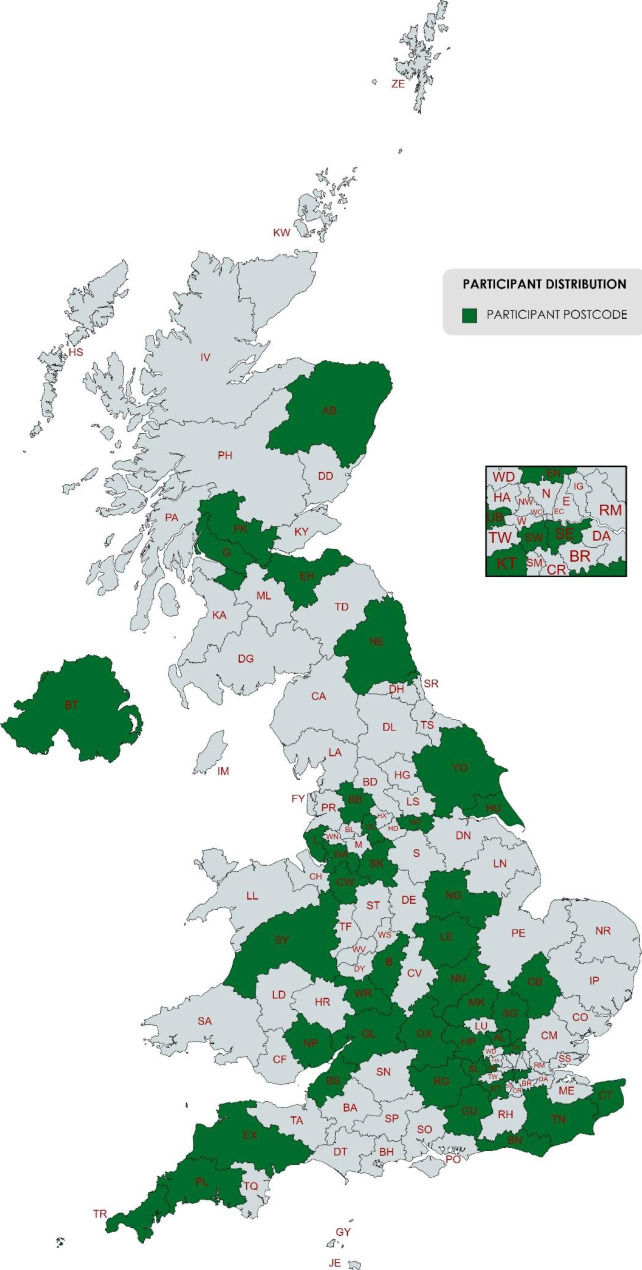
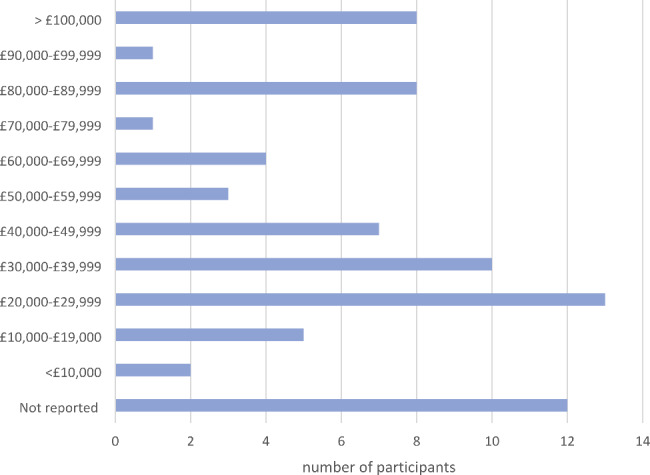
We spoke to seventy-four adults aged 22-84 across a range of backgrounds and lived experiences of urogynaecological conditions, including pelvic organ prolapse, urinary incontinence and persistent or recurring urinary tract infection. Eight themes were developed: [1] I get no respite from my own body; [2] I feel confined and separated; [3] I can no longer be 'me'; [4] I am constrained by stigma, shame and silence; [5] I feel fragmented and lost in the healthcare system; [6] I need to be heard, believed, and valued; [7] I need respect as an equal partner in healthcare; and [8] (Re)connected to a more open community.
High quality care focuses on the whole person rather than their body parts. Openness and candour support a shared decision-making model of care. A culture of shame can have a negative impact on access to health care and recovery.
尿生殖系统疾病,如盆腔器官脱垂、尿失禁和尿路感染,会对人们的生活产生深远影响。独立药品和医疗器械安全审查强调,当患者的声音没有纳入医疗保健政策和实践中时,会错失预防伤害的机会。这与英格兰妇女健康战略产生共鸣。国家卫生与保健卓越研究所(NIHR)政策研究计划资助了对人们患有尿生殖系统疾病的生活经历以及寻求医疗保健治疗的深入定性探索,以告知英国的卫生和社会保健改进。
我们通过在线或电话进行深入访谈(2021 年 4 月至 2021 年 12 月),并使用反思性主题分析来开发跨尿生殖系统疾病的主题。
我们采访了 74 名年龄在 22-84 岁之间的成年人,他们有各种背景和尿生殖系统疾病的生活经历,包括盆腔器官脱垂、尿失禁和持续或反复尿路感染。确定了八个主题:[1] 我无法从自己的身体中得到缓解;[2] 我感到受限和分离;[3] 我不再是“我”;[4] 我受到耻辱、羞耻和沉默的限制;[5] 我在医疗保健系统中感到支离破碎和迷失;[6] 我需要被倾听、被相信和被重视;[7] 我需要作为医疗保健平等伙伴得到尊重;[8] (重新)与更开放的社区联系。
高质量的护理关注的是整个人,而不是他们的身体部位。开放性和坦率性支持共同决策的护理模式。耻辱文化会对获得医疗保健和康复产生负面影响。