Department of Medicine, Washington University in St. Louis, St. Louis, MO 63130, USA; McDonnell Genome Institute, Washington University in St. Louis, St. Louis, MO 63130, USA.
Lester and Sue Smith Breast Center, Baylor College of Medicine, Houston, TX 77030, USA; Department of Molecular and Human Genetics, Baylor College of Medicine, Houston, TX 77030, USA.
Cancer Cell. 2023 Aug 14;41(8):1397-1406. doi: 10.1016/j.ccell.2023.06.009.
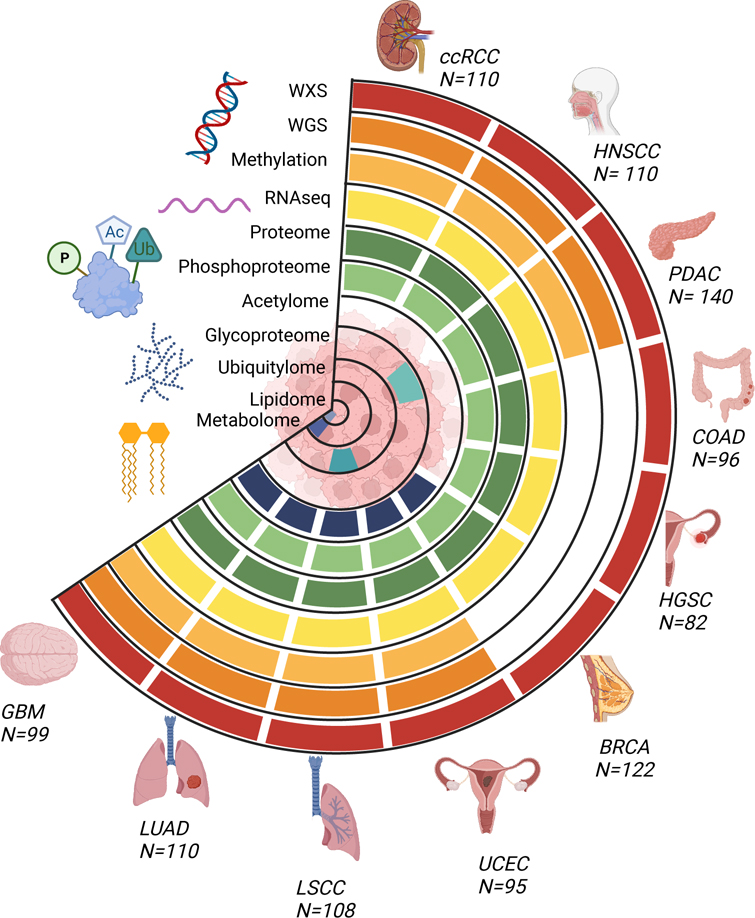
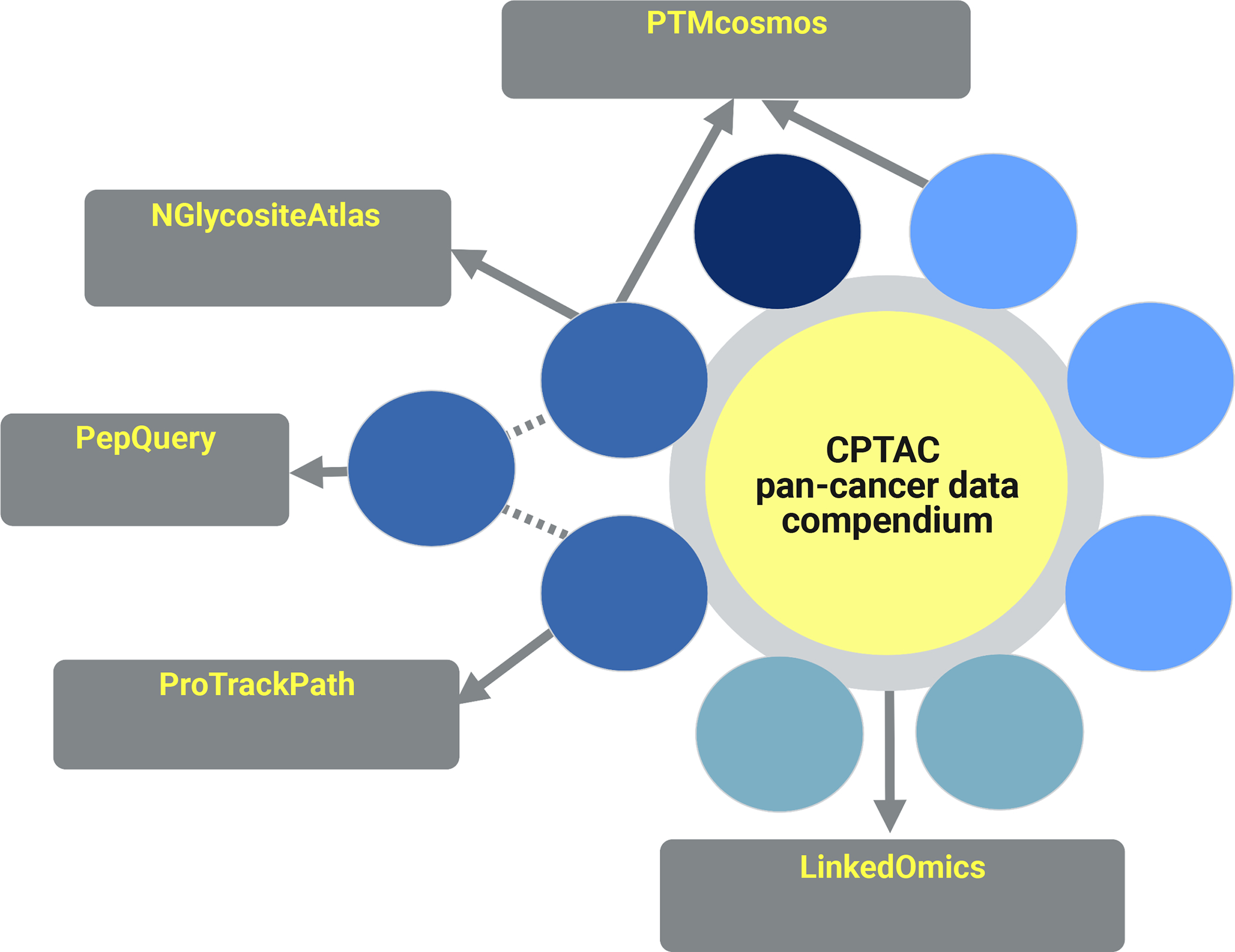
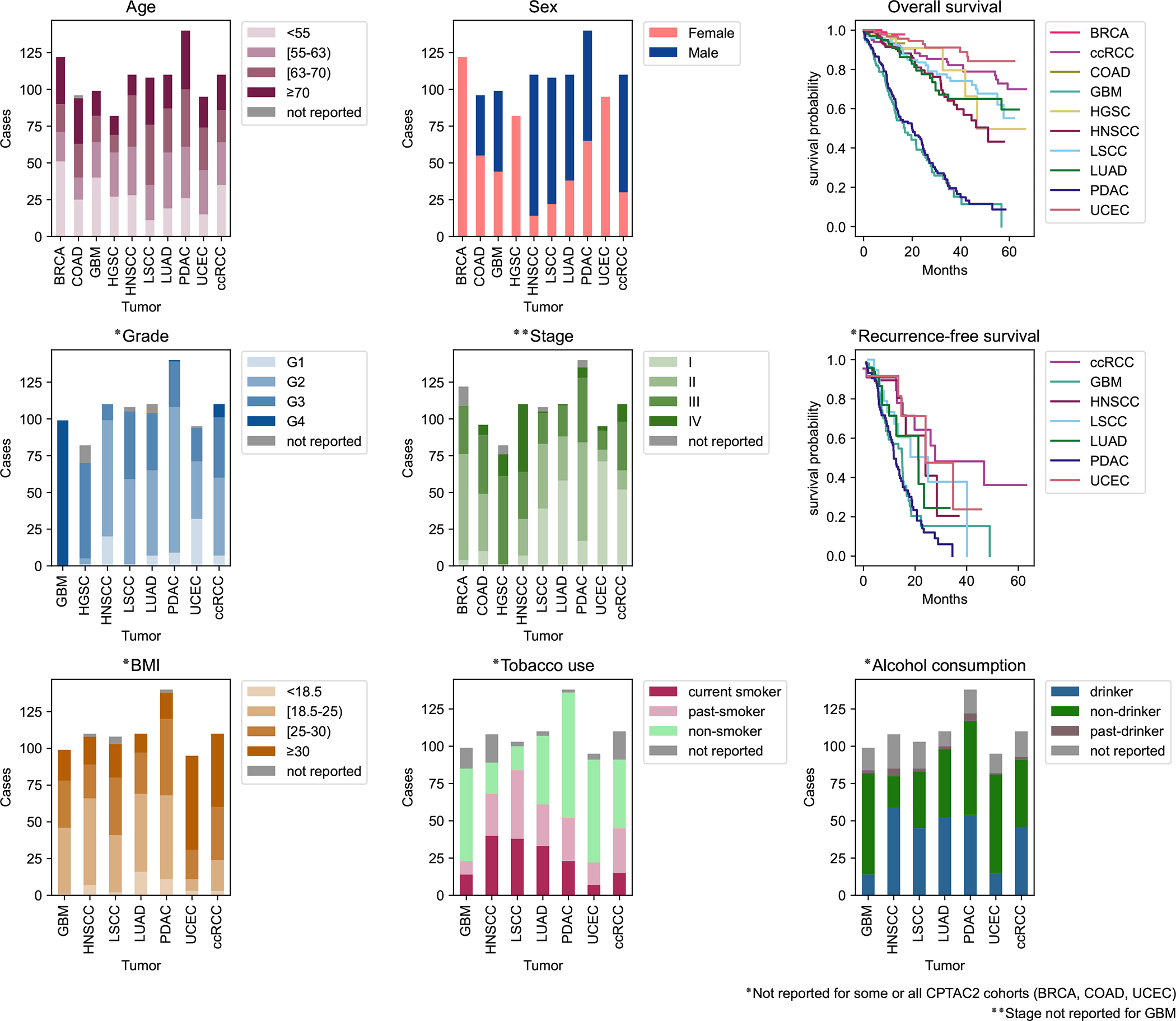
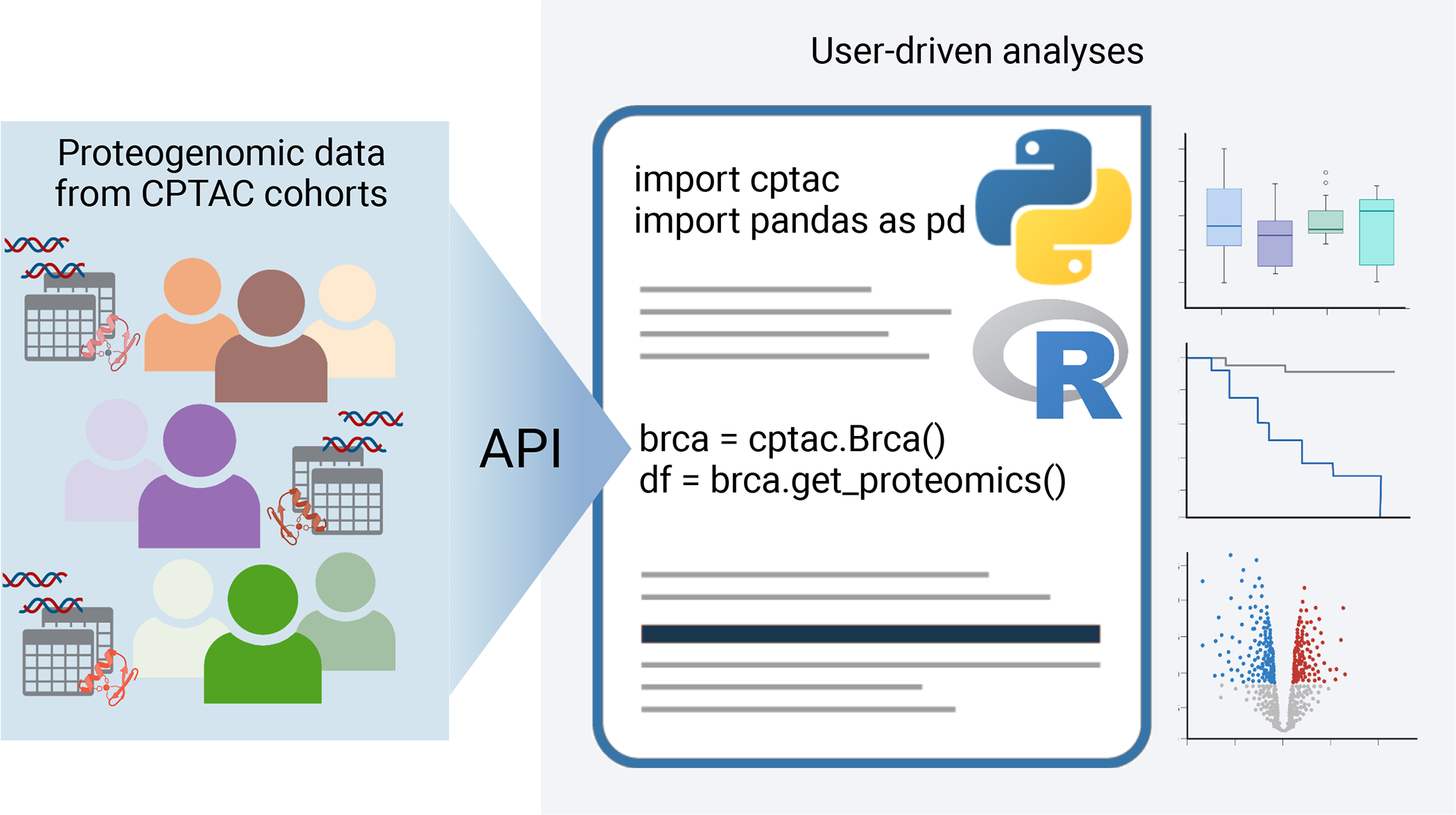
The National Cancer Institute's Clinical Proteomic Tumor Analysis Consortium (CPTAC) investigates tumors from a proteogenomic perspective, creating rich multi-omics datasets connecting genomic aberrations to cancer phenotypes. To facilitate pan-cancer investigations, we have generated harmonized genomic, transcriptomic, proteomic, and clinical data for >1000 tumors in 10 cohorts to create a cohesive and powerful dataset for scientific discovery. We outline efforts by the CPTAC pan-cancer working group in data harmonization, data dissemination, and computational resources for aiding biological discoveries. We also discuss challenges for multi-omics data integration and analysis, specifically the unique challenges of working with both nucleotide sequencing and mass spectrometry proteomics data.
美国国立癌症研究所的临床蛋白质组肿瘤分析联盟(CPTAC)从蛋白质基因组学的角度研究肿瘤,创建了丰富的多组学数据集,将基因组异常与癌症表型联系起来。为了促进泛癌研究,我们已经为 10 个队列中的 >1000 个肿瘤生成了协调的基因组、转录组、蛋白质组和临床数据,为科学发现创建了一个有凝聚力和强大的数据集。我们概述了 CPTAC 泛癌工作组在数据协调、数据传播和计算资源方面的努力,以帮助生物发现。我们还讨论了多组学数据集成和分析的挑战,特别是核苷酸测序和质谱蛋白质组学数据的独特挑战。