Division of Medical Oncology, Department of Clinical Pharmacology, The Netherlands Cancer Institute, Antoni van Leeuwenhoek, Amsterdam, The Netherlands.
Department of Medical Oncology, Erasmus MC Cancer Institute, Rotterdam, The Netherlands.
Clin Pharmacokinet. 2023 Oct;62(10):1333-1364. doi: 10.1007/s40262-023-01293-9. Epub 2023 Aug 16.
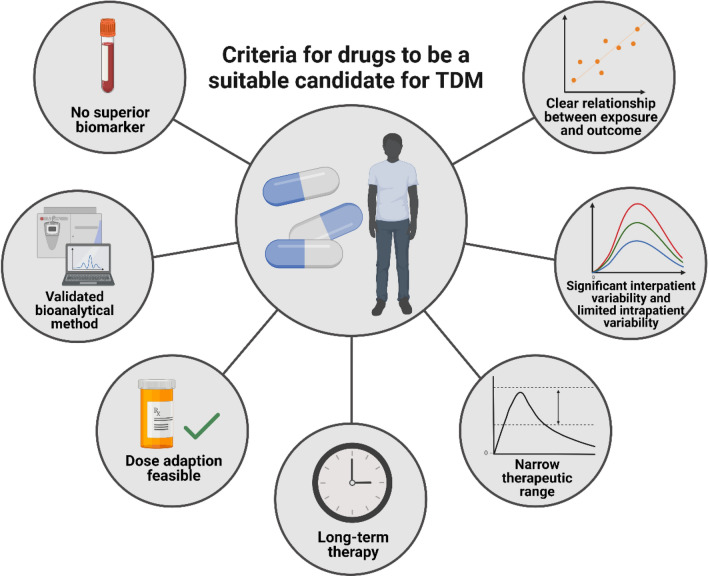
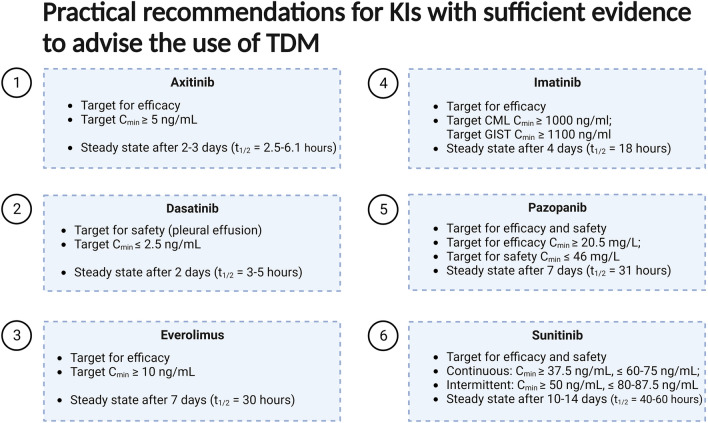
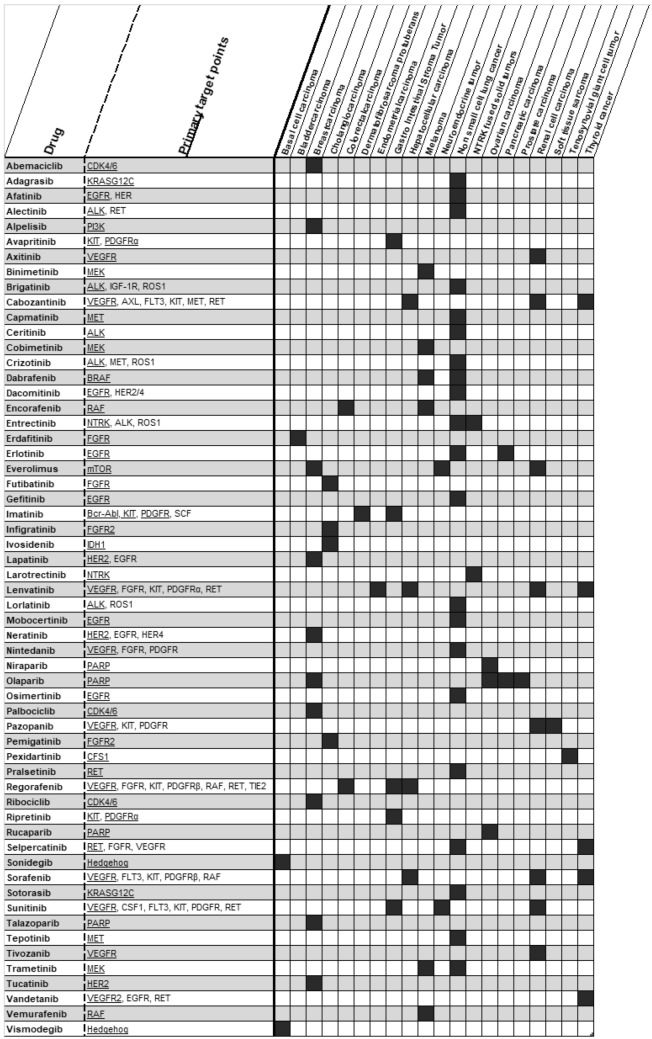
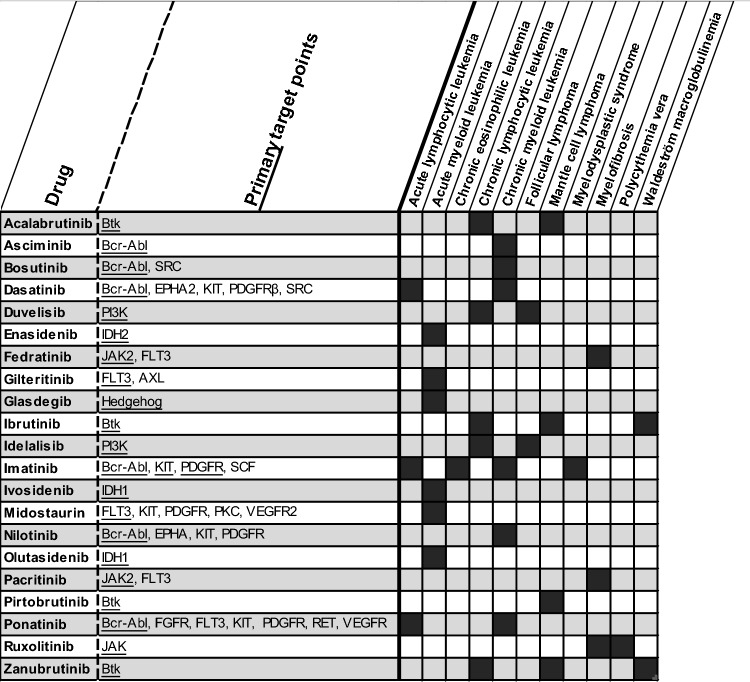
Although kinase inhibitors (KI) frequently portray large interpatient variability, a 'one size fits all' regimen is still often used. In the meantime, relationships between exposure-response and exposure-toxicity have been established for several KIs, so this regimen could lead to unnecessary toxicity and suboptimal efficacy. Dose adjustments based on measured systemic pharmacokinetic levels-i.e., therapeutic drug monitoring (TDM)-could therefore improve treatment efficacy and reduce the incidence of toxicities. Therefore, the aim of this comprehensive review is to give an overview of the available evidence for TDM for the 77 FDA/EMA kinase inhibitors currently approved (as of July 1st, 2023) used in hematology and oncology. We elaborate on exposure-response and exposure-toxicity relationships for these kinase inhibitors and provide practical recommendations for TDM and discuss corresponding pharmacokinetic targets when possible.
尽管激酶抑制剂 (KI) 经常表现出较大的个体间变异性,但仍经常使用“一刀切”的方案。与此同时,已经确定了几种 KI 的暴露-反应和暴露-毒性之间的关系,因此这种方案可能导致不必要的毒性和疗效不佳。基于测量的系统药代动力学水平(即治疗药物监测 [TDM])进行剂量调整,因此可以提高治疗效果并降低毒性的发生率。因此,本综述的目的是概述目前在血液学和肿瘤学中使用的 77 种获得 FDA/EMA 批准的 KI 的 TDM 可用证据。我们详细阐述了这些激酶抑制剂的暴露-反应和暴露-毒性关系,并提供了 TDM 的实用建议,并在可能的情况下讨论了相应的药代动力学目标。