Abdo Sara M, Shousha Wafaa Gh, Mohamed Amal Ahmed, Elshobaky Mohamed, Saleh Mohamed, Ali Mostafa Mohamed Abdelhamid
Biochemistry Division, Chemistry Department, Faculty of Science, Helwan University, Cairo, Egypt.
Biochemistry Department, National Hepatology and Tropical Medicine Research Institute, Cairo University, Cairo, Egypt.
J Genet Eng Biotechnol. 2023 Aug 17;21(1):85. doi: 10.1186/s43141-023-00537-2.
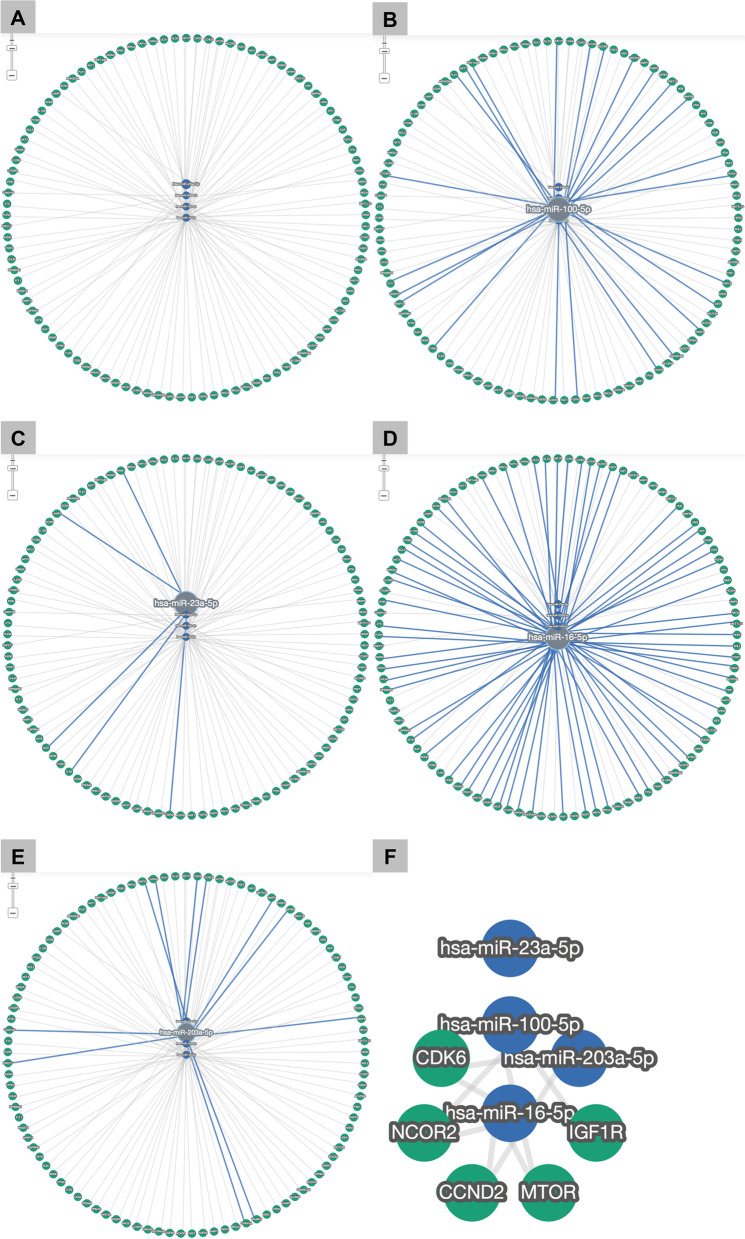
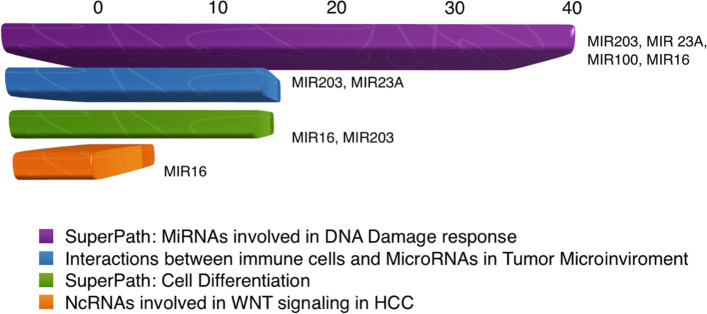
Up to date, a well-defined microRNAs (miRNAs) profile involved in hepatocellular carcinoma (HCC) pathogenesis remains indecisive. Thus, employing miRNAs for HCC diagnosis is demanded for early therapeutic interventions. We aimed to evaluate the usage of miRNAs set related to the SuperPath: miRNAs involved in DNA damage response pathway as effective biomarkers for HCV-related HCC diagnosis.
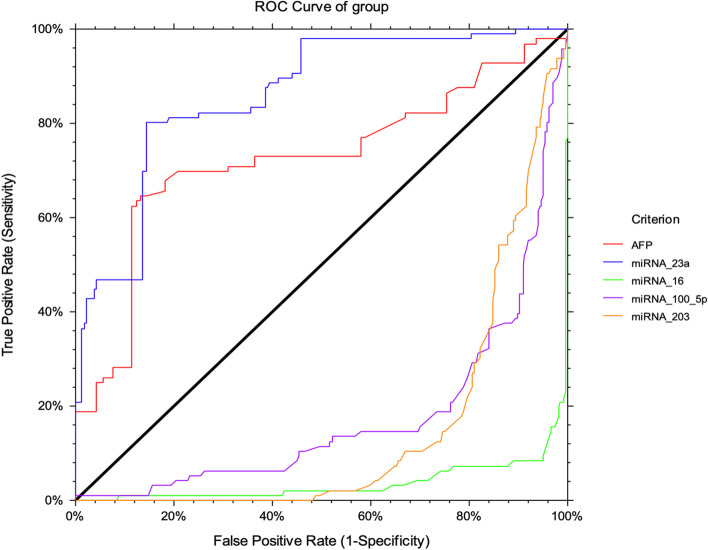
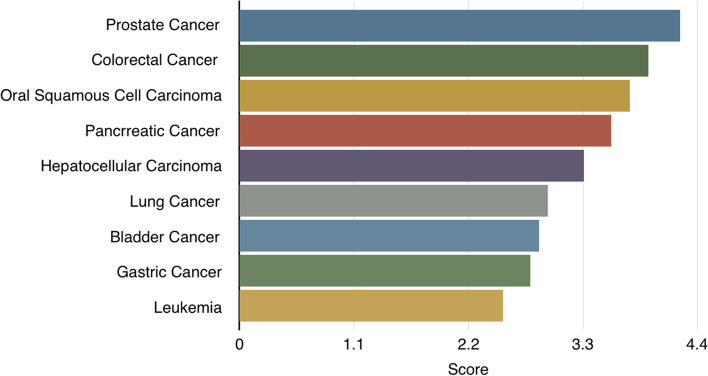
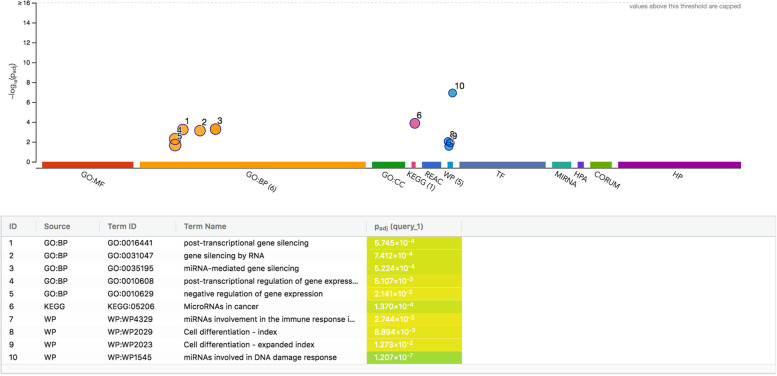
The study enrolled 97 patients with HCV-related HCC, 84 with hepatitis C virus (HCV), 97 with liver cirrhosis (LC), and 84 healthy individuals. Serum miRNA-23a, miRNA-203, miRNA-100-5p, and miRNA-16 were quantified using qRT-PCR experiments, AFP and routine LFTs were estimated via standard techniques. Pathway enrichment analysis along with the construction of miRNAs regulatory network were performed. With respect to healthy individuals, miRNA-203, miRNA-100-5p, and miRNA-16 were significantly downregulated in HCC, HCV, and LC groups, while miRNA-23a showed significant upregulation (p < 0.001). miRNAs exhibited significant correlations with AFP, ALT, AST, and albumin. Also, elevated levels of miRNA-23a were recognized in patients with multiple focal lesions and/or lesion size > 5 cm. Additionally, the diagnostic performance of miRNA-23a expression level at a selected cut-off value of 3.99 overtakes AFP, while expressions of miR-203, miRNA-100-5p, and miRNA-16 represent poor diagnostic outcomes.
Keeping in mind the individual variability and high level of heterogeneity in HCC, our data revealed the diagnostic value of miRNA-23a expression in HCV-related HCC patients. Further extra in silico HCC-specific microRNAs sets are demanded in diagnosis.
迄今为止,参与肝细胞癌(HCC)发病机制的明确的微小RNA(miRNA)谱仍不明确。因此,需要利用miRNA进行HCC诊断以实现早期治疗干预。我们旨在评估与SuperPath相关的miRNA集的用途:参与DNA损伤反应途径的miRNA作为丙型肝炎病毒(HCV)相关HCC诊断的有效生物标志物。
该研究纳入了97例HCV相关HCC患者、84例丙型肝炎病毒(HCV)患者、97例肝硬化(LC)患者和84例健康个体。使用qRT-PCR实验对血清miRNA-23a、miRNA-203、miRNA-100-5p和miRNA-16进行定量,通过标准技术评估甲胎蛋白(AFP)和常规肝功能检查(LFTs)。进行了通路富集分析以及miRNA调控网络的构建。相对于健康个体,miRNA-203、miRNA-100-5p和miRNA-16在HCC、HCV和LC组中显著下调,而miRNA-23a显著上调(p < 0.001)。miRNA与AFP、谷丙转氨酶(ALT)、谷草转氨酶(AST)和白蛋白显著相关。此外,在具有多个局灶性病变和/或病变大小>5 cm的患者中检测到miRNA-23a水平升高。此外,在选定的临界值3.99时,miRNA-23a表达水平的诊断性能超过AFP,而miR-203、miRNA-100-5p和miRNA-16的表达代表较差的诊断结果。
考虑到HCC中的个体差异和高度异质性,我们的数据揭示了miRNA-23a表达在HCV相关HCC患者中的诊断价值。在诊断中需要进一步额外的计算机模拟HCC特异性miRNA集。