Department of Precision Medicine, University of Campania Luigi Vanvitelli, Via L. De Crecchio 7, 80138, Naples, Italy.
Food Safety Department, Istituto Zooprofilattico Sperimentale del Mezzogiorno, Via Salute 2, 80055, Portici, Italy.
Cell Mol Biol Lett. 2023 Aug 16;28(1):66. doi: 10.1186/s11658-023-00482-5.
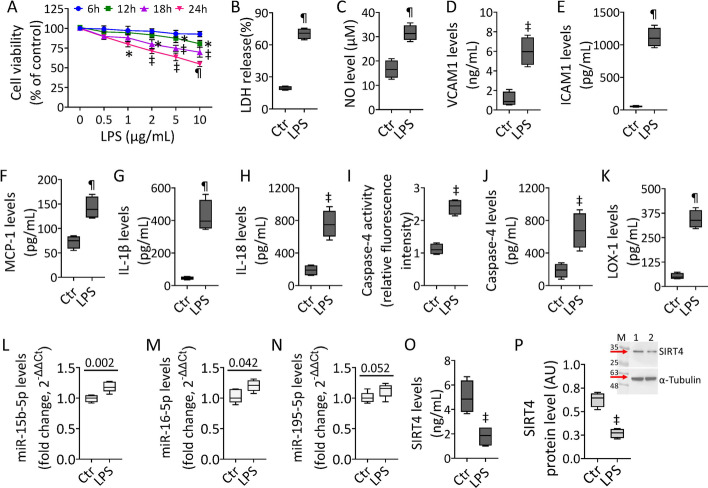
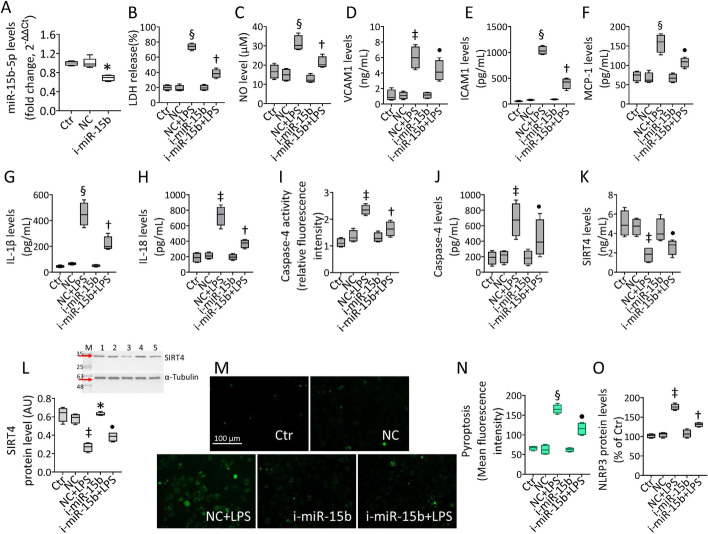
Endothelial dysfunction and deregulated microRNAs (miRNAs) participate in the development of sepsis and are associated with septic organ failure and death. Here, we explored the role of miR-15b-5p on inflammatory pathways in lipopolysaccharide (LPS)-treated human endothelial cells, HUVEC and TeloHAEC.
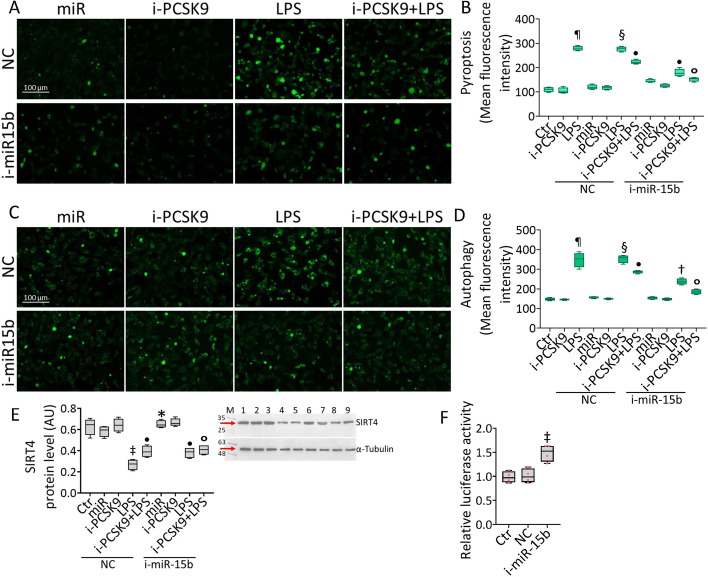
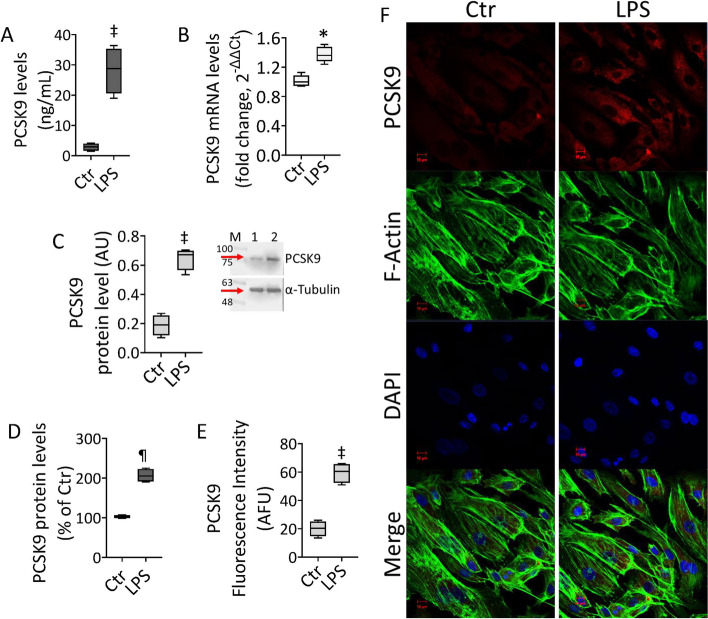
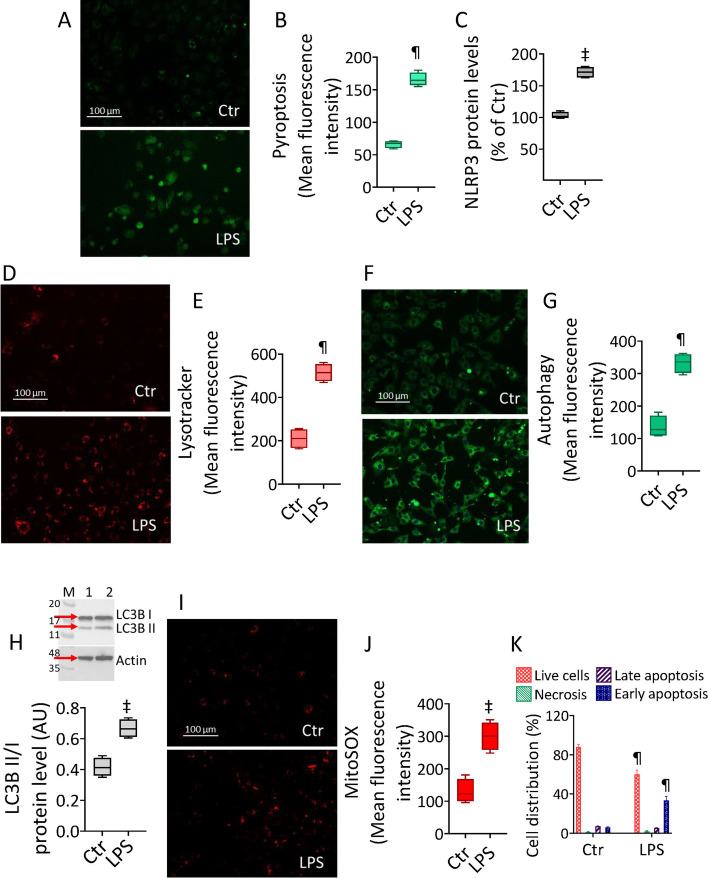
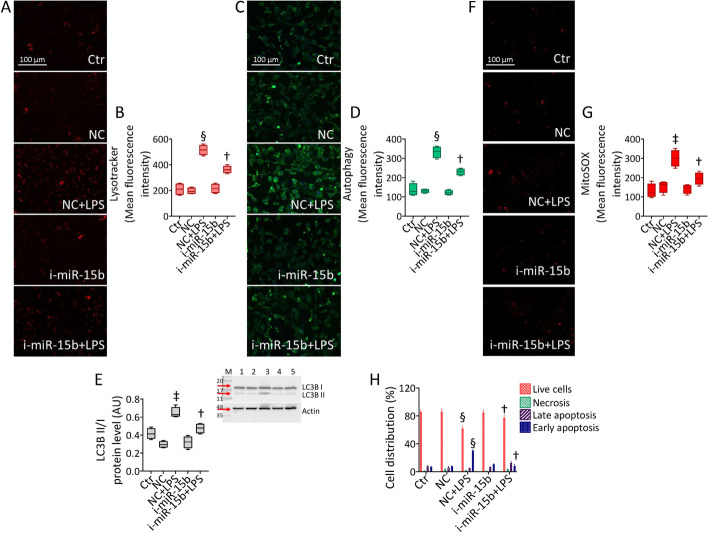
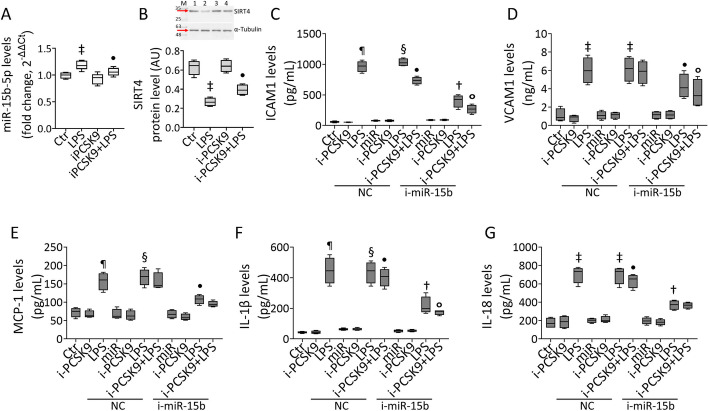
The miR-15b-5p levels were evaluated in LPS-stimulated HUVEC and TeloHAEC cells by quantitative real-time PCR (qRT-PCR). Functional experiments using cell counting kit-8 (CCK-8), transfection with antagomir, and enzyme-linked immunosorbent assays (ELISA) were conducted, along with investigation of pyroptosis, apoptosis, autophagy, and mitochondrial reactive oxygen species (ROS) by cytofluorometric analysis and verified by fluorescence microscopy. Sirtuin 4 (SIRT4) levels were detected by ELISA and immunoblotting, while proprotein convertase subtilisin-kexin type 9 (PCSK9) expression was determined by flow cytometry (FACS) and immunofluorescence analyses. Dual-luciferase reporter evaluation was performed to confirm the miR-15b-5p-SIRT4 interaction.
The results showed a correlation among miR-15b-5p, PCSK9, and SIRT4 levels in septic HUVEC and TeloHAEC. Inhibition of miR-15b-5p upregulated SIRT4 content, alleviated sepsis-related inflammatory pathways, attenuated mitochondrial stress, and prevented apoptosis, pyroptosis, and autophagic mechanisms. Finally, a PCSK9 inhibitor (i-PCSK9) was used to analyze the involvement of PCSK9 in septic endothelial injury. i-PCSK9 treatment increased SIRT4 protein levels, opposed the septic inflammatory cascade leading to pyroptosis and autophagy, and strengthened the protective role of miR-15b-5p inhibition. Increased luciferase signal validated the miR-15b-5p-SIRT4 binding.
Our in vitro findings suggested the miR-15b-5p-SIRT4 axis as a suitable target for LPS-induced inflammatory pathways occurring in sepsis, and provide additional knowledge on the beneficial effect of i-PCSK9 in preventing vascular damage by targeting SIRT4.
内皮功能障碍和 miRNA(miRNA)失调参与脓毒症的发生,并与脓毒症器官衰竭和死亡有关。在这里,我们研究了 miR-15b-5p 在脂多糖(LPS)处理的人内皮细胞、HUVEC 和 TeloHAEC 中炎症途径中的作用。
通过定量实时 PCR(qRT-PCR)评估 LPS 刺激的 HUVEC 和 TeloHAEC 细胞中的 miR-15b-5p 水平。使用细胞计数试剂盒-8(CCK-8)进行功能实验、转染抗义寡核苷酸和酶联免疫吸附测定(ELISA),同时通过细胞荧光分析研究细胞焦亡、细胞凋亡、自噬和线粒体活性氧(ROS),并通过荧光显微镜验证。通过 ELISA 和免疫印迹检测 Sirtuin 4(SIRT4)水平,通过流式细胞术(FACS)和免疫荧光分析确定前蛋白转化酶枯草溶菌素/激肽释放酶 9(PCSK9)的表达。进行双荧光素酶报告评估以确认 miR-15b-5p-SIRT4 相互作用。
结果表明,脓毒症 HUVEC 和 TeloHAEC 中 miR-15b-5p、PCSK9 和 SIRT4 水平之间存在相关性。抑制 miR-15b-5p 上调 SIRT4 含量,减轻脓毒症相关炎症途径,减轻线粒体应激,防止细胞凋亡、细胞焦亡和自噬机制。最后,使用 PCSK9 抑制剂(i-PCSK9)分析 PCSK9 在脓毒性内皮损伤中的作用。i-PCSK9 治疗增加 SIRT4 蛋白水平,对抗导致细胞焦亡和自噬的脓毒症炎症级联反应,并增强 miR-15b-5p 抑制的保护作用。增加的荧光素酶信号验证了 miR-15b-5p-SIRT4 结合。
我们的体外研究结果表明,miR-15b-5p-SIRT4 轴作为 LPS 诱导的脓毒症中发生的炎症途径的合适靶点,并提供了关于 i-PCSK9 通过靶向 SIRT4 预防血管损伤的有益作用的更多知识。