Zhao Yongzhao, Jiang Shuai, Chen Longting, Xiang Qian, Lin Jialiang, Li Weishi
Department of Orthopaedics, Peking University Third Hospital, Peking University, No.49 NorthGarden Road, Haidian District, Beijing, 100191, Beijing, China.
Beijing Key Laboratory of Spinal Disease Research, Beijing, China.
Cell Mol Biol Lett. 2025 Jan 3;30(1):1. doi: 10.1186/s11658-024-00660-z.
Epigenetic modifications have been proved to play important roles in the spinal degenerative diseases. As a type of noncoding RNA, the microRNA (miRNA) is a vital class of regulatory factor in the epigenetic modifications, while the role of miRNAs in the regulation of epigenetic modifications in ligamentum flavum hypertrophy (LFH) has not been fully investigated.
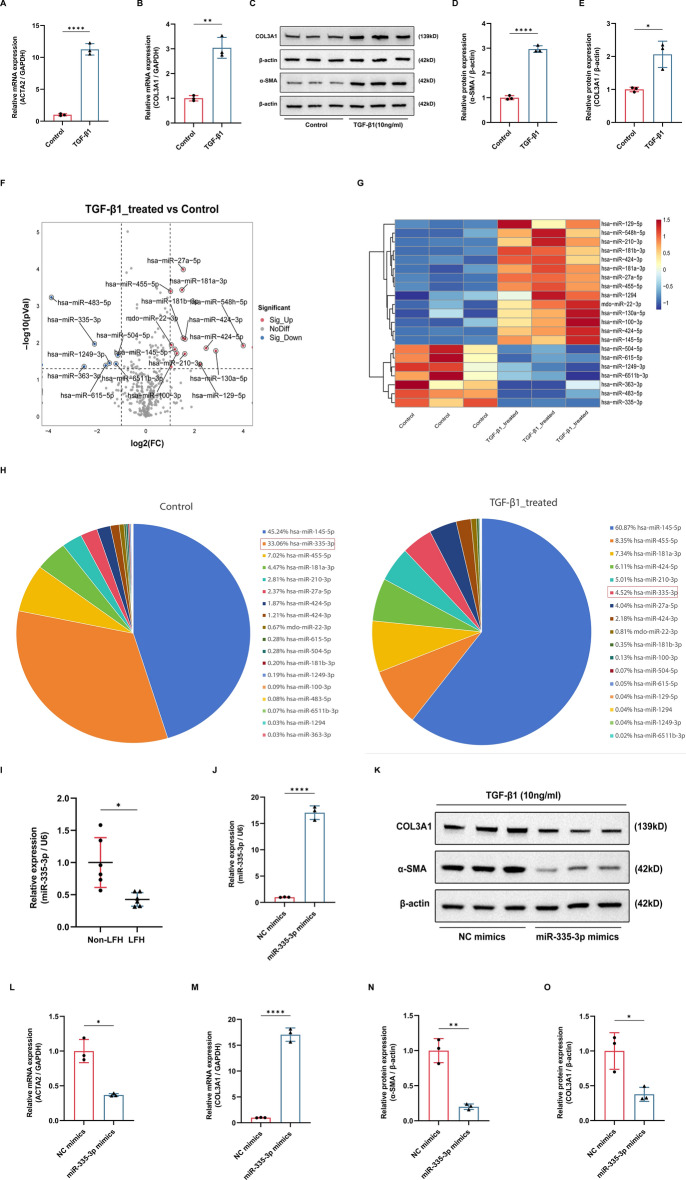
The miRNA sequencing analysis was used to explore the change of miRNA expression during the fibrosis of ligamentum flavum (LF) cells caused by the TGF-β1 (10 ng/ml). The downregulated miRNA miR-335-3p was selected to investigate its effects on the fibrosis of LF cells and explored the accurate relevant mechanisms.
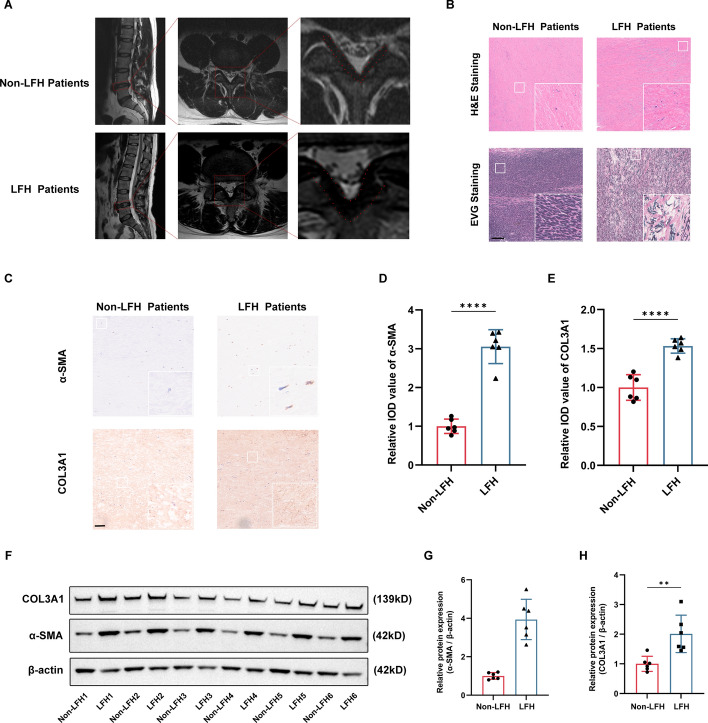
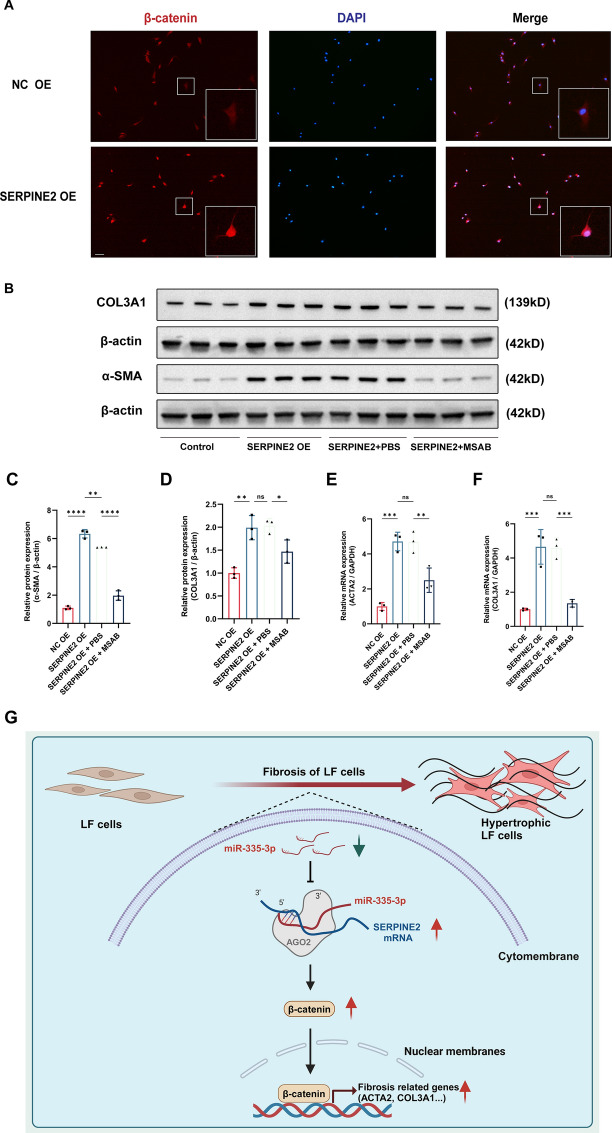
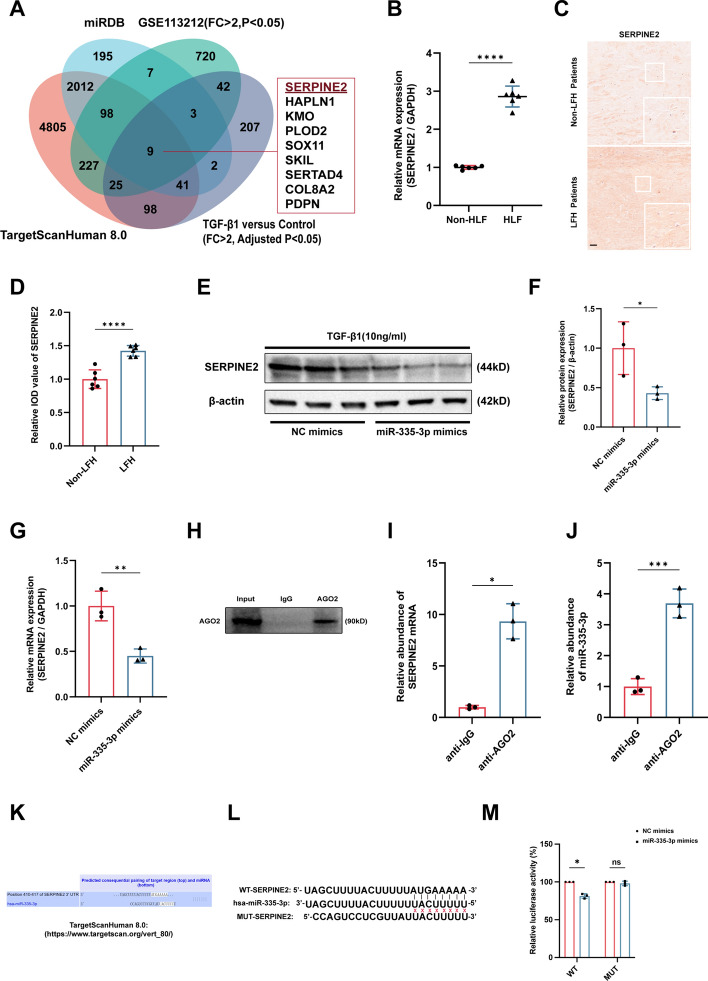
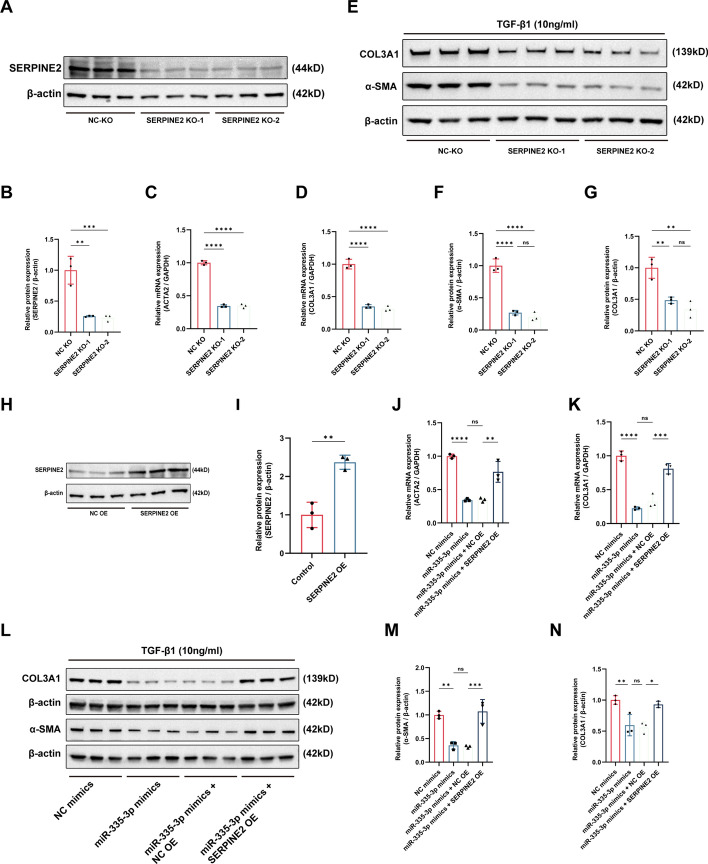
A total of 21 miRNAs were differently expressed during the fibrosis of LF cells. The downregulated miR-335-3p was selected for further investigation. MiR-335-3p was distinctly downregulated in the LFH tissues compared to non-LFH tissues. Overexpression of miR-335-3p could inhibit the fibrosis of LF cells. Further research showed miR-335-3p prevented the fibrosis of LF cells via binding to the 3'-UTR of SERPINE2 to reduce the expression of SERPINE2. The increased SERPINE2 expression might promote the fibrosis of LF cells via the activation of β-catenin signaling pathway to promote the transcription of fibrosis-related genes (ACTA2 and COL3A1).
Our results revealed that miR-335-3p prevented the fibrosis of LF cells via the epigenetic regulation of SERPINE2/β-catenin signaling pathway. The epigenetic regulator miR-335-3p might be a promising potential target for the treatment of LFH.
表观遗传修饰已被证明在脊柱退行性疾病中起重要作用。作为一种非编码RNA,微小RNA(miRNA)是表观遗传修饰中一类至关重要的调节因子,而miRNA在黄韧带肥厚(LFH)的表观遗传修饰调控中的作用尚未得到充分研究。
采用miRNA测序分析来探讨转化生长因子-β1(10 ng/ml)诱导黄韧带(LF)细胞纤维化过程中miRNA表达的变化。选择下调的miR-335-3p来研究其对LF细胞纤维化的影响,并探索其确切的相关机制。
在LF细胞纤维化过程中共有21种miRNA表达存在差异。选择下调的miR-335-3p进行进一步研究。与非LFH组织相比,miR-335-3p在LFH组织中明显下调。miR-335-3p的过表达可抑制LF细胞的纤维化。进一步研究表明,miR-335-3p通过与丝氨酸蛋白酶抑制剂E2(SERPINE2)的3'-非翻译区结合以降低SERPINE2的表达,从而阻止LF细胞的纤维化。SERPINE2表达的增加可能通过激活β-连环蛋白信号通路促进纤维化相关基因(α-平滑肌肌动蛋白2(ACTA2)和Ⅲ型胶原蛋白α1链(COL3A1))的转录,进而促进LF细胞的纤维化。
我们的结果表明,miR-335-3p通过对SERPINE2/β-连环蛋白信号通路的表观遗传调控来阻止LF细胞的纤维化。表观遗传调节因子miR-335-3p可能是治疗LFH的一个有前景的潜在靶点。