Naturalis Biodiversity Center, Leiden, The Netherlands.
AIMMS, Division of BioAnalytical Chemistry, Department of Chemistry and Pharmaceutical Sciences, Faculty of Sciences, Vrije Universiteit Amsterdam, Amsterdam, The Netherlands.
PLoS Negl Trop Dis. 2023 Aug 17;17(8):e0011564. doi: 10.1371/journal.pntd.0011564. eCollection 2023 Aug.
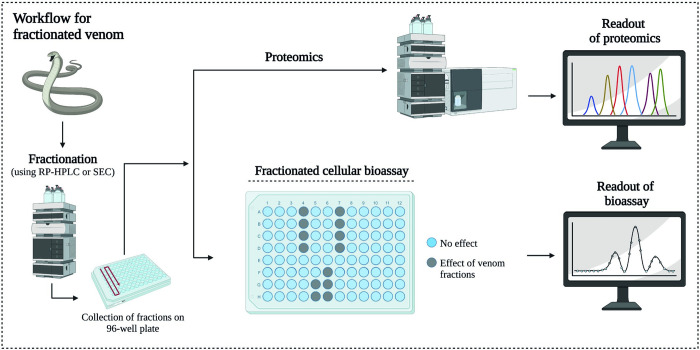
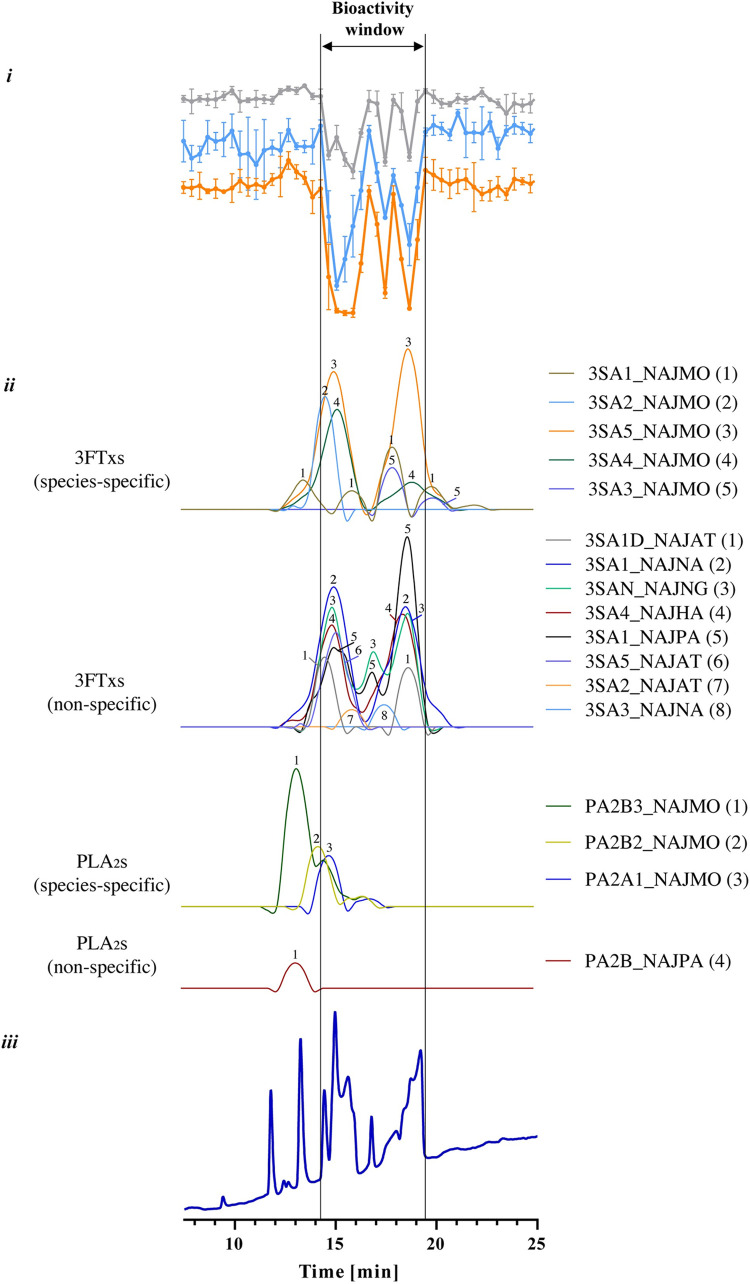
Snakebite envenoming is a globally important public health issue that has devastating consequences on human health and well-being, with annual mortality rates between 81,000 and 138,000. Snake venoms may cause different pathological effects by altering normal physiological processes such as nervous transfer and blood coagulation. In addition, snake venoms can cause severe (local) tissue damage that may result in life-long morbidities, with current estimates pointing towards an additional 450,000 individuals that suffer from permanent disabilities such as amputations, contractions and blindness. Despite such high morbidity rates, research to date has been mainly focusing on neurotoxic and haemotoxic effects of snake venoms and considerably less on venom-induced tissue damage. The molecular mechanisms underlaying this pathology include membrane disruption and extracellular matrix degradation. This research describes methods used to study the (molecular) mechanisms underlaying venom-induced cell- and tissue damage. A selection of cellular bioassays and fluorescent microscopy were used to study cell-damaging activities of snake venoms in multi-well plates, using both crude and fractionated venoms. A panel of 10 representative medically relevant snake species was used, which cover a large part of the geographical regions most heavily affected by snakebite. The study comprises both morphological data as well as quantitative data on cell metabolism and viability, which were measured over time. Based on this data, a distinction could be made in the ways by which viper and elapid venoms exert their effects on cells. We further made an effort to characterise the bioactive compounds causing these effects, using a combination of liquid chromatography methods followed by bioassaying and protein identification using proteomics. The outcomes of this study might prove valuable for better understanding venom-induced cell- and tissue-damaging pathologies and could be used in the process of developing and improving snakebite treatments.
蛇伤中毒是一个全球性的重要公共卫生问题,对人类健康和福祉造成了毁灭性的影响,每年的死亡率在 81000 至 138000 之间。蛇毒可以通过改变神经传递和血液凝固等正常生理过程来产生不同的病理效应。此外,蛇毒会导致严重的(局部)组织损伤,可能导致终身残疾,目前估计有 45 万人因截肢、挛缩和失明等永久性残疾而受苦。尽管发病率如此之高,但迄今为止的研究主要集中在蛇毒的神经毒性和血液毒性作用上,而对毒液引起的组织损伤的研究相对较少。这种病理学的分子机制包括膜破坏和细胞外基质降解。本研究描述了用于研究毒液引起的细胞和组织损伤的(分子)机制的方法。使用细胞生物测定和荧光显微镜,在多孔板中研究了粗提物和分级提取物蛇毒的细胞损伤活性。使用了 10 种具有代表性的医学相关蛇种,这些蛇种涵盖了受蛇伤影响最严重的大部分地理区域。该研究包括形态学数据以及关于细胞代谢和活力的定量数据,这些数据是随时间测量的。基于这些数据,可以区分蝰蛇和眼镜蛇毒液对细胞产生影响的方式。我们还努力使用液相色谱方法结合生物测定和蛋白质组学鉴定来表征引起这些效应的生物活性化合物。这项研究的结果可能有助于更好地理解毒液引起的细胞和组织损伤病理,并可用于开发和改进蛇伤治疗的过程。