Department of Biological Sciences, International Islamic University, H10 Campus, Islamabad, Pakistan.
Department of Physics and Applied Mathematics, Pakistan Institute of Engineering and Applied Sciences, Islamabad, Pakistan.
Sci Rep. 2023 Aug 18;13(1):13474. doi: 10.1038/s41598-023-39330-z.
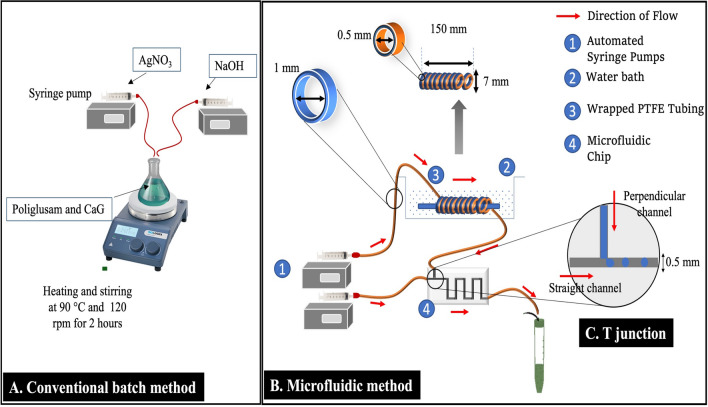
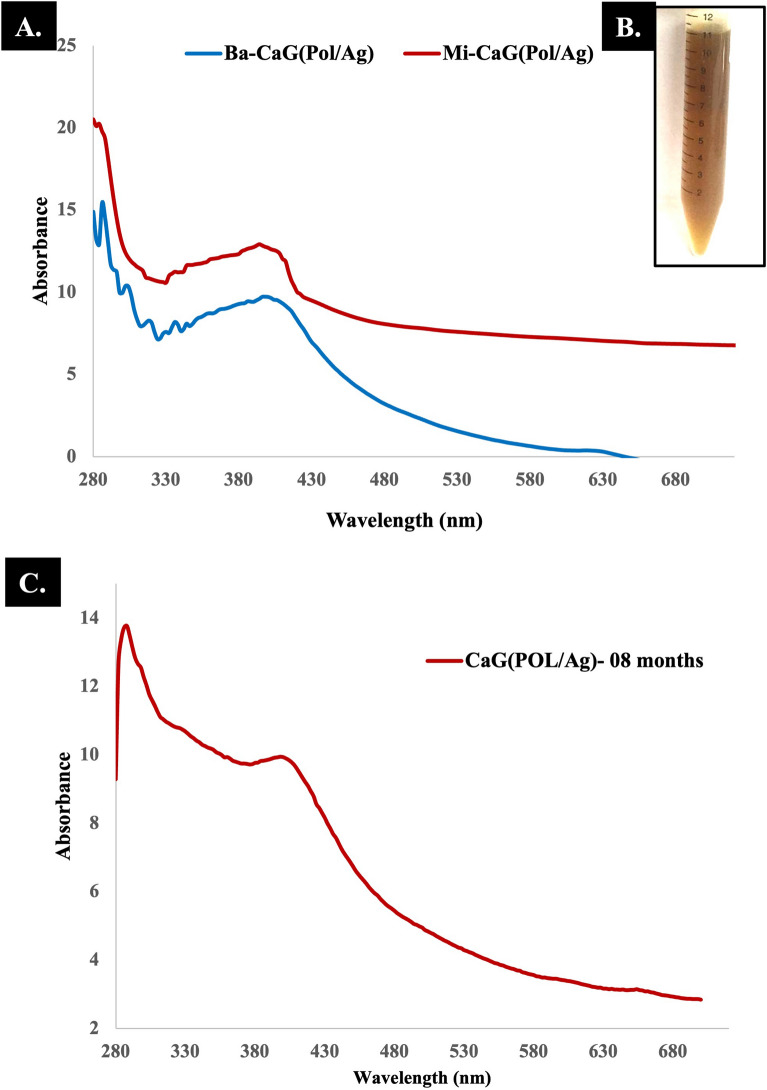
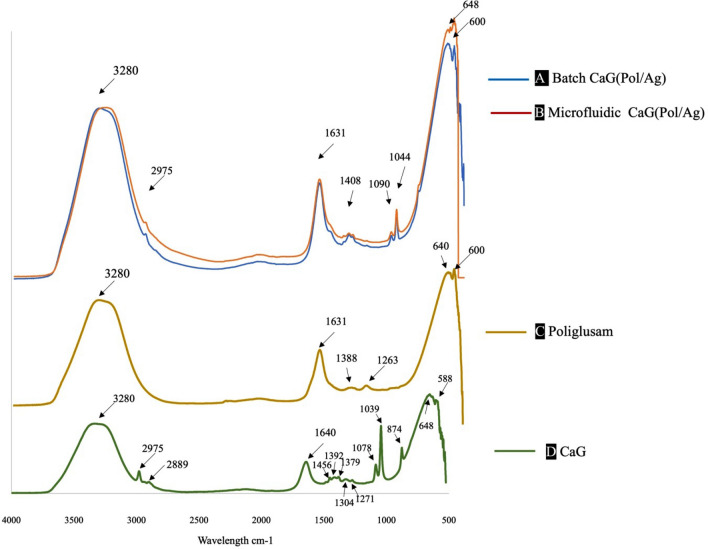
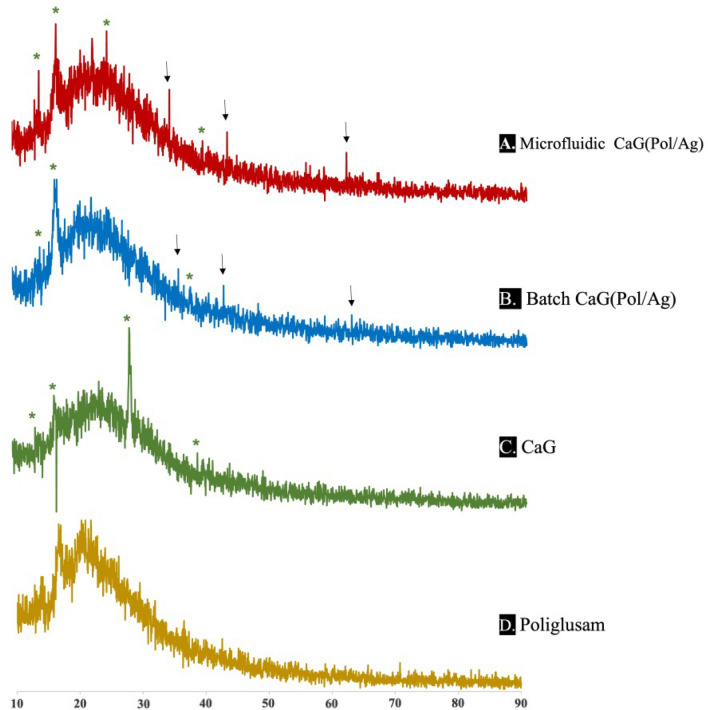
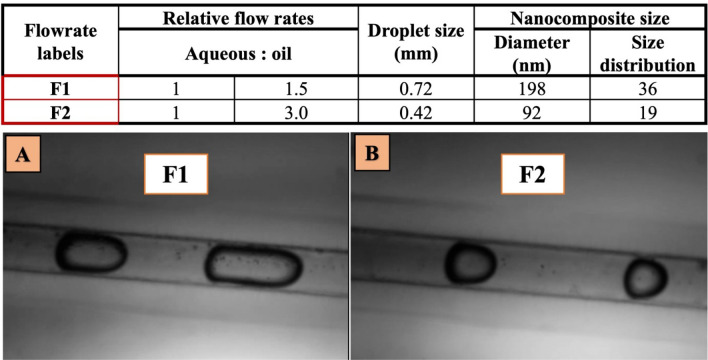
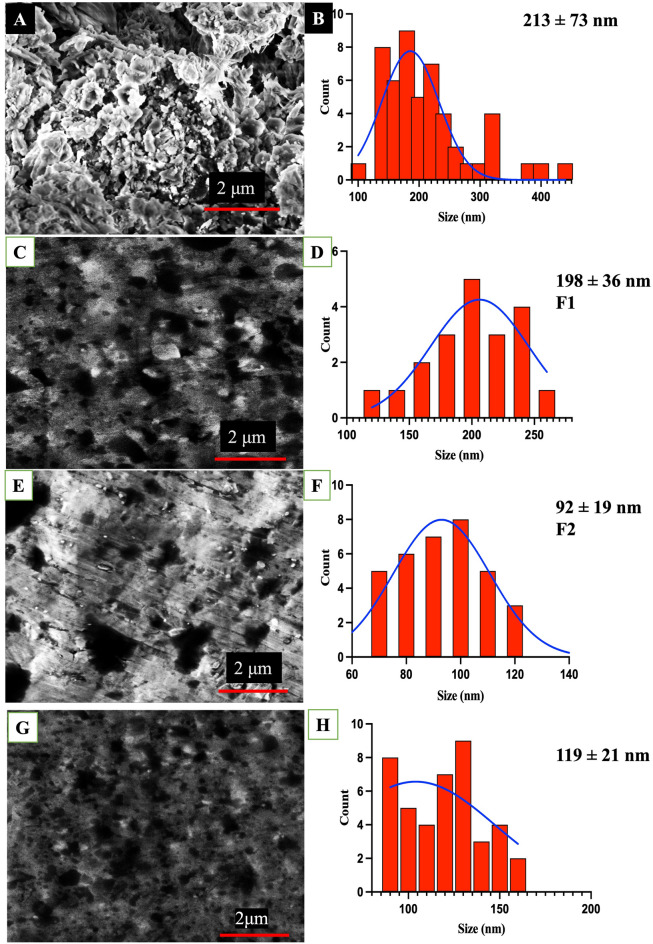
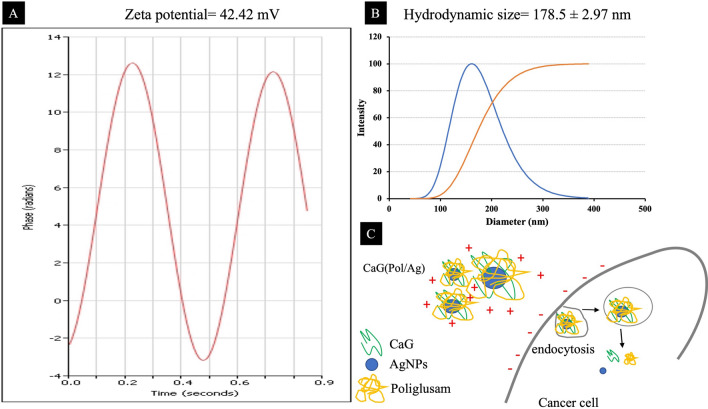
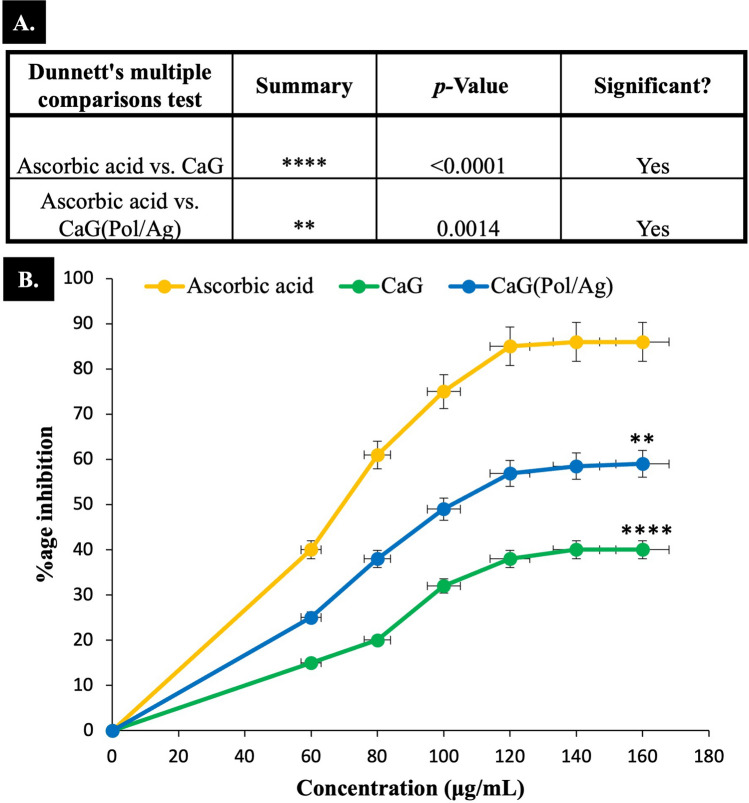
The encapsulation of plant extract in nanomatrices has limitations due to its adhesion to walls, size control, high cost and long durations that results in low yield. Macroscale and microscale level techniques for development of micro/nanoparticles may impact the encapsulation of plant extract. This study aimed to evaluate the relative efficiency of microscale and macroscale techniques for encapsulation of plant extract, which is not compared yet. Keeping this in view, encapsulation of Calotropis gigantea leaves extract (CaG) was attained in silver-conjugated poliglusam nanomatrices (POL/Ag) to induce apoptosis in invasive ductal carcinoma (IDC) cells. The ethanolic CaG extract was prepared using percolation method and characterized by chemical tests for its active phytochemical compounds. The droplet-based microfluidic system was utilized as microscale encapsulation technique for CaG in nanomatrices at two different aqueous to oil flow rate ratios 1.0:1.5, and 1.0:3.0. Moreover, conventional batch system was utilized as macroscale encapsulation technique consisted of hot plate magnetic stirrer. The prepared nanomatrices were analysed for antioxidant activity using DPPH test and for cytotoxicity analysis using MCF-7 cells. The characteristic peaks of UV-Vis, FTIR and XRD spectrum confirmed the synthesis of CaG(POL/Ag) by both the encapsulation methods. However, microfluidic system was found to be more expedient because of attaining small and uniform sized silver nanoparticles (92 ± 19 nm) at high flow rate and achieving high encapsulation efficiency (80.25%) as compared to the conventional batch method (52.5%). CaG(POL/Ag) nanomatrices found to have significant antioxidant activity (p = 0.0014) against DPPH radical scavenging activity. The CaG(POL/Ag) of the smallest sized formulated by the microfluidic system has also shown the highest cytotoxicity (90%) as compared to batch method (70%) at 80 µg/mL. Our results indicate that the microscale technique using microfluidic system is a more efficient method to formulate size-controlled CaG(POL/Ag) nanomatrices and achieve high encapsulation of plant extract. Additionally, CaG(Pol/Ag) was found to be an efficient new combination for inducing potent (p < 0.0001) apoptosis in IDC cells. Therefore, CaG(Pol/Ag) can be further tested as an anti-cancer agent for in-vivo experiments.
植物提取物在纳米基质中的包封存在一些限制,例如其与壁的粘附性、尺寸控制、高成本和较长的时间,这些都会导致产量较低。宏观和微观级别的技术可用于开发微/纳米颗粒,这可能会影响植物提取物的包封。本研究旨在评估微观和宏观技术在植物提取物包封方面的相对效率,目前尚未对此进行比较。有鉴于此,我们用银修饰的聚葡萄糖纳米基质(POL/Ag)来包封大花草叶提取物(CaG),以诱导浸润性导管癌(IDC)细胞凋亡。采用渗滤法制备了 CaG 的乙醇提取物,并通过化学试验对其活性植物化学成分进行了表征。我们使用基于液滴的微流控系统作为微尺度包封技术,在两种不同的水油流速比 1.0:1.5 和 1.0:3.0 下,将 CaG 包封在纳米基质中。此外,还利用常规的批量系统作为宏观封装技术,该系统由热板磁力搅拌器组成。利用 DPPH 试验分析了制备的纳米基质的抗氧化活性,利用 MCF-7 细胞分析了细胞毒性。紫外-可见、傅里叶变换红外和 X 射线衍射光谱的特征峰证实了两种包封方法都合成了 CaG(POL/Ag)。然而,微流控系统更为高效,因为在高流速下获得了小而均匀尺寸的银纳米粒子(92 ± 19nm),并实现了 80.25%的高包封效率(与传统的批量方法相比为 52.5%)。CaG(POL/Ag)纳米基质在清除 DPPH 自由基方面表现出显著的抗氧化活性(p=0.0014)。与批量法(70%)相比,通过微流控系统制备的最小粒径的 CaG(POL/Ag)纳米基质在 80µg/mL 时也表现出最高的细胞毒性(90%)。我们的结果表明,使用微流控系统的微尺度技术是一种更有效的方法,可以制备尺寸可控的 CaG(POL/Ag)纳米基质,并实现植物提取物的高效包封。此外,我们还发现 CaG(Pol/Ag)是诱导 IDC 细胞发生有效凋亡(p<0.0001)的一种新的有效组合。因此,CaG(Pol/Ag)可以进一步作为一种抗癌药物进行体内实验测试。