Attaye Ilias, Lassen Pierre Bel, Adriouch Solia, Steinbach Emilie, Patiño-Navarrete Rafael, Davids Mark, Alili Rohia, Jacques Flavien, Benzeguir Sara, Belda Eugeni, Nemet Ina, Anderson James T, Alexandre-Heymann Laure, Greyling Arno, Larger Etienne, Hazen Stanley L, van Oppenraaij Sophie L, Tremaroli Valentina, Beck Katharina, Bergh Per-Olof, Bäckhed Fredrik, Ten Brincke Suzan P M, Herrema Hilde, Groen Albert K, Pinto-Sietsma Sara-Joan, Clément Karine, Nieuwdorp Max
Department of Internal and Vascular Medicine, Amsterdam University Medical Centers, Location AMC, Amsterdam, the Netherlands.
Sorbonne Université, INSERM, Nutrition and Obesities; Systemic Approaches (NutriOmics), Paris, France.
iScience. 2023 Jul 25;26(8):107471. doi: 10.1016/j.isci.2023.107471. eCollection 2023 Aug 18.
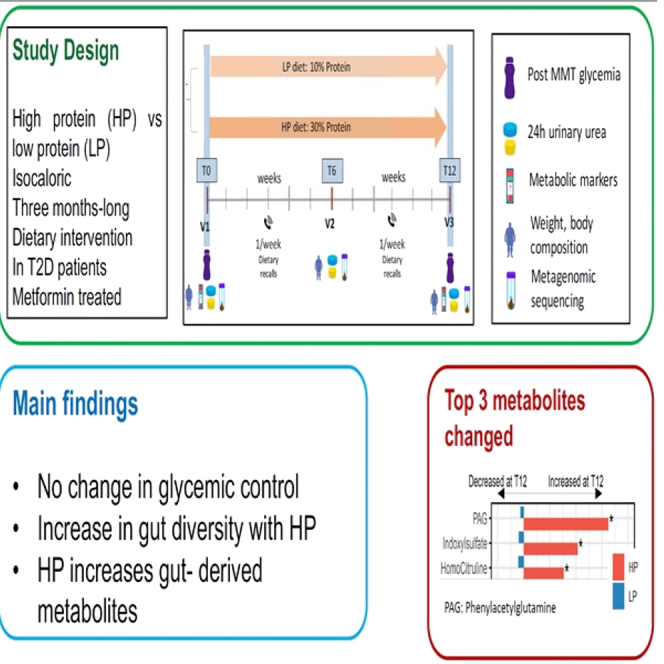
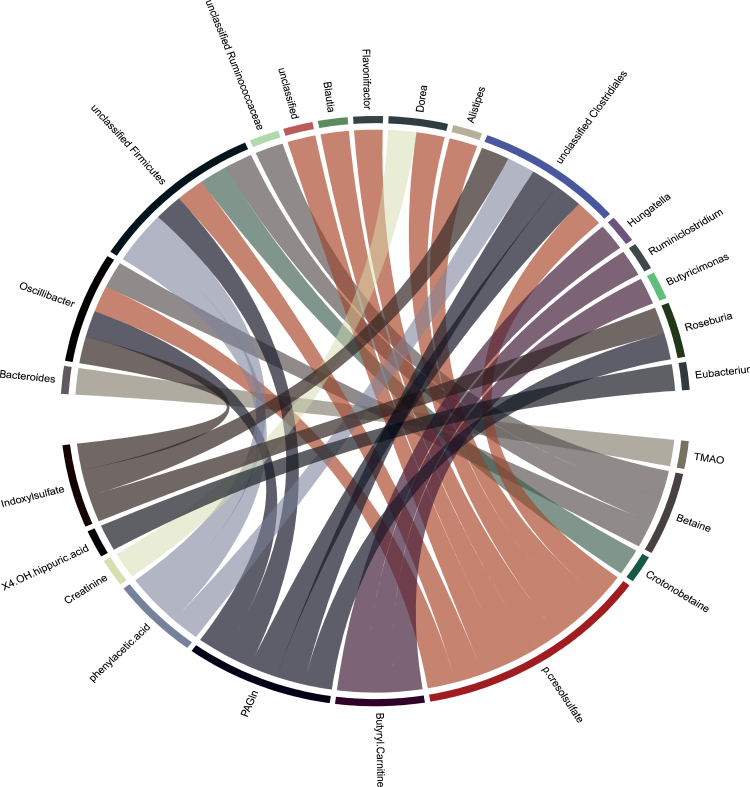
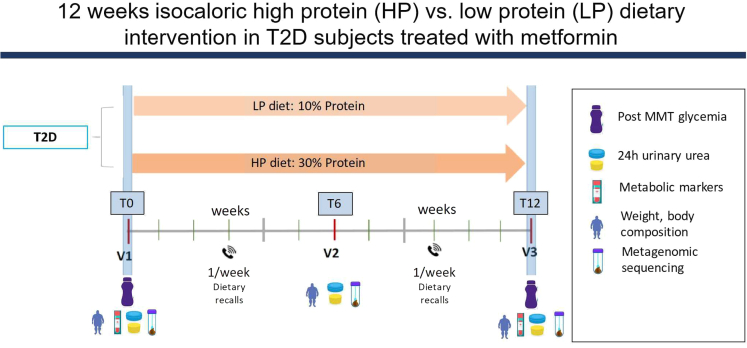
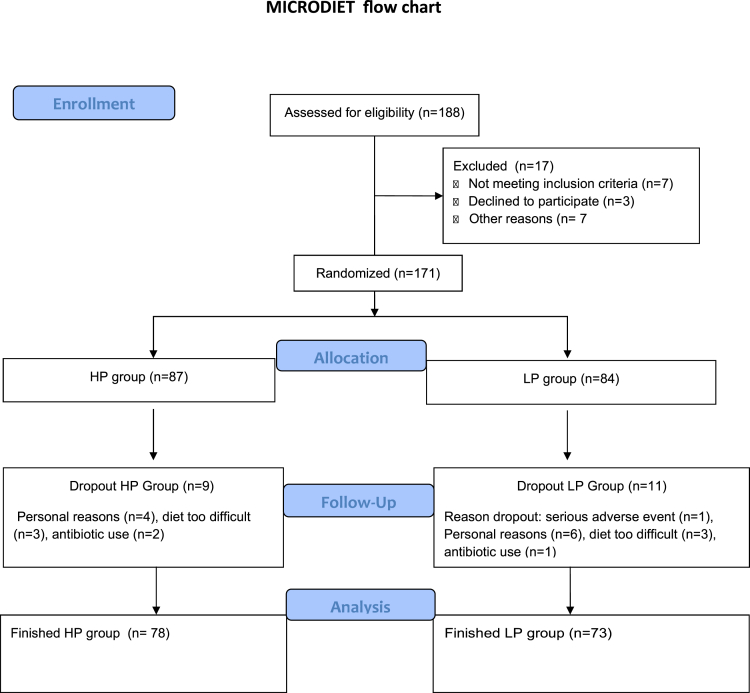
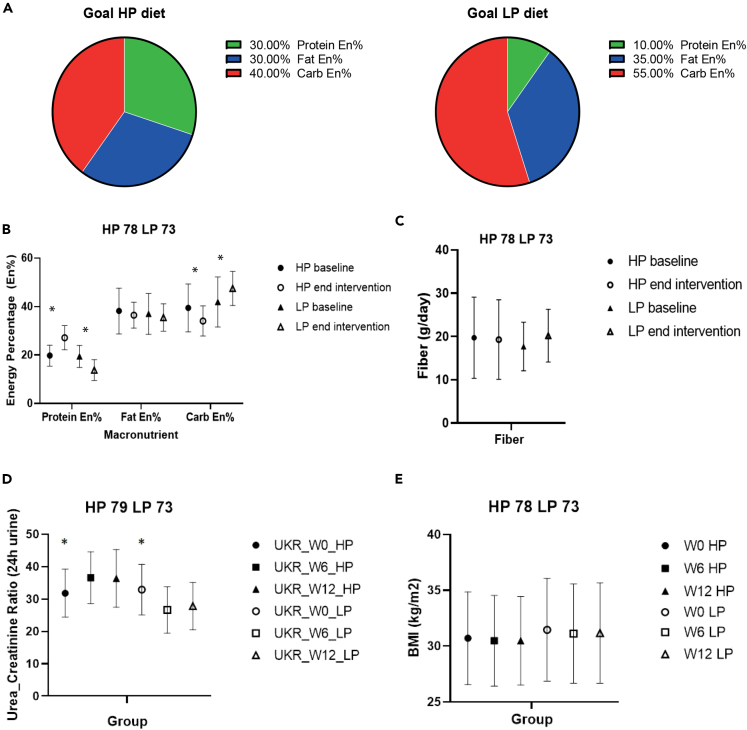
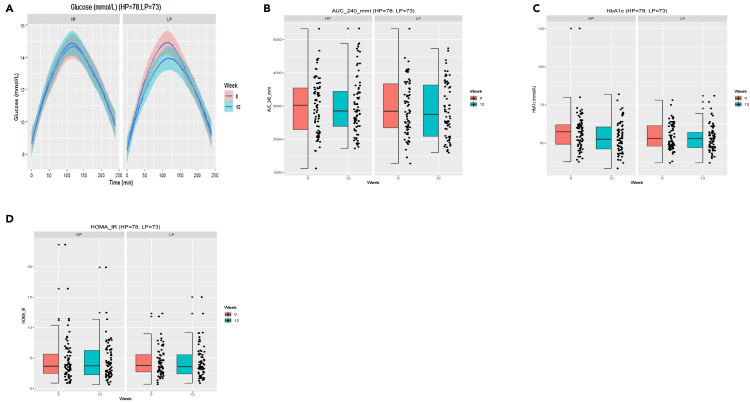
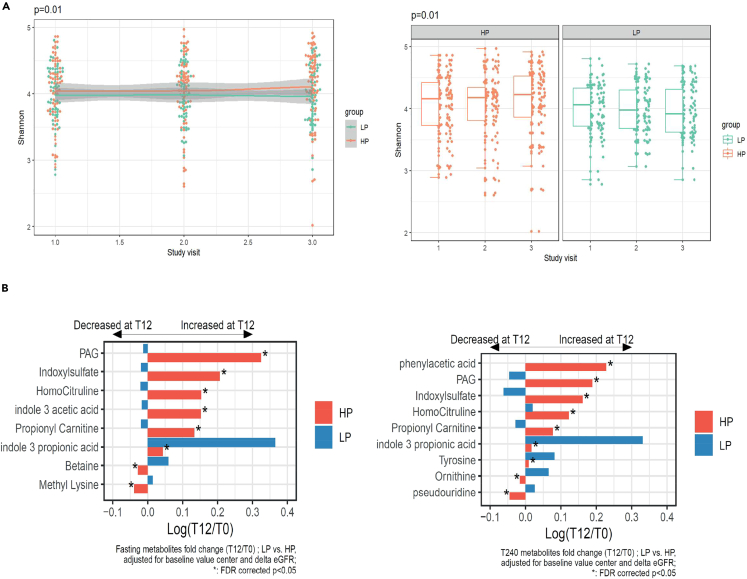
High-protein diets are promoted for individuals with type 2 diabetes (T2D). However, effects of dietary protein interventions on (gut-derived) metabolites in T2D remains understudied. We therefore performed a multi-center, randomized-controlled, isocaloric protein intervention with 151 participants following either 12-week high-protein (HP; 30Energy %, N = 78) vs. low-protein (LP; 10 Energy%, N = 73) diet. Primary objectives were dietary effects on glycemic control which were determined via glycemic excursions, continuous glucose monitors and HbA1c. Secondary objectives were impact of diet on gut microbiota composition and -derived metabolites which were determined by shotgun-metagenomics and mass spectrometry. Analyses were performed using delta changes adjusting for center, baseline, and kidney function when appropriate. This study found that a short-term 12-week isocaloric protein modulation does not affect glycemic parameters or weight in metformin-treated T2D. However, the HP diet slightly worsened kidney function, increased alpha-diversity, and production of potentially harmful microbiota-dependent metabolites, which may affect host metabolism upon prolonged exposure.
高蛋白饮食被推荐给2型糖尿病(T2D)患者。然而,饮食蛋白质干预对T2D患者(肠道来源)代谢物的影响仍未得到充分研究。因此,我们进行了一项多中心、随机对照、等热量蛋白质干预试验,151名参与者分别采用12周的高蛋白(HP;占能量的30%,N = 78)饮食与低蛋白(LP;占能量的10%,N = 73)饮食。主要目标是通过血糖波动、连续血糖监测仪和糖化血红蛋白来确定饮食对血糖控制的影响。次要目标是饮食对肠道微生物群组成和衍生代谢物的影响,通过鸟枪法宏基因组学和质谱法来确定。分析采用了在适当情况下对中心、基线和肾功能进行调整的变化量分析。本研究发现,在接受二甲双胍治疗的T2D患者中,为期12周的短期等热量蛋白质调节对血糖参数或体重没有影响。然而,高蛋白饮食会使肾功能略有恶化,增加α多样性,并产生潜在有害的微生物群依赖性代谢物,长期接触可能会影响宿主代谢。