Gravel-Miguel C, Cristiani E, Hodgkins J, Orr C M, Strait D S, Peresani M, Benazzi S, Pothier-Bouchard G, Keller H M, Meyer D, Drohobytsky D, Talamo S, Panetta D, Zupancich A, Miller C E, Negrino F, Riel-Salvatore J
Département d'anthropologie, Université de Montréal, Montréal, QC Canada.
DANTE - Diet and ANcient TEchnology Laboratory, Department of Oral and Maxillo-Facial Sciences, Sapienza University of Rome, Rome, Italy.
J Archaeol Method Theory. 2023;30(3):757-804. doi: 10.1007/s10816-022-09573-7. Epub 2022 Aug 30.
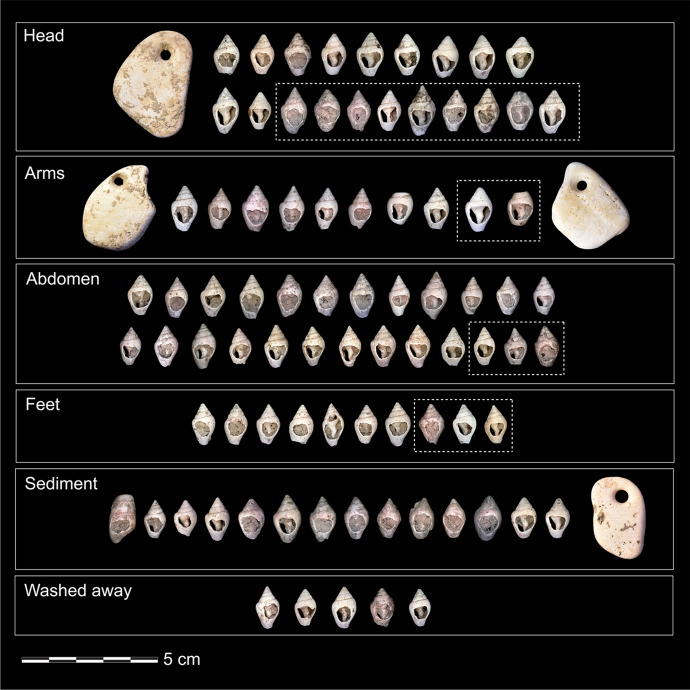
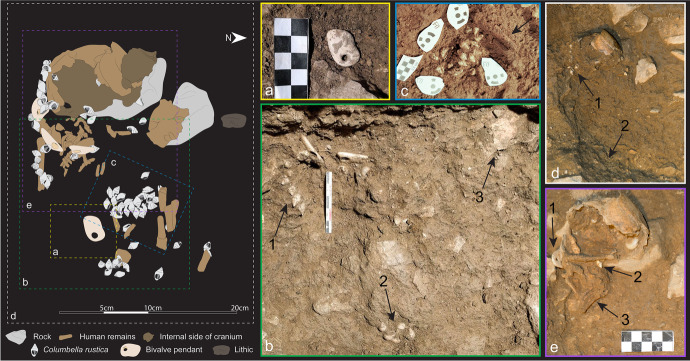
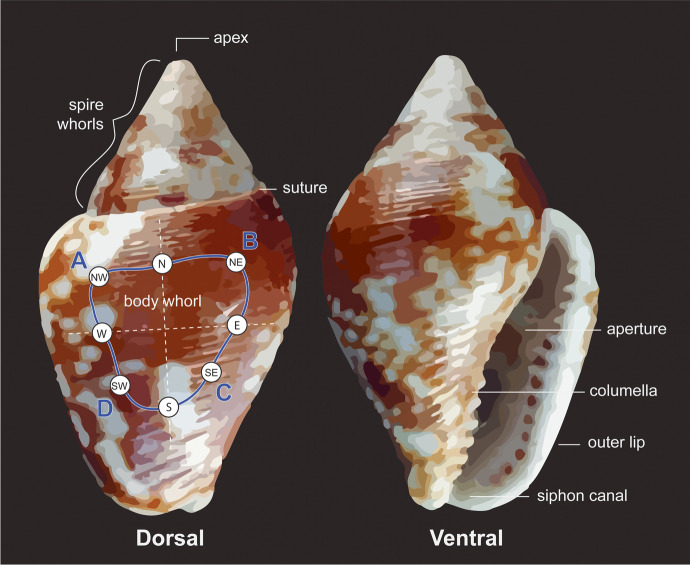
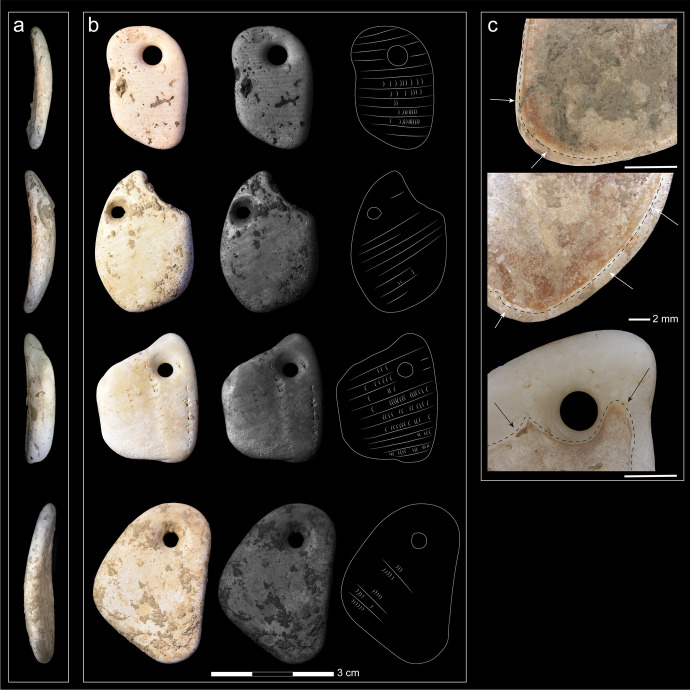
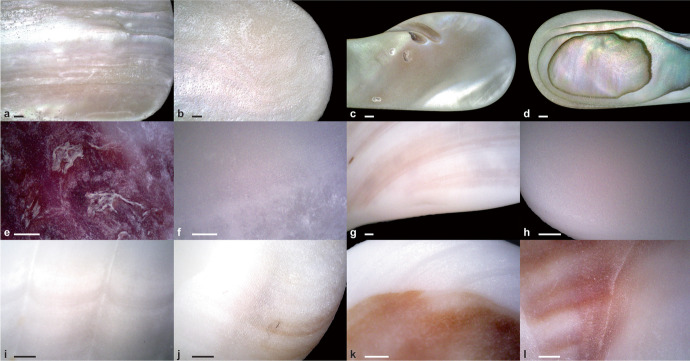
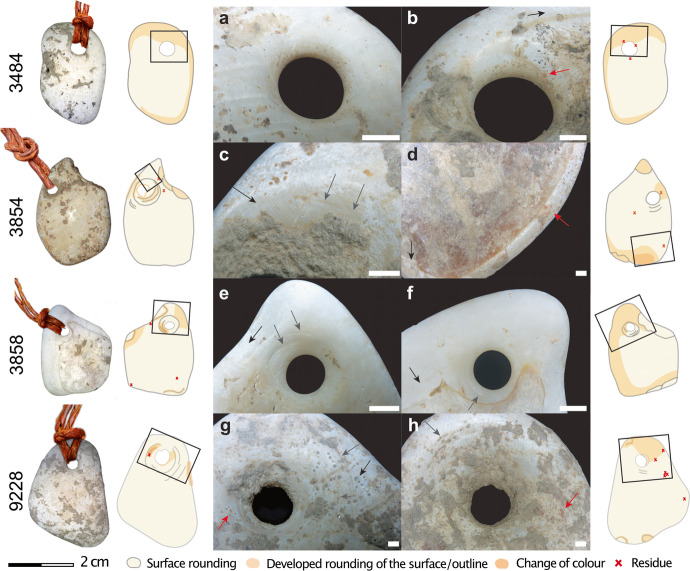
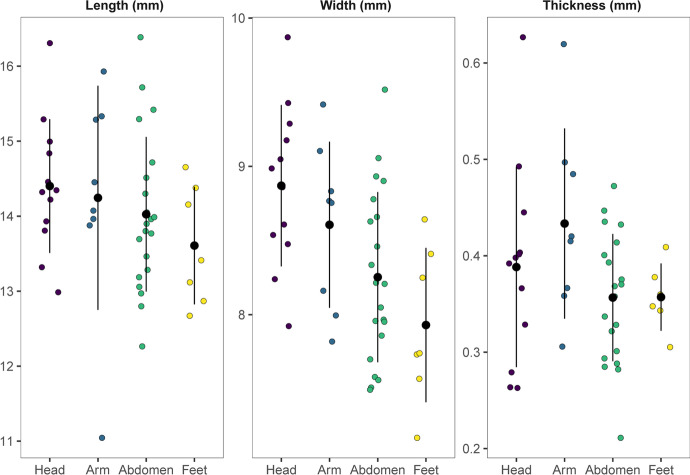
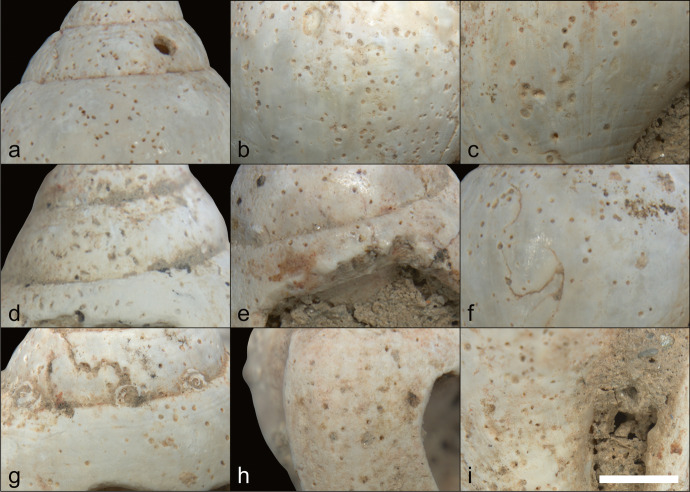
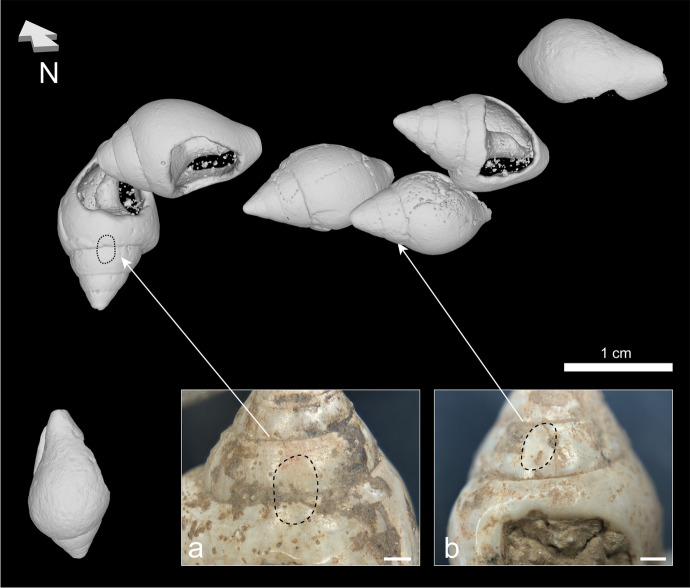
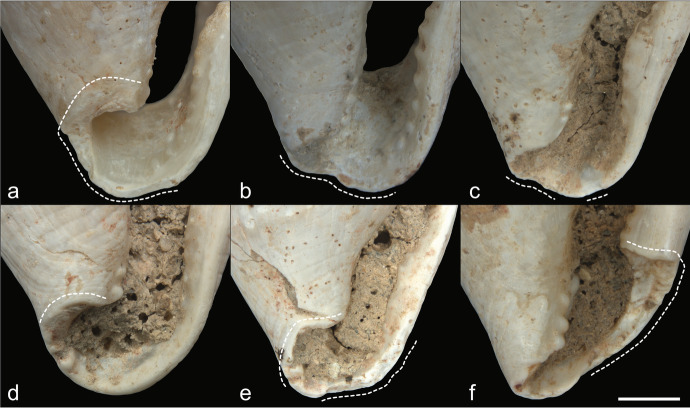
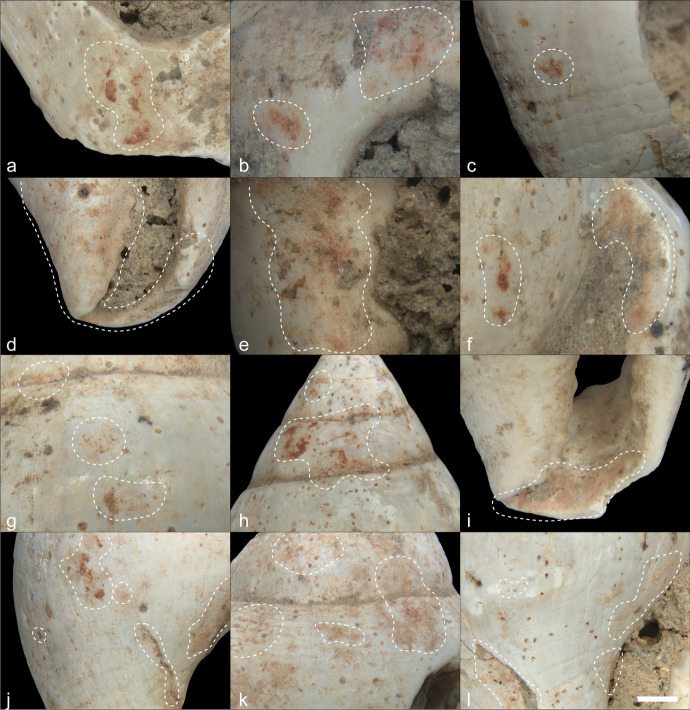
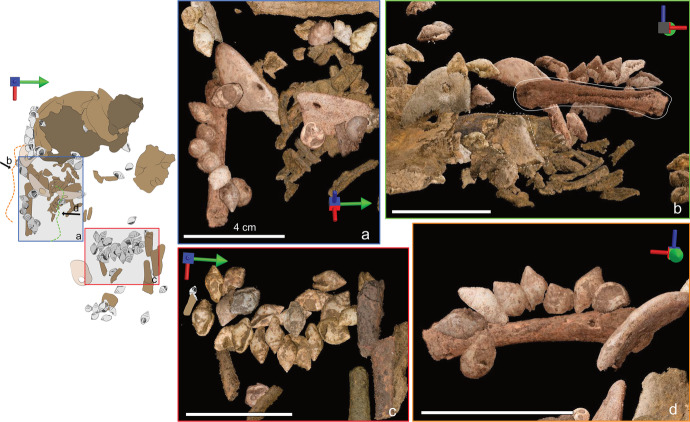
Personal ornaments are widely viewed as indicators of social identity and personhood. Ornaments are ubiquitous from the Late Pleistocene to the Holocene, but they are most often found as isolated objects within archaeological assemblages without direct evidence on how they were displayed. This article presents a detailed record of the ornaments found in direct association with an Early Mesolithic buried female infant discovered in 2017 at the site of Arma Veirana (Liguria, Italy). It uses microscopic, 3D, and positional analyses of the ornaments as well as a preliminary perforation experiment to document how they were perforated, used, and what led to their deposit as part of the infant's grave goods. This study provides important information on the use of beads in the Early Mesolithic, in general, as well as the relationship between beads and young subadults, in particular. The results of the study suggest that the beads were worn by members of the infant's community for a considerable period before they were sewn onto a sling, possibly used to keep the infant close to the parents while allowing their mobility, as seen in some modern forager groups. The baby was then likely buried in this sling to avoid reusing the beads that had failed to protect her or simply to create a lasting connection between the deceased infant and her community.
The online version contains supplementary material available at 10.1007/s10816-022-09573-7.
个人装饰品被广泛视为社会身份和人格的指标。从晚更新世到全新世,装饰品无处不在,但在考古组合中,它们最常作为孤立的物品被发现,没有关于其展示方式的直接证据。本文详细记录了2017年在阿尔马韦拉纳遗址(意大利利古里亚)发现的与一名中石器时代早期埋葬的女婴直接相关的装饰品。它利用对装饰品的微观、三维和位置分析以及初步的穿孔实验,来记录它们是如何被穿孔、使用的,以及是什么导致它们作为婴儿随葬品的一部分被埋葬。这项研究总体上提供了关于中石器时代早期珠子使用的重要信息,特别是珠子与年轻亚成年人之间的关系。研究结果表明,这些珠子在被缝到一个背带上之前,被婴儿所在社区的成员佩戴了相当长一段时间,这个背带可能是用来让婴儿在父母身边,同时又能让他们活动自如,就像在一些现代觅食群体中看到的那样。然后,婴儿很可能被埋葬在这个背带里,以避免重复使用未能保护她的珠子,或者仅仅是为了在已故婴儿和她的社区之间建立一种持久的联系。
在线版本包含可在10.1007/s10816-022-09573-7获取的补充材料。