Boyarko Ben, Podvin Sonia, Greenberg Barry, Momper Jeremiah D, Huang Yadong, Gerwick William H, Bang Anne G, Quinti Luisa, Griciuc Ana, Kim Doo Yeon, Tanzi Rudolph E, Feldman Howard H, Hook Vivian
Skaggs School of Pharmacy and Pharmaceutical Sciences, University of California, San Diego, La Jolla, CA, United States.
Department of Neurology, Johns Hopkins University School of Medicine, Baltimore, MD, United States.
Front Pharmacol. 2023 Aug 4;14:1190402. doi: 10.3389/fphar.2023.1190402. eCollection 2023.
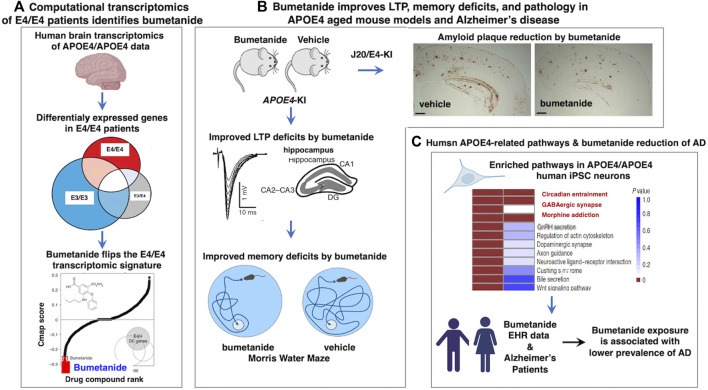
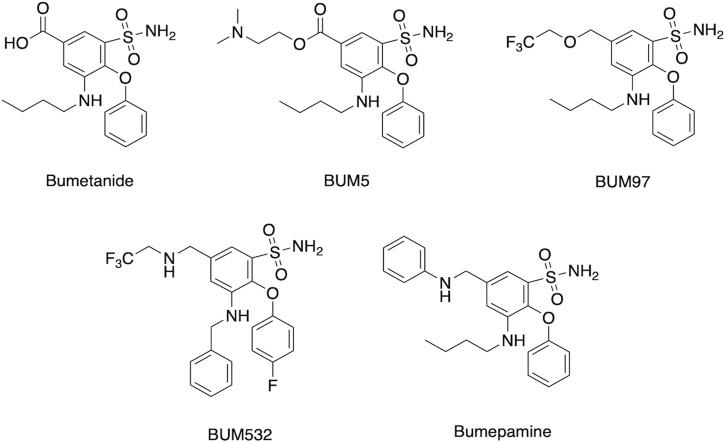
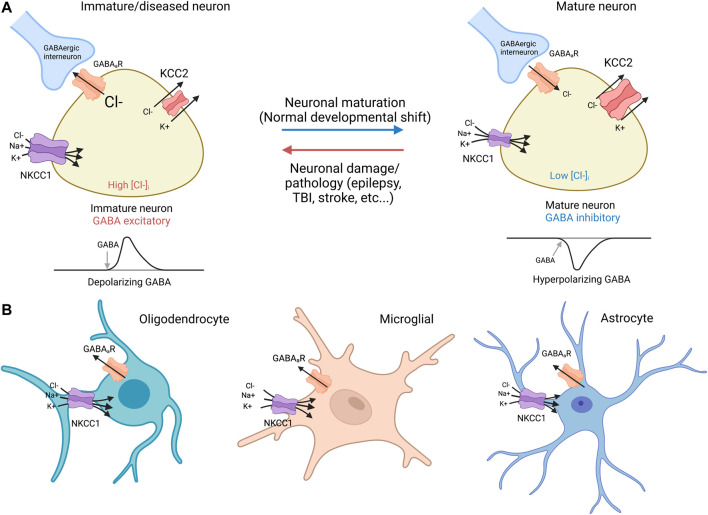
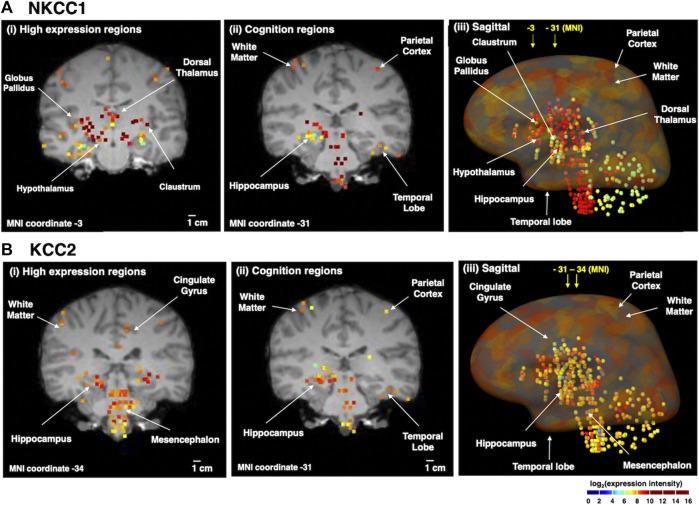
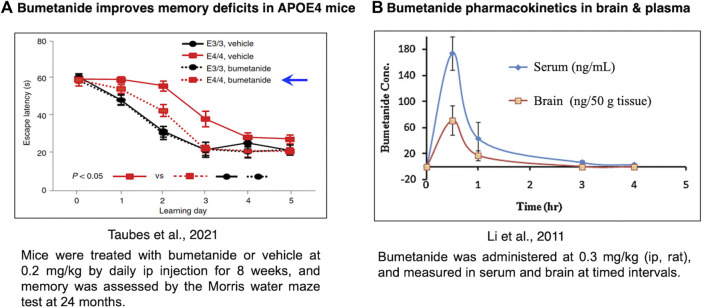
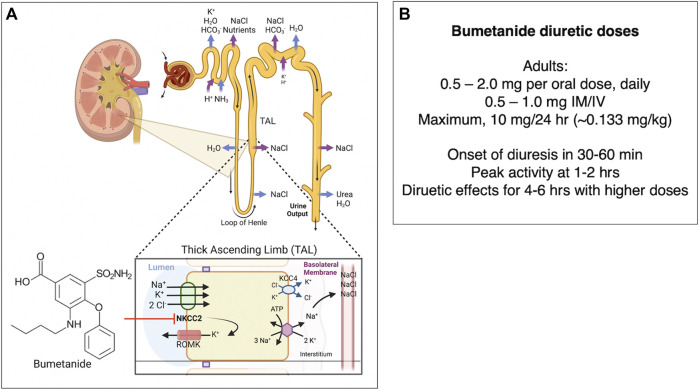
Therapeutics discovery and development for Alzheimer's disease (AD) has been an area of intense research to alleviate memory loss and the underlying pathogenic processes. Recent drug discovery approaches have utilized computational strategies for drug candidate selection which has opened the door to repurposing drugs for AD. Computational analysis of gene expression signatures of patients stratified by the APOE4 risk allele of AD led to the discovery of the FDA-approved drug bumetanide as a top candidate agent that reverses APOE4 transcriptomic brain signatures and improves memory deficits in APOE4 animal models of AD. Bumetanide is a loop diuretic which inhibits the kidney Na-K-2Cl cotransporter isoform, NKCC2, for the treatment of hypertension and edema in cardiovascular, liver, and renal disease. Electronic health record data revealed that patients exposed to bumetanide have lower incidences of AD by 35%-70%. In the brain, bumetanide has been proposed to antagonize the NKCC1 isoform which mediates cellular uptake of chloride ions. Blocking neuronal NKCC1 leads to a decrease in intracellular chloride and thus promotes GABAergic receptor mediated hyperpolarization, which may ameliorate disease conditions associated with GABAergic-mediated depolarization. NKCC1 is expressed in neurons and in all brain cells including glia (oligodendrocytes, microglia, and astrocytes) and the vasculature. In consideration of bumetanide as a repurposed drug for AD, this review evaluates its pharmaceutical properties with respect to its estimated brain levels across doses that can improve neurologic disease deficits of animal models to distinguish between NKCC1 and non-NKCC1 mechanisms. The available data indicate that bumetanide efficacy may occur at brain drug levels that are below those required for inhibition of the NKCC1 transporter which implicates non-NKCC1 brain mechansims for improvement of brain dysfunctions and memory deficits. Alternatively, peripheral bumetanide mechanisms may involve cells outside the central nervous system (e.g., in epithelia and the immune system). Clinical bumetanide doses for improved neurological deficits are reviewed. Regardless of mechanism, the efficacy of bumetanide to improve memory deficits in the APOE4 model of AD and its potential to reduce the incidence of AD provide support for clinical investigation of bumetanide as a repurposed AD therapeutic agent.
针对阿尔茨海默病(AD)的治疗方法发现与开发一直是减轻记忆丧失及潜在致病过程的重点研究领域。近期的药物发现方法采用了计算策略来选择候选药物,这为AD药物的重新利用打开了大门。对按AD的APOE4风险等位基因分层的患者的基因表达特征进行计算分析,发现美国食品药品监督管理局(FDA)批准的药物布美他尼是逆转APOE4转录组脑特征并改善AD的APOE4动物模型记忆缺陷的顶级候选药物。布美他尼是一种袢利尿剂,可抑制肾脏的钠-钾-2氯协同转运蛋白异构体NKCC2,用于治疗心血管、肝脏和肾脏疾病中的高血压和水肿。电子健康记录数据显示,接触布美他尼的患者患AD的发生率降低了35%-70%。在大脑中,有人提出布美他尼可拮抗介导氯离子细胞摄取的NKCC1异构体。阻断神经元NKCC1会导致细胞内氯离子减少,从而促进GABA能受体介导的超极化,这可能改善与GABA能介导的去极化相关的疾病状况。NKCC1在神经元以及包括神经胶质细胞(少突胶质细胞、小胶质细胞和星形胶质细胞)和脉管系统在内的所有脑细胞中均有表达。考虑到布美他尼作为AD的重新利用药物,本综述评估了其在不同剂量下的估计脑内水平方面的药学特性,这些剂量可改善动物模型的神经疾病缺陷,以区分NKCC1和非NKCC1机制。现有数据表明,布美他尼的疗效可能在低于抑制NKCC1转运蛋白所需的脑药物水平时出现,这意味着非NKCC1脑机制可改善脑功能障碍和记忆缺陷。或者,外周布美他尼机制可能涉及中枢神经系统以外的细胞(例如上皮细胞和免疫系统中的细胞)。本文综述了用于改善神经缺陷的临床布美他尼剂量。无论机制如何,布美他尼改善AD的APOE4模型记忆缺陷的疗效及其降低AD发病率的潜力为布美他尼作为重新利用的AD治疗药物的临床研究提供了支持。